3D Modeling
In progress
Building objects and scenes in 3D software: modeling forms from simple shapes, then adding materials, lighting and rendering.
January 2025 - May 2028 | Brooklyn, New York
Building objects and scenes in 3D software: modeling forms from simple shapes, then adding materials, lighting and rendering.
Telling stories through interactive media, from branching narratives to game-like pieces where the audience's choices shape what happens.
A studio course on designing products around the people who use them: user research, sketching, prototyping and testing ideas with real users.
Building websites from scratch with HTML, CSS and JavaScript: page structure, layout and styling, responsive design and adding interaction. Every week’s exercises, the midterm and the final live in the GitHub repository below: pick a folder and a file to read the code.
Methods for coming up with ideas and testing them quickly: brainstorming, personas, crazy 8’s, storyboards, mind maps and speed dating. The course blog documents each week’s assignment and the Future Artifact project from first sketches to the final presentation.
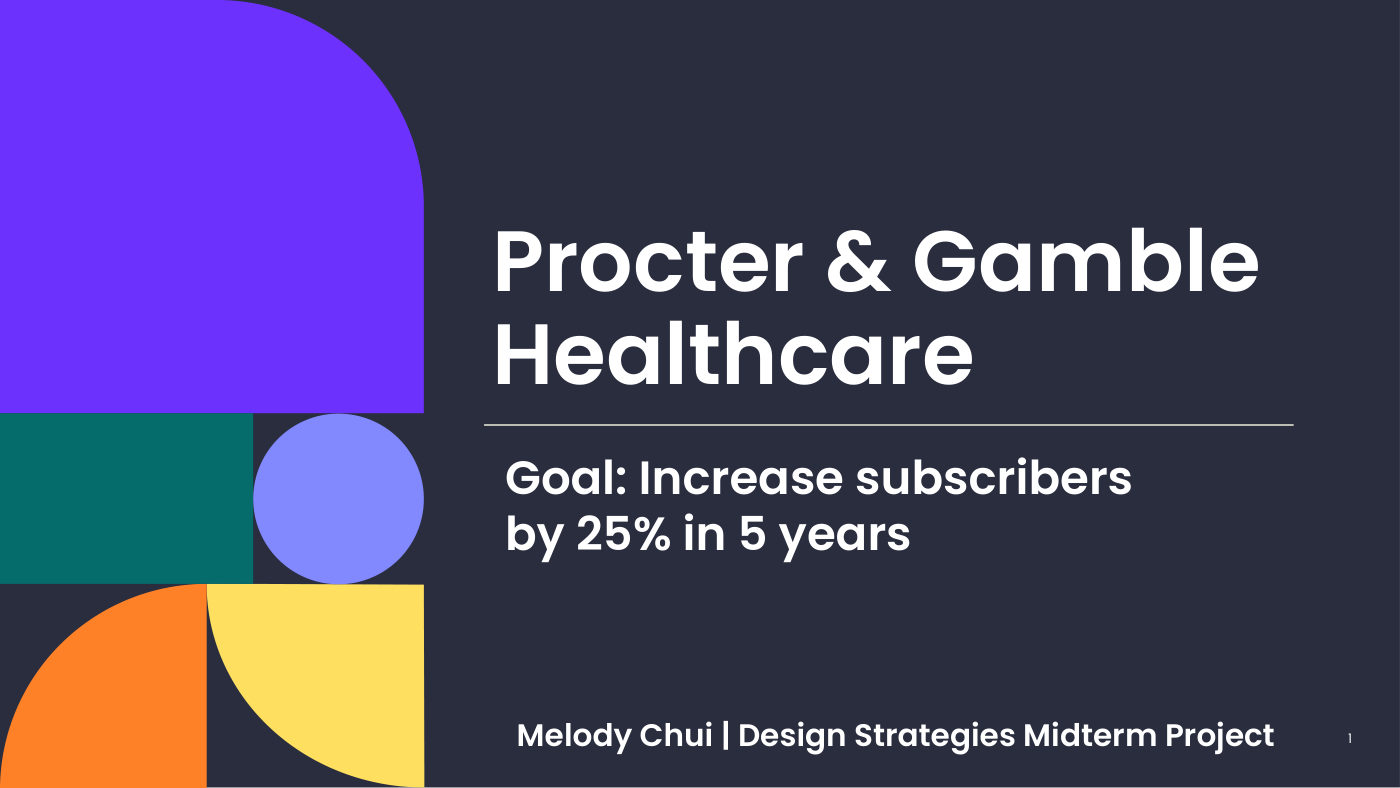
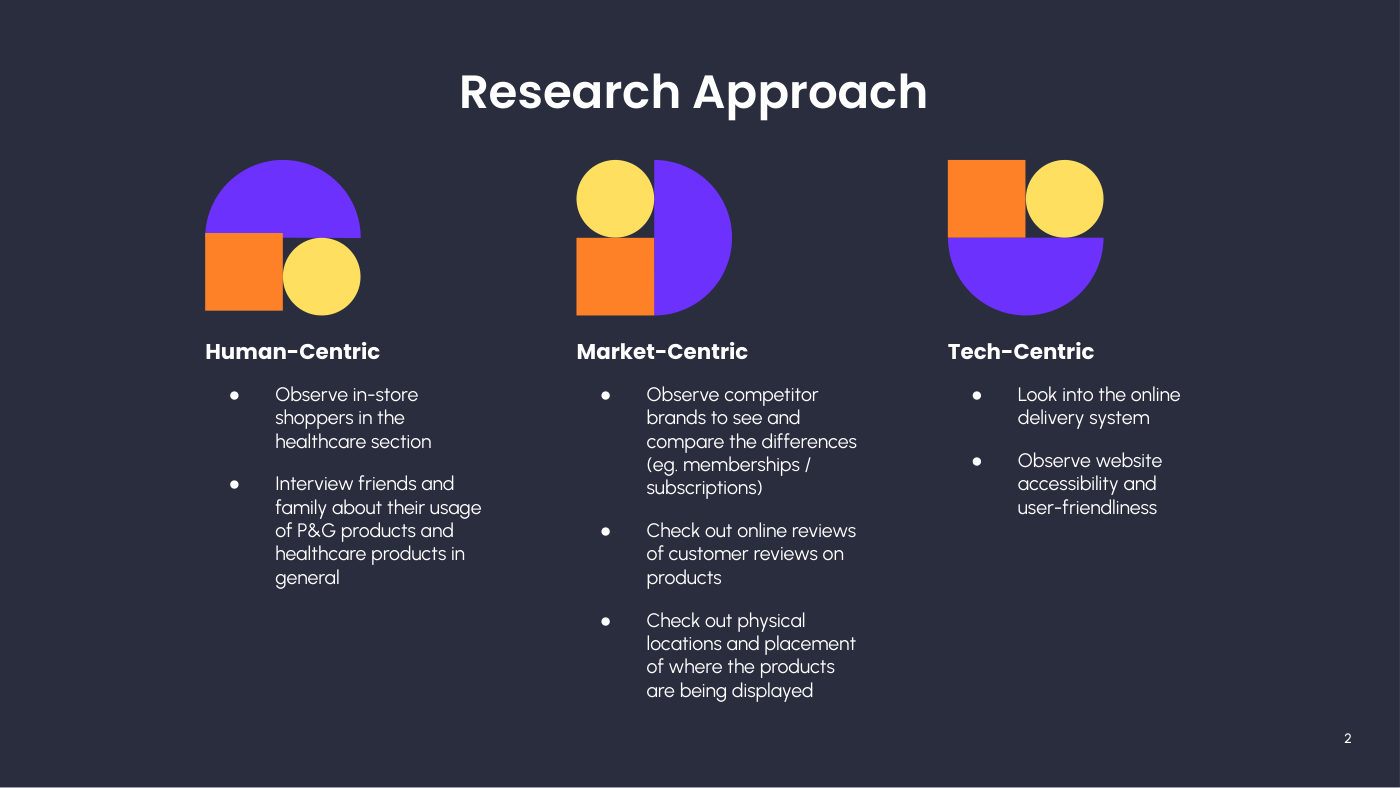
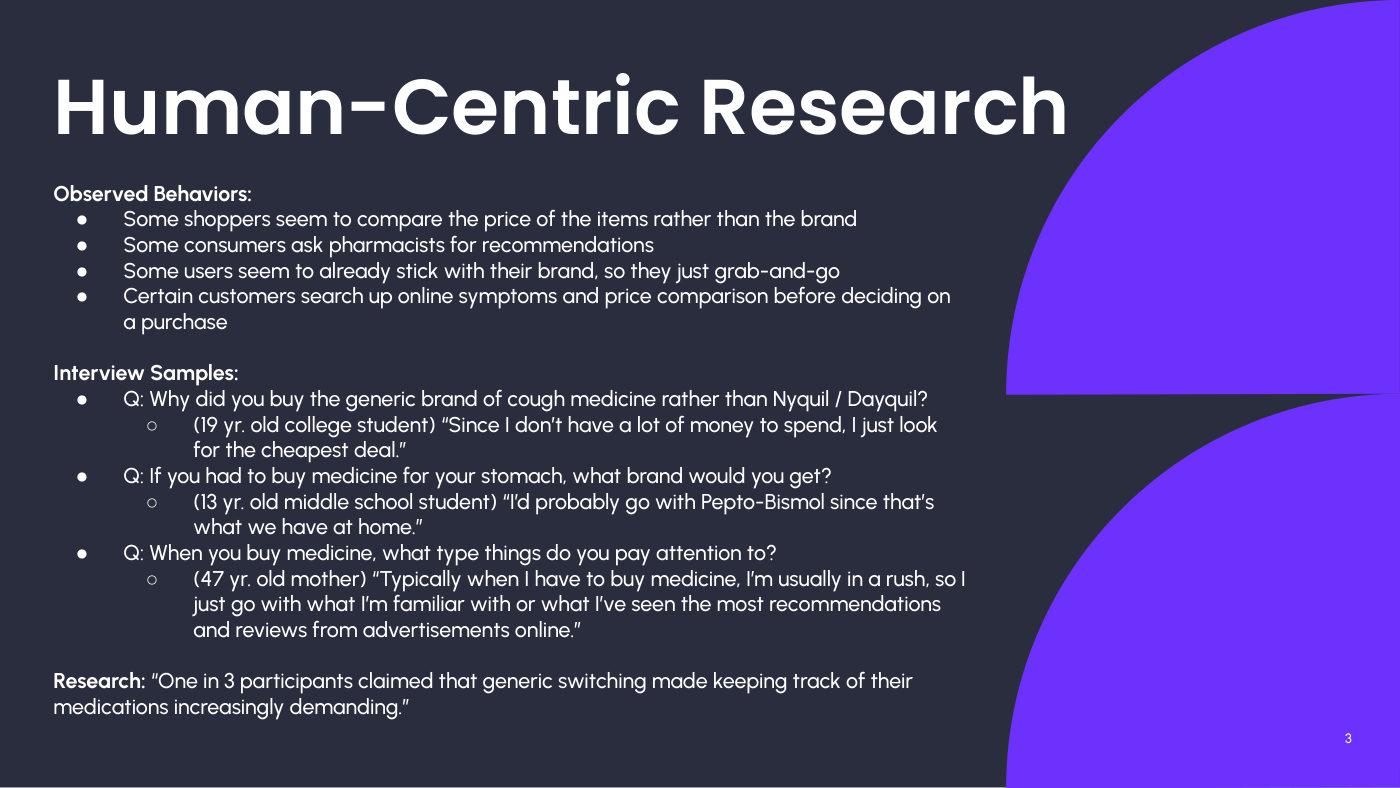
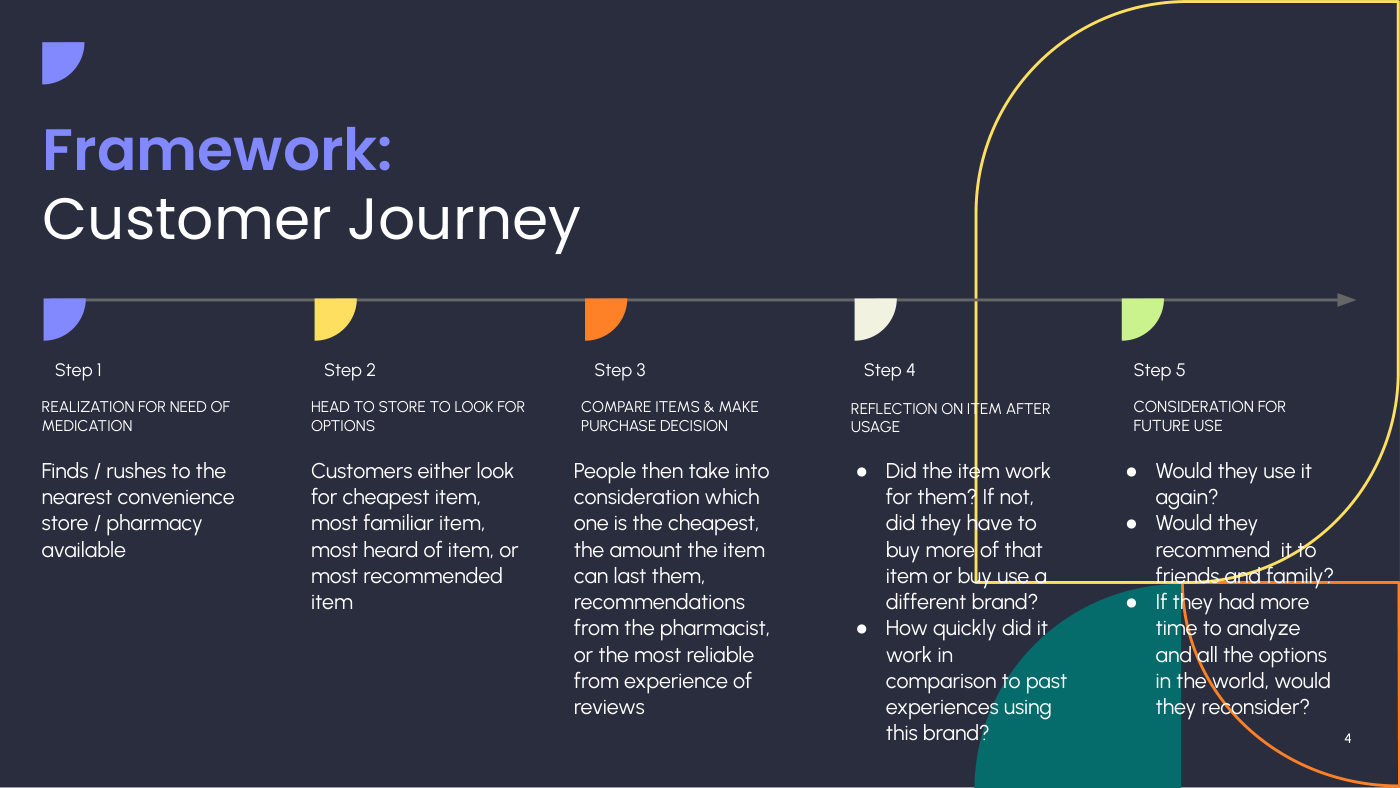
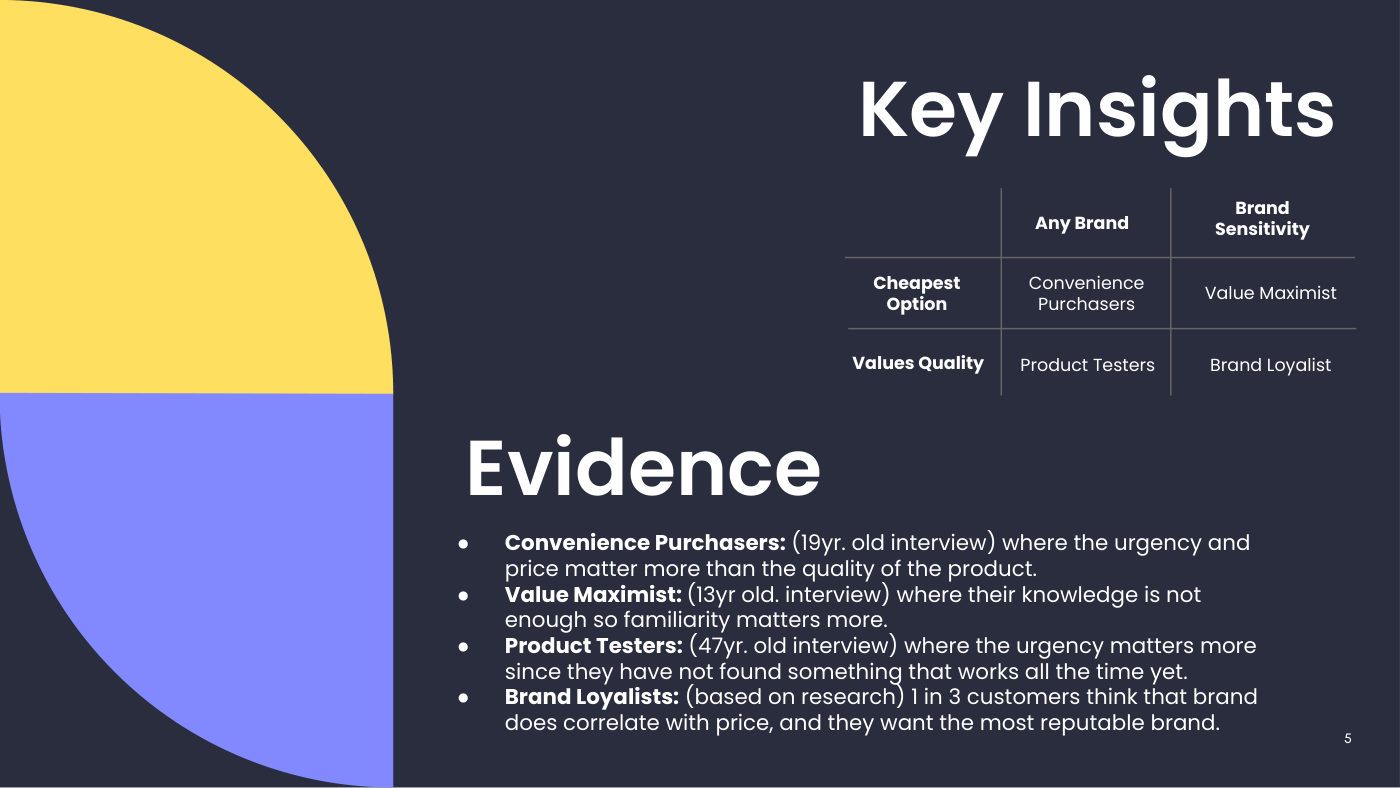
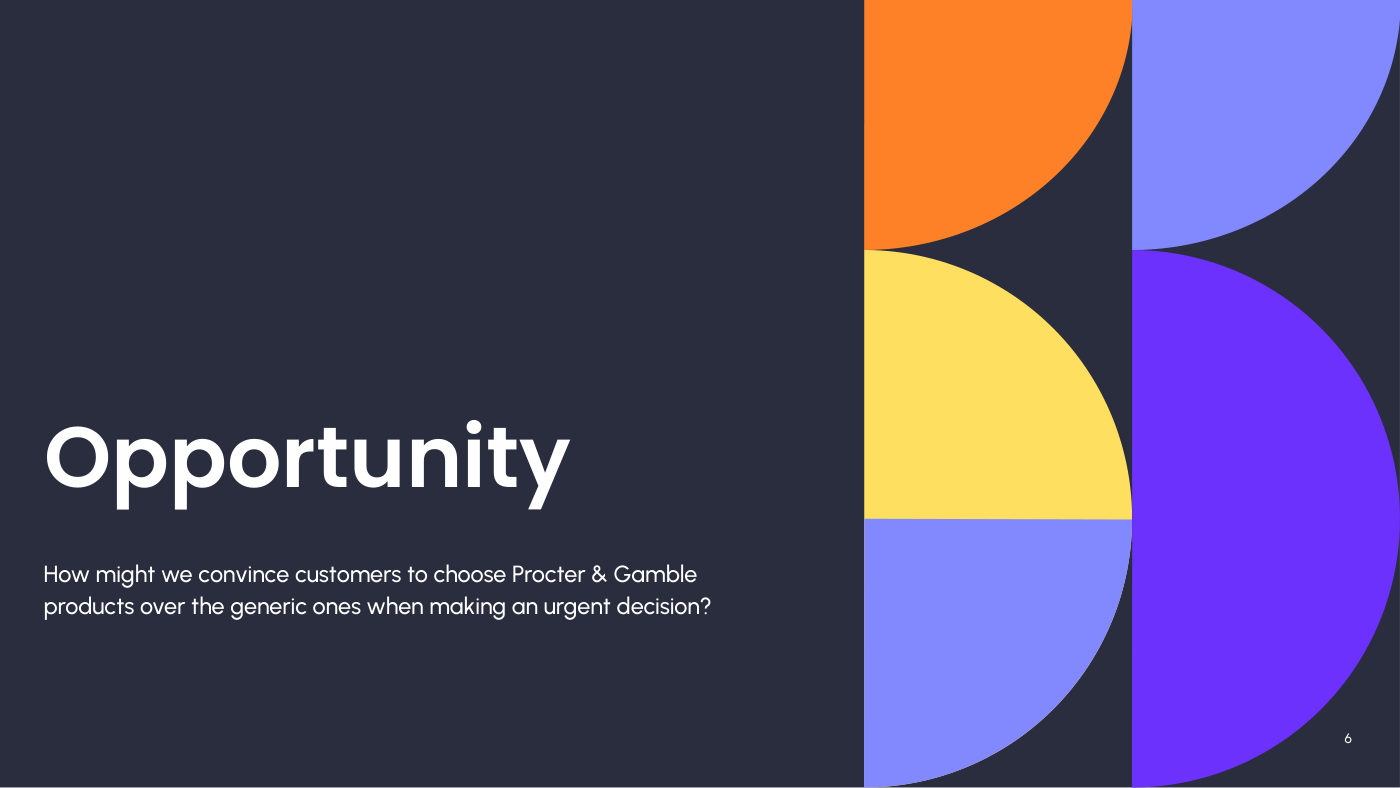
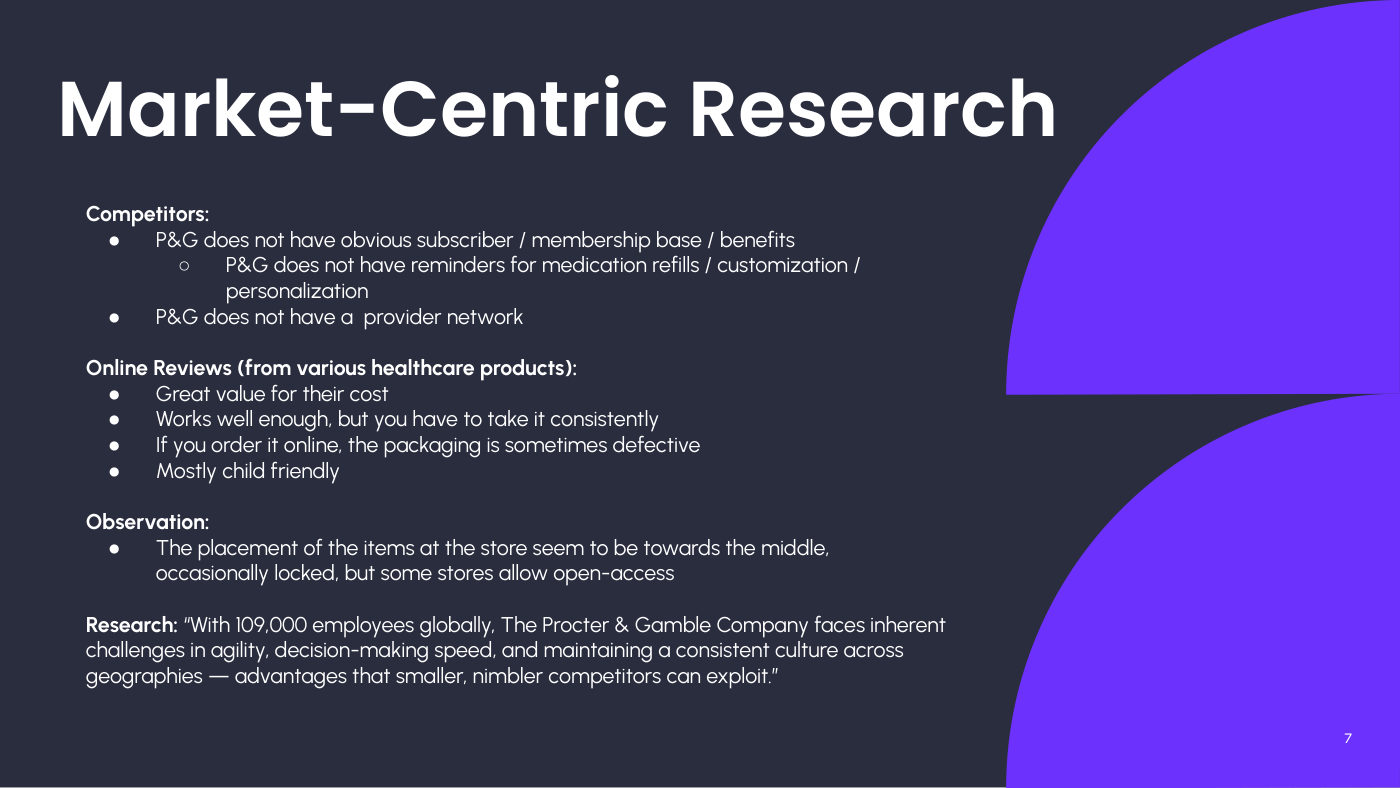
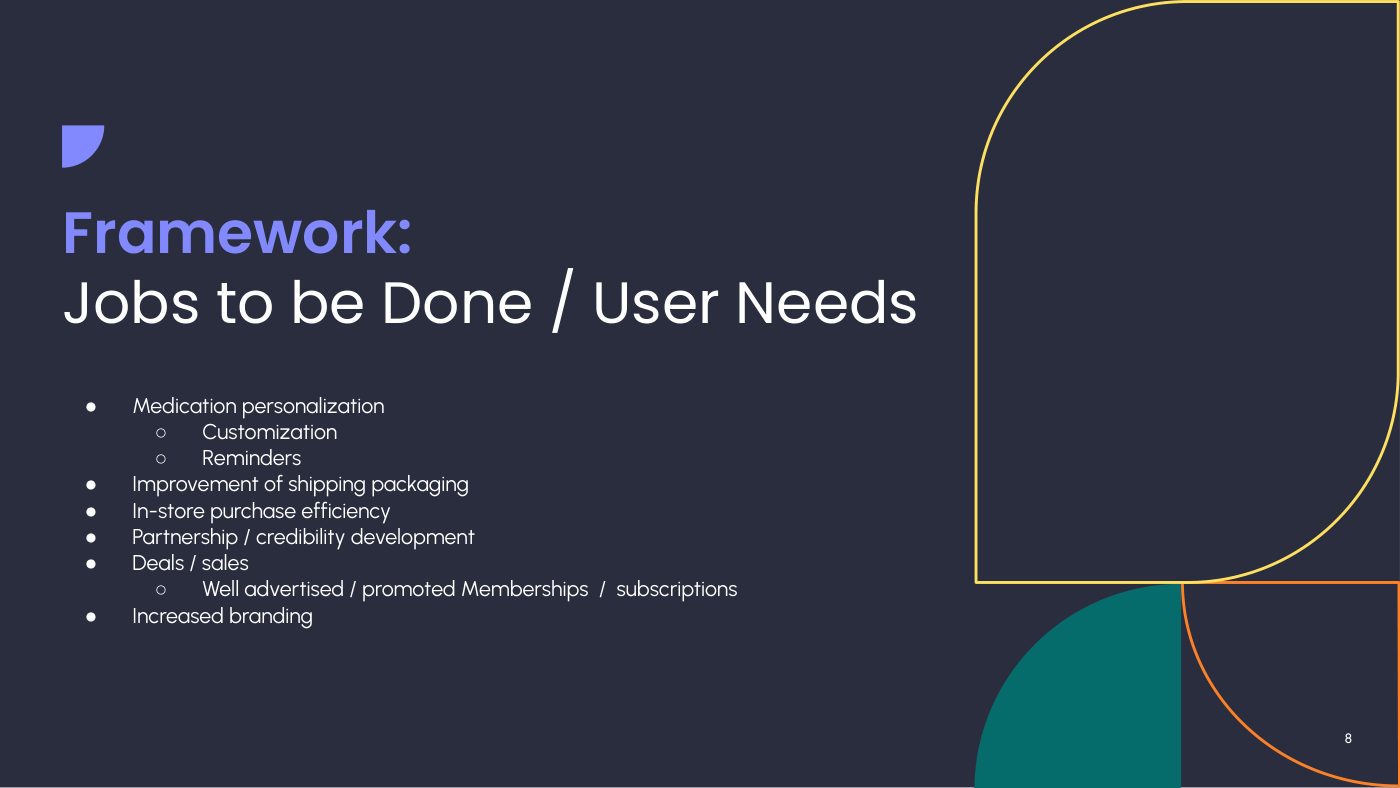
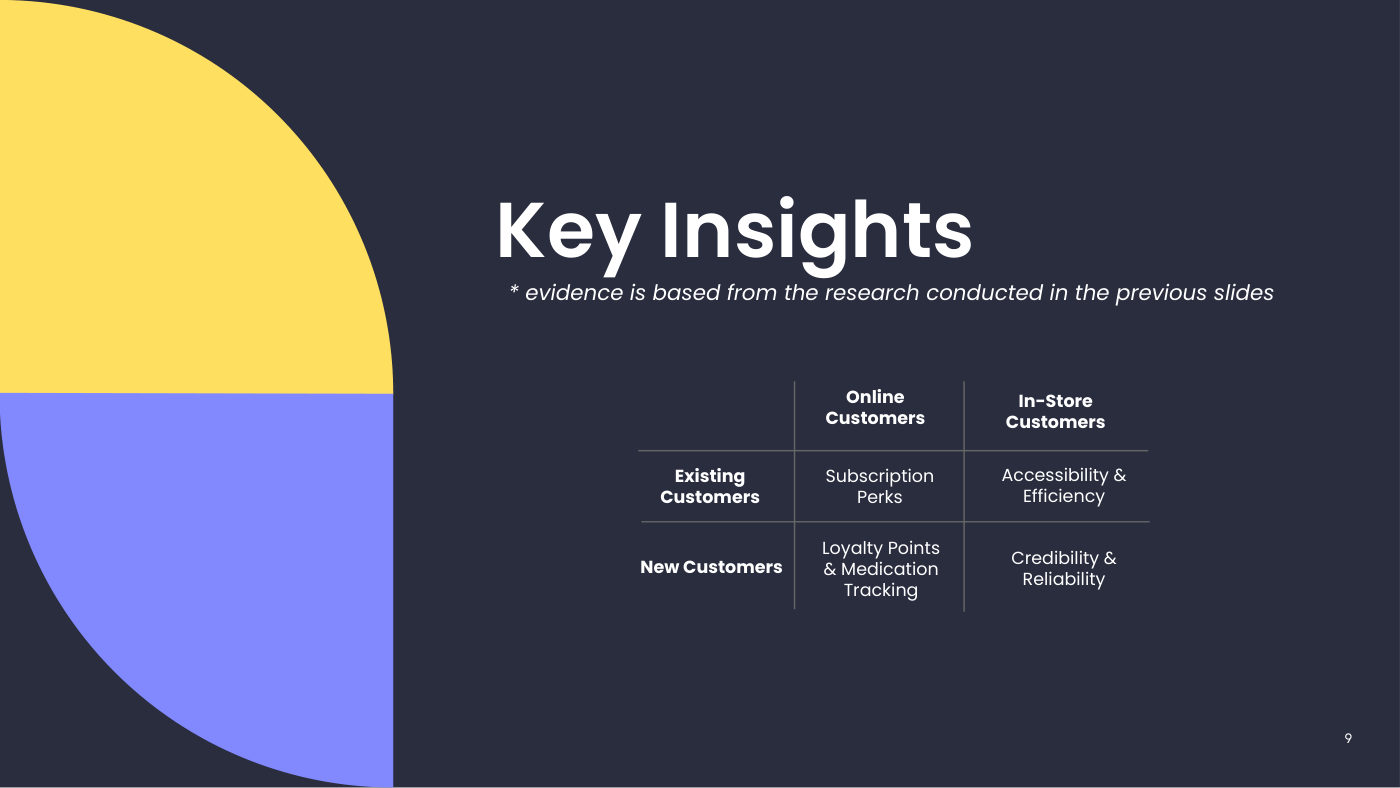
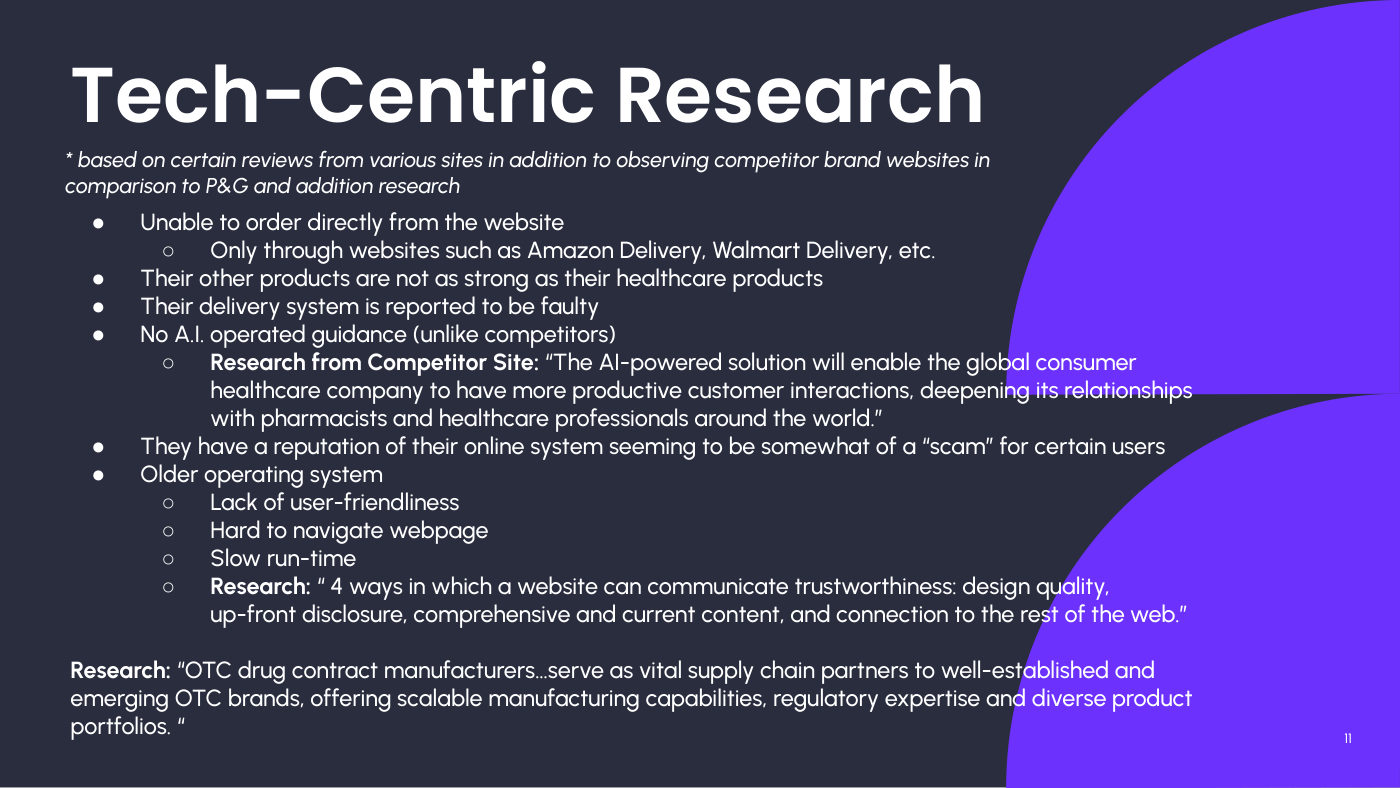
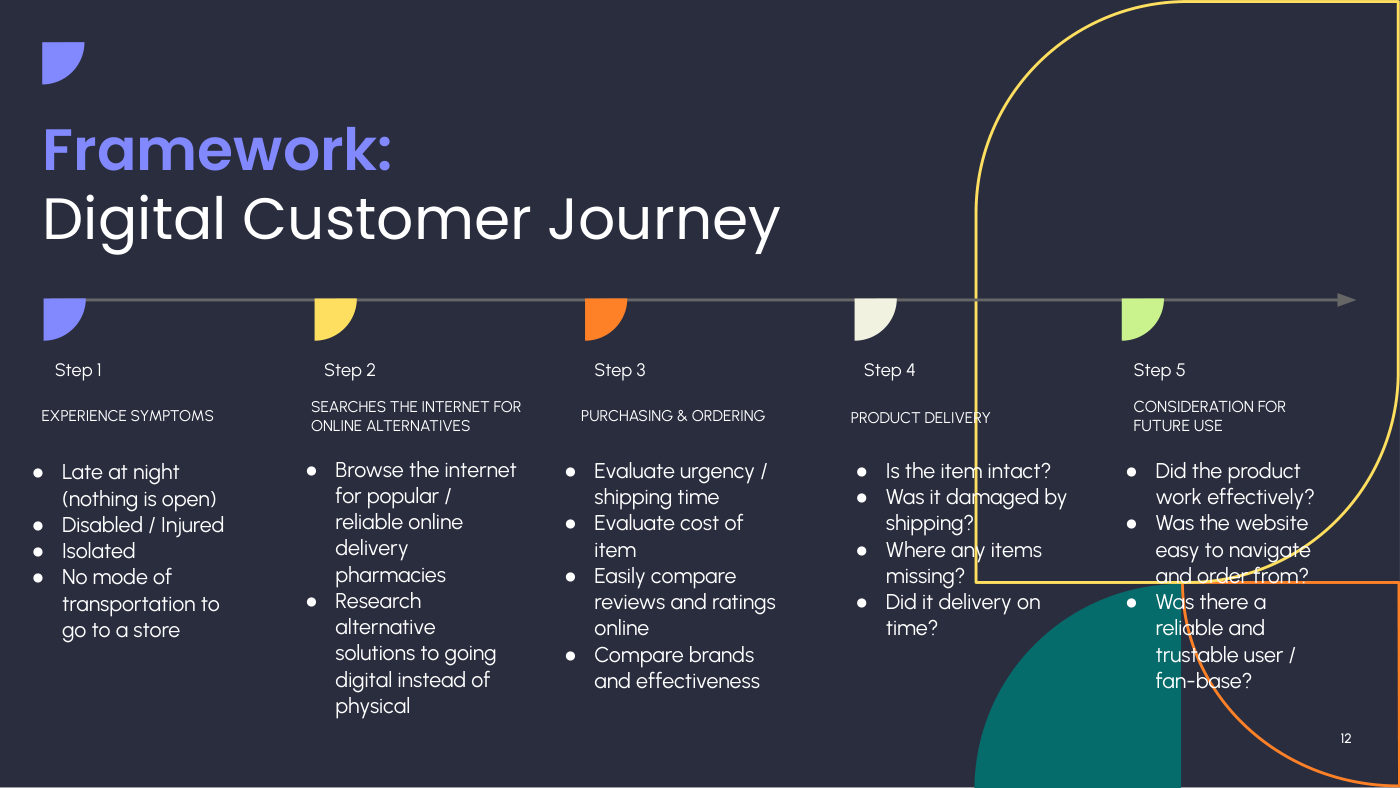
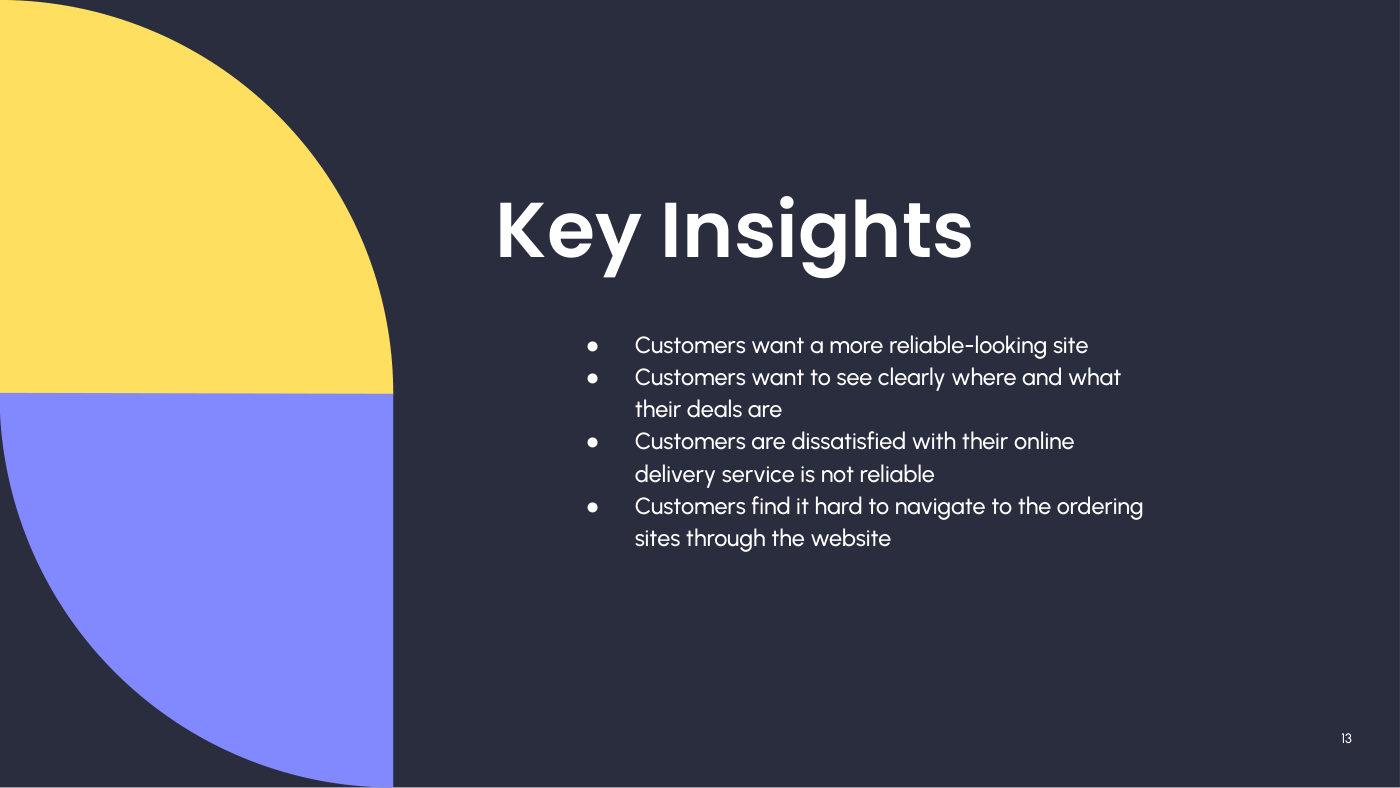
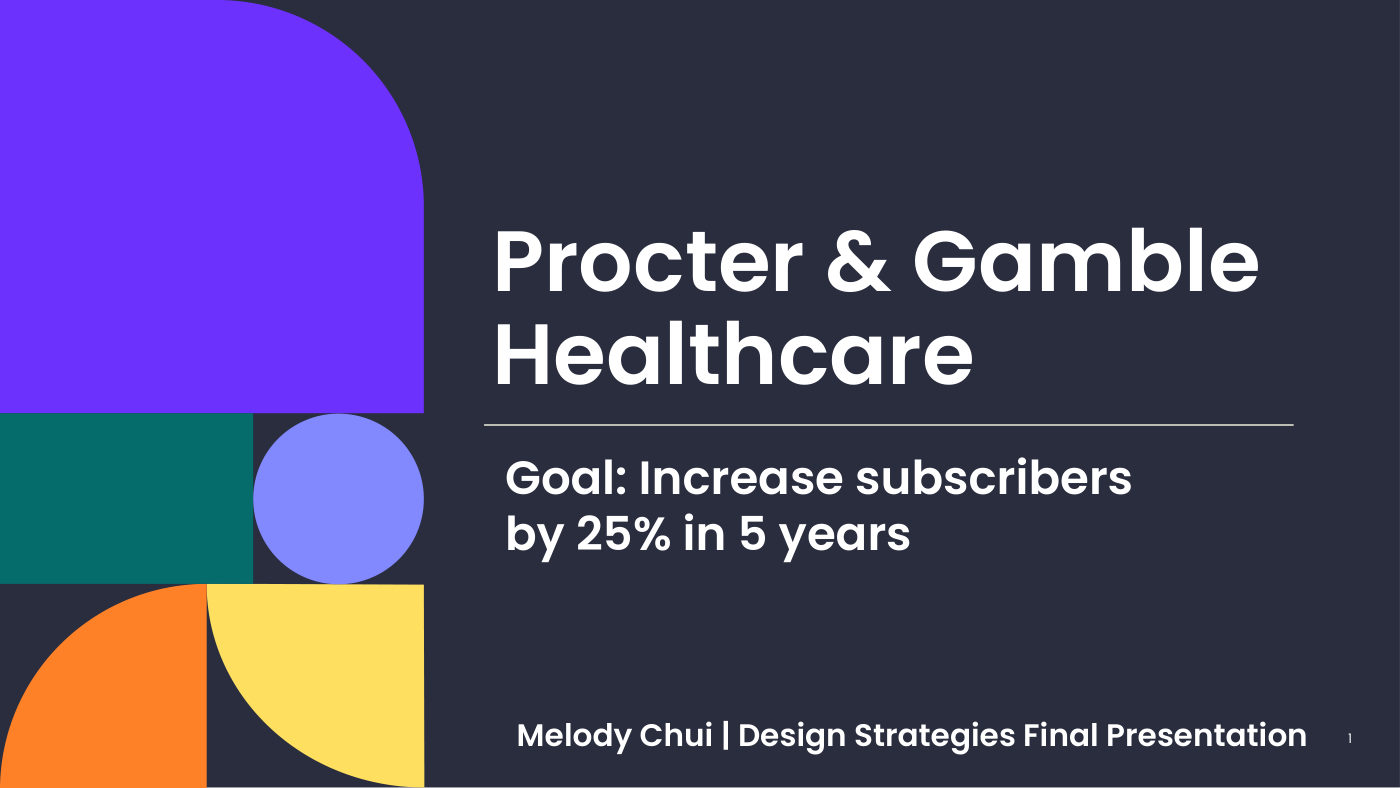
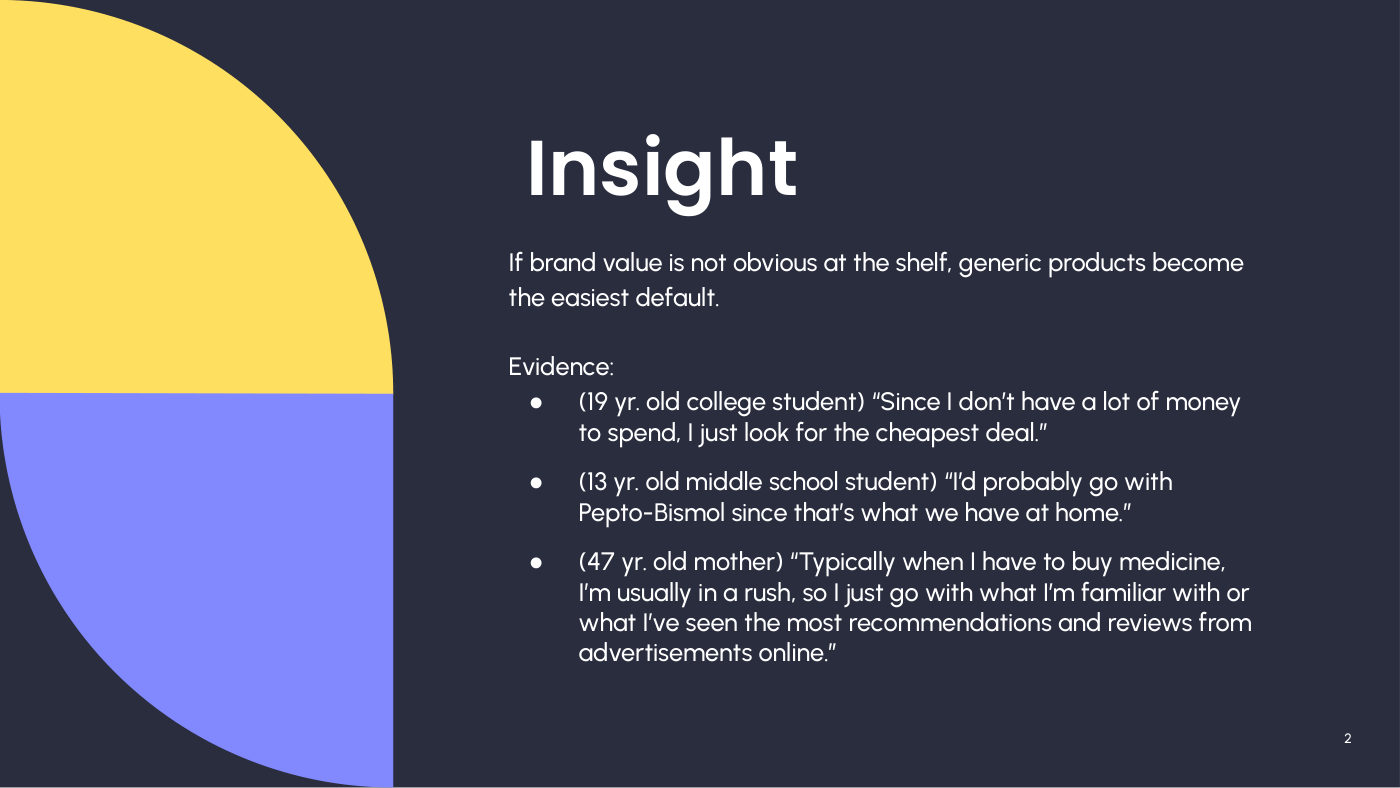
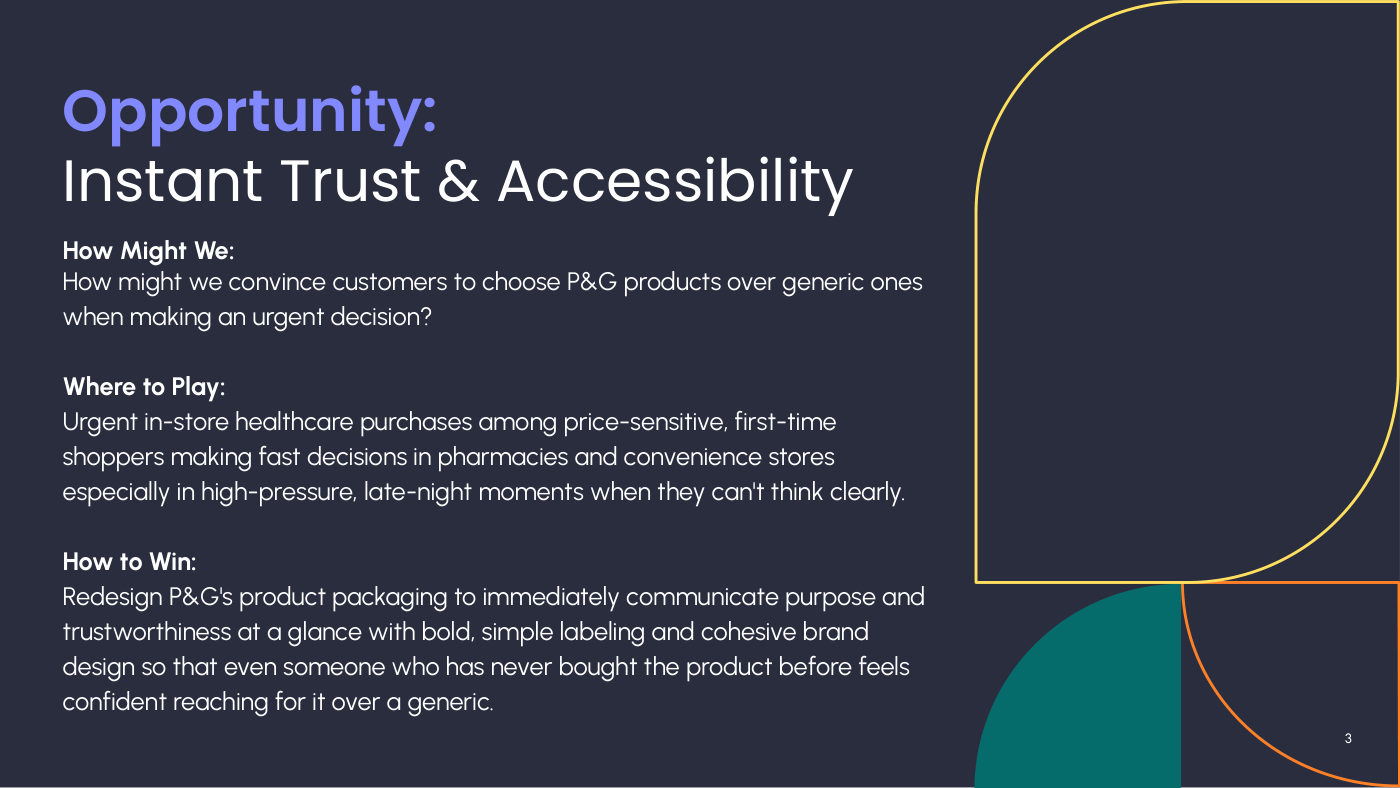
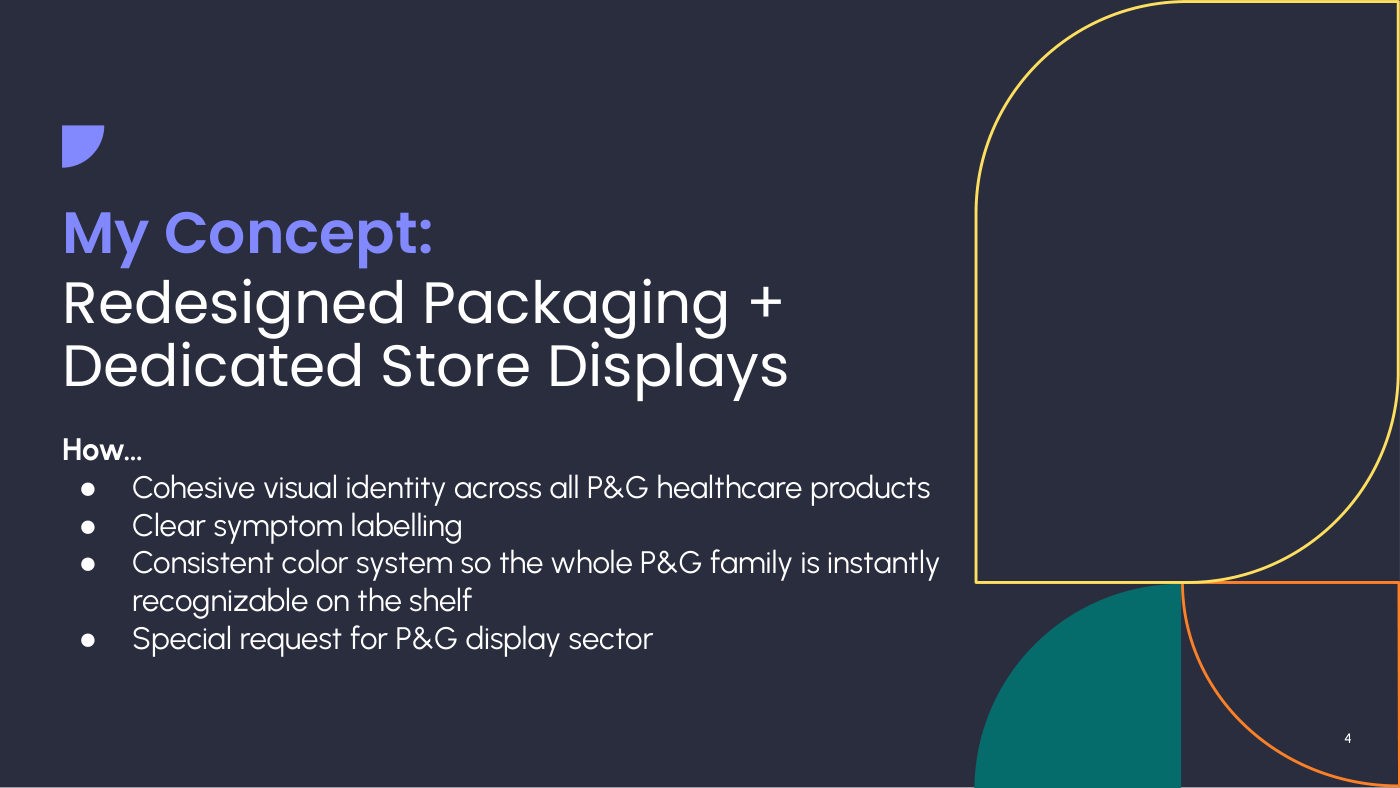
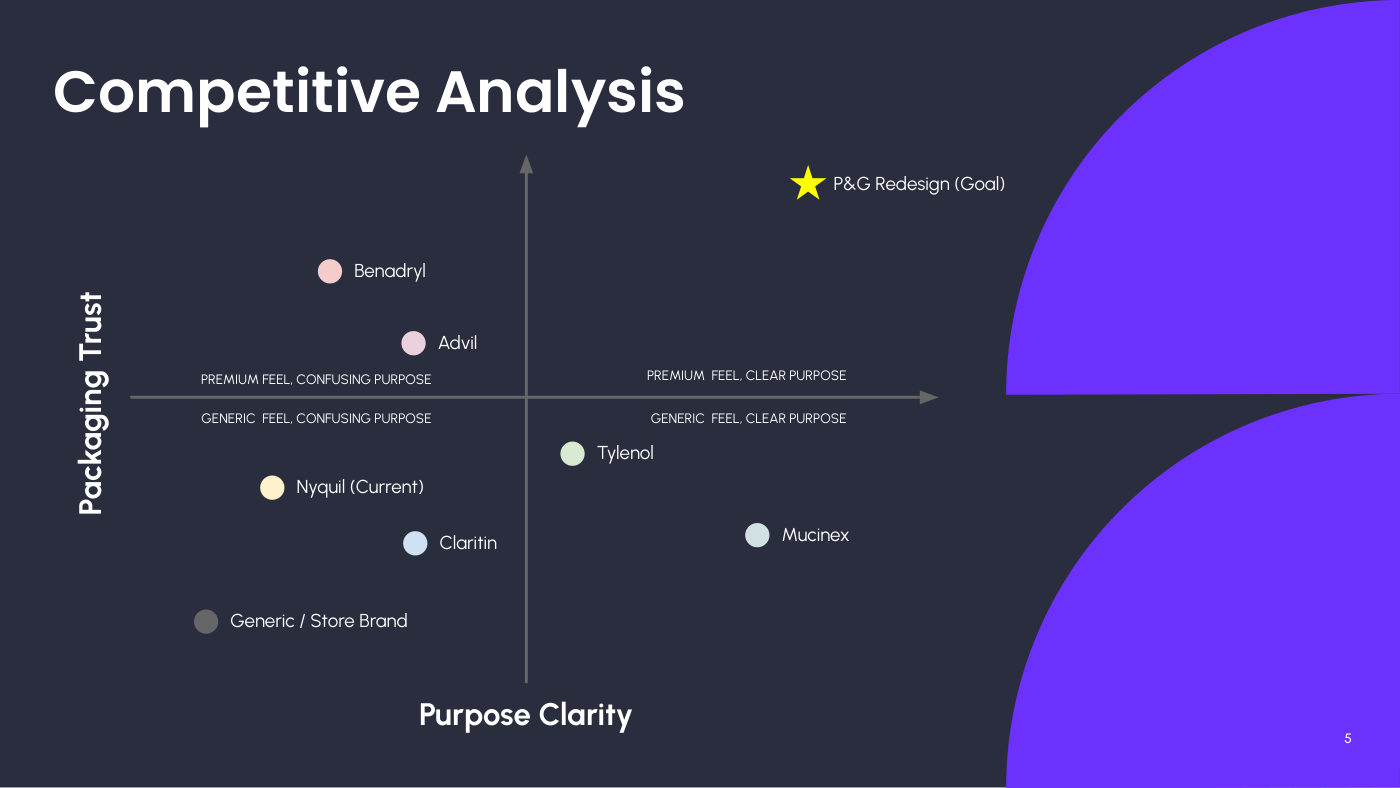
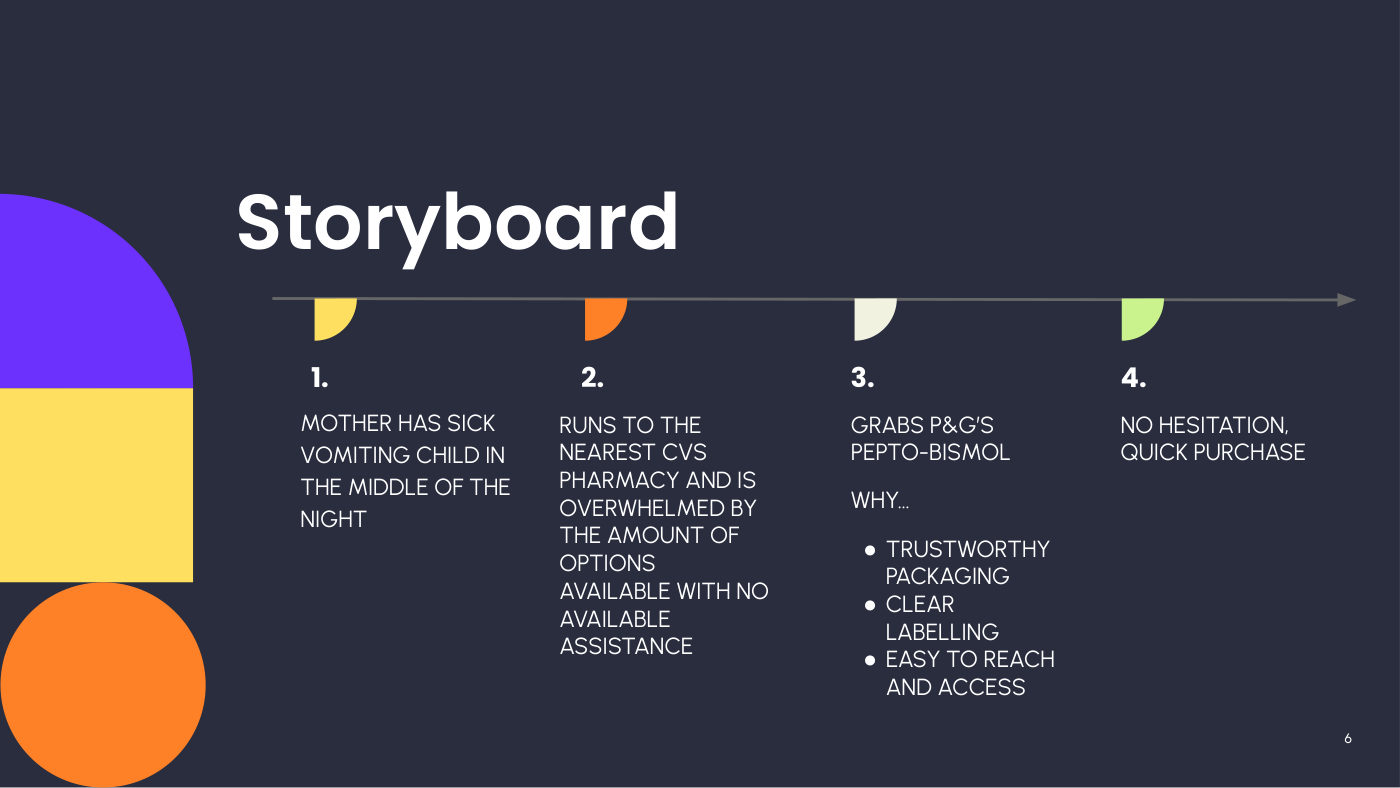
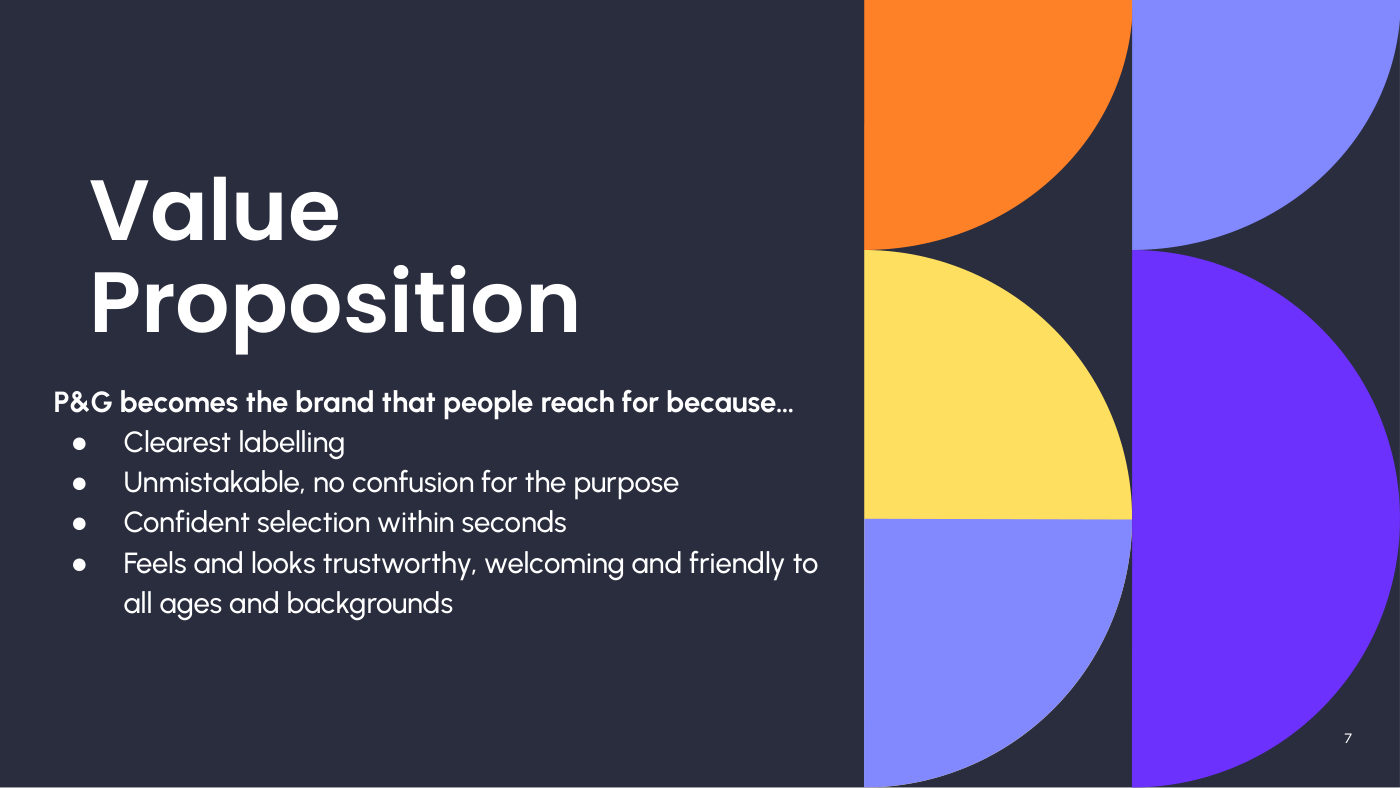
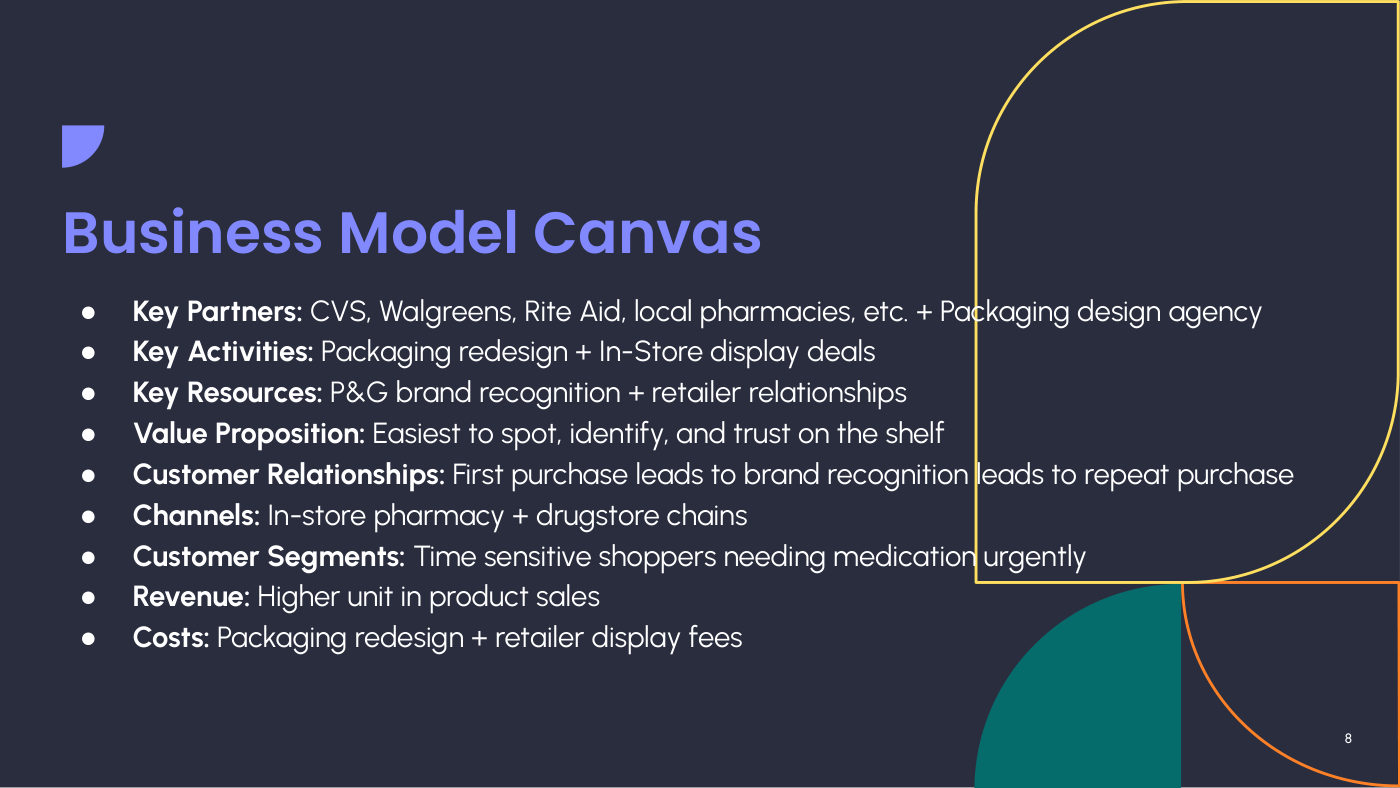
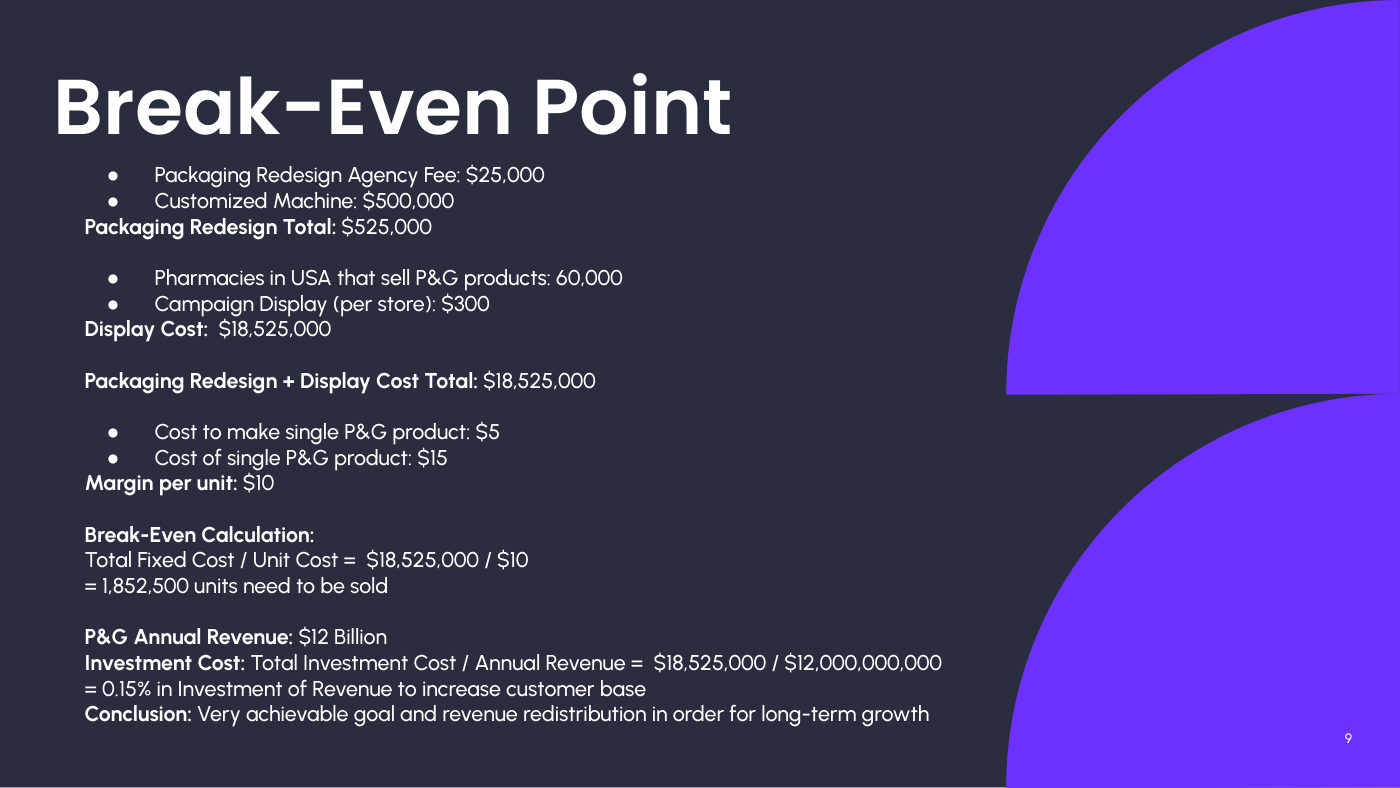
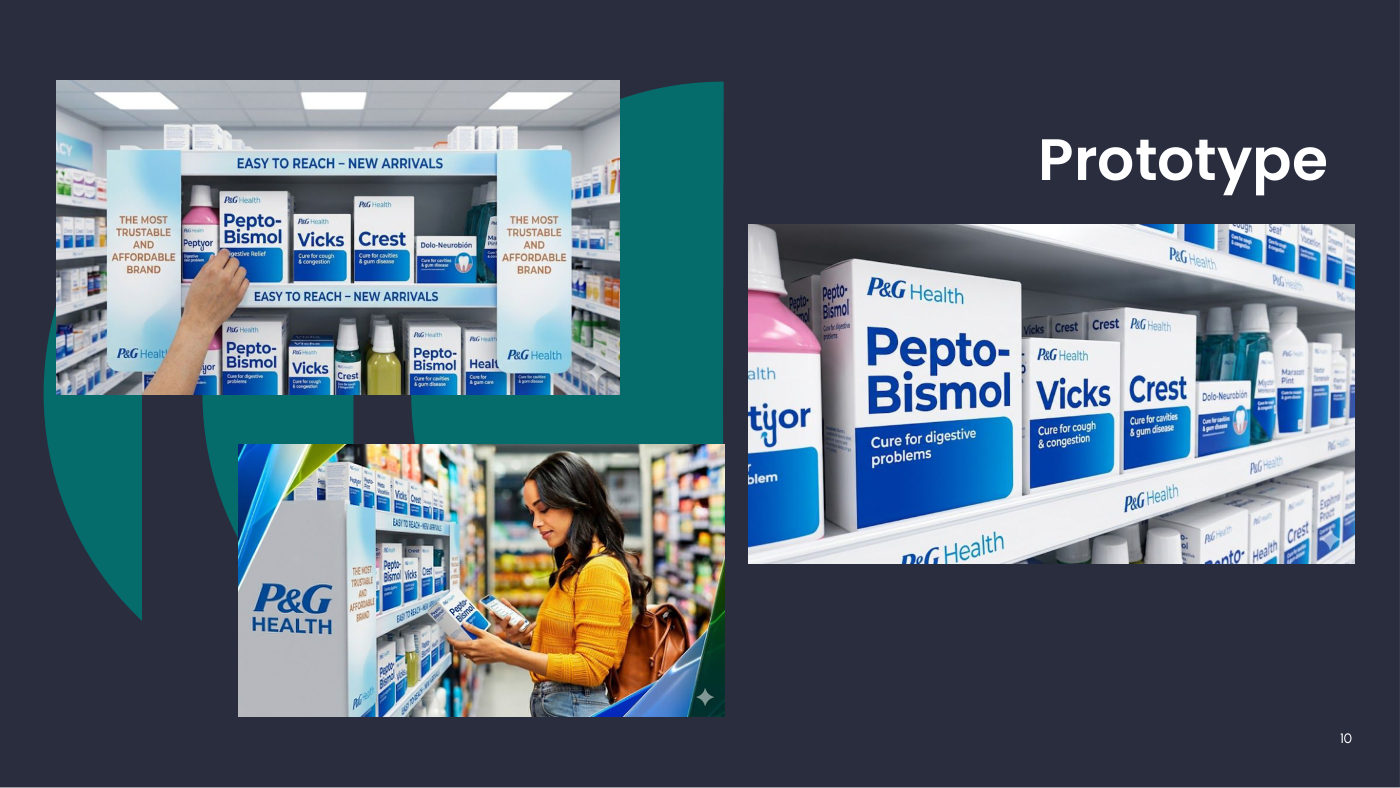
Brand strategy built on user research. For Procter & Gamble Healthcare, in-store observation and interviews showed that price-sensitive shoppers in a hurry reach for generic medicine. The concept: redesigned packaging with clear symptom labels and one color system, plus dedicated store displays, so P&G products earn trust at a glance.
Recording, editing and mixing sound: field recording, sound design, music and audio storytelling, ending with a final project that pairs sound with picture.
Final project
Drawing with code in Processing and p5.js: shapes, color, variables, functions, loops and interaction. The sketches grow from a tile texture of ripples and cards, to an animated funky mouse, to an interactive bookshelf: push the books off the screen, then click through the stages. My midterm and final projects come first, and everything runs live below.
Turning an idea into a venture: finding a problem worth solving, testing it with customers and building a business model. The team project, Archivoral, is a platform for building trust and transparency around valuable items by connecting owners with verified experts. The final pitch deck and the one-pager are below.
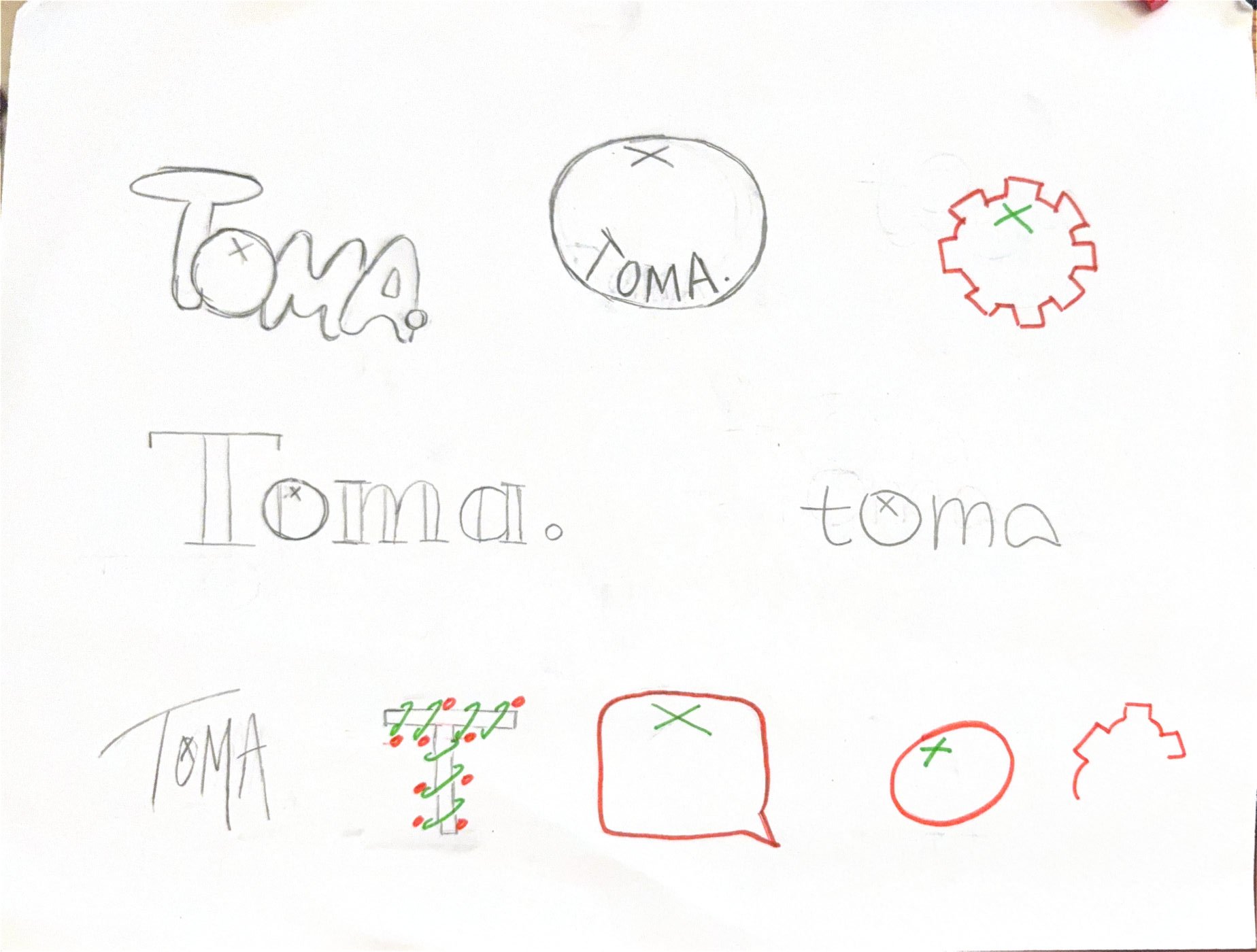
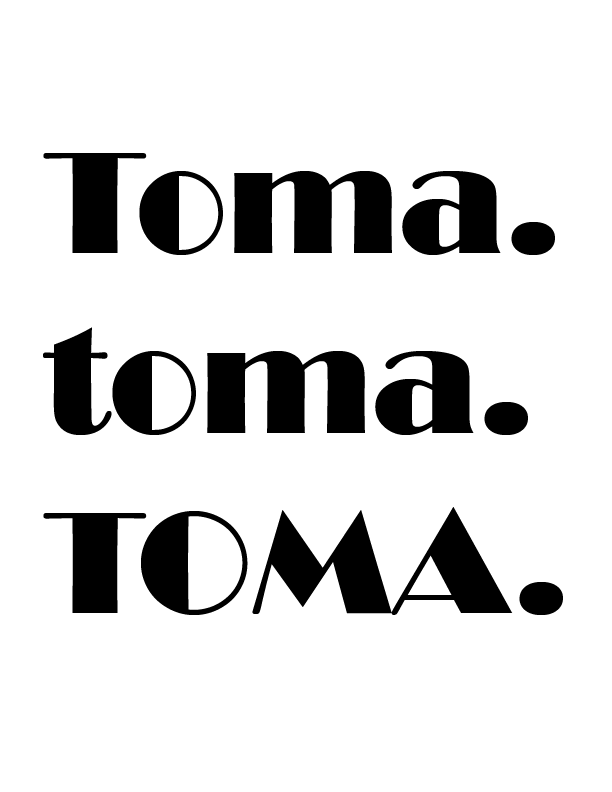
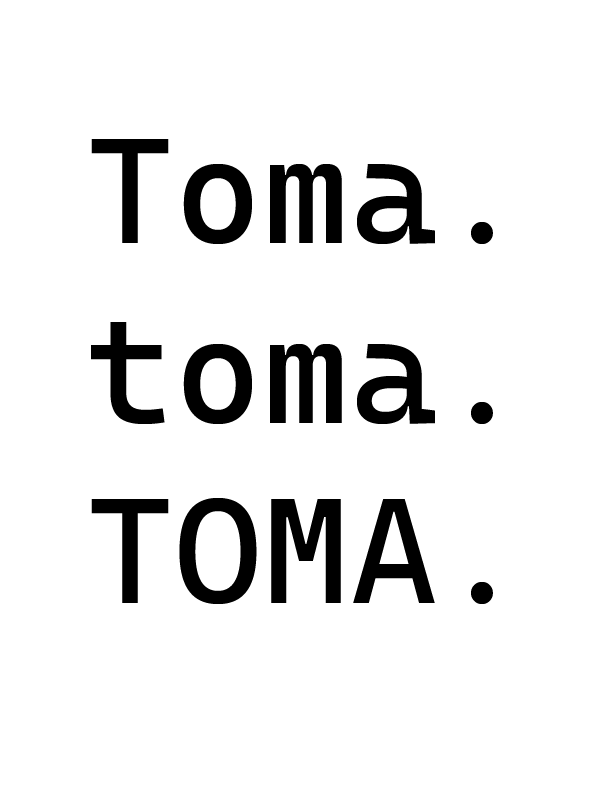
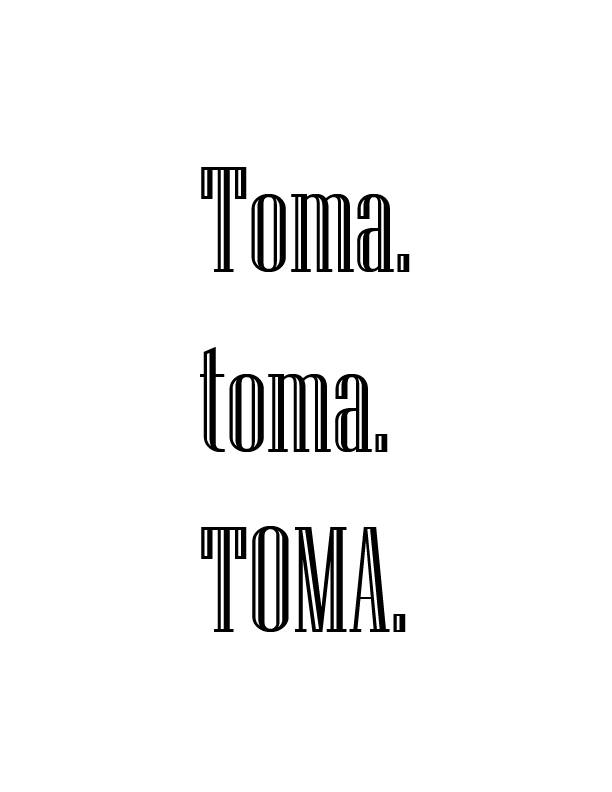
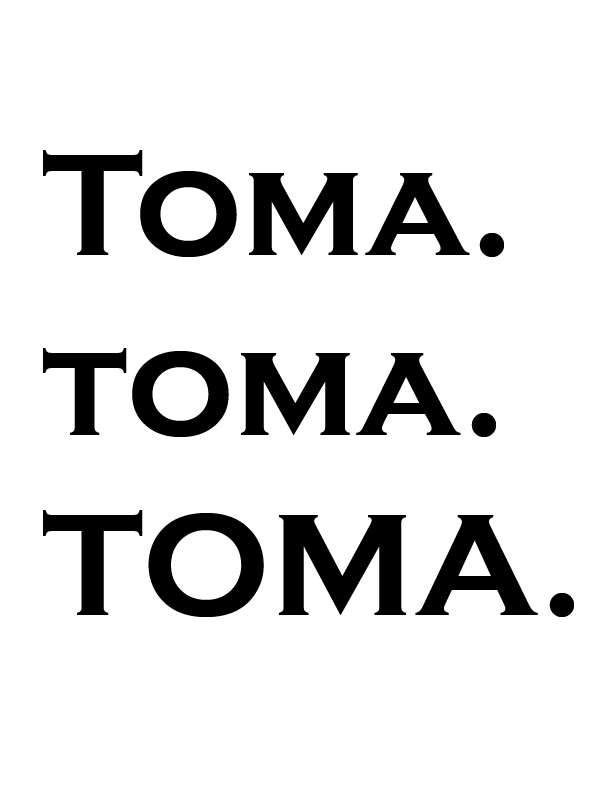
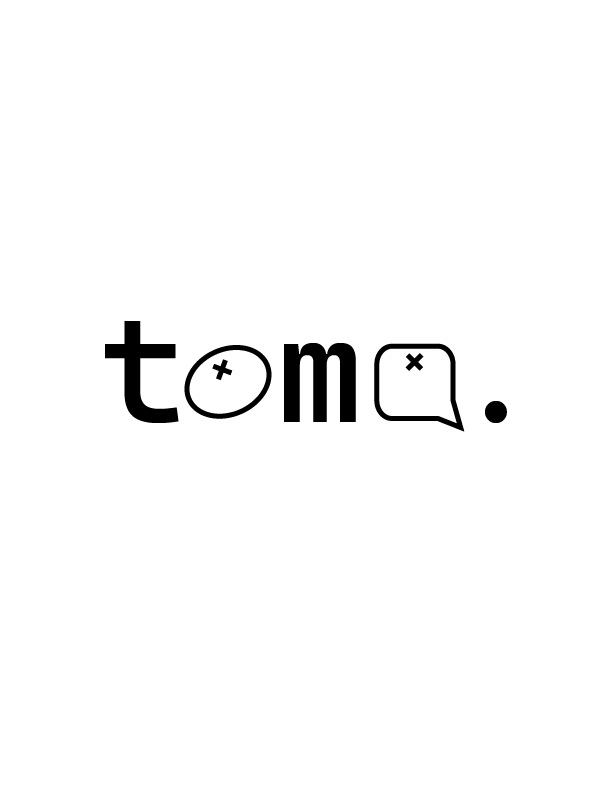
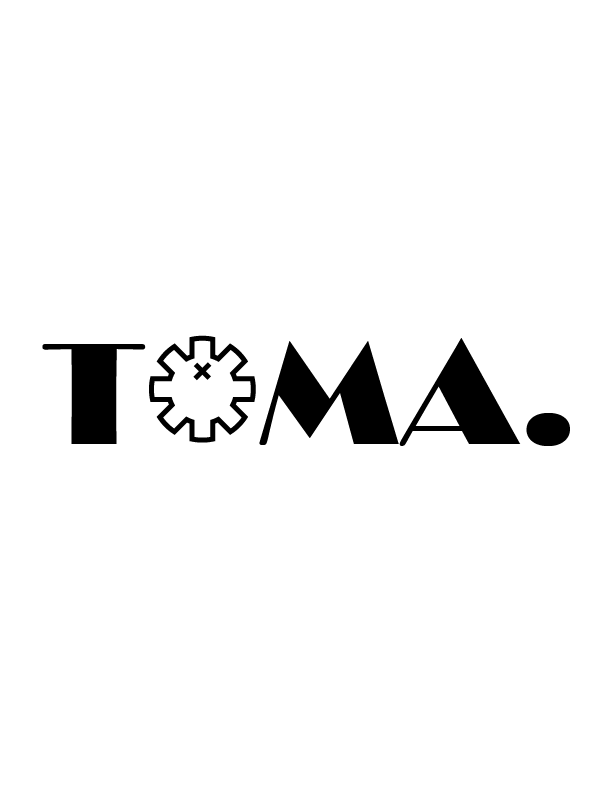
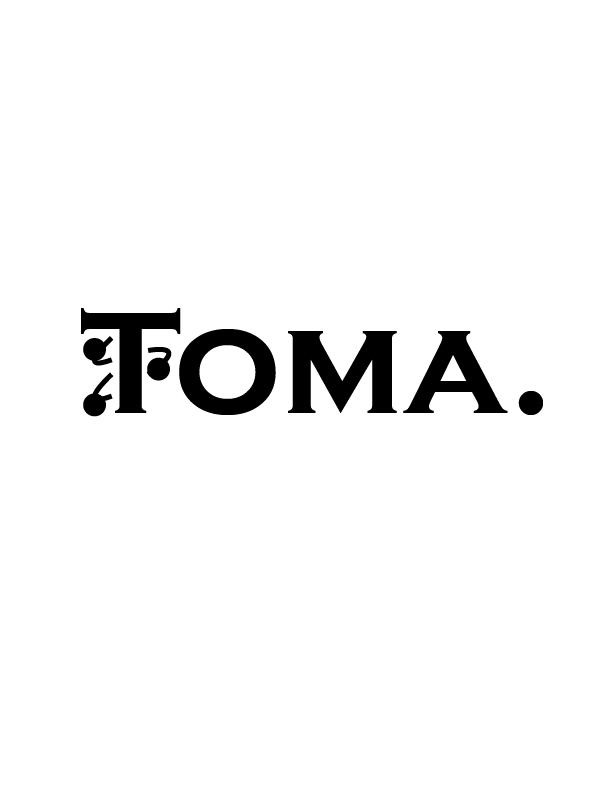
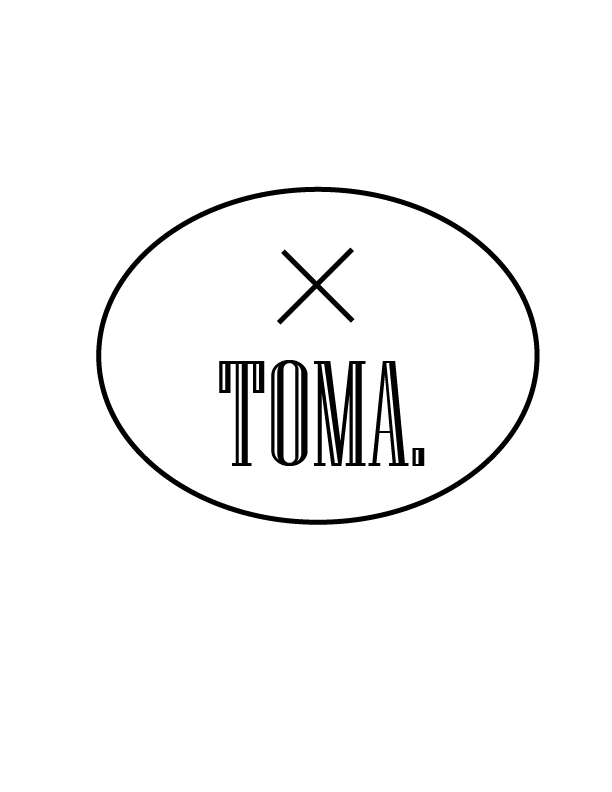
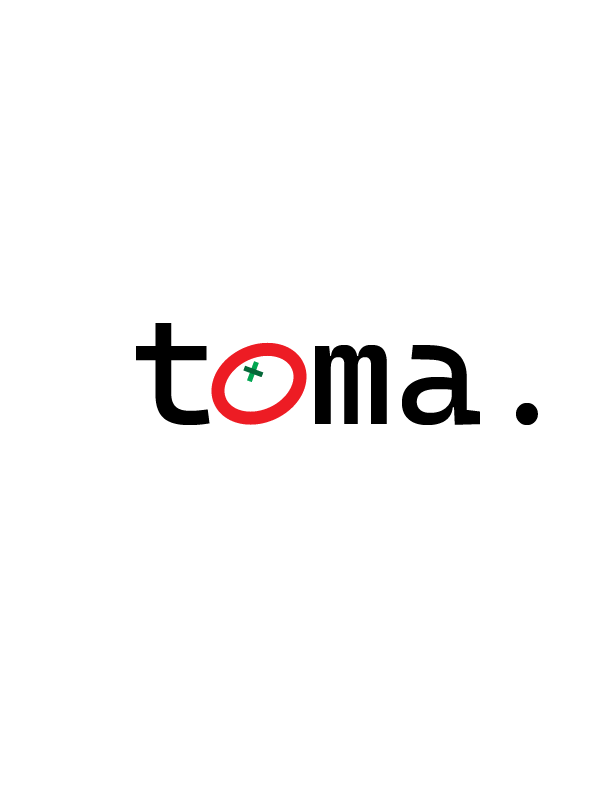
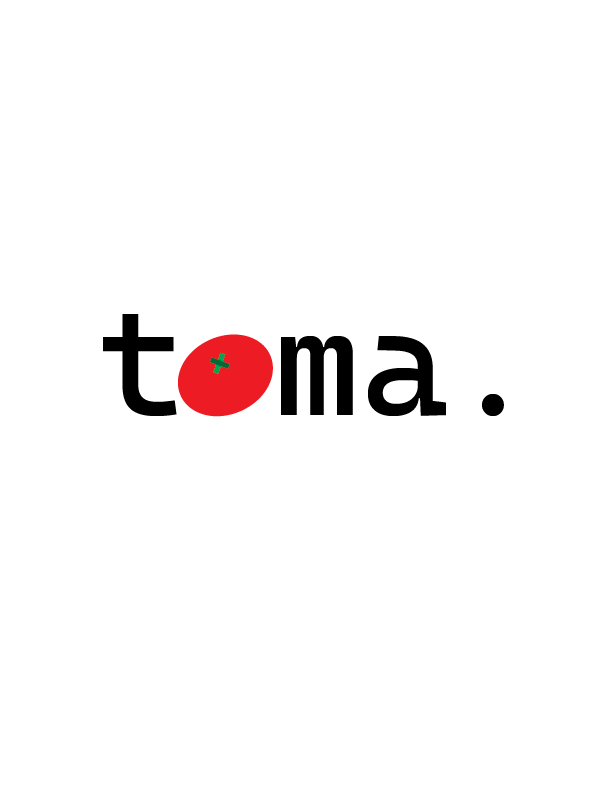
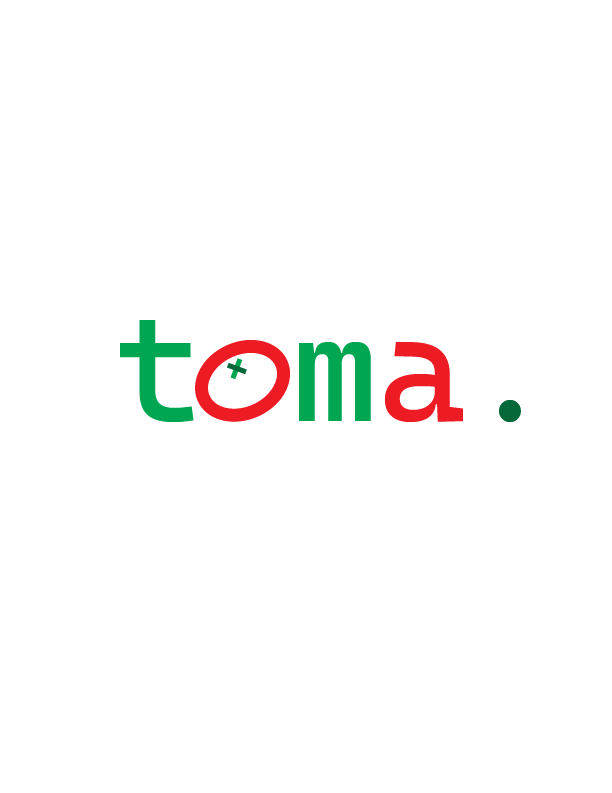
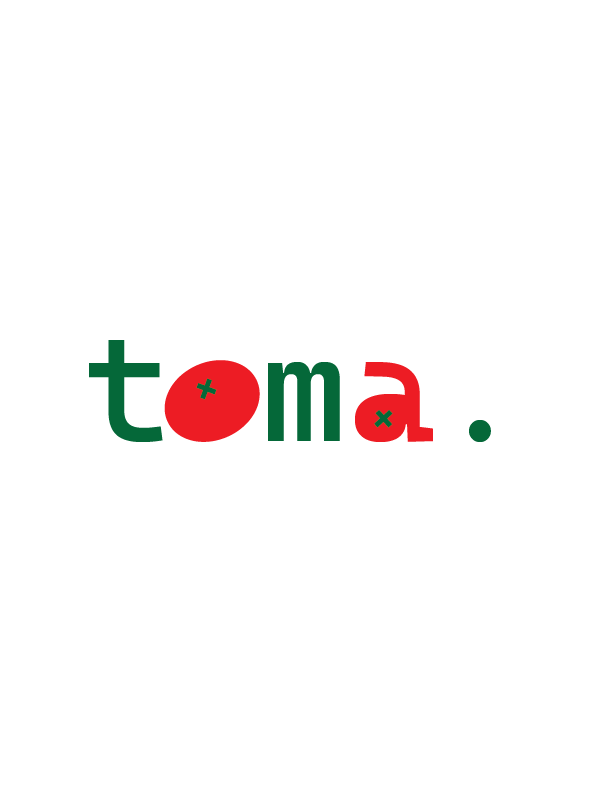
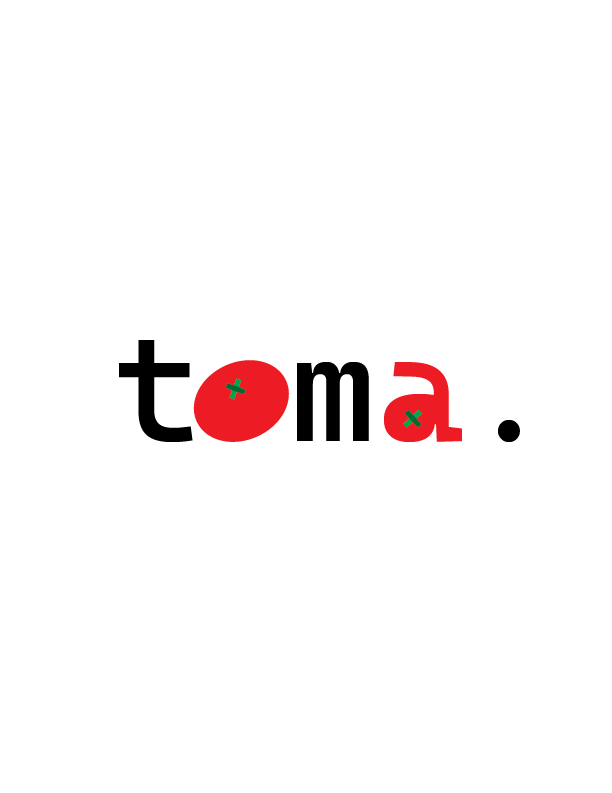
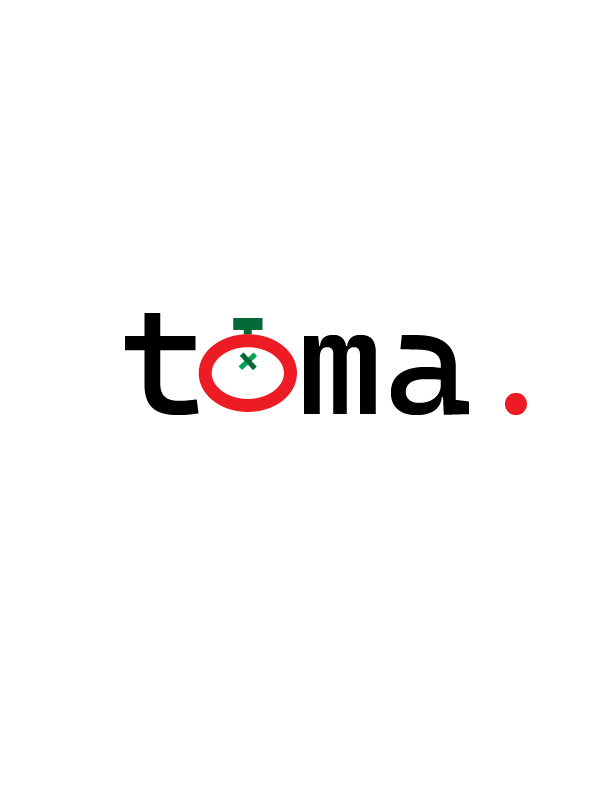
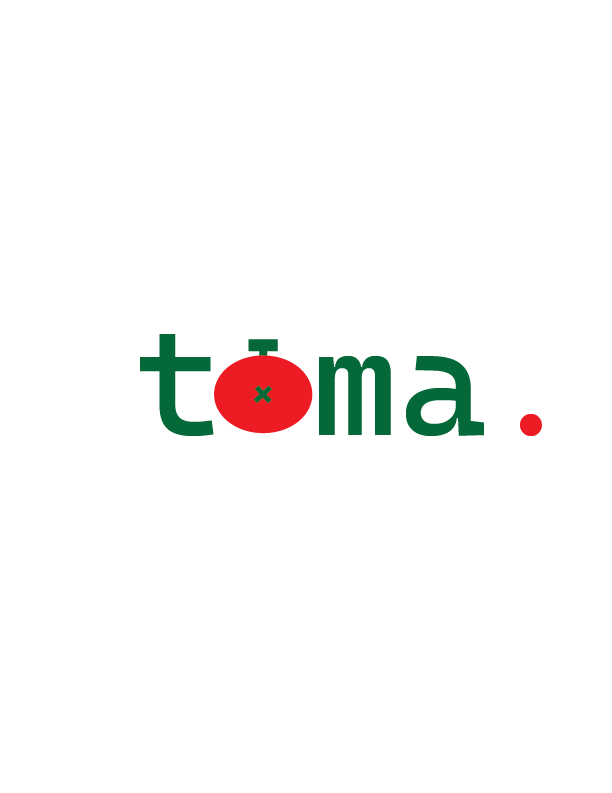
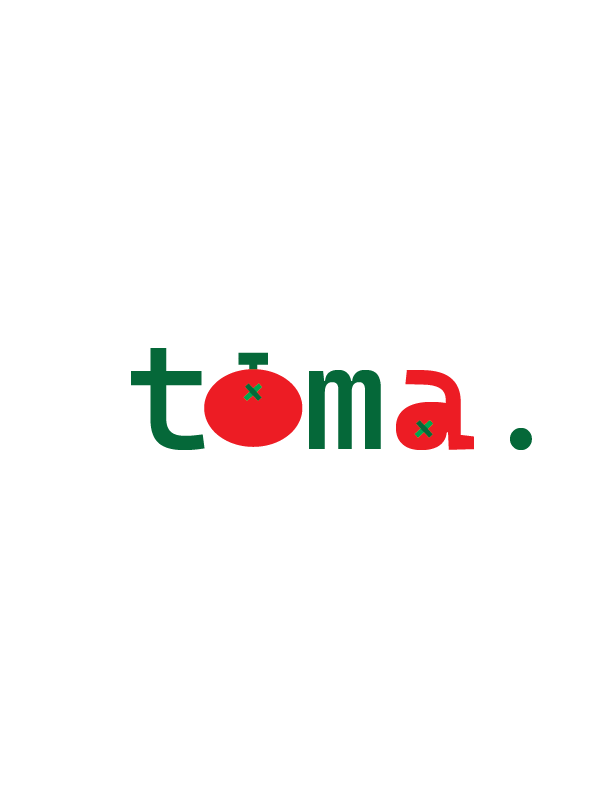
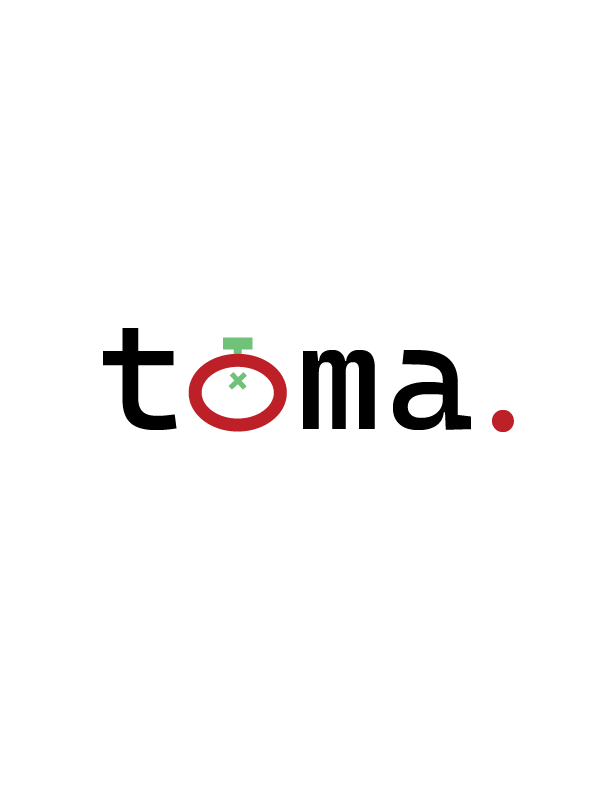
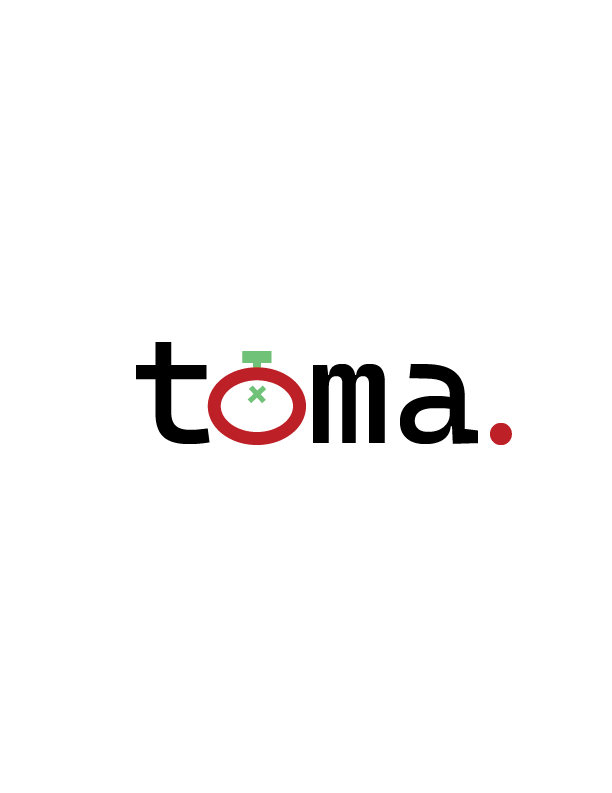
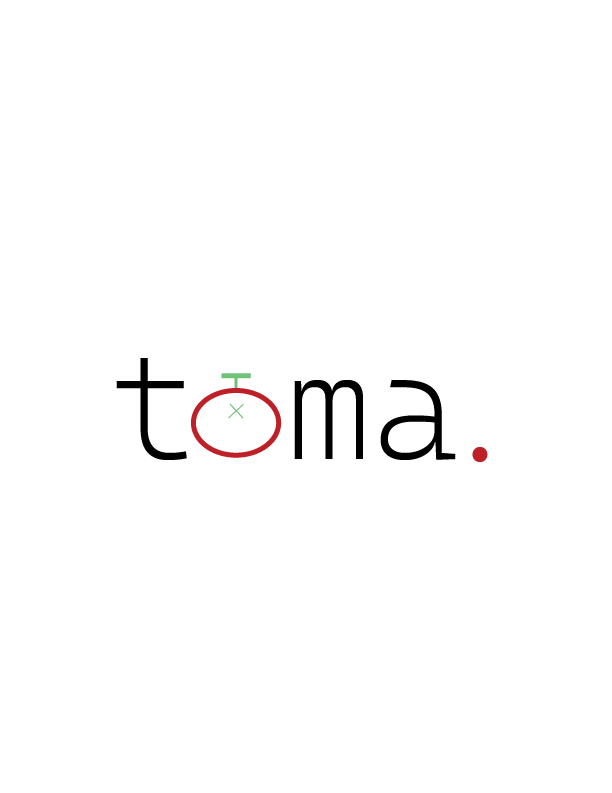
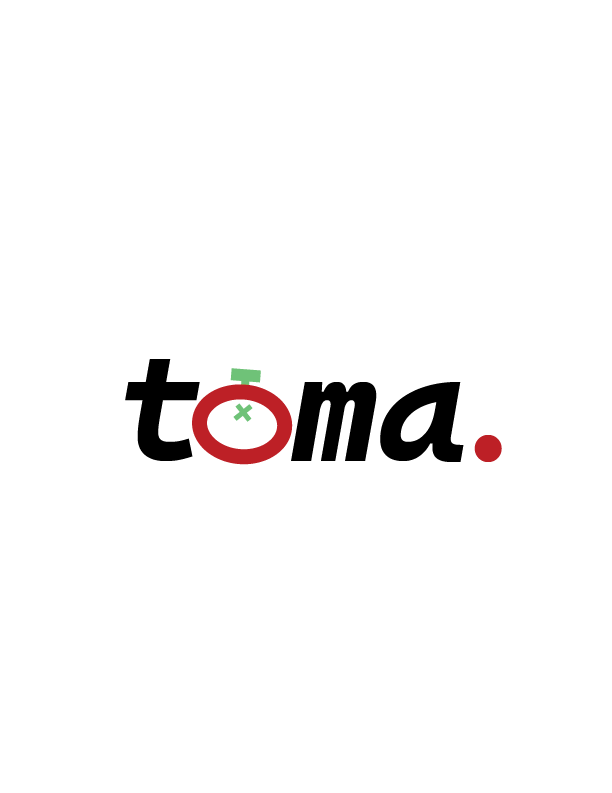
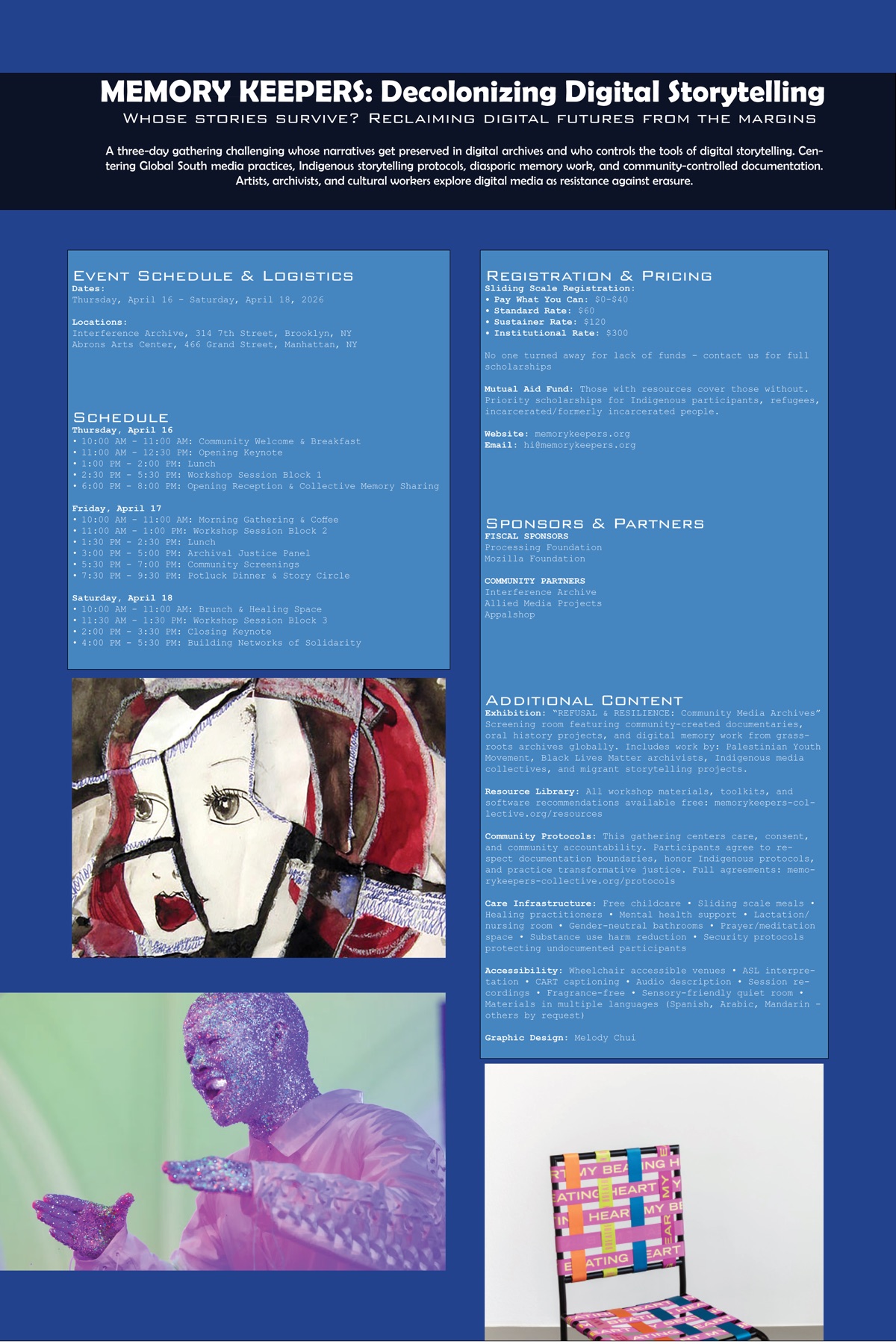
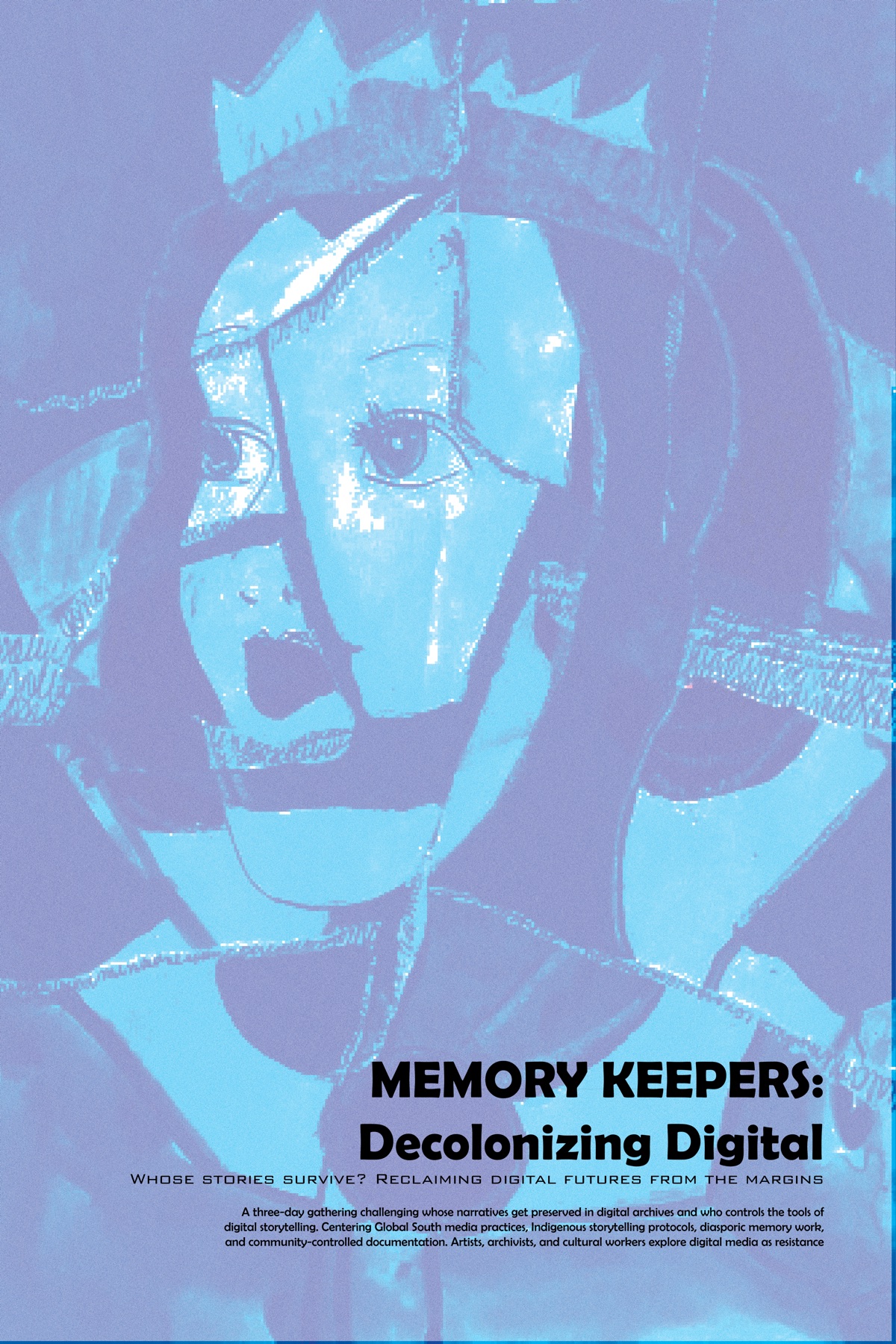
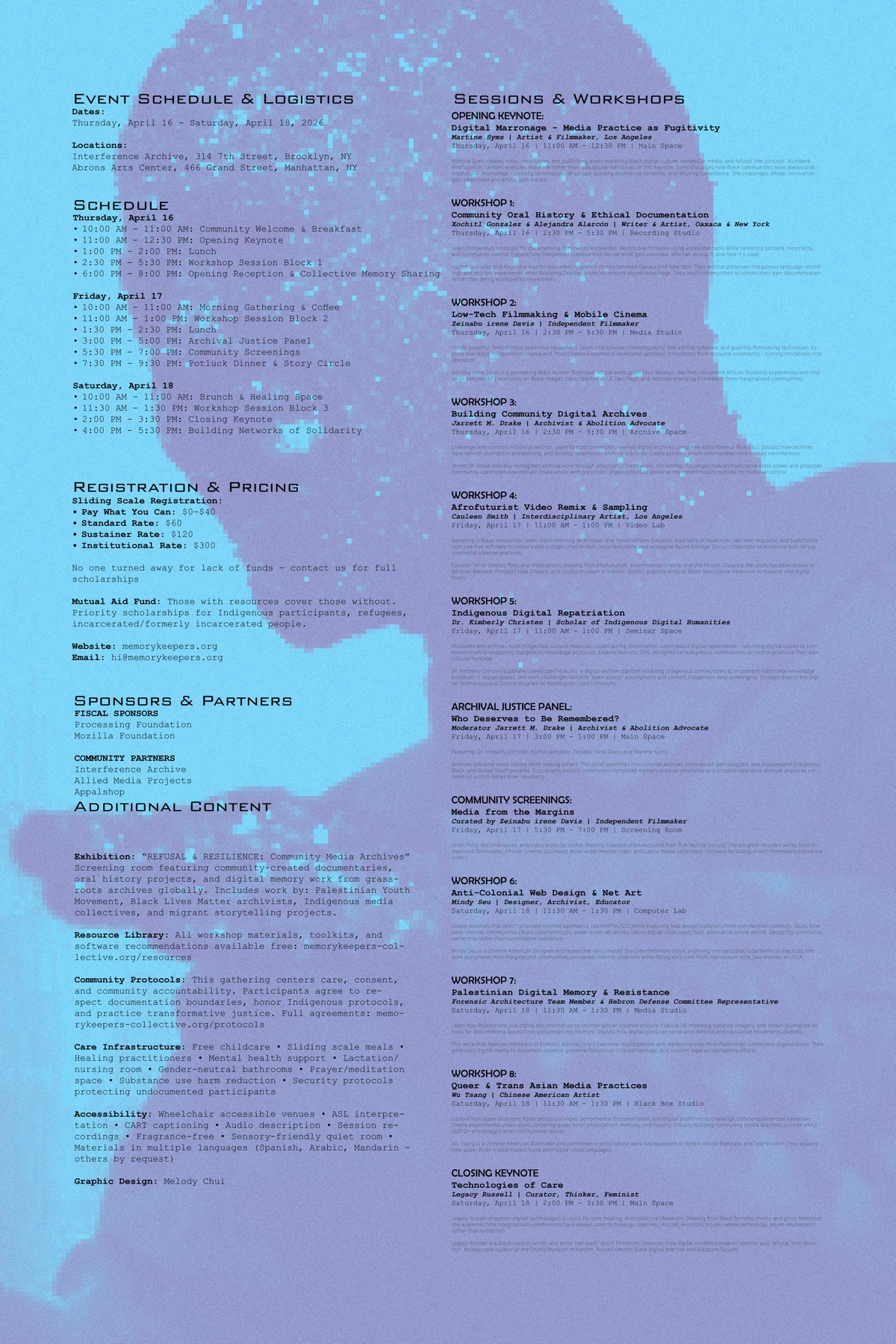
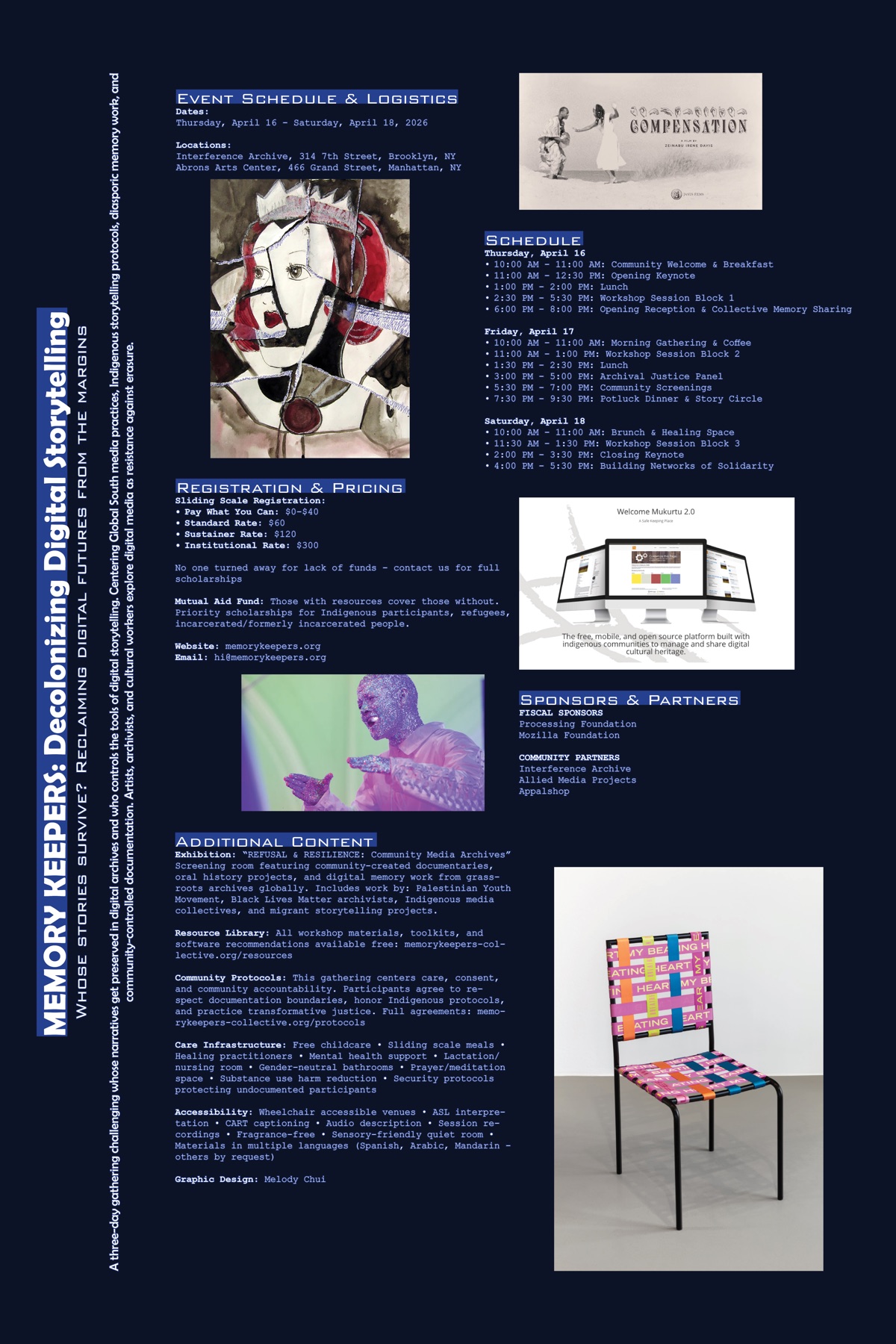
The basics of visual design: composition, typography, color and working in Figma. Two main projects: toma., a brand identity developed through hand-drawn concepts and three rounds of logo options, and Memory Keepers, a conference design taken from first draft to a final mockup.



Photography and moving image: shooting and editing photo sets, a contact sheet, animated GIF studies, an animation, and a photo roman, a story told through a sequence of still photos.
Animation project
Photo Roman project

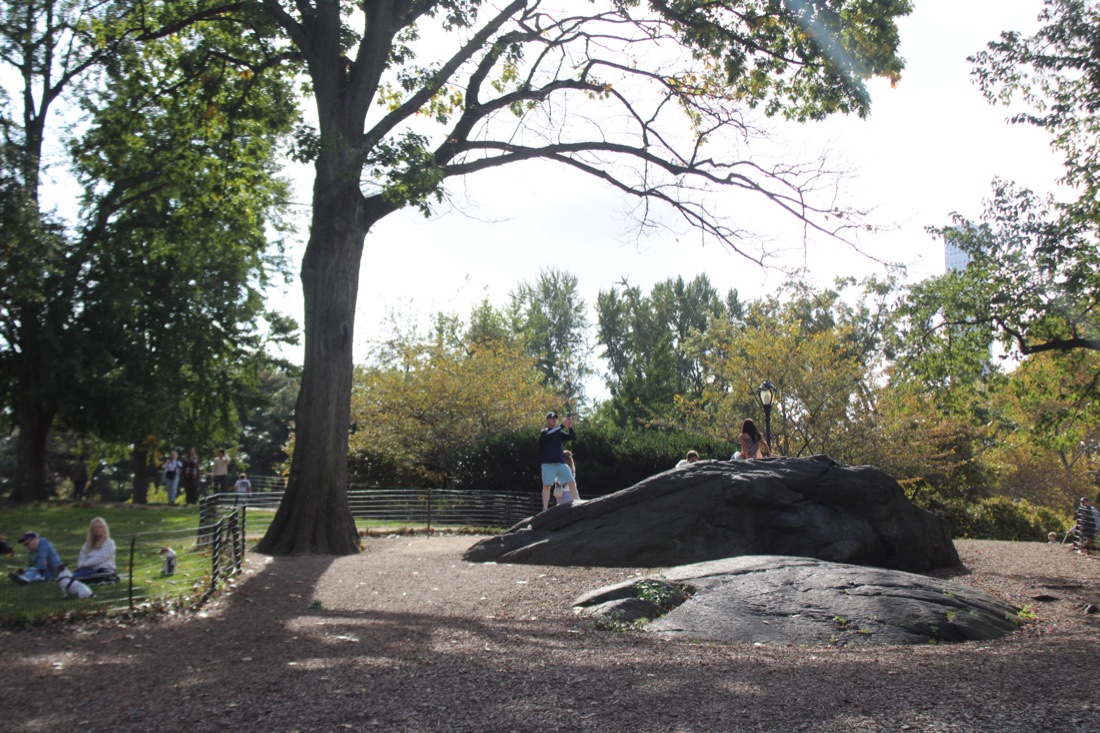
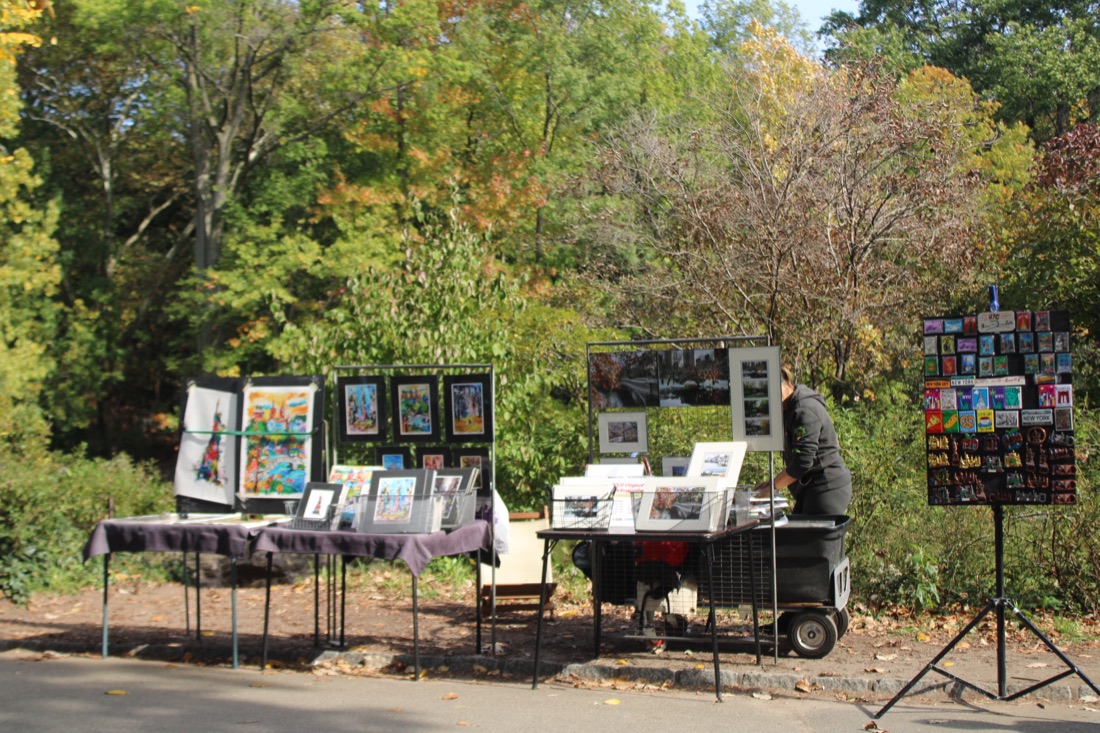
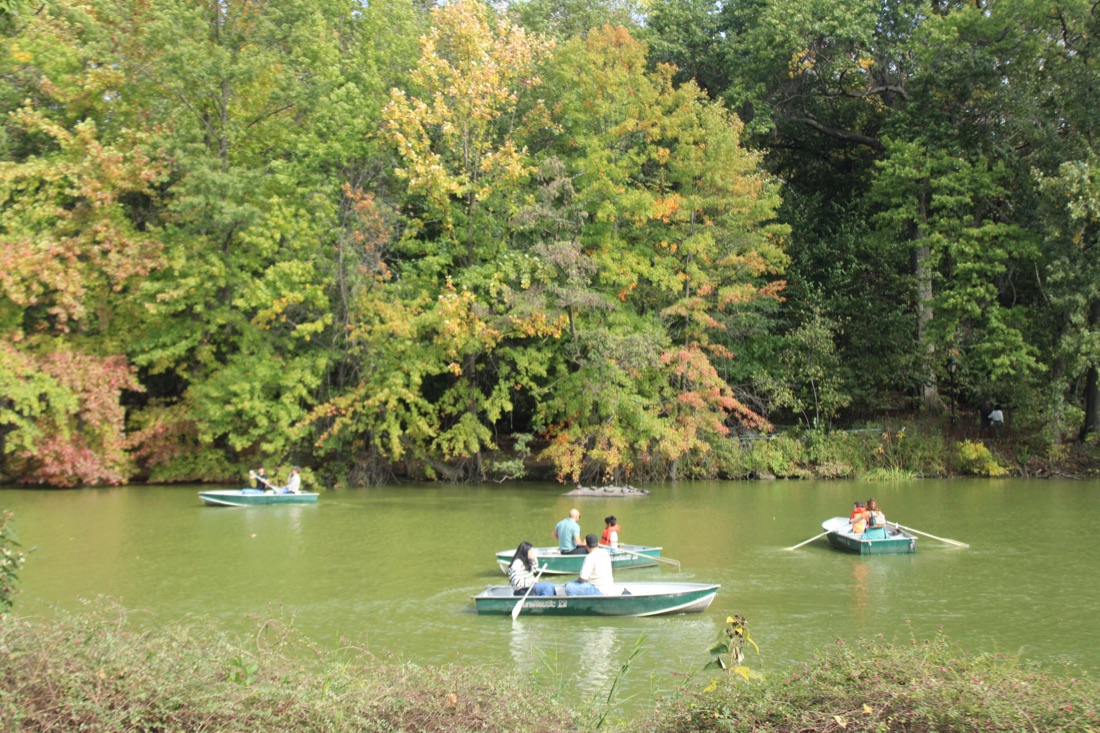
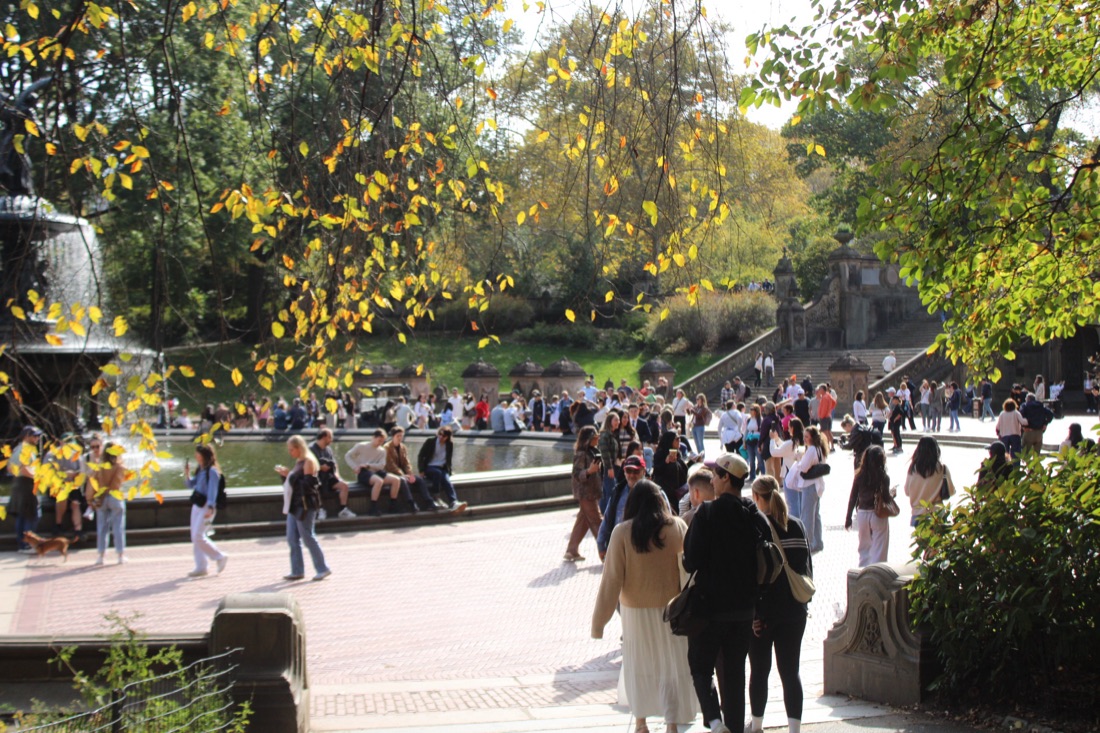
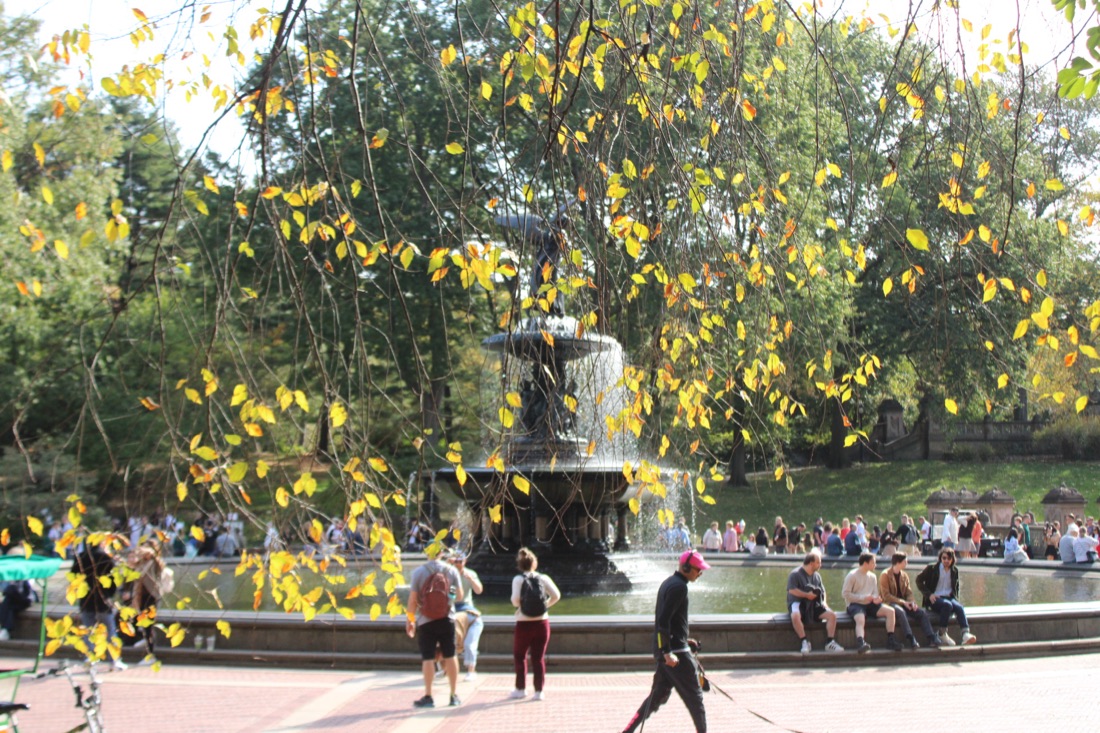
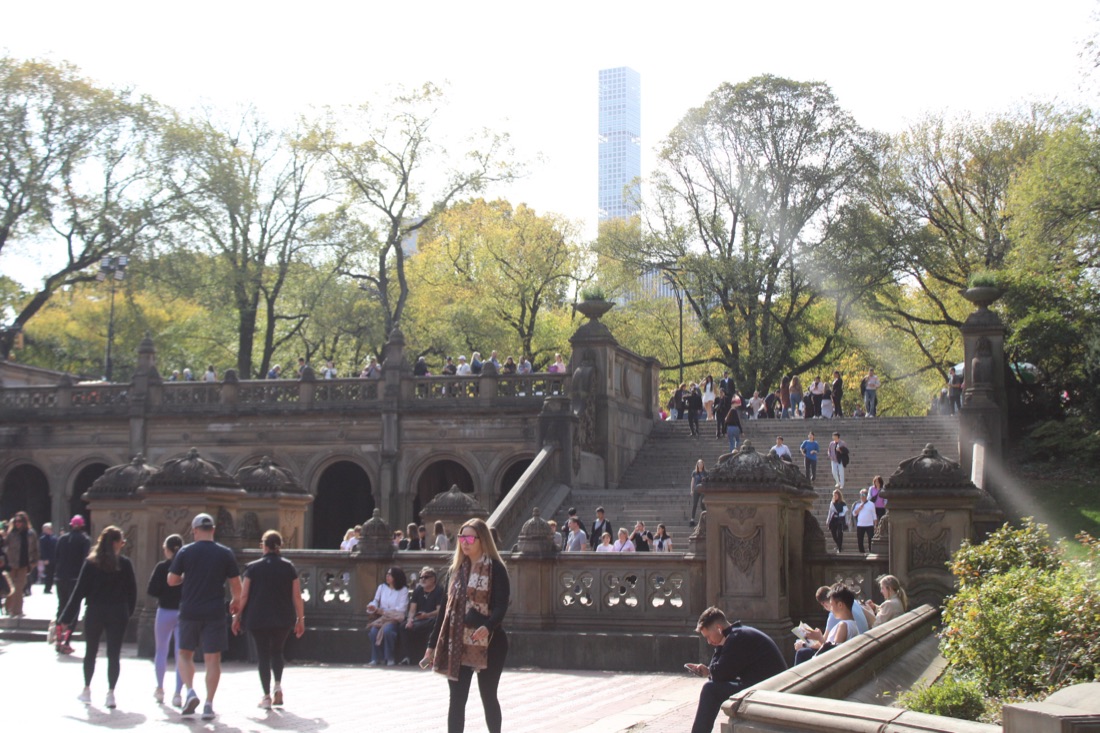
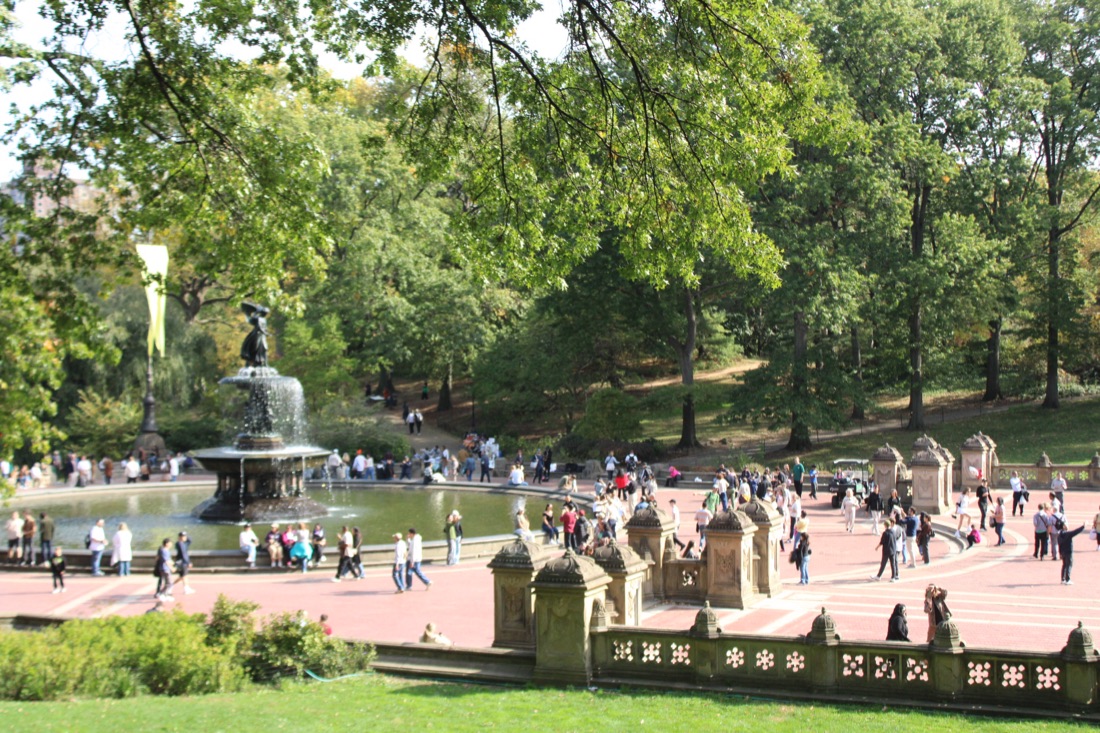
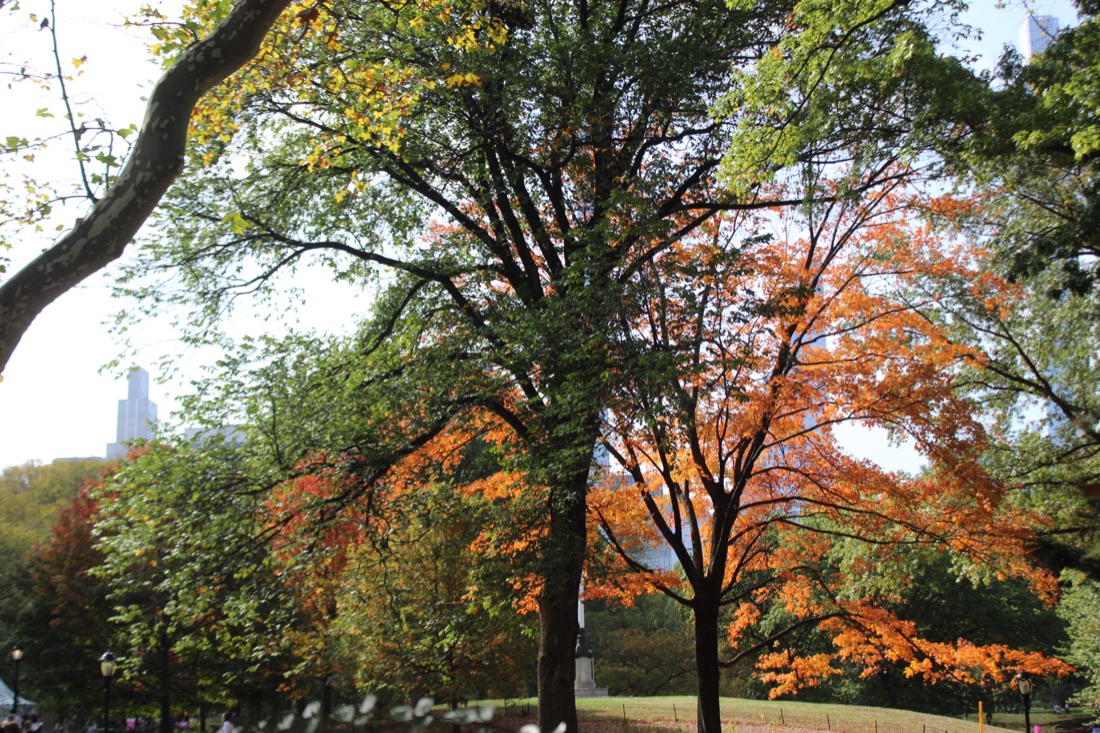
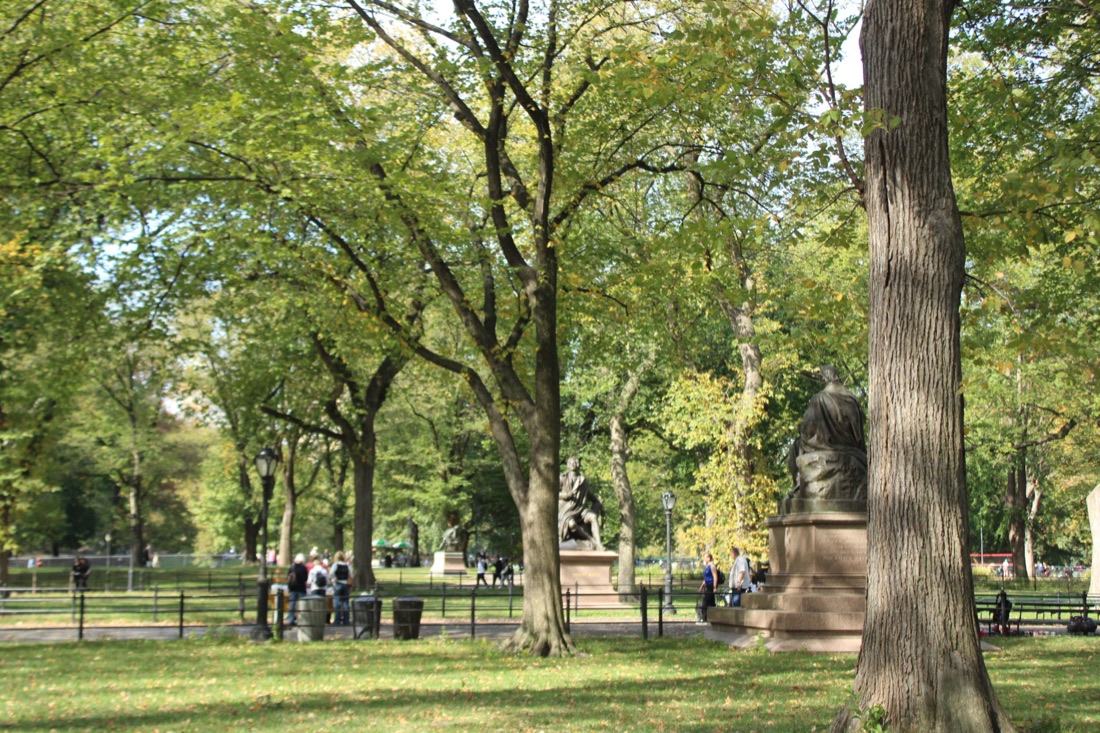
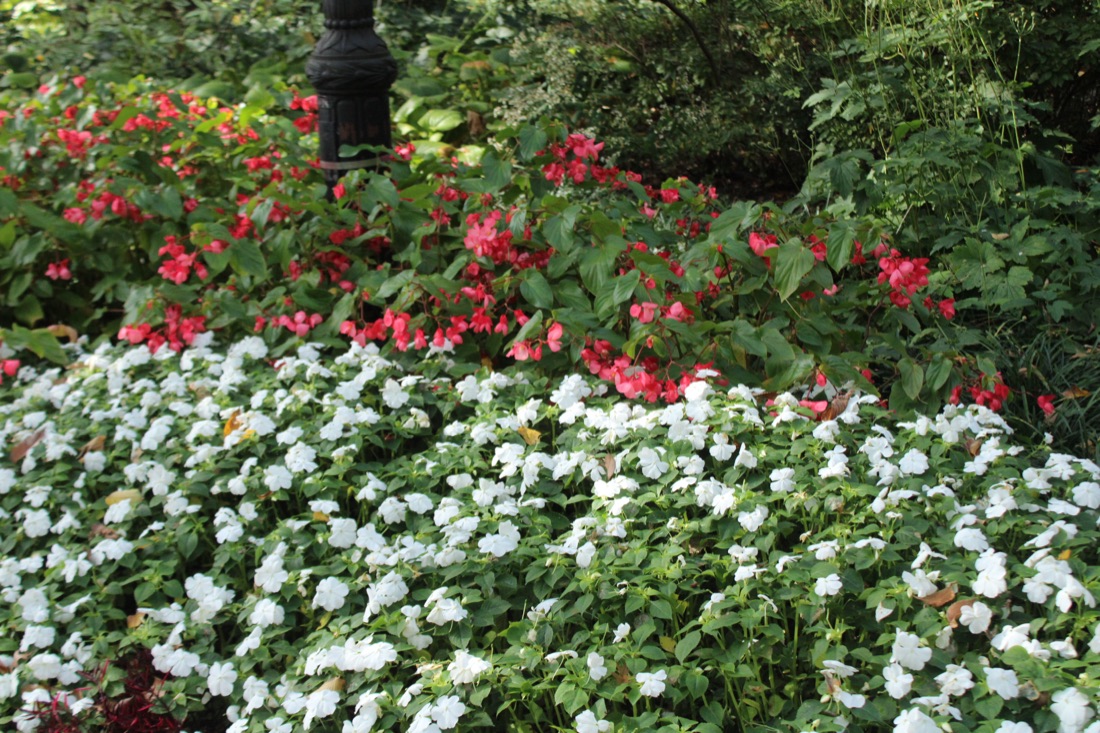
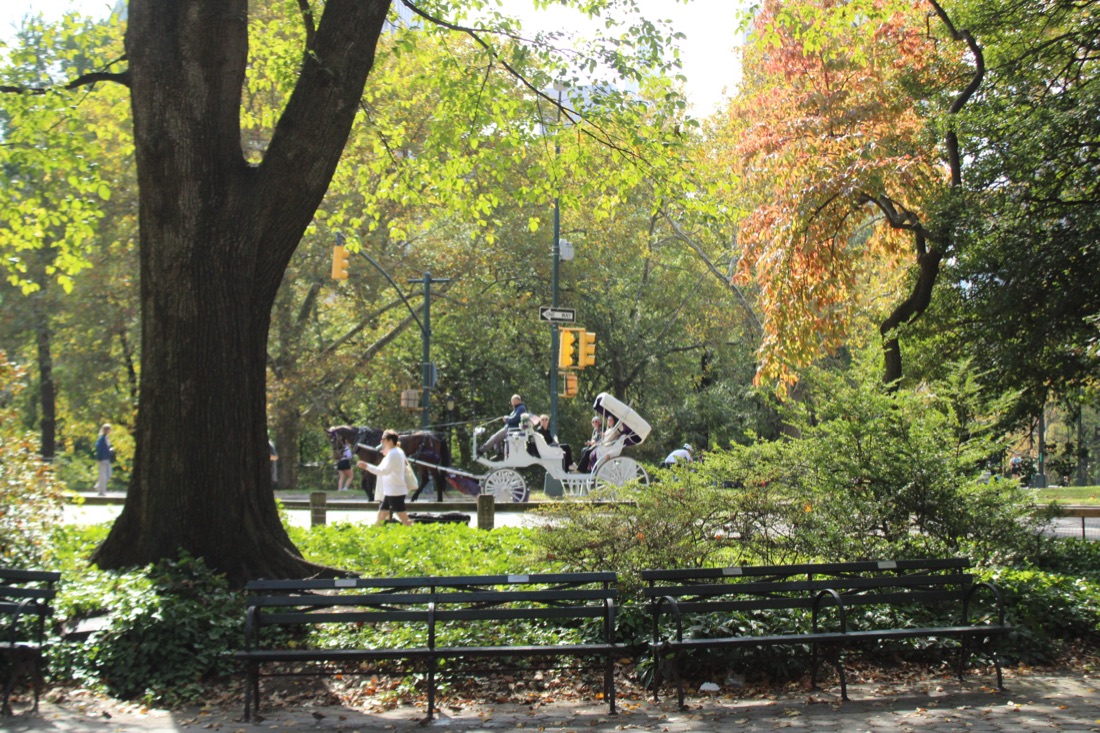
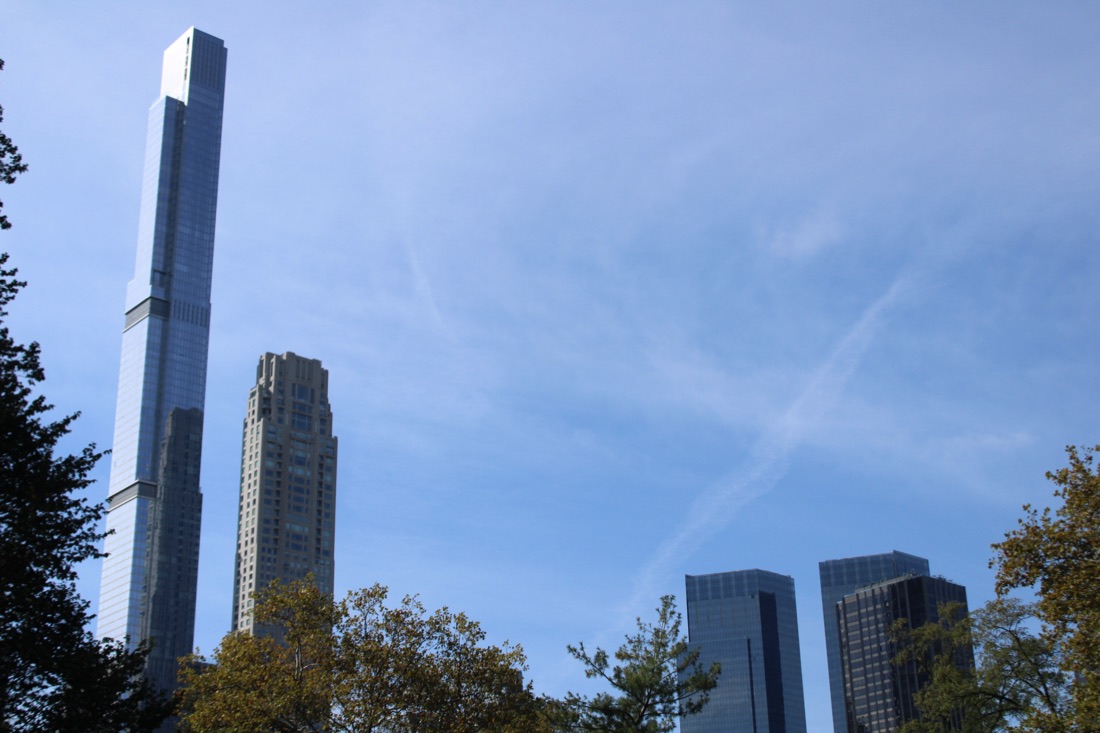
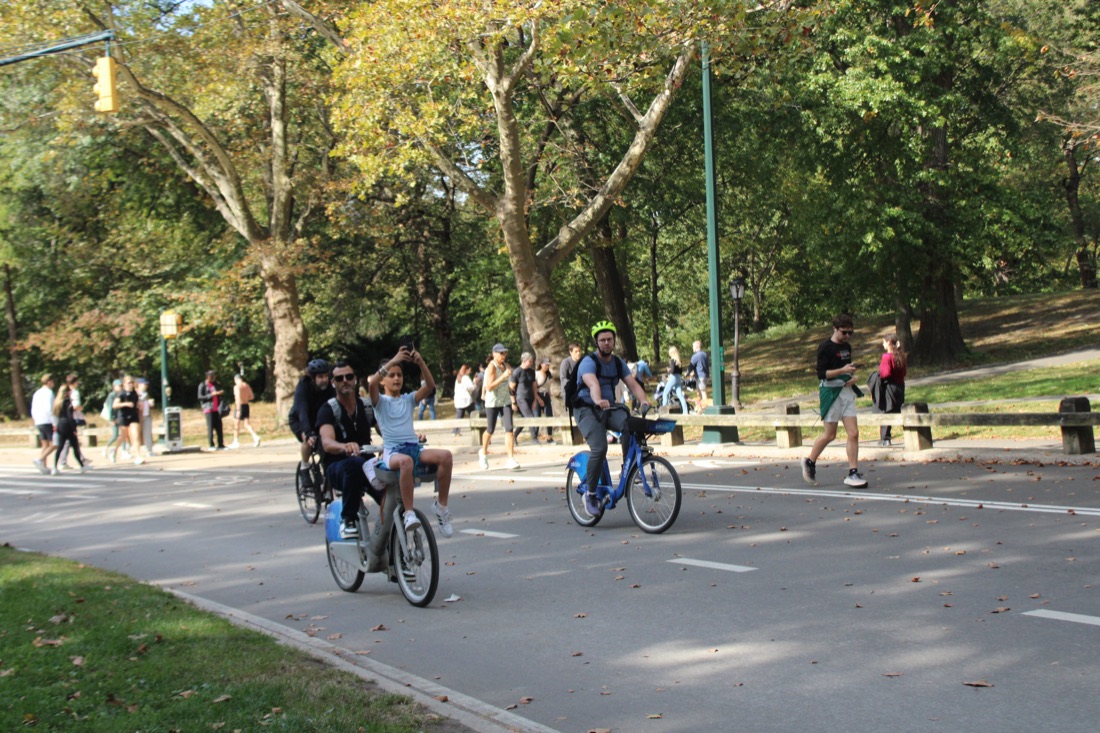
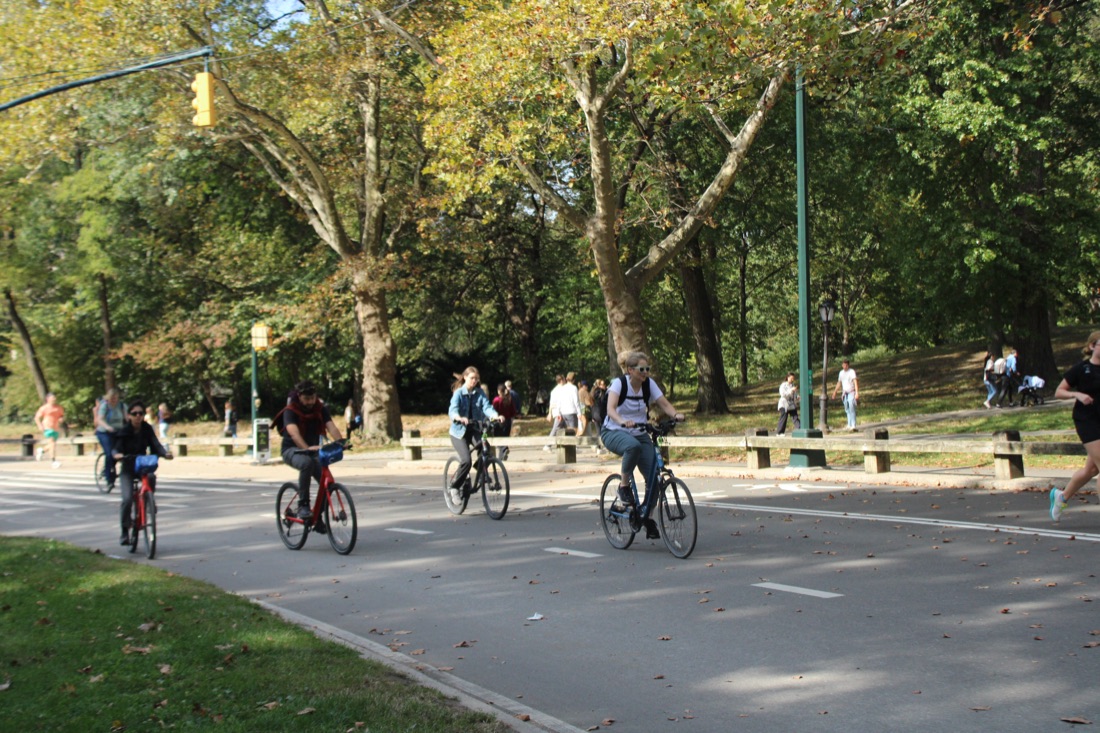
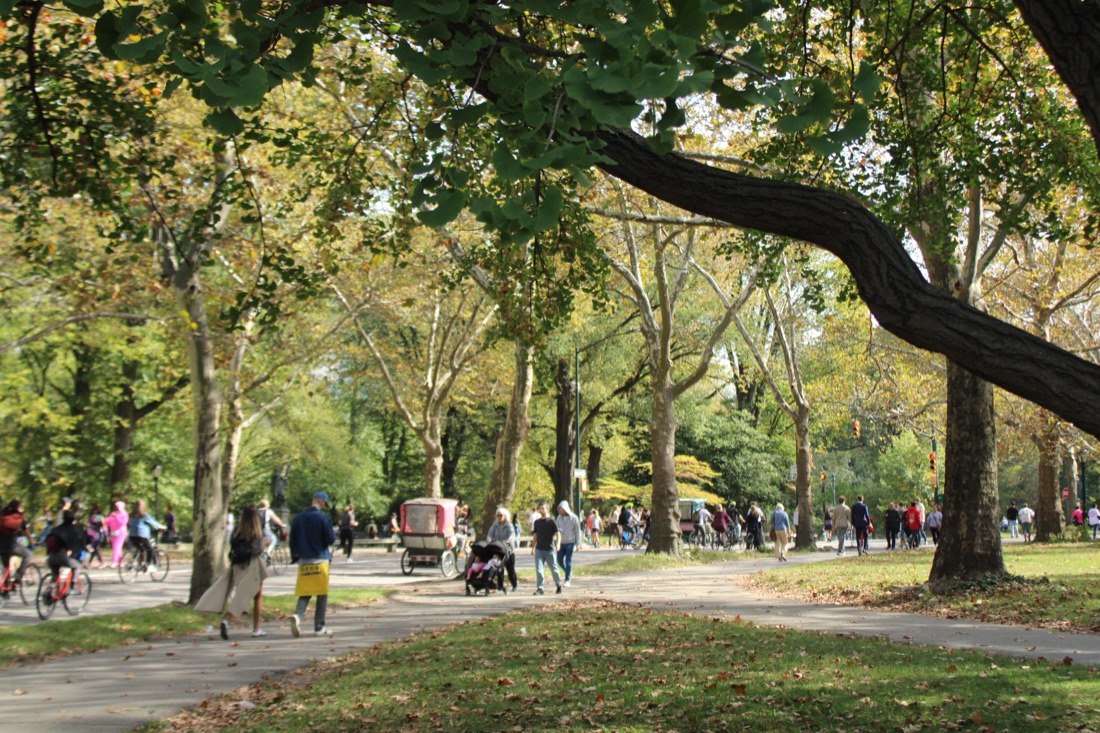
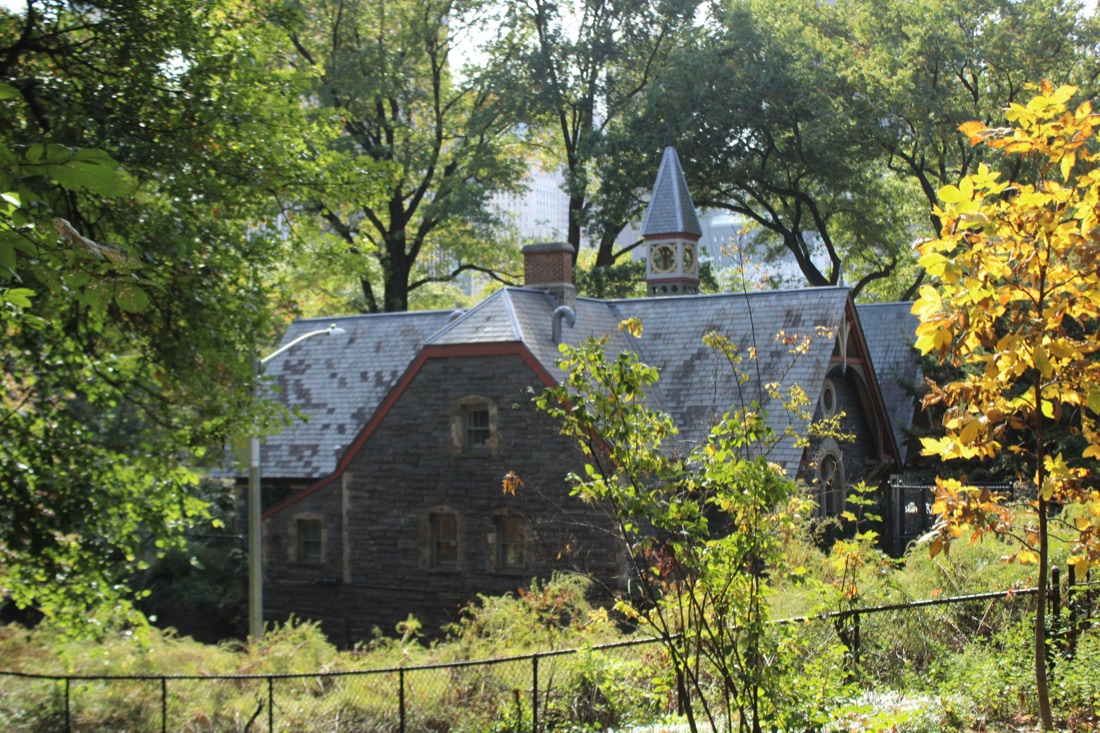
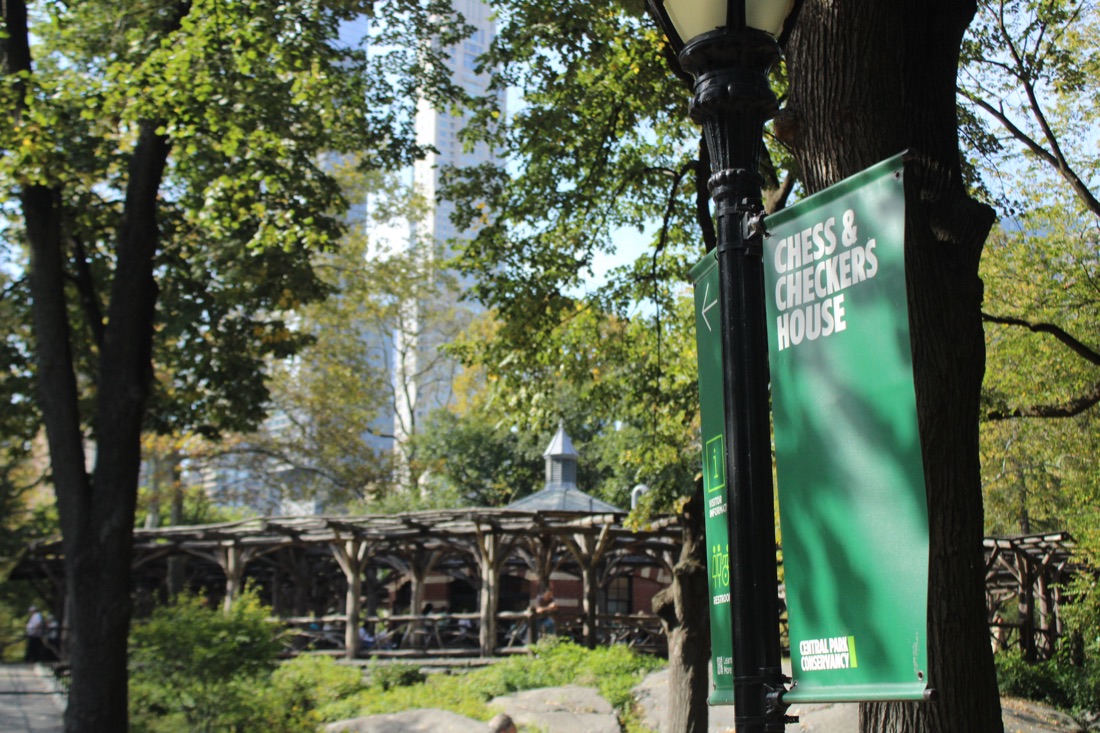
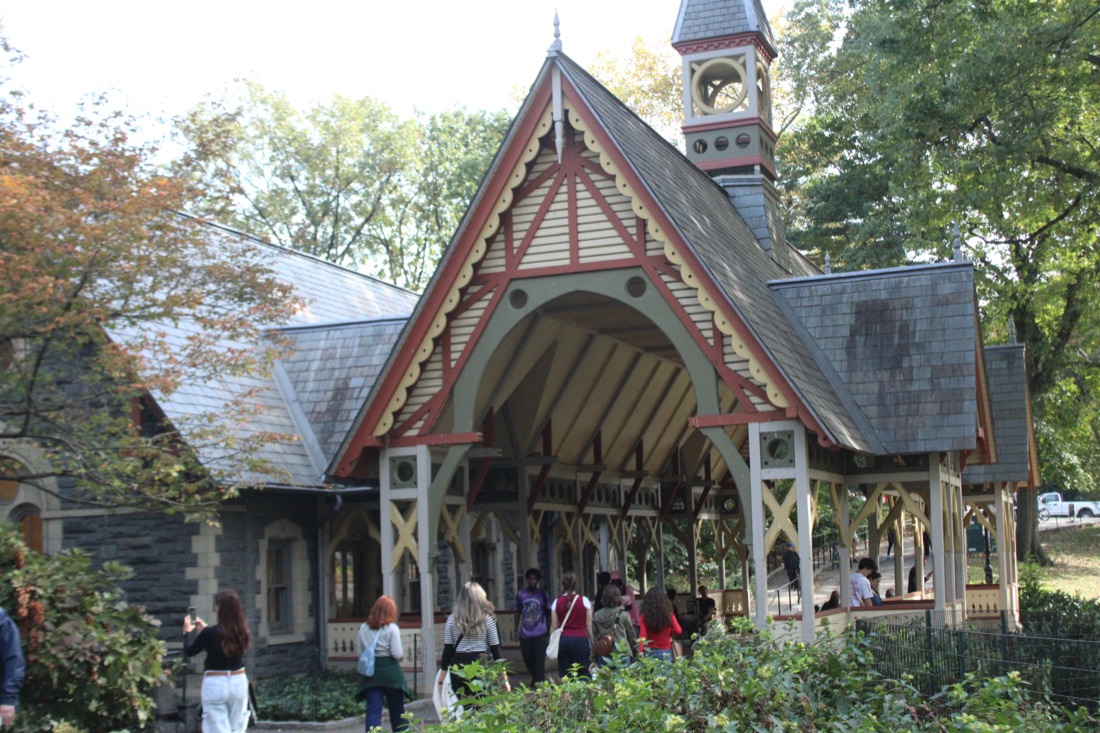
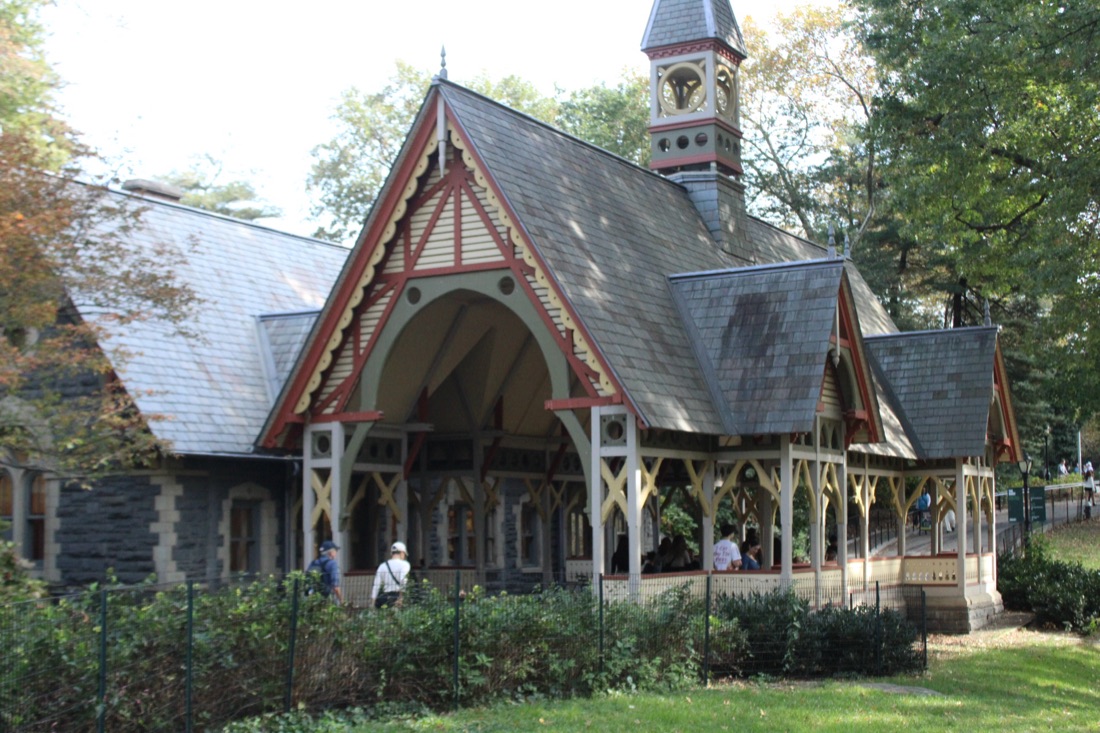
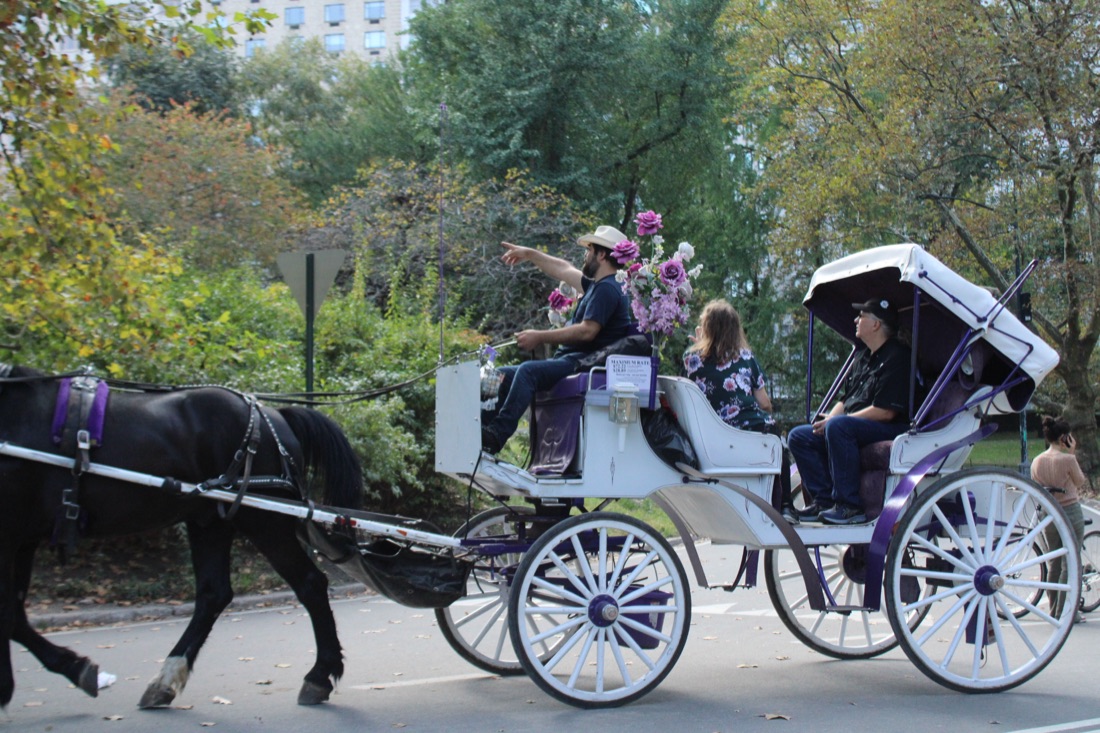
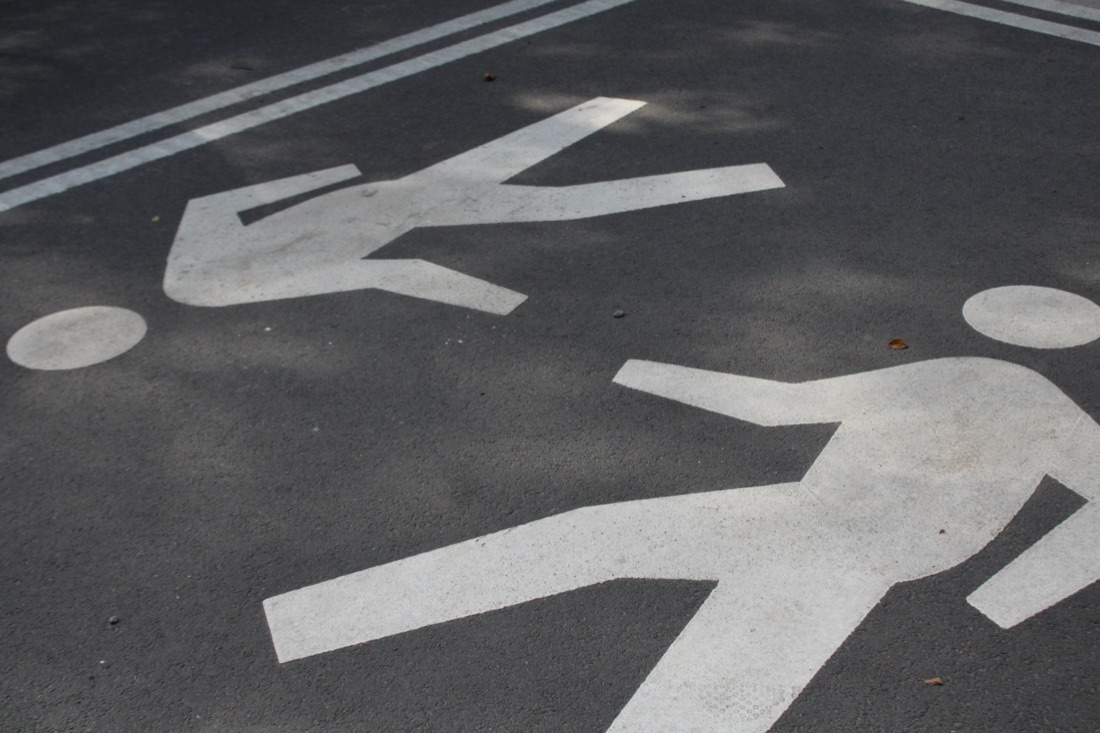
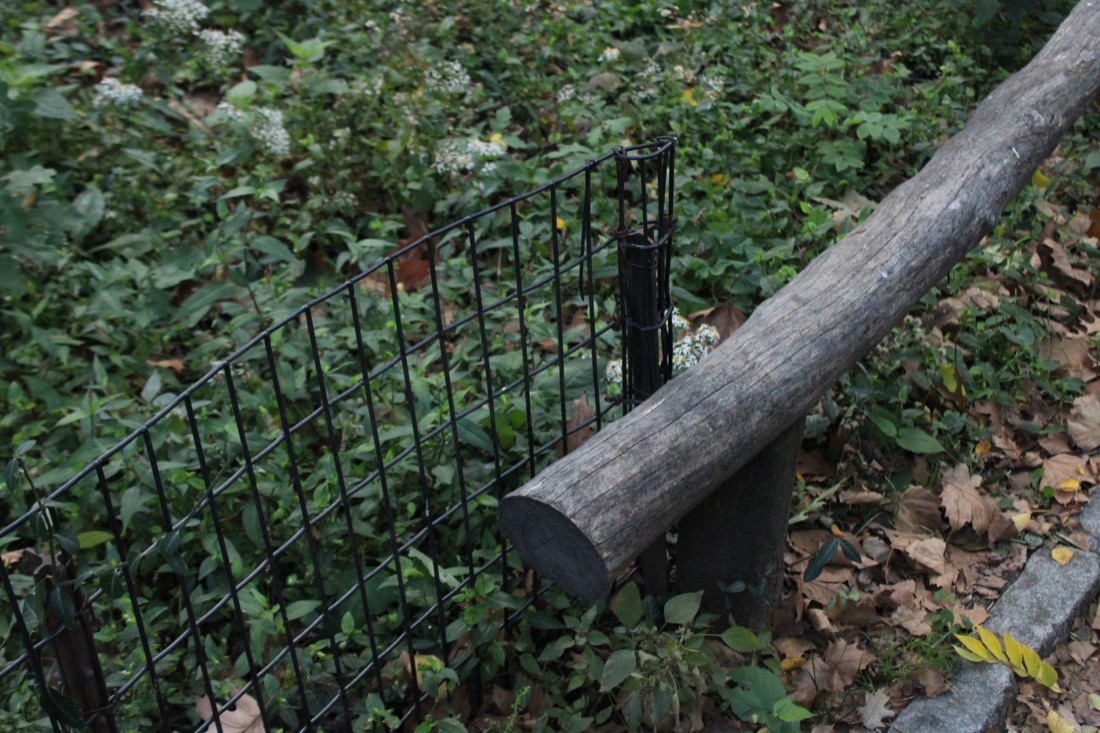
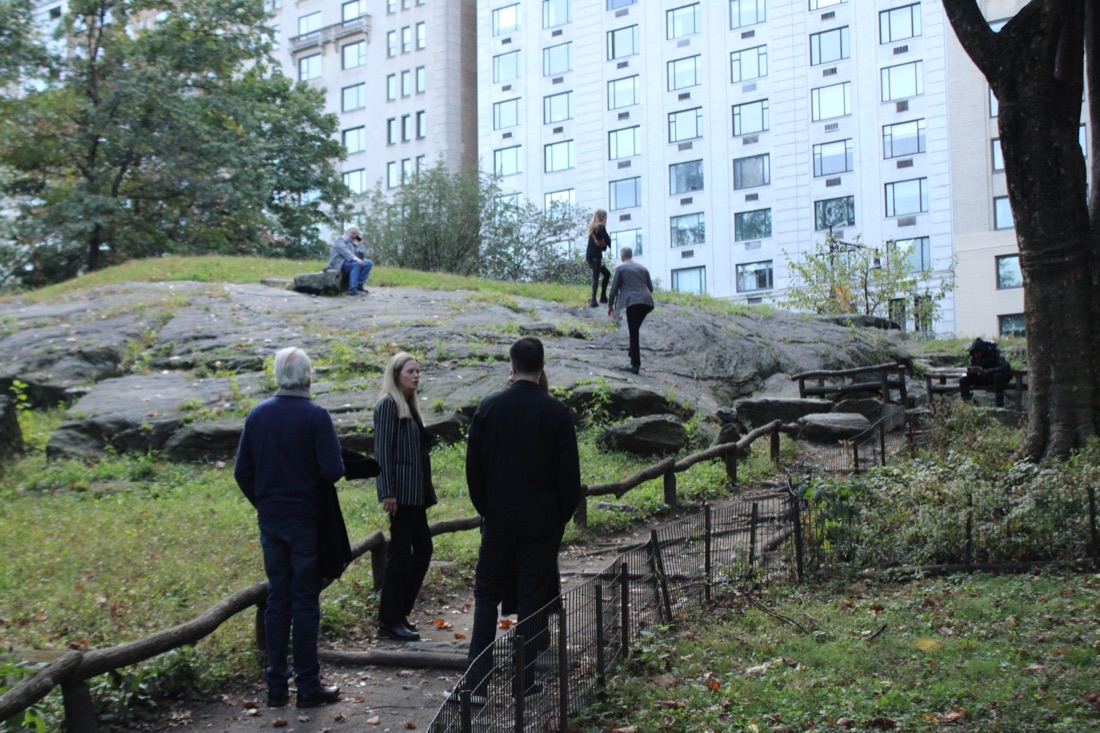
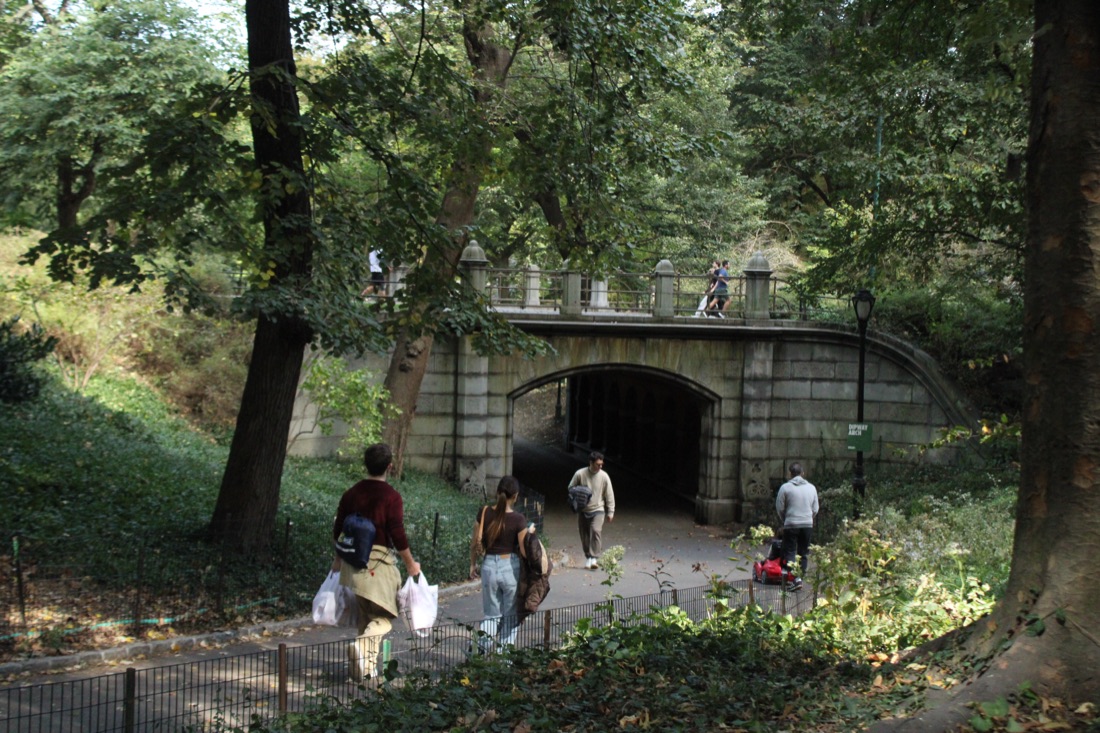
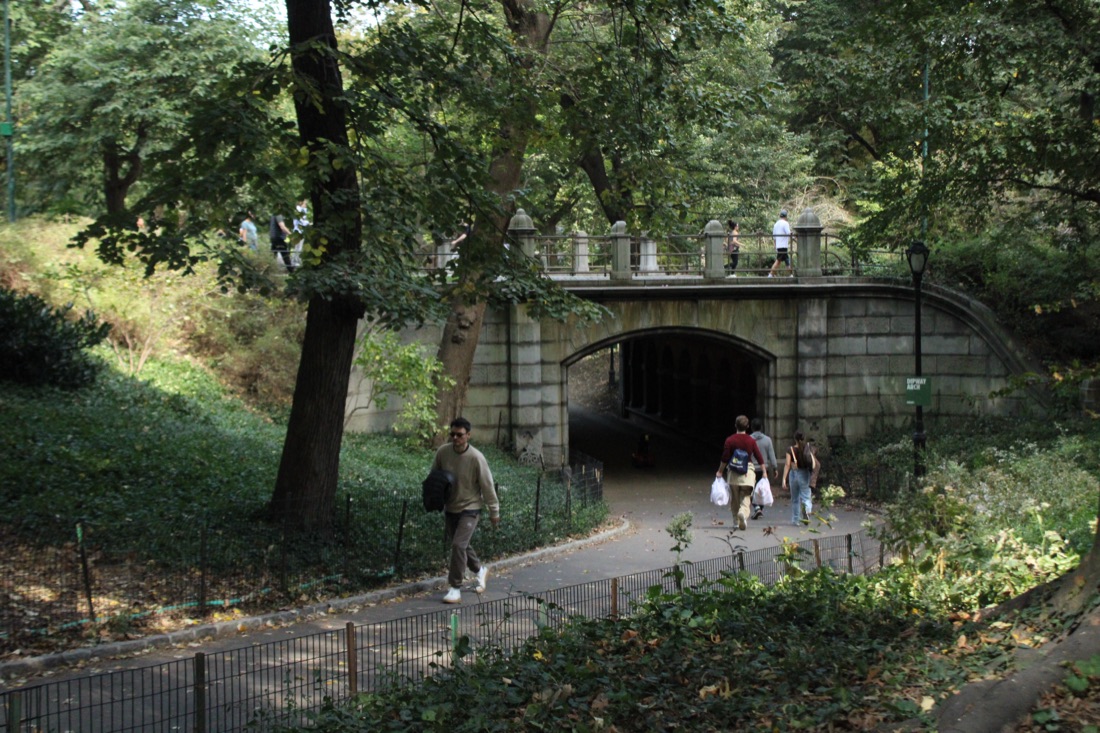
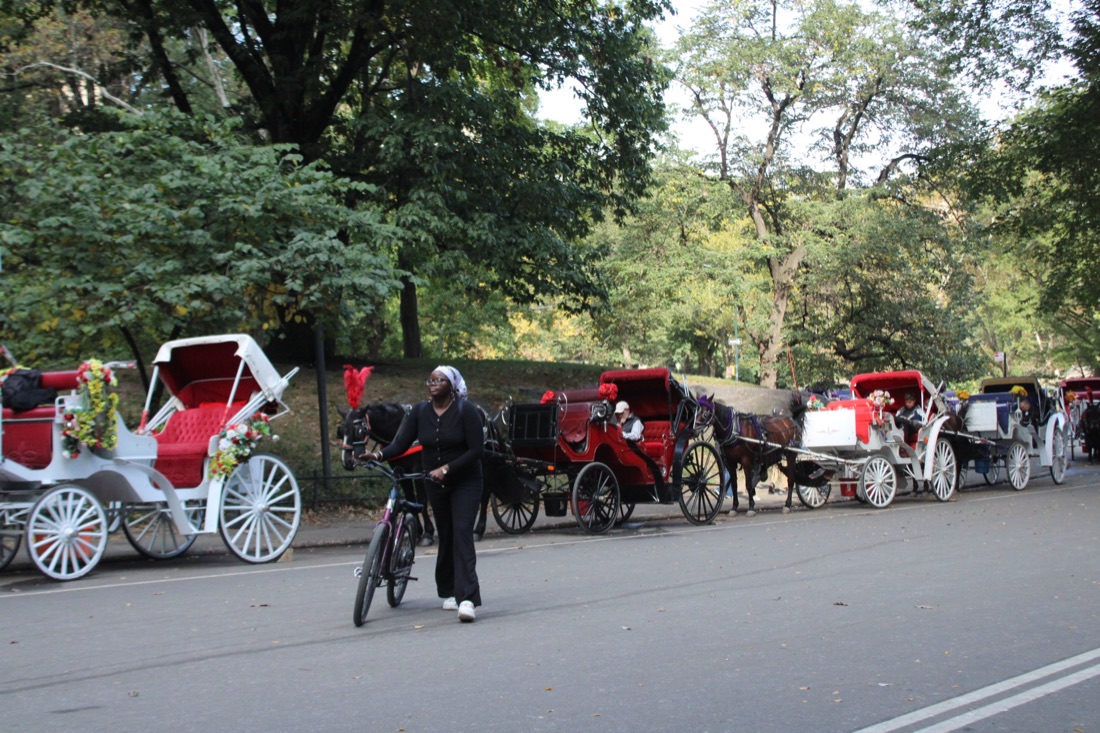
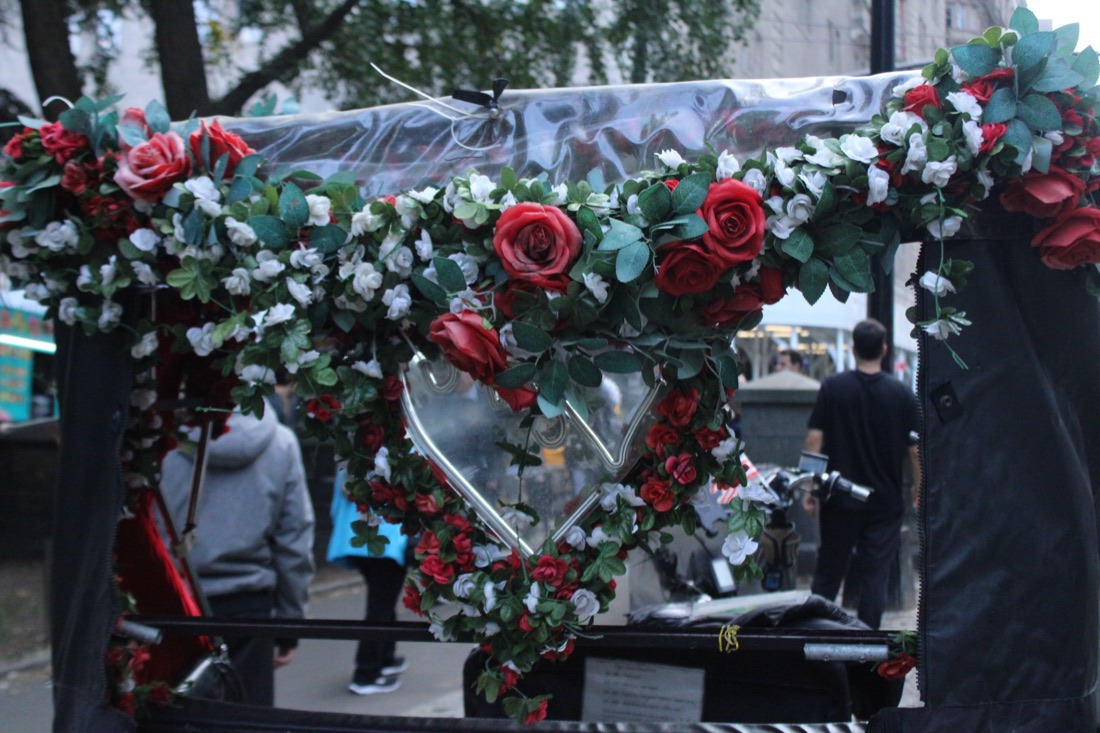
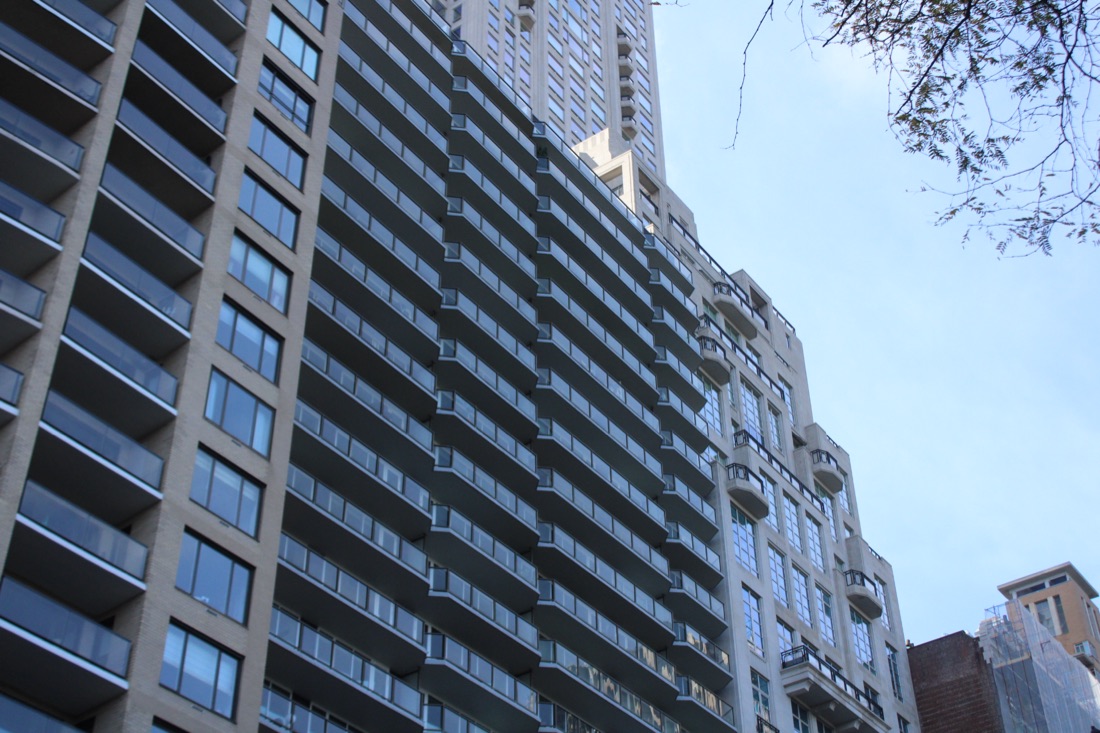
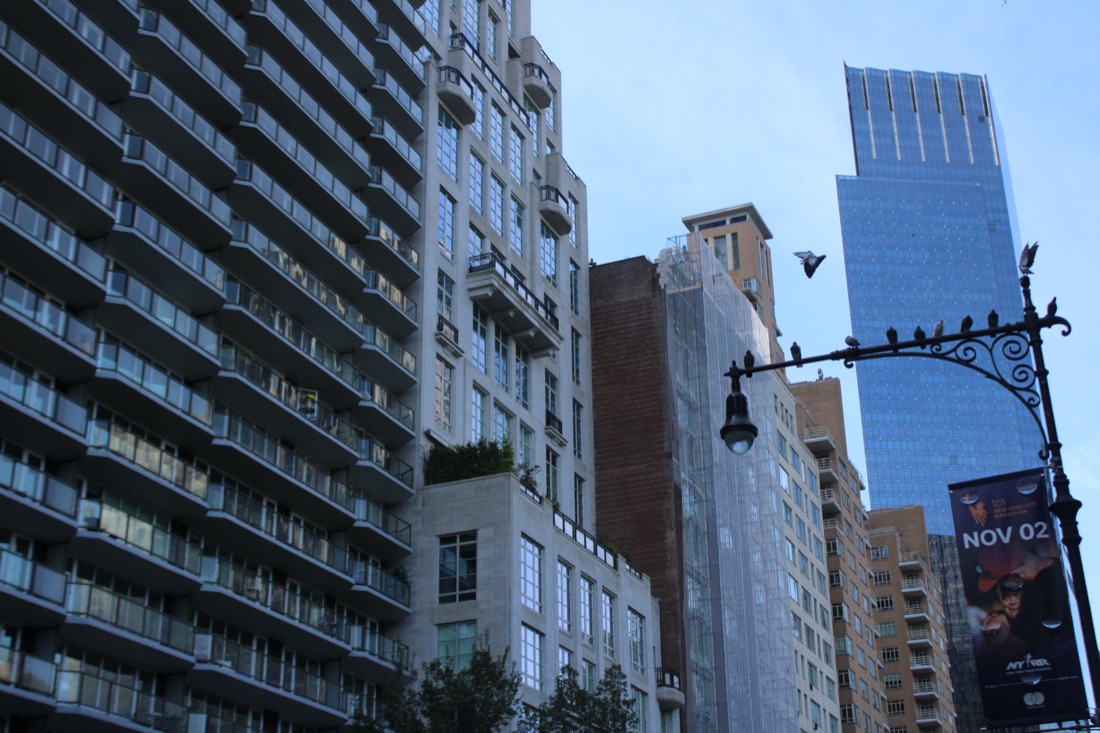
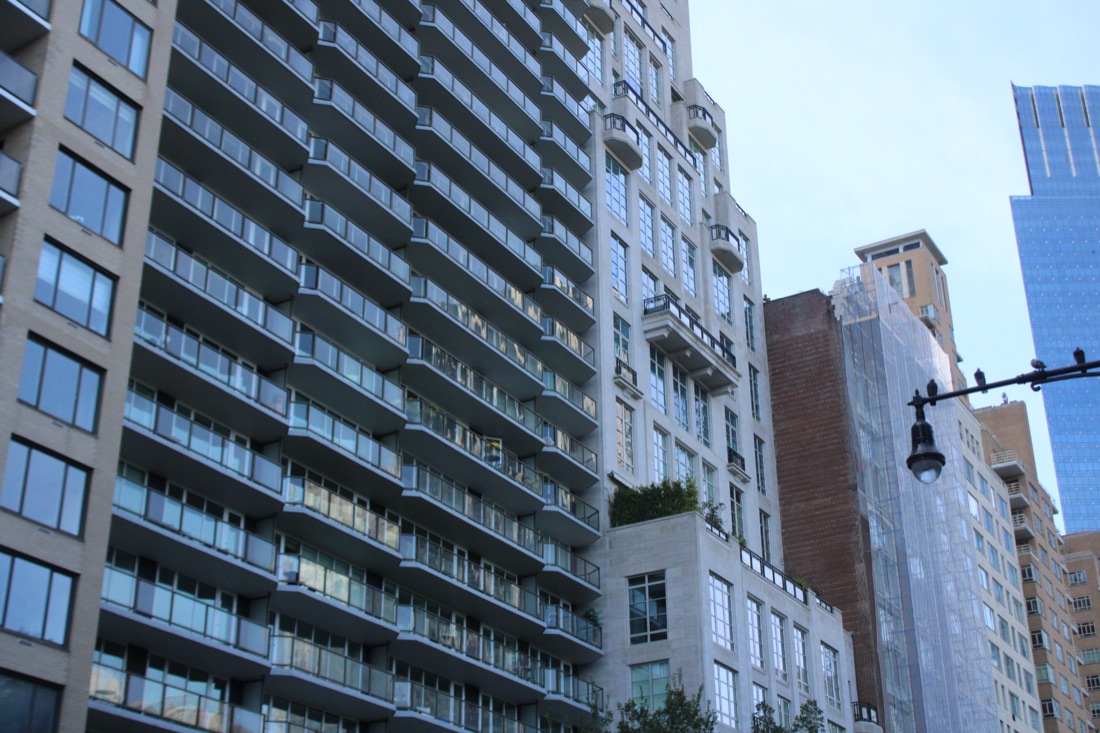
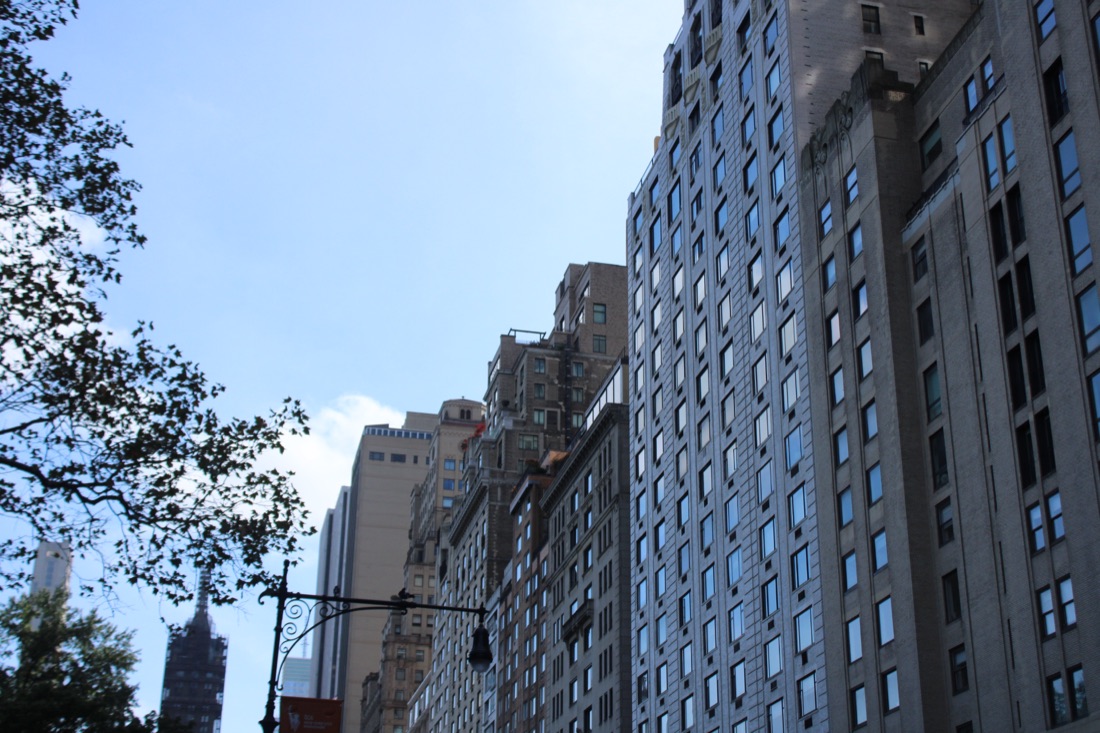
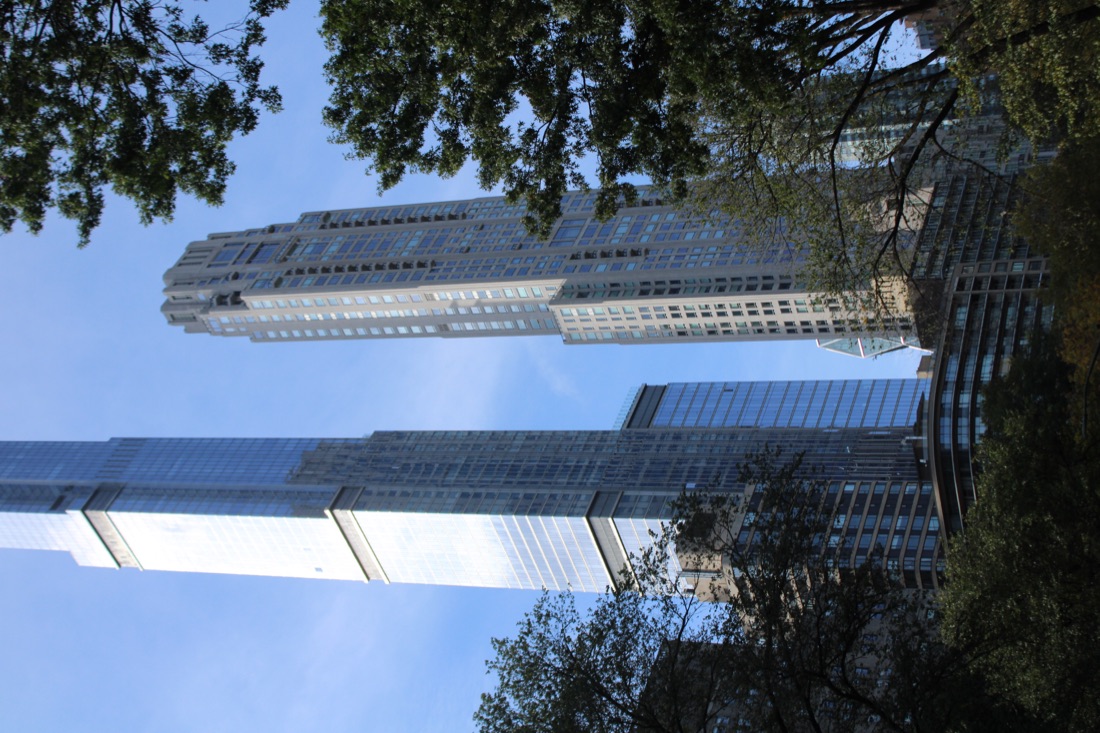
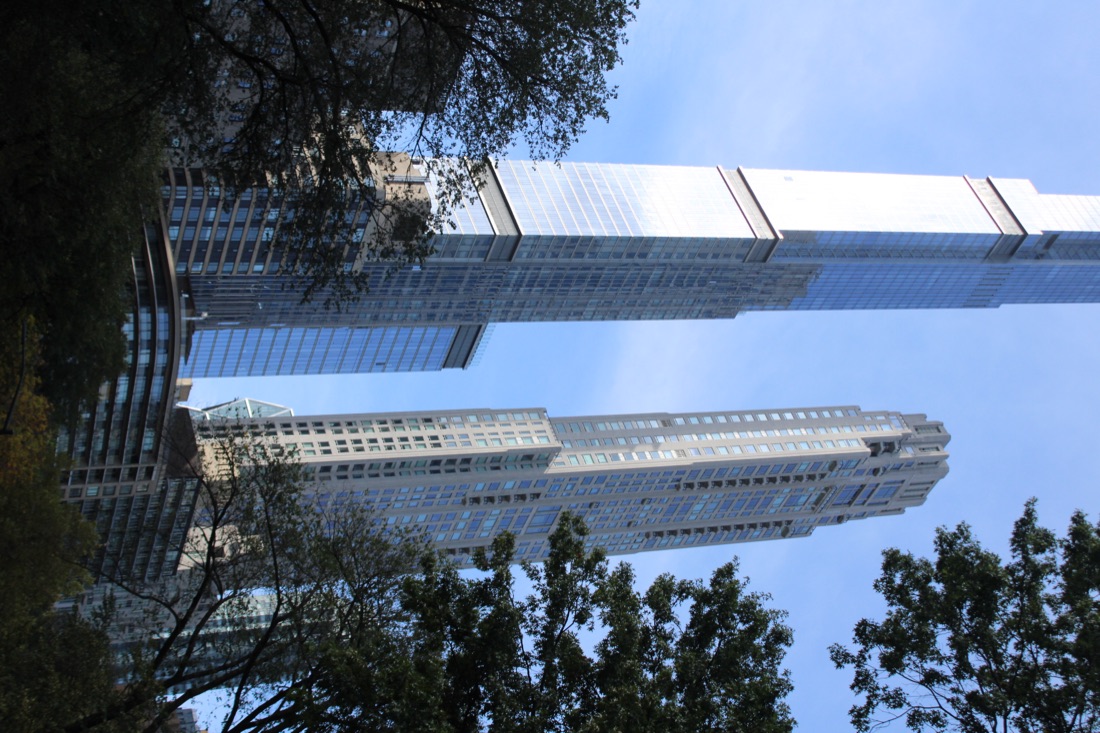
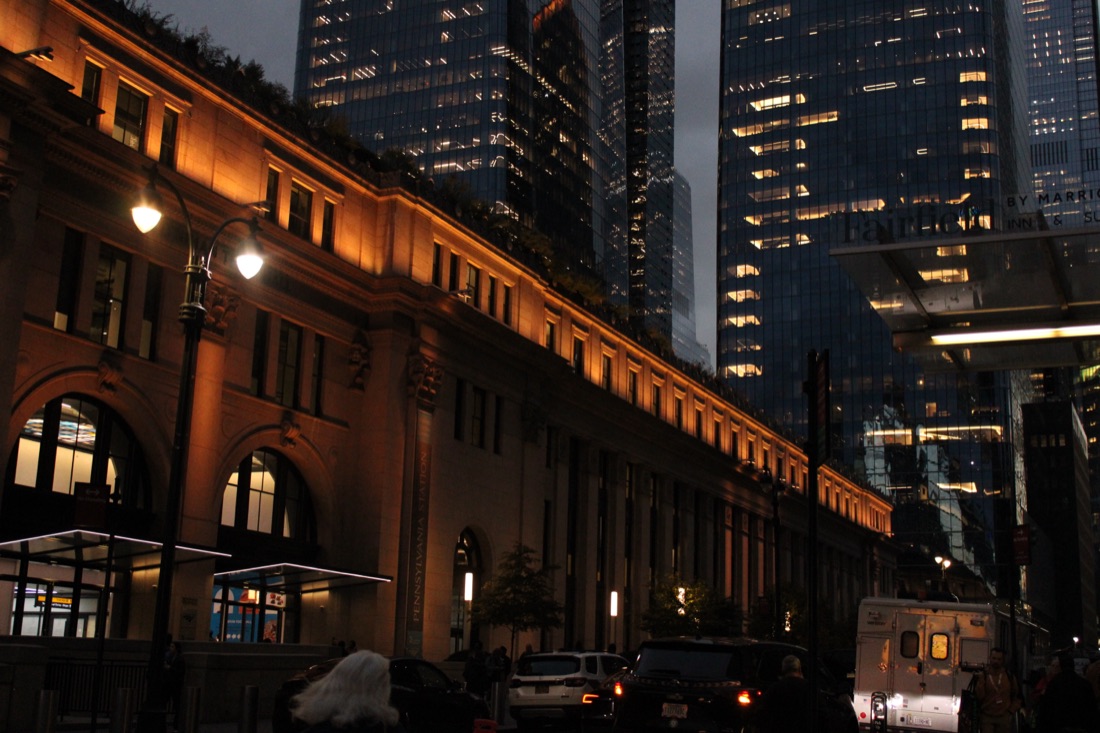
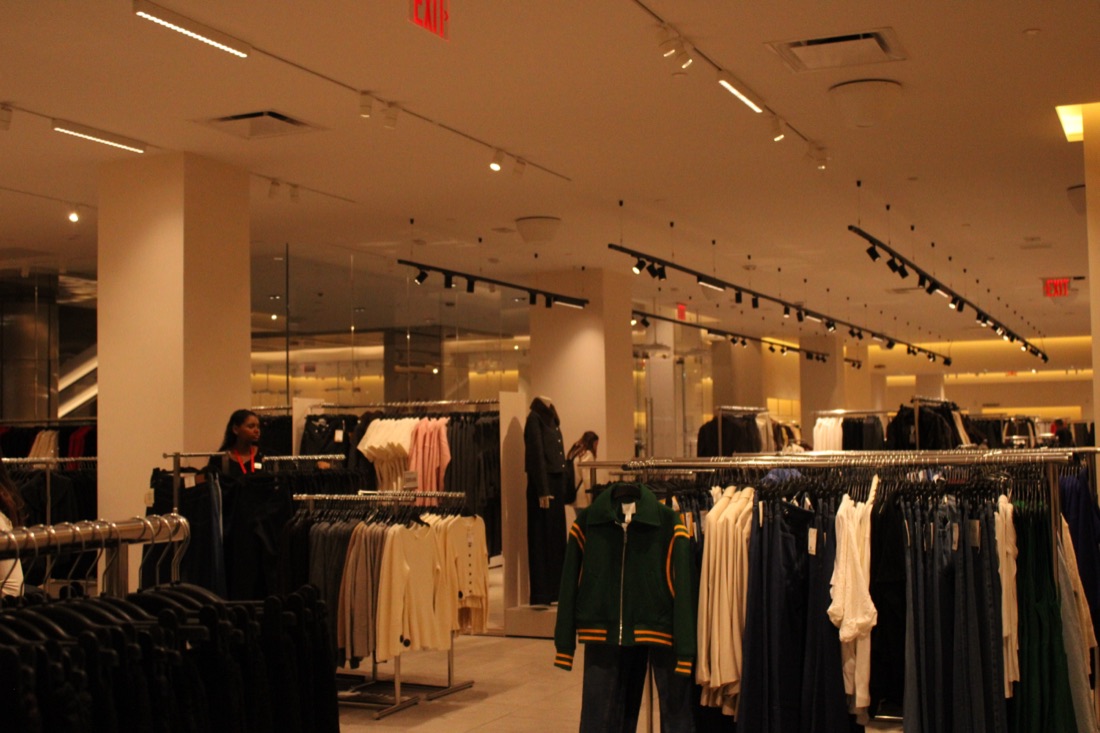
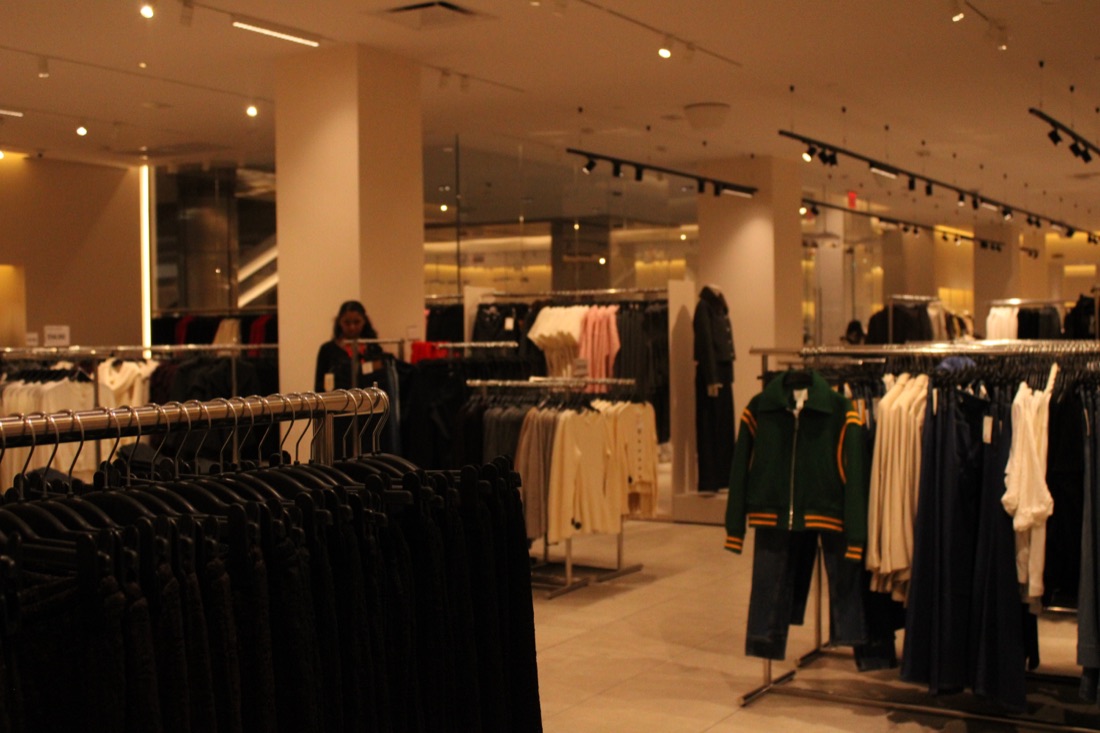
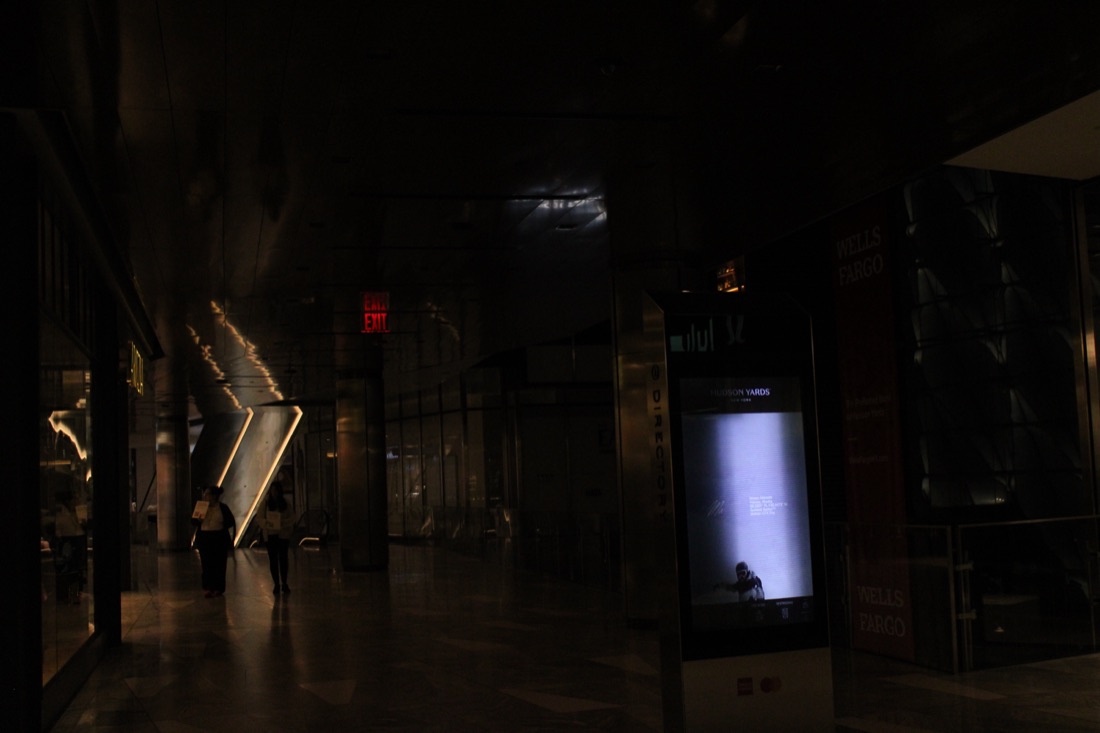
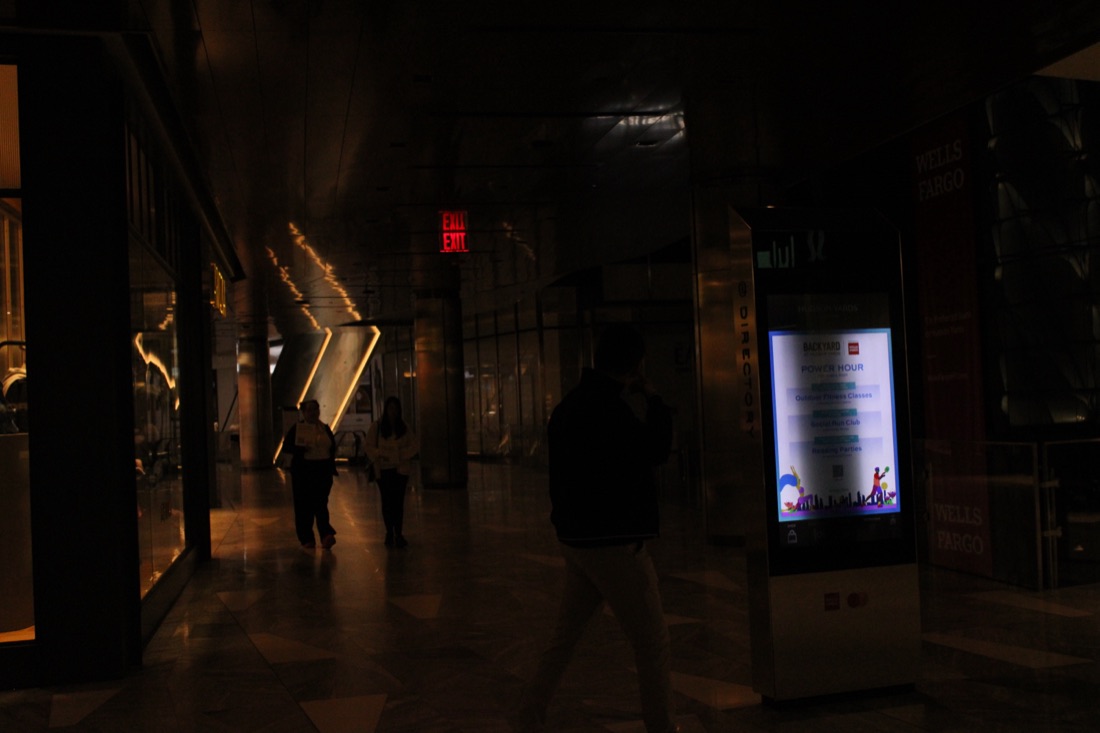
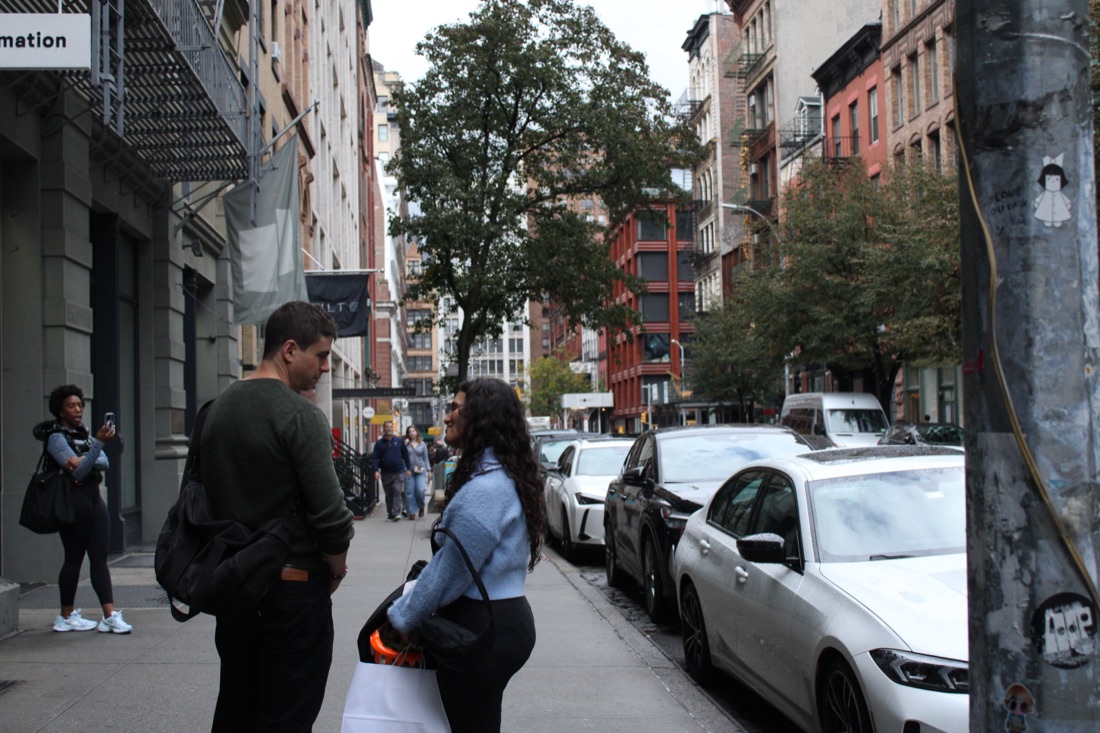
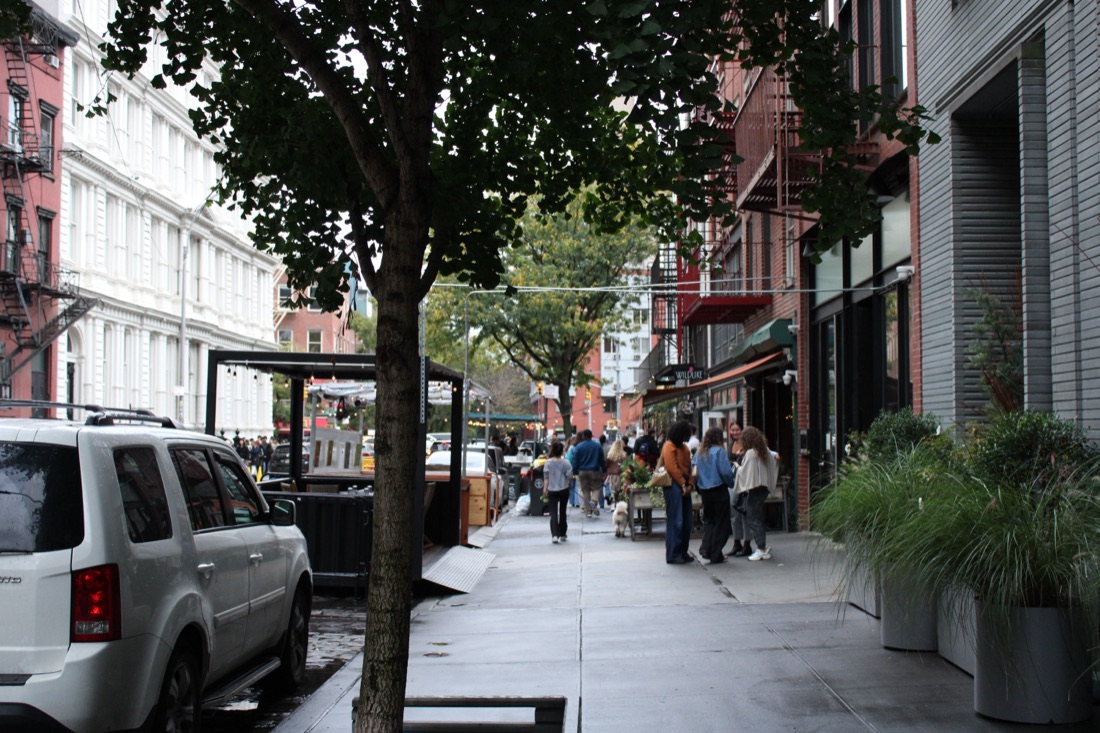
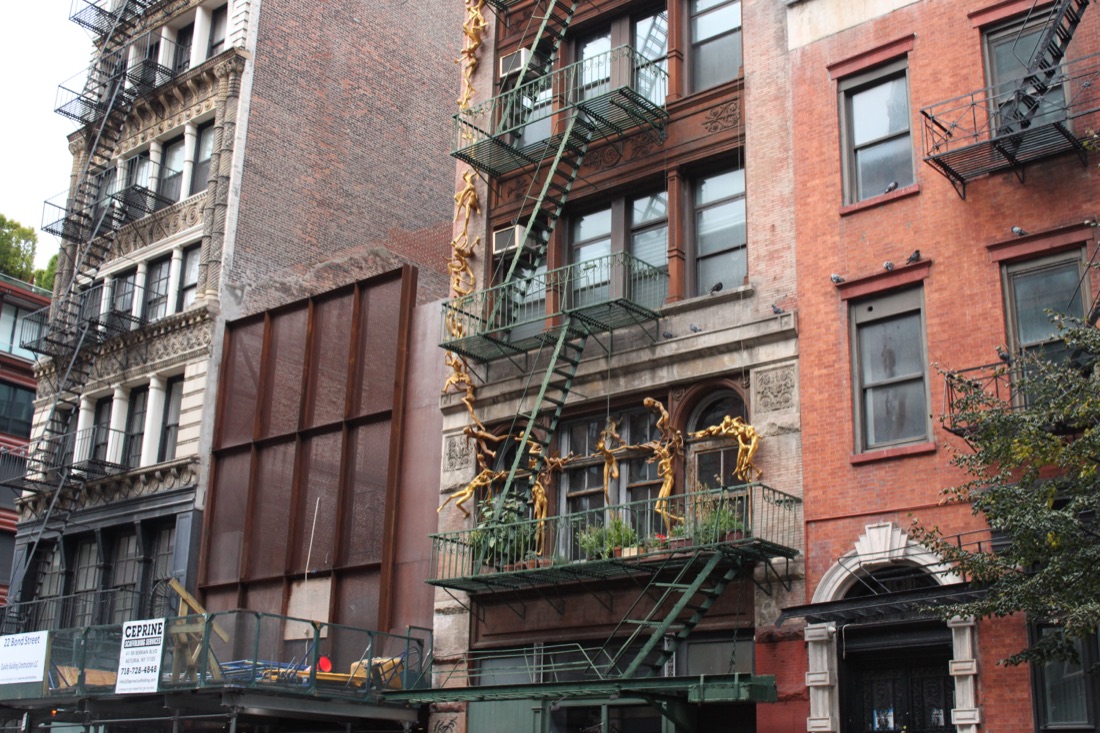
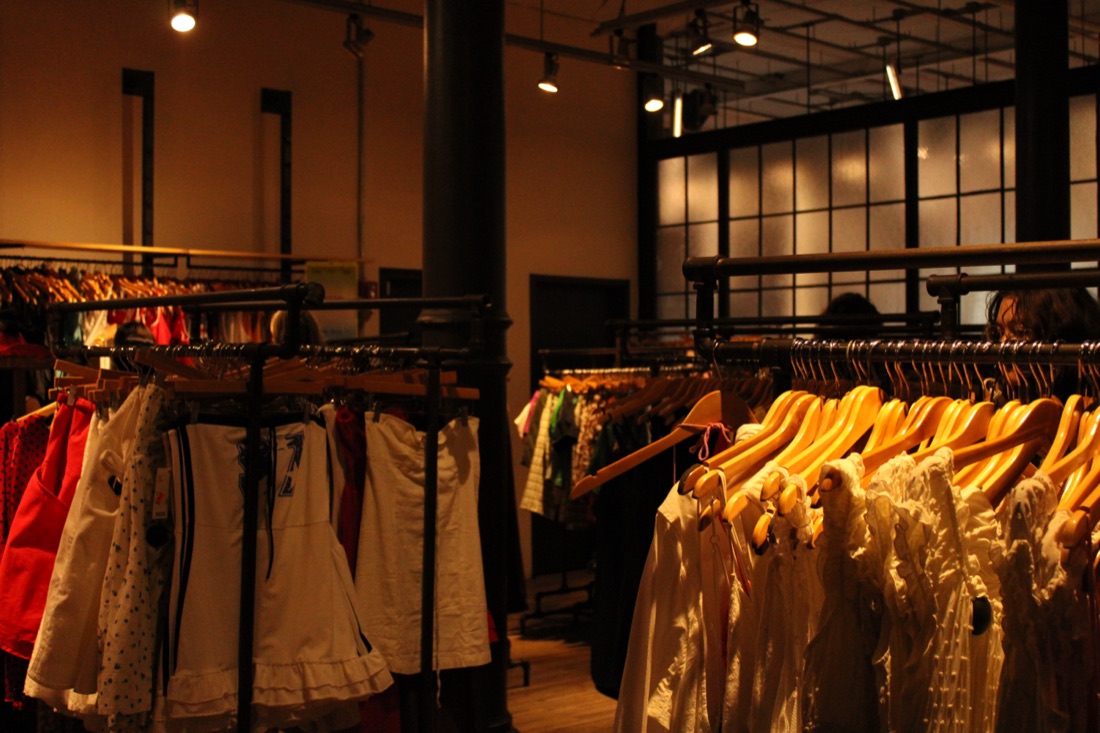
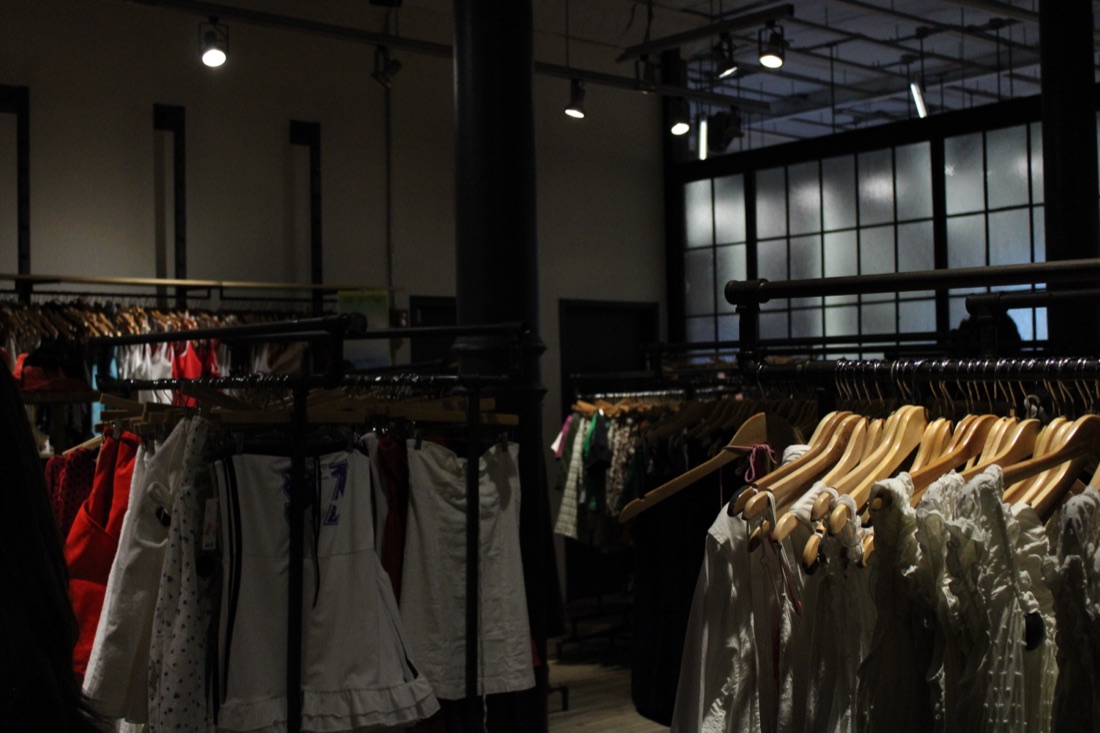
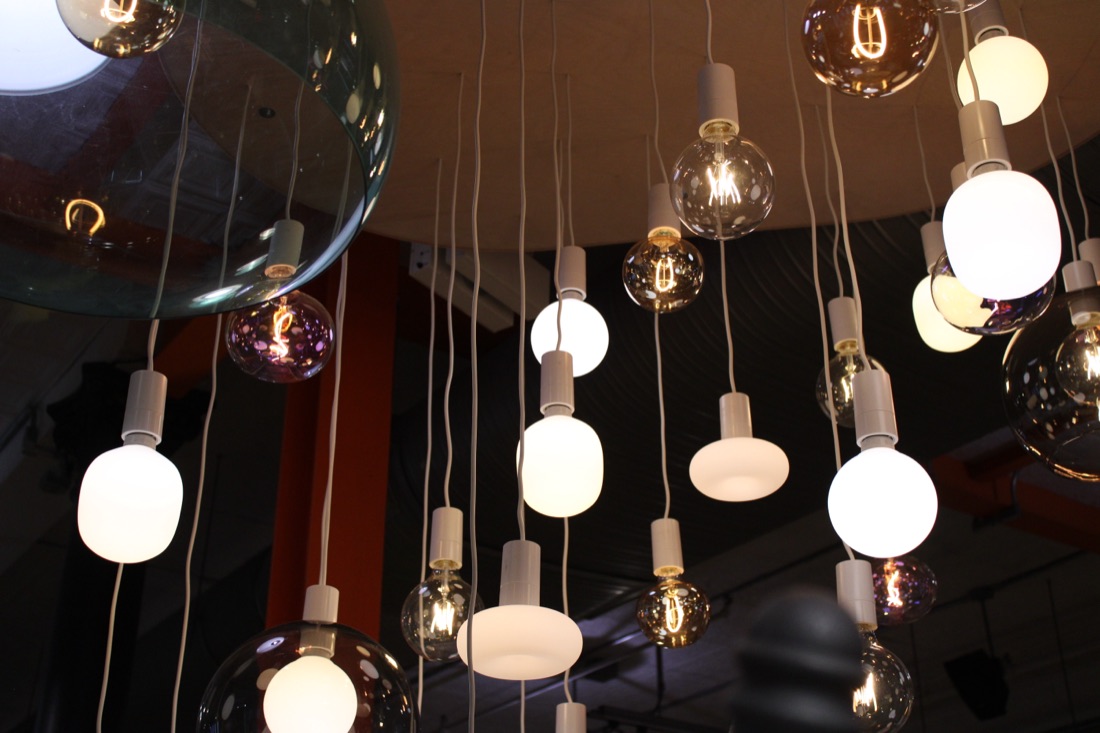
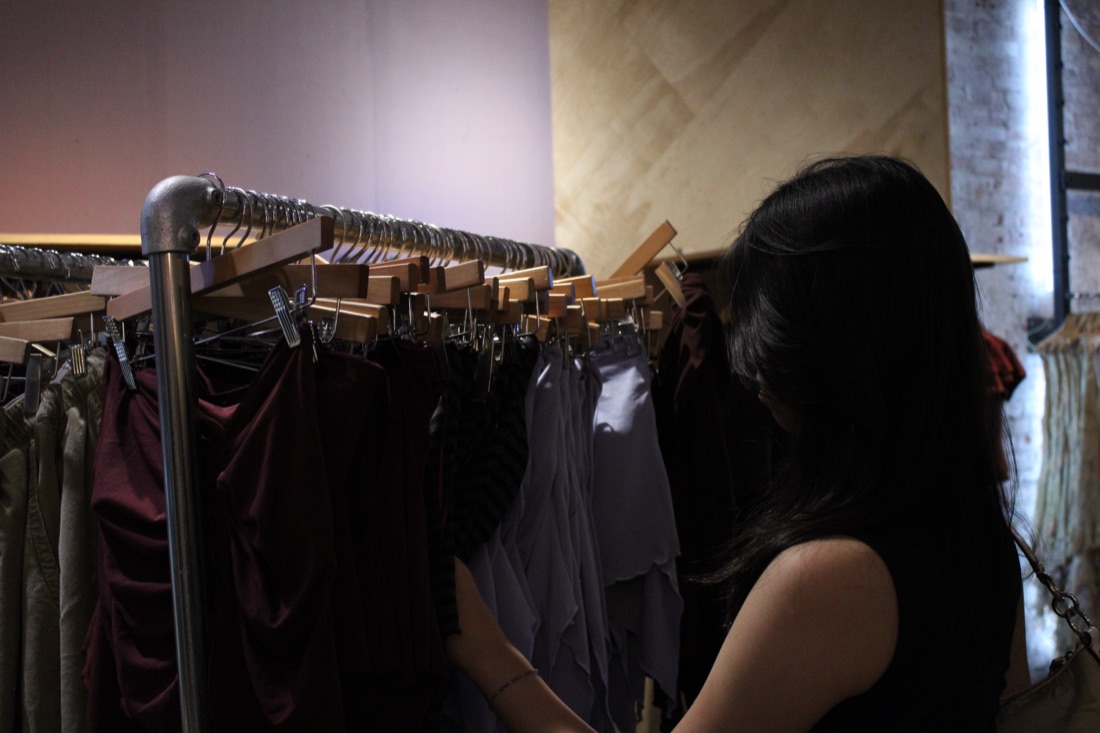
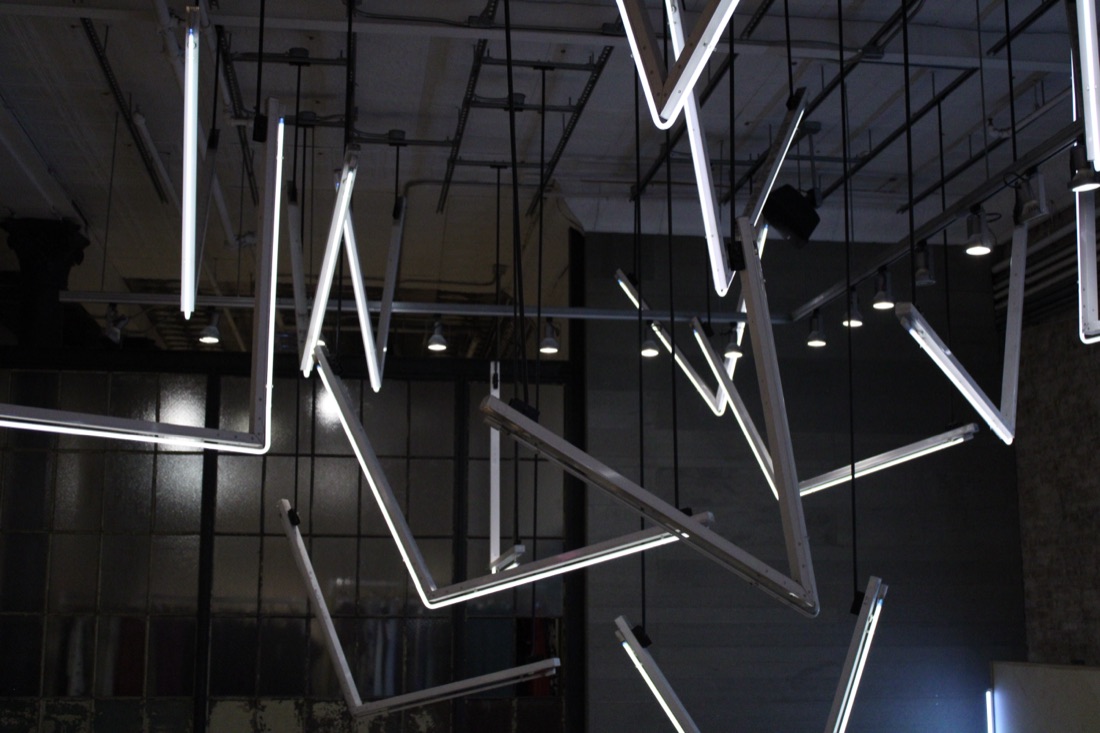
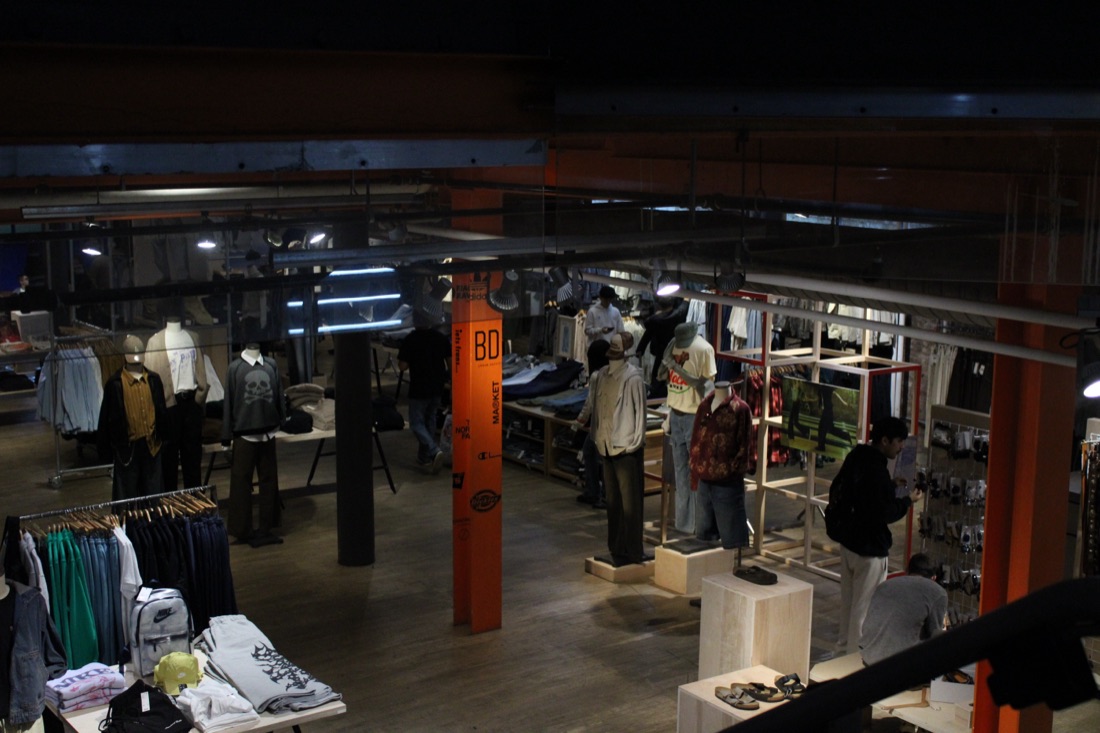
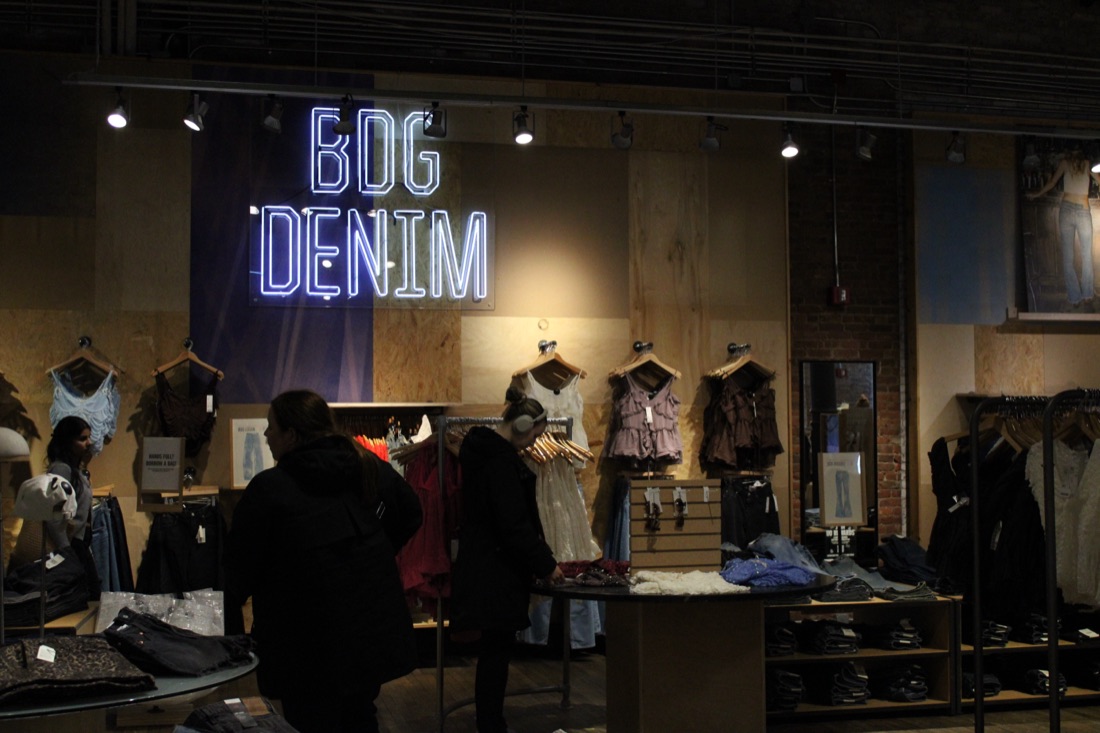
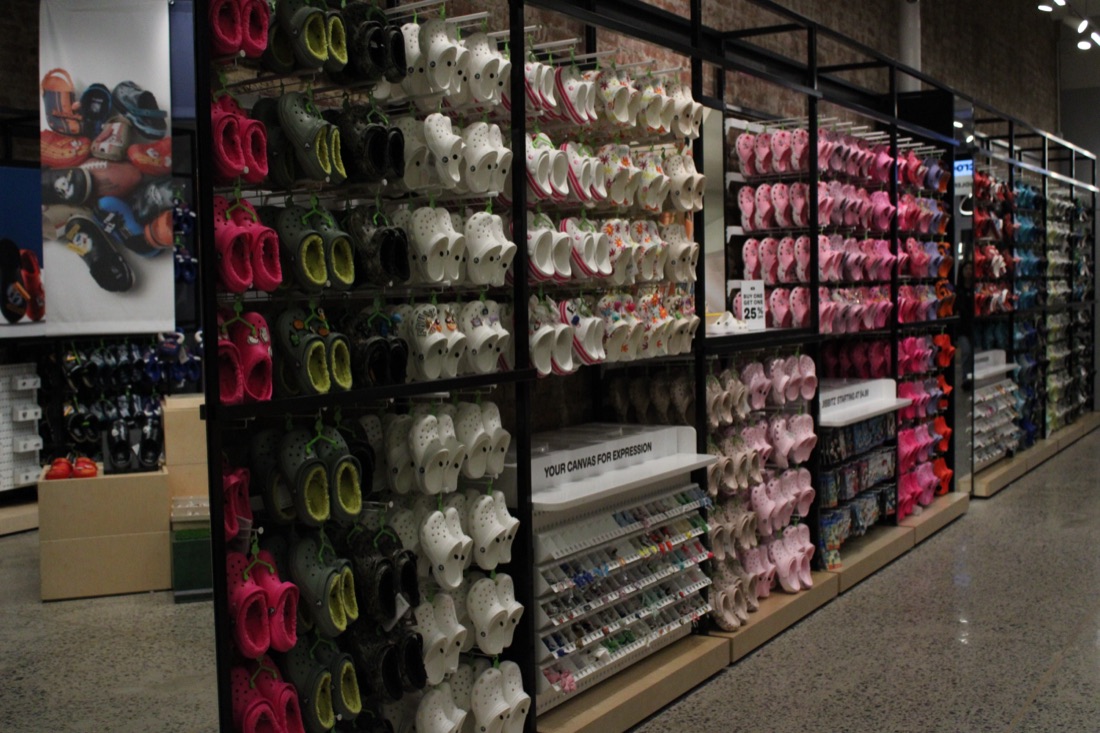
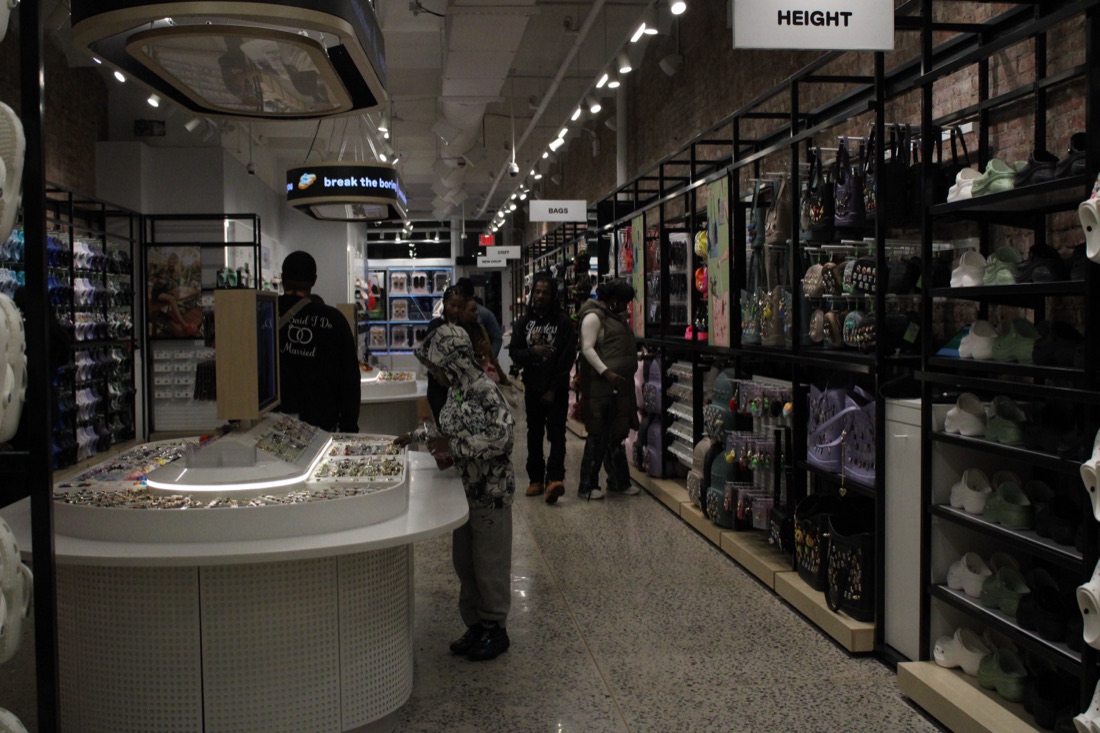
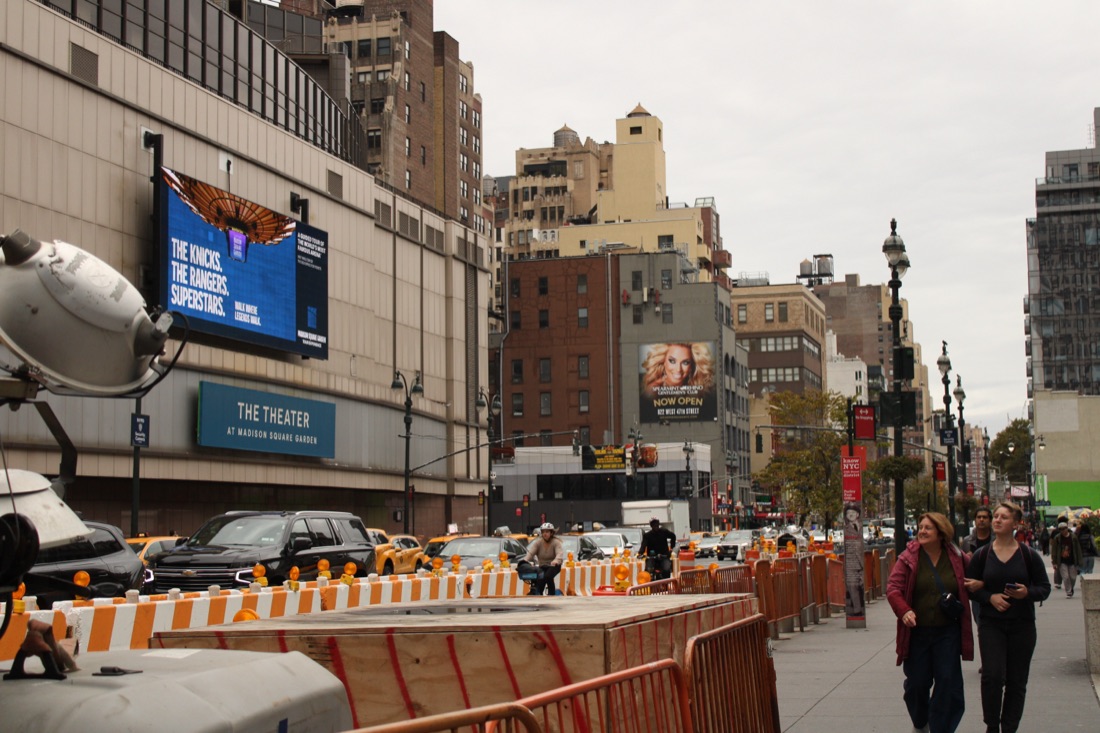
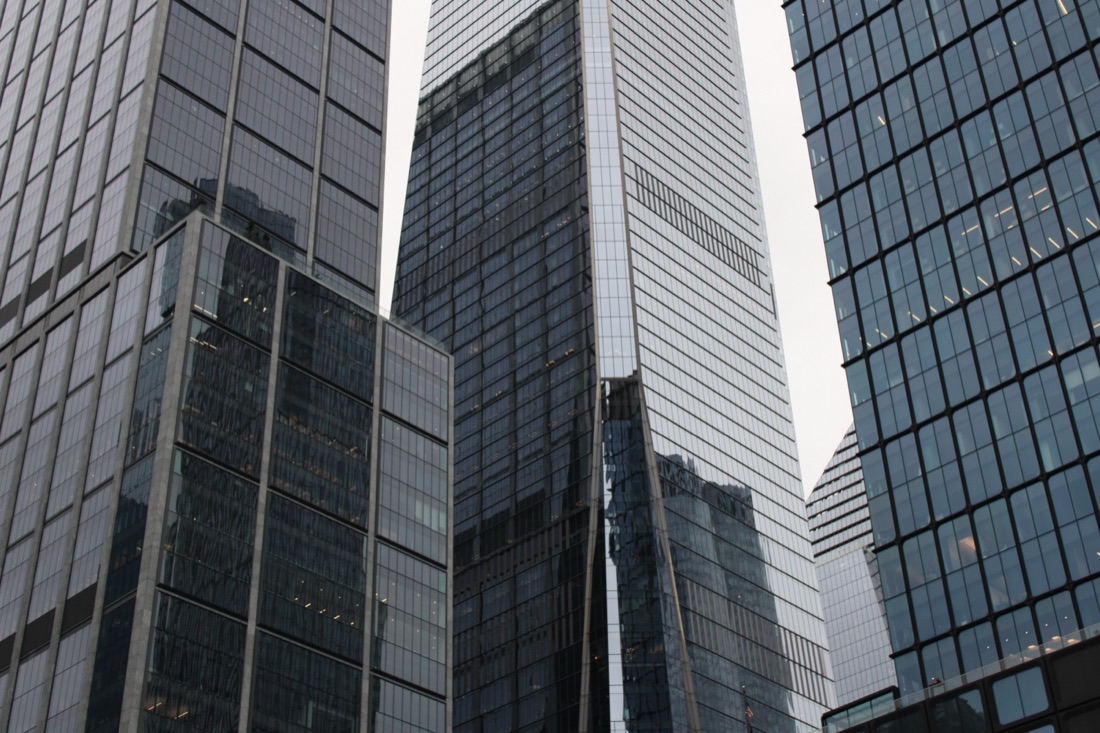
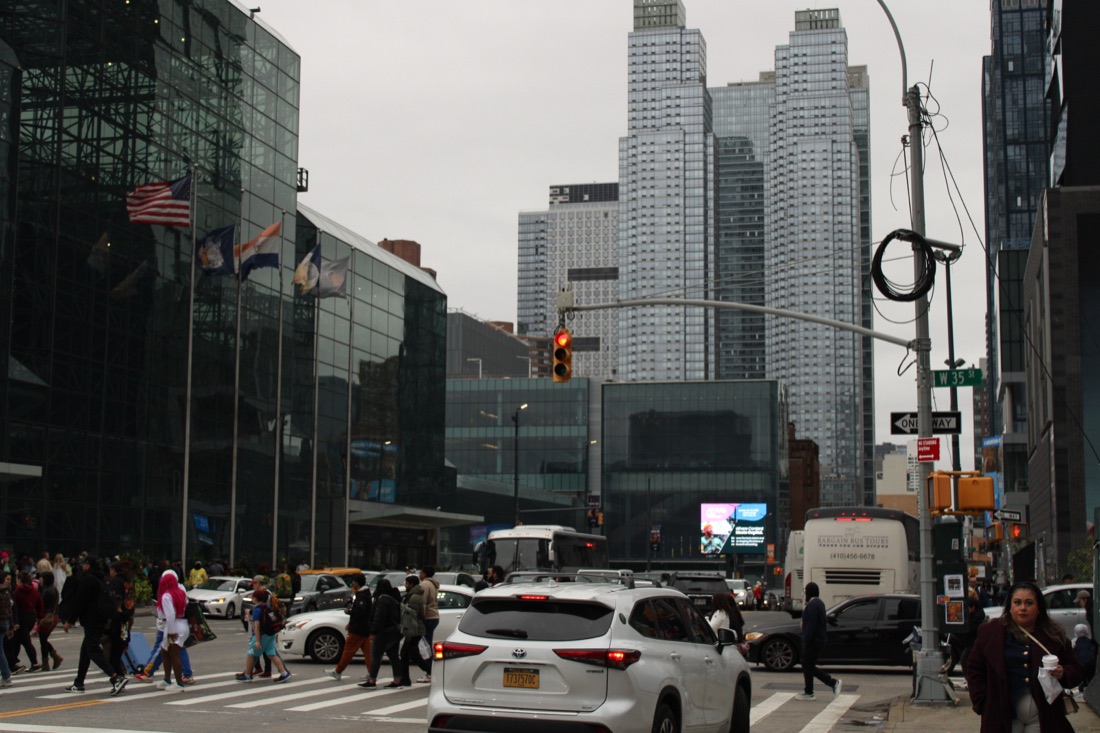
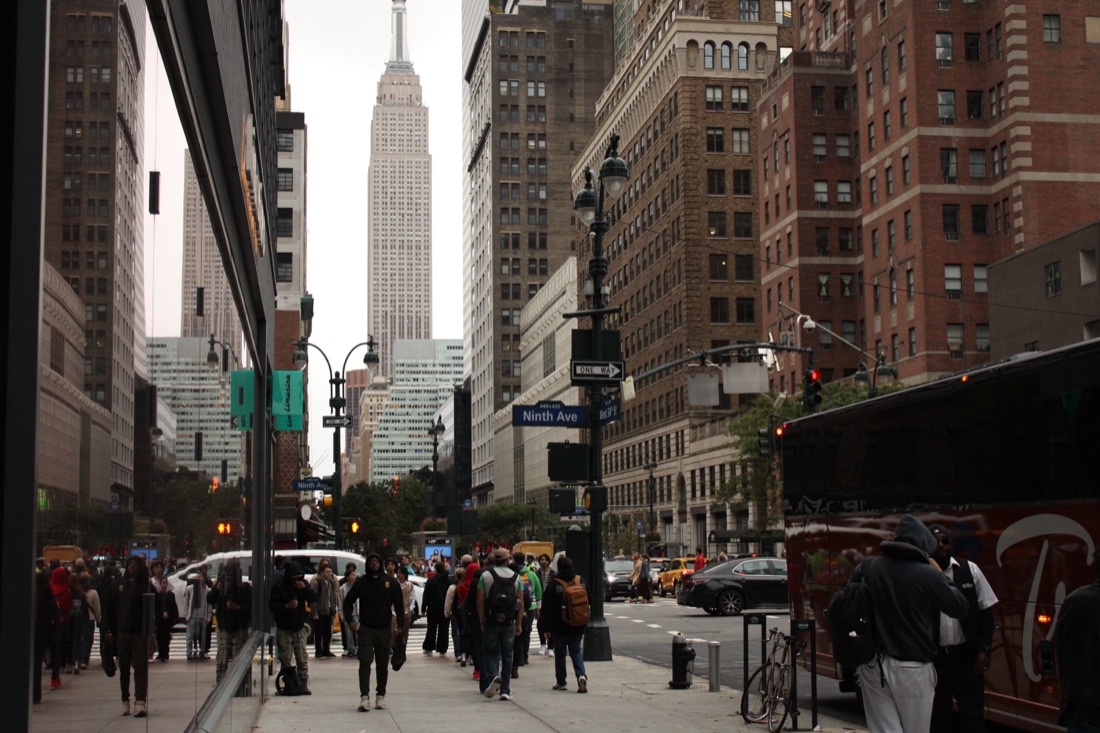
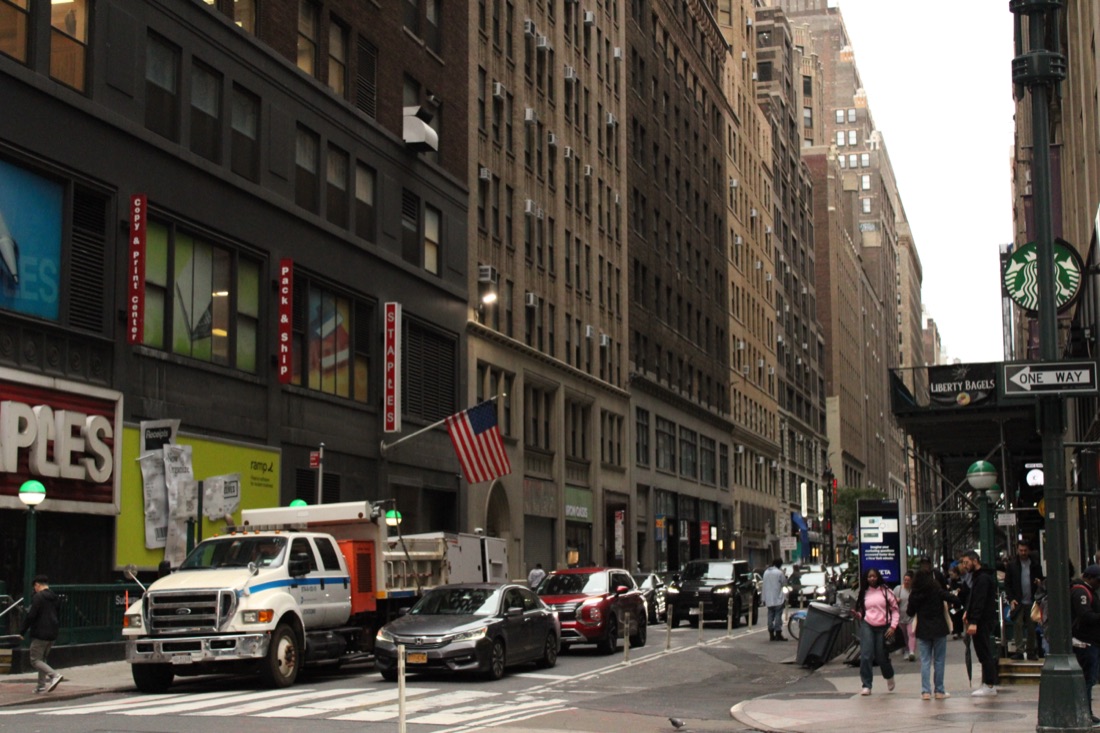
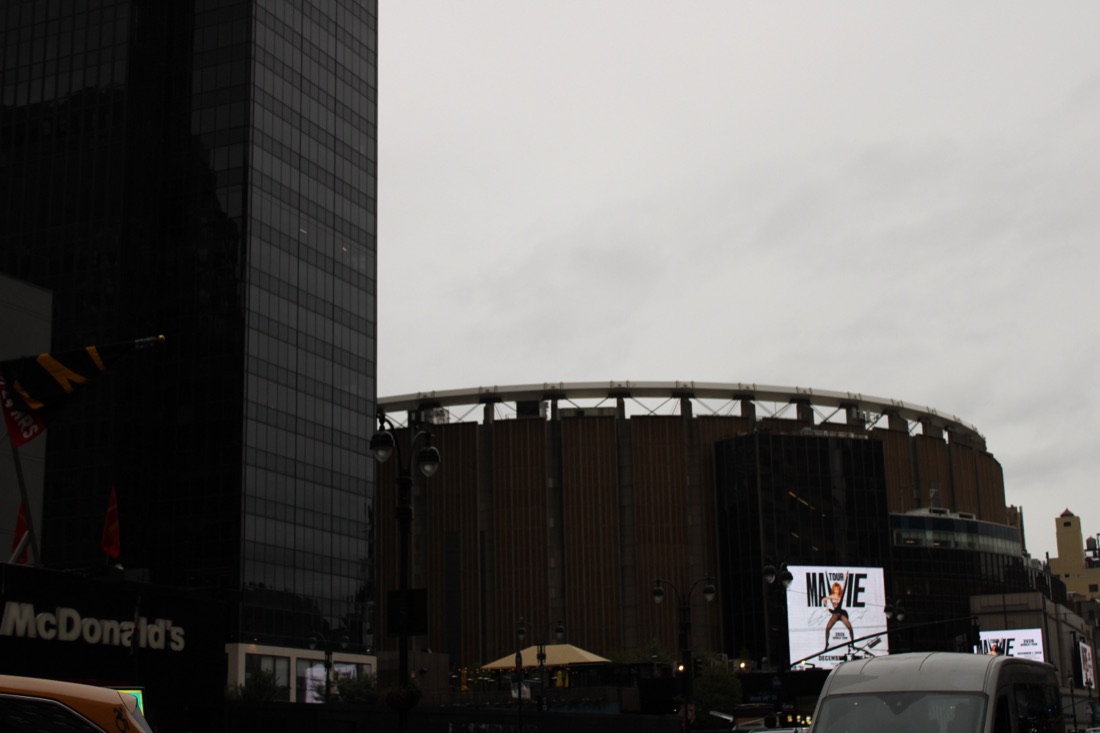
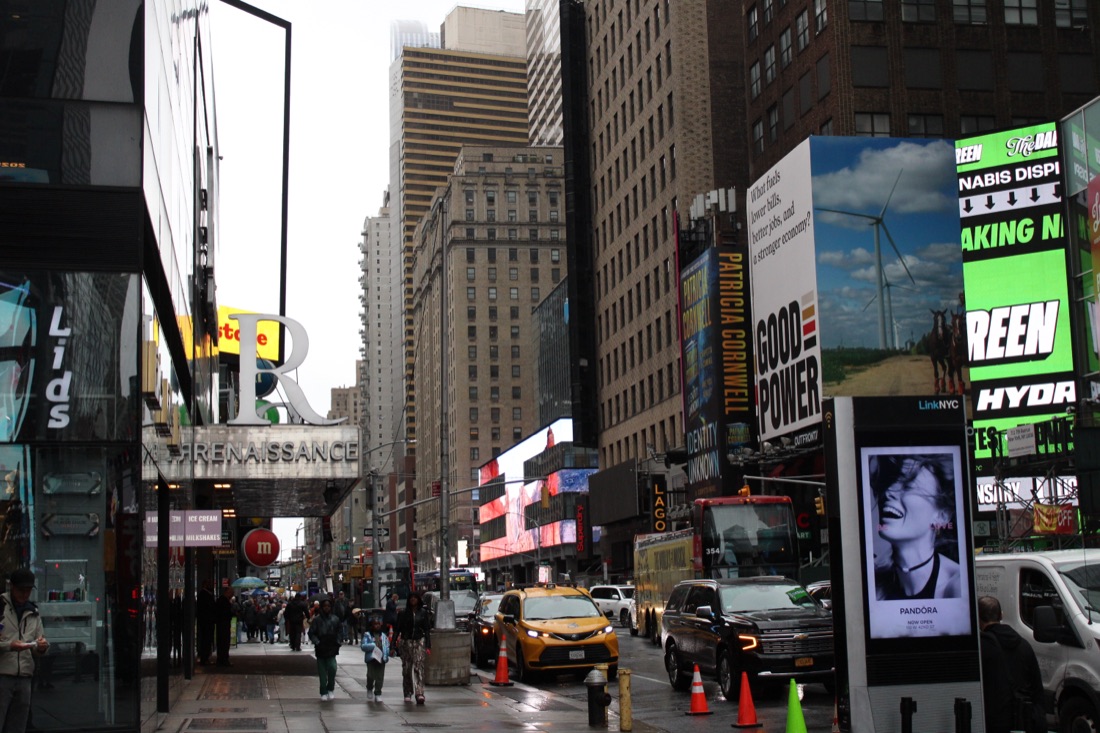
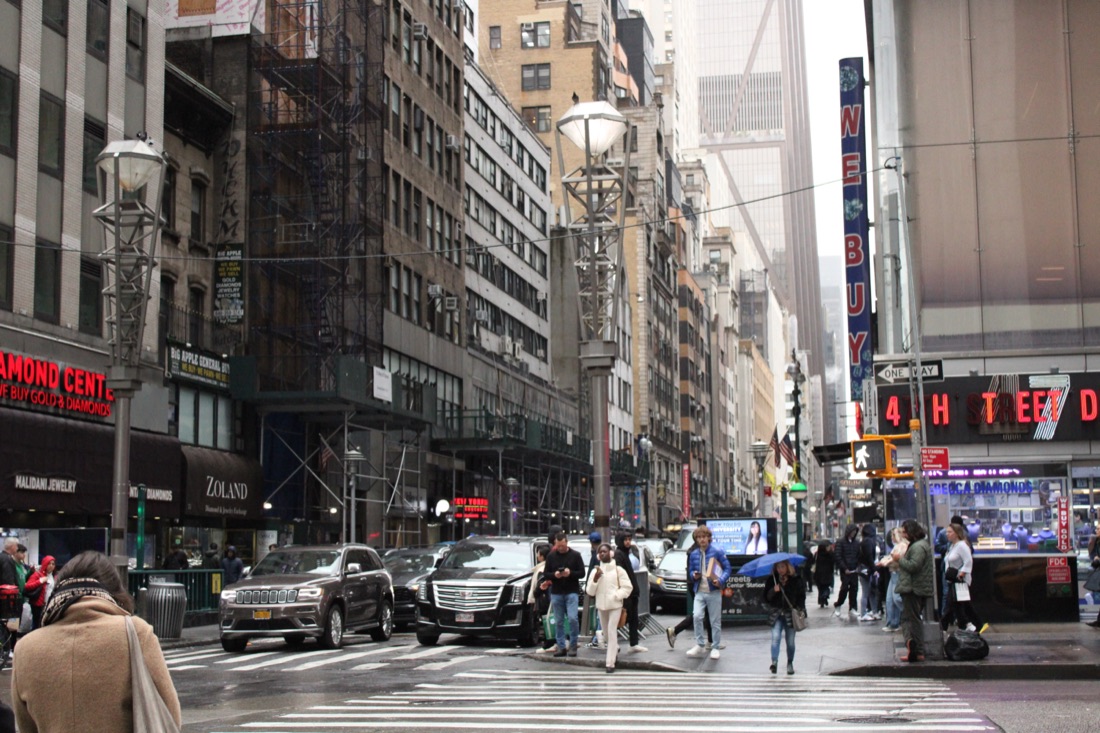
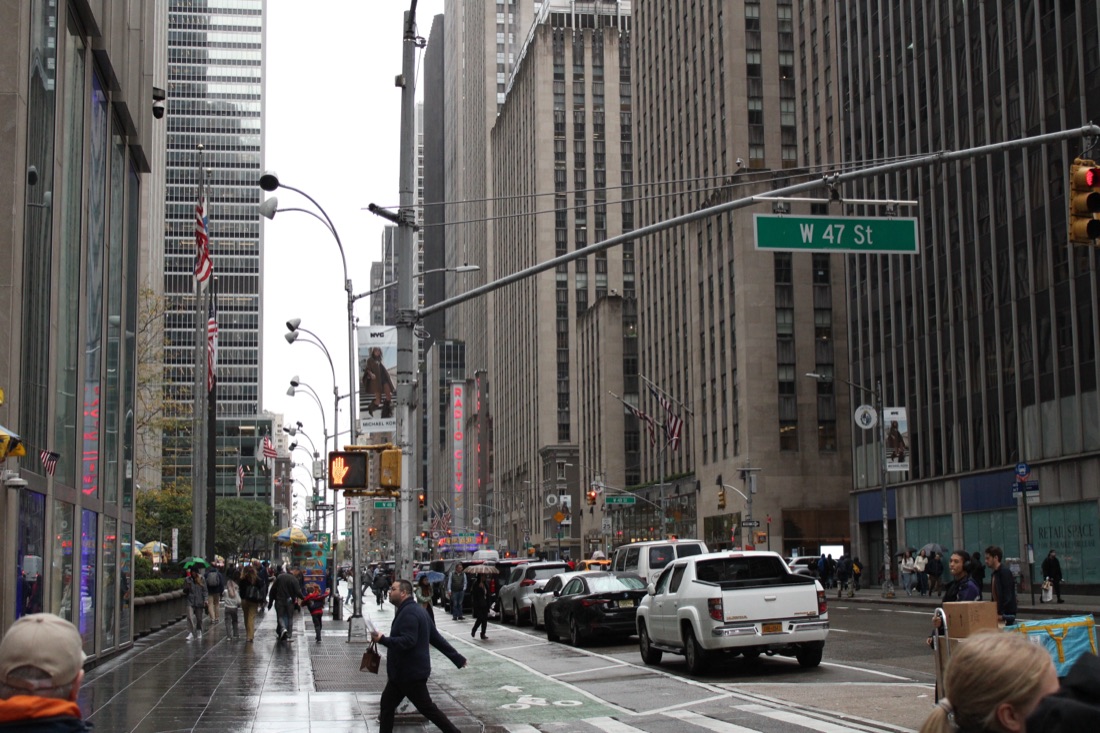
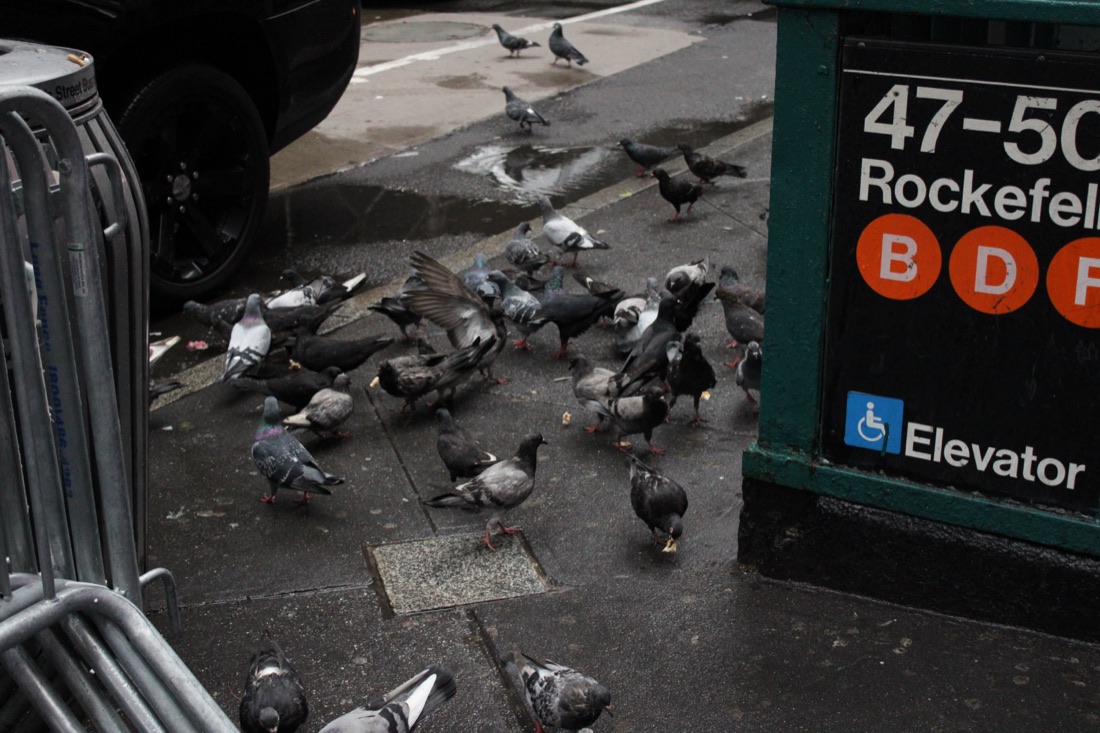
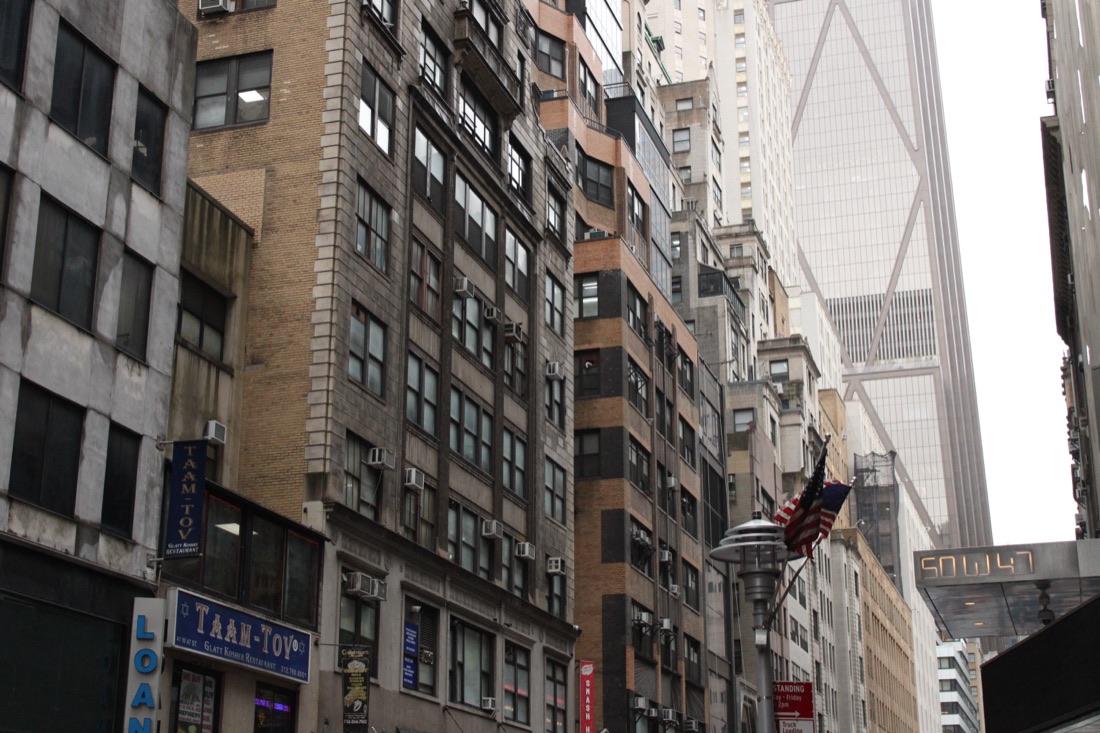
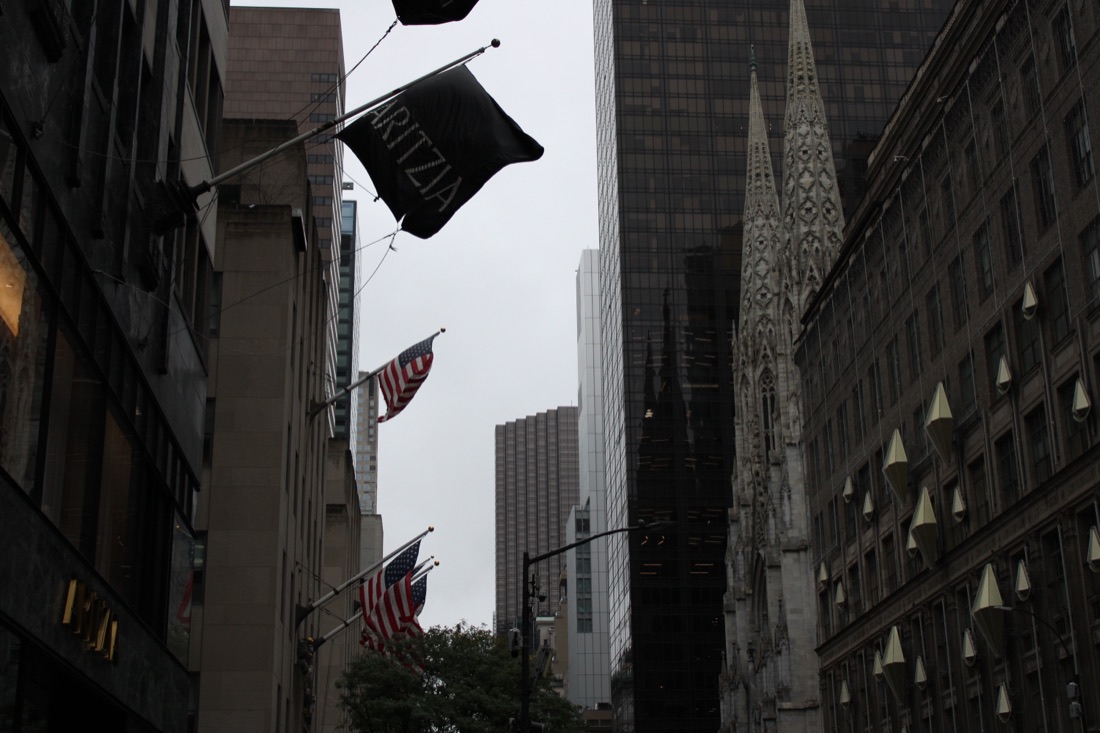
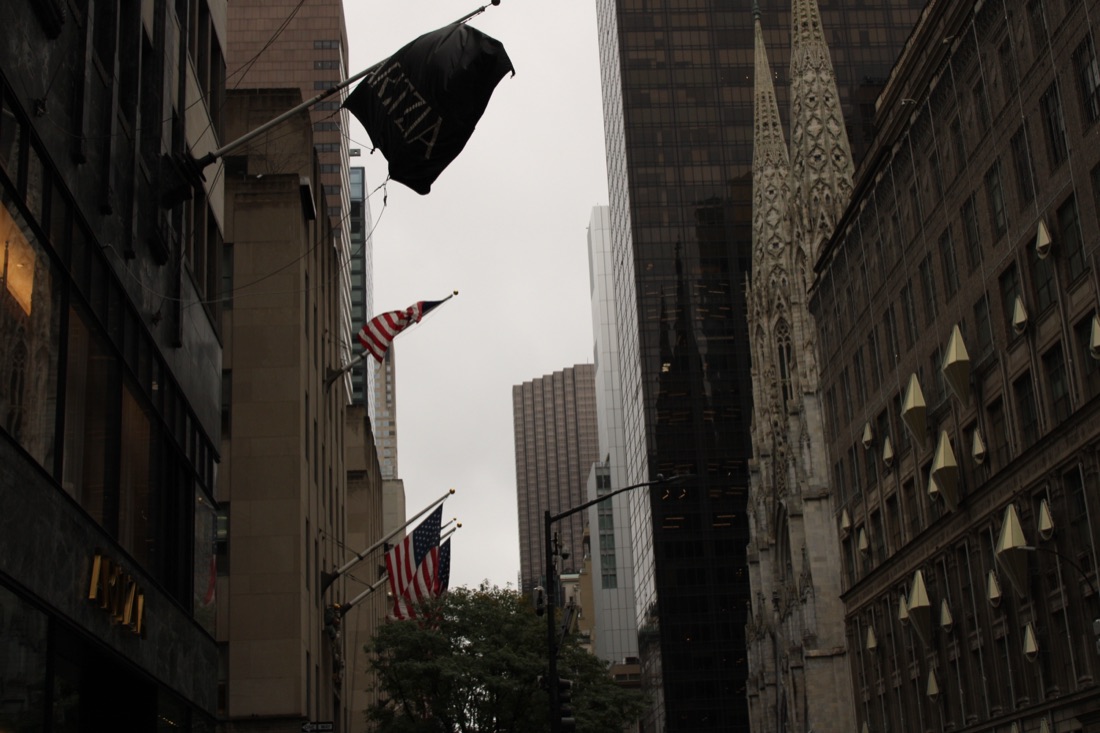
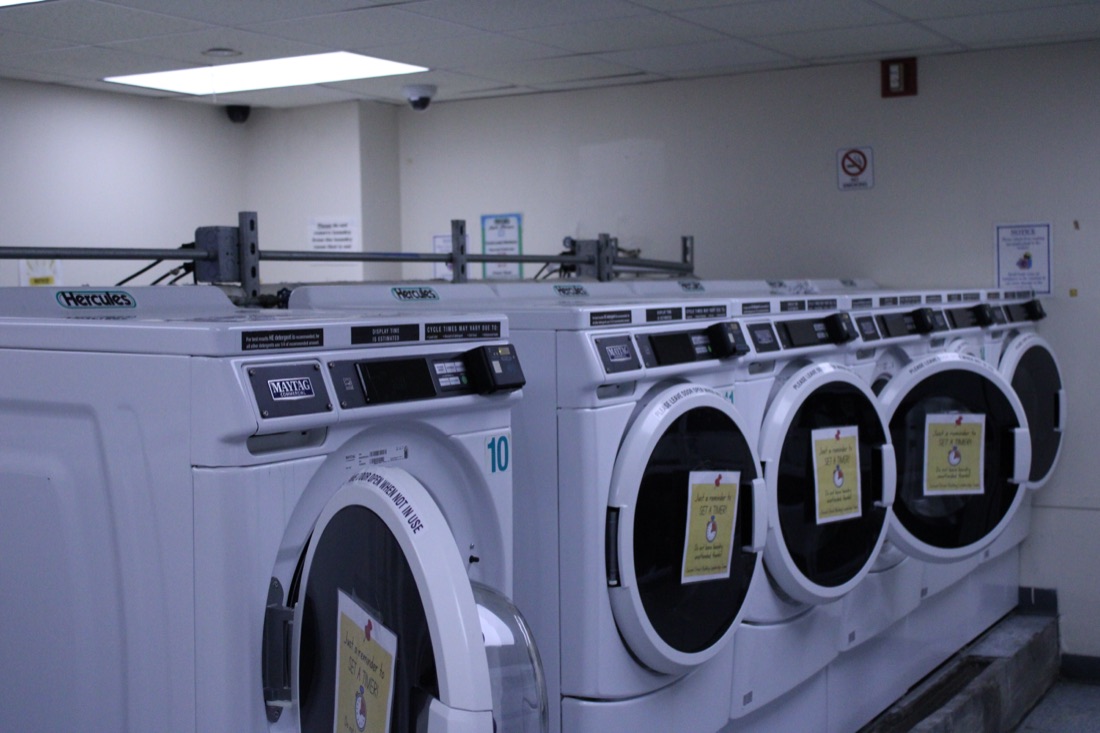
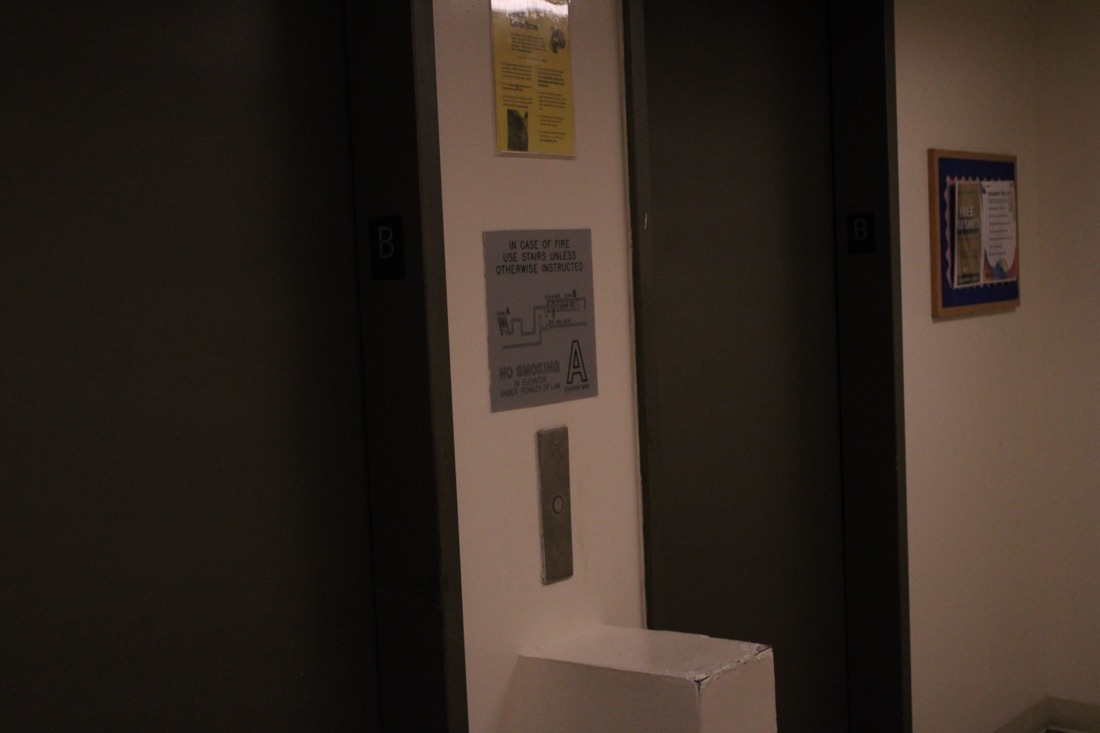
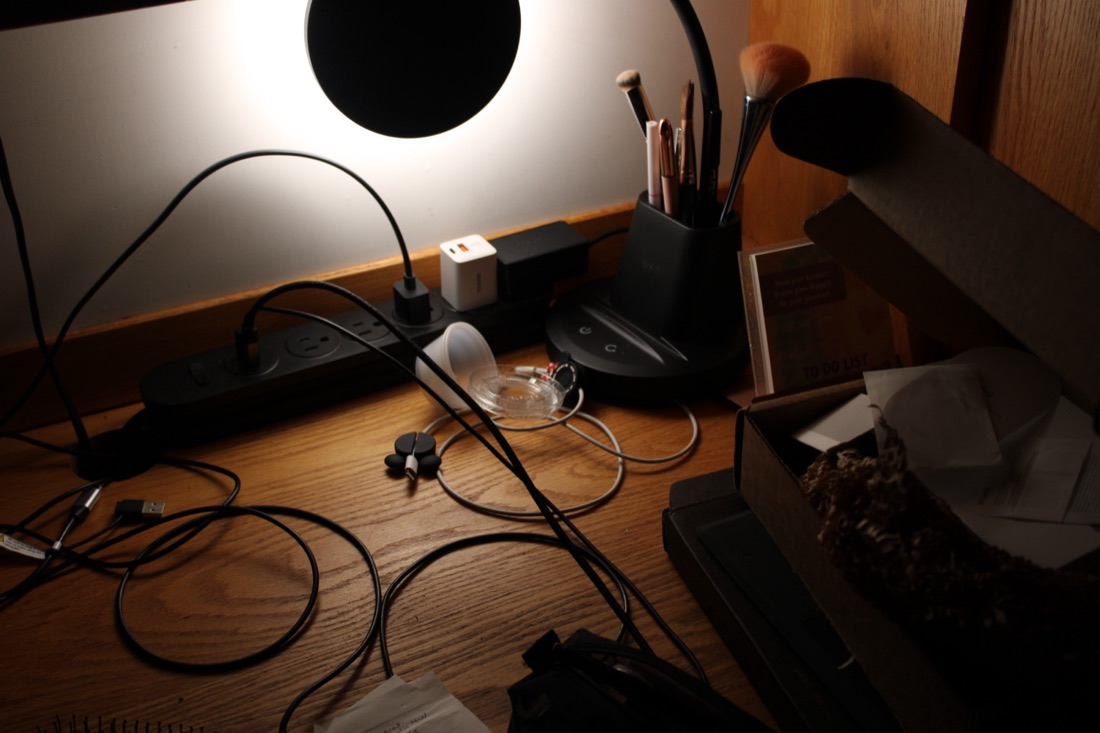
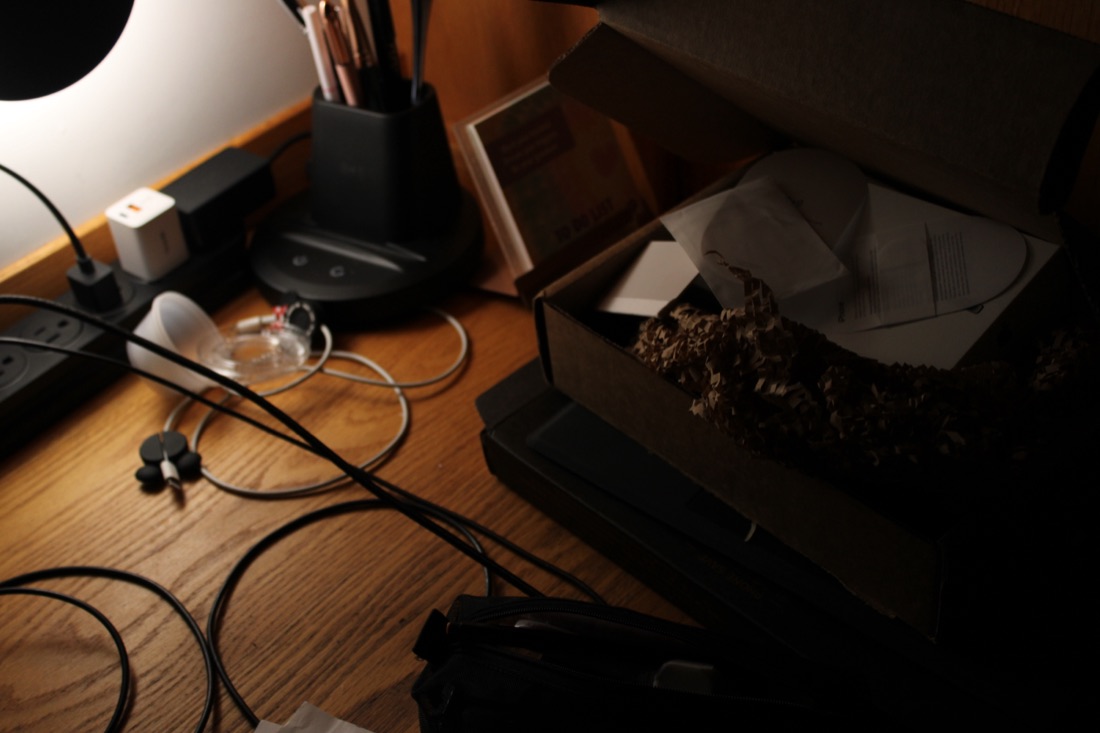
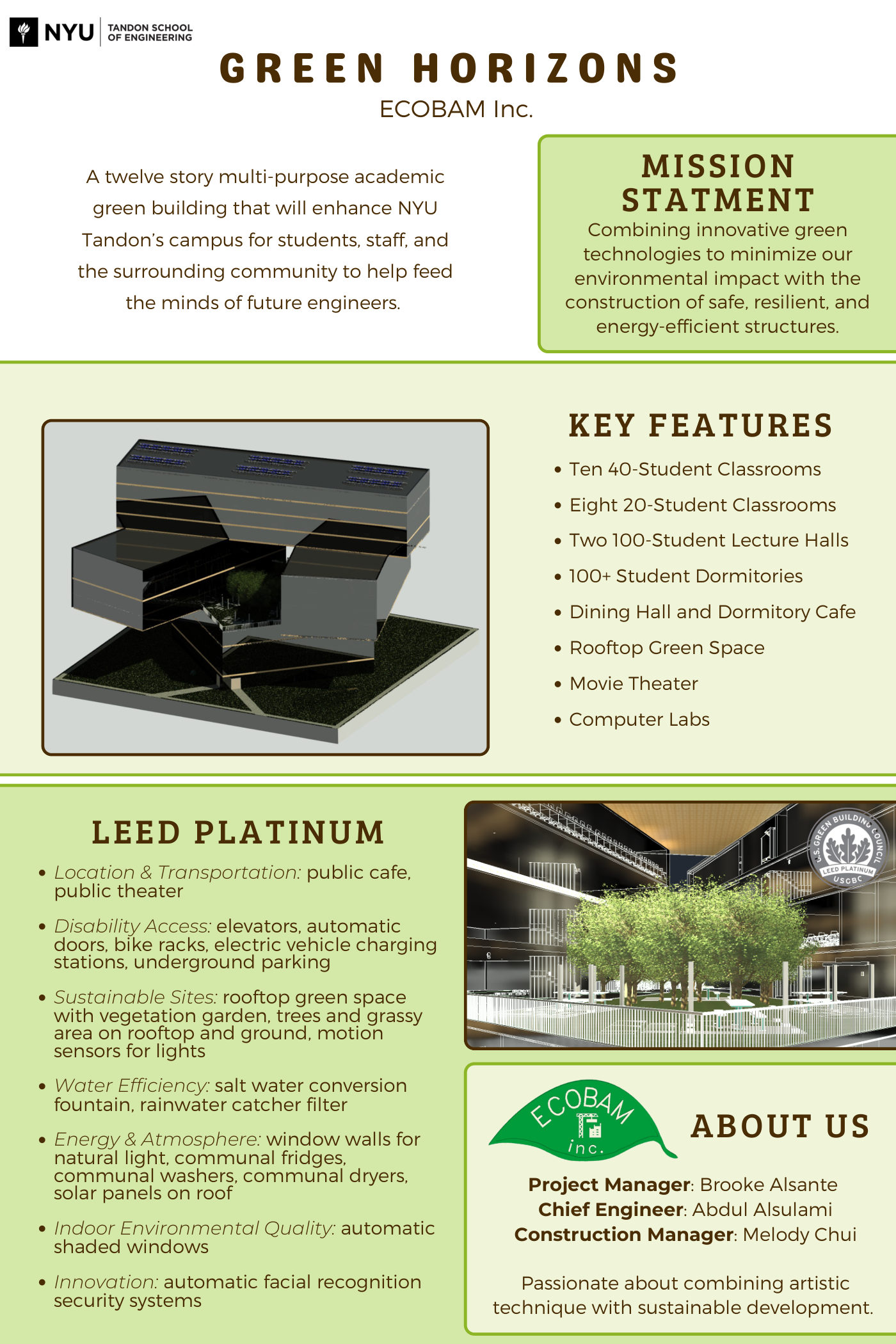
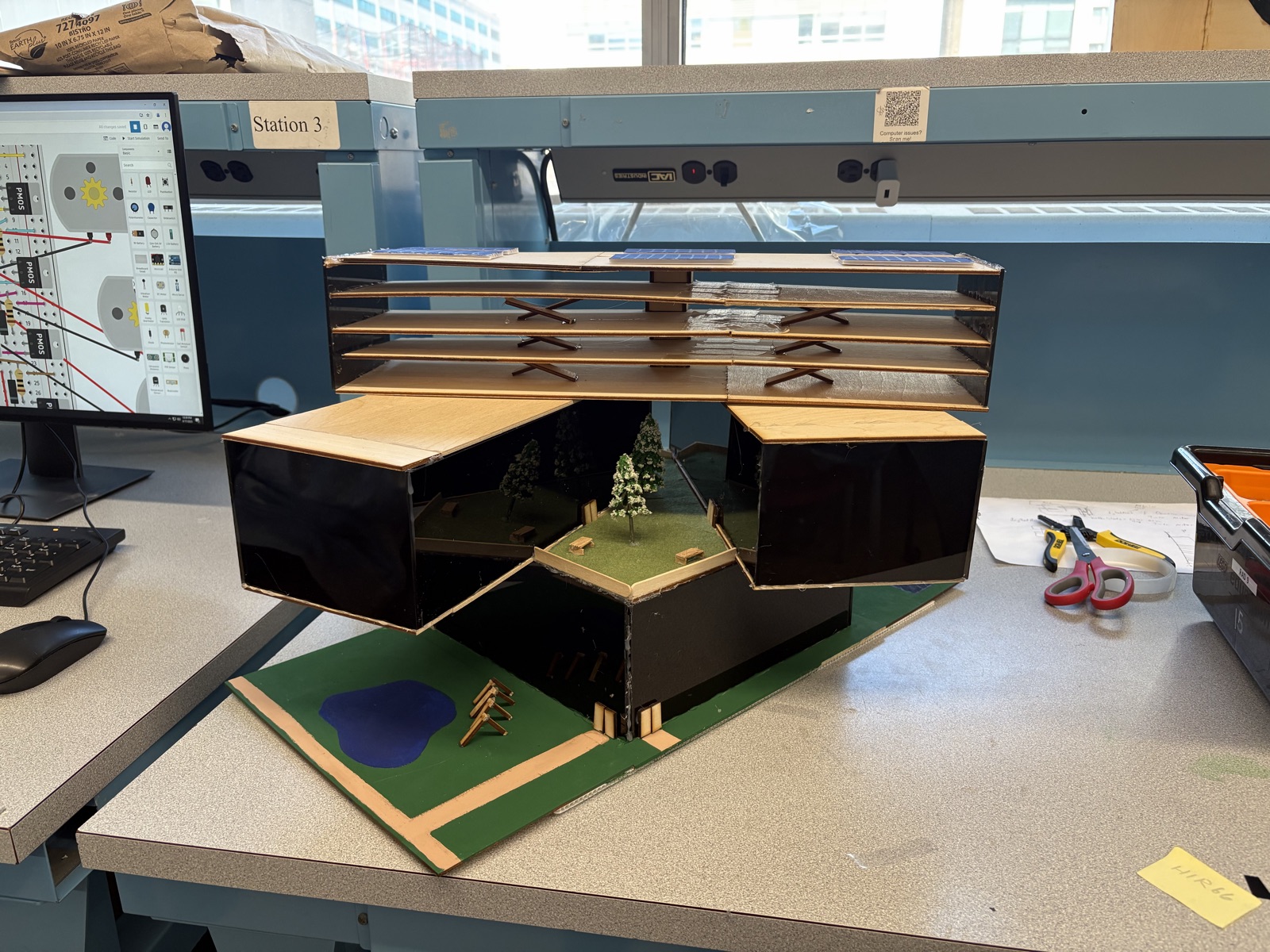
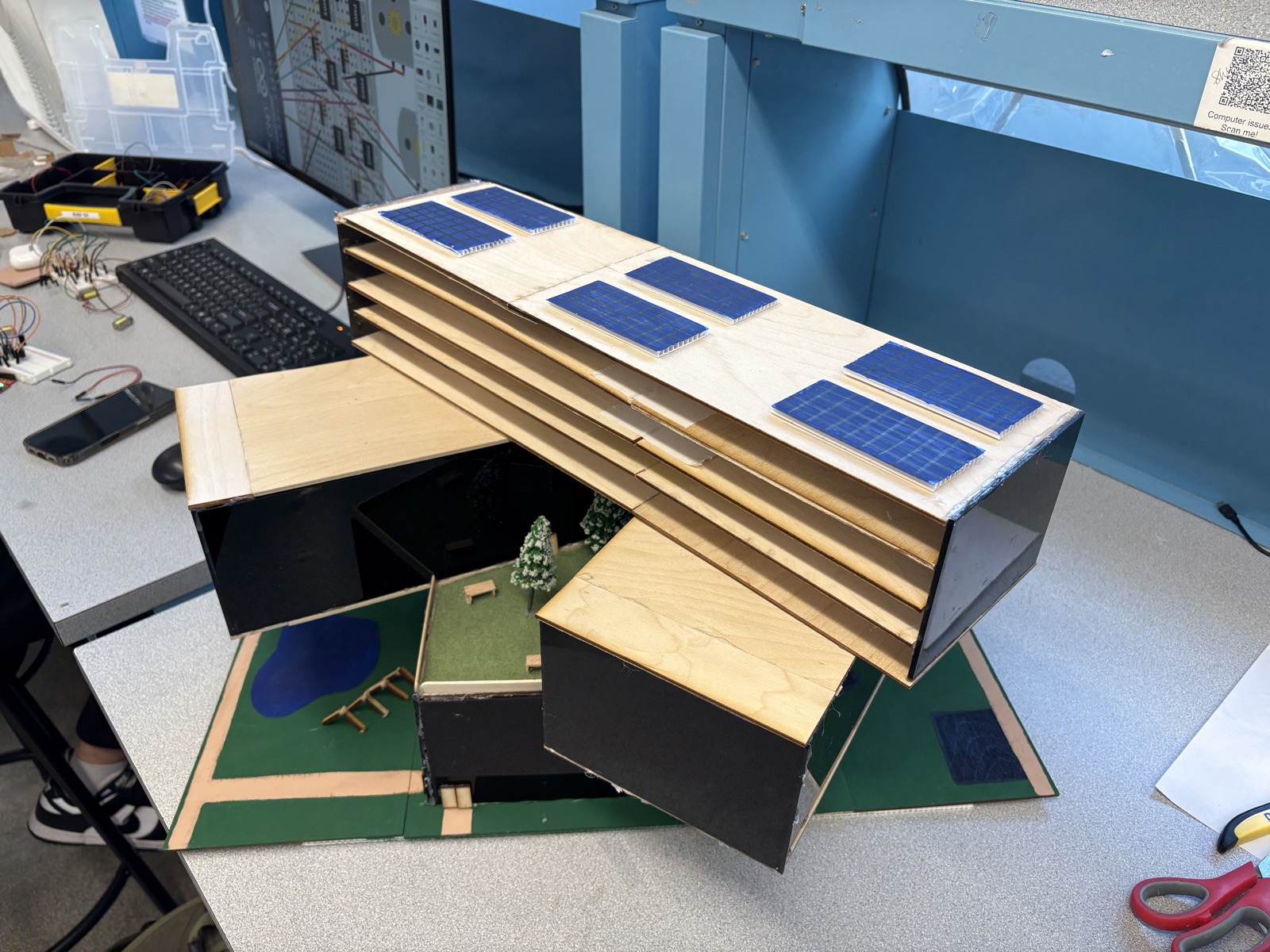
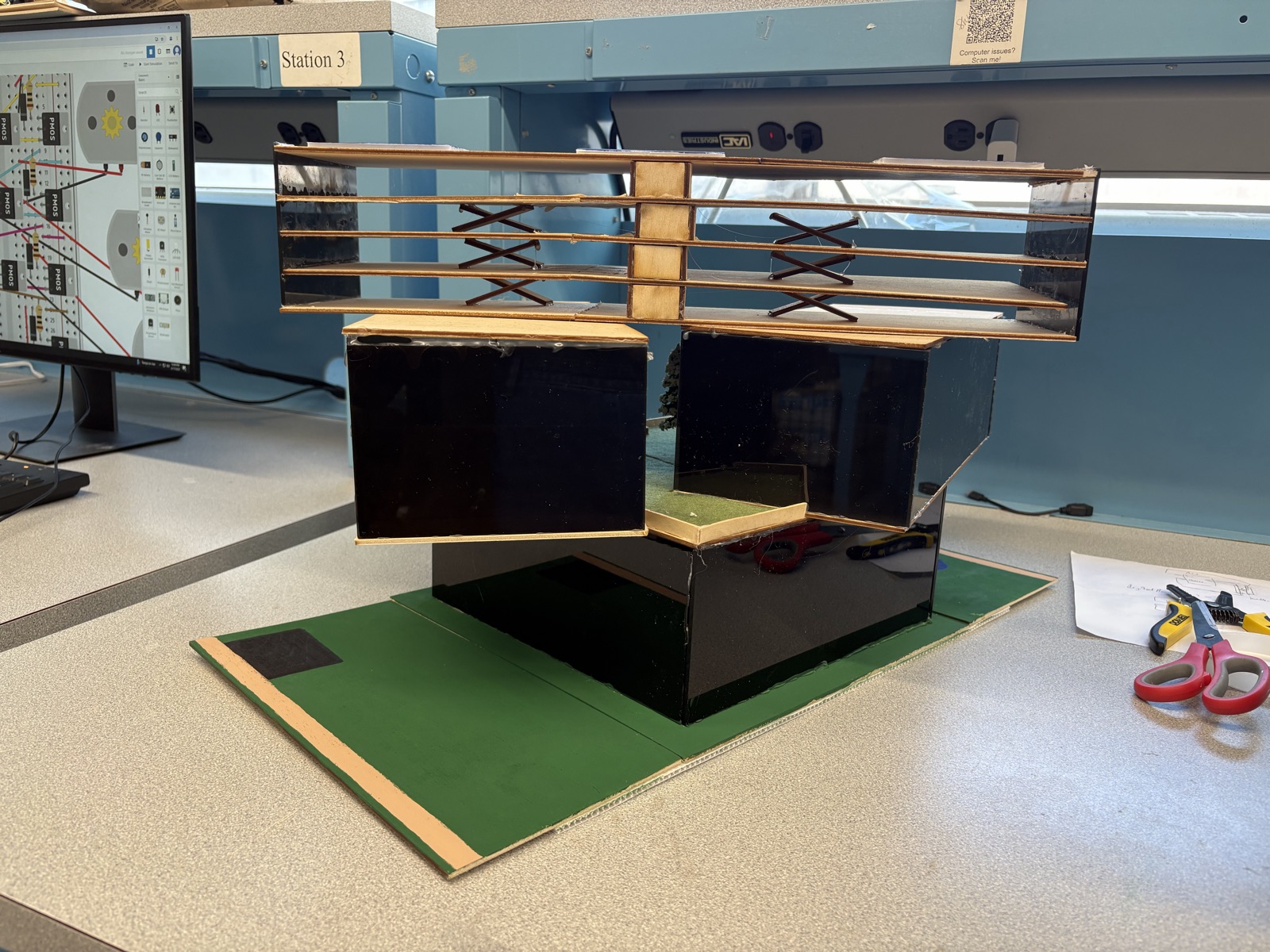
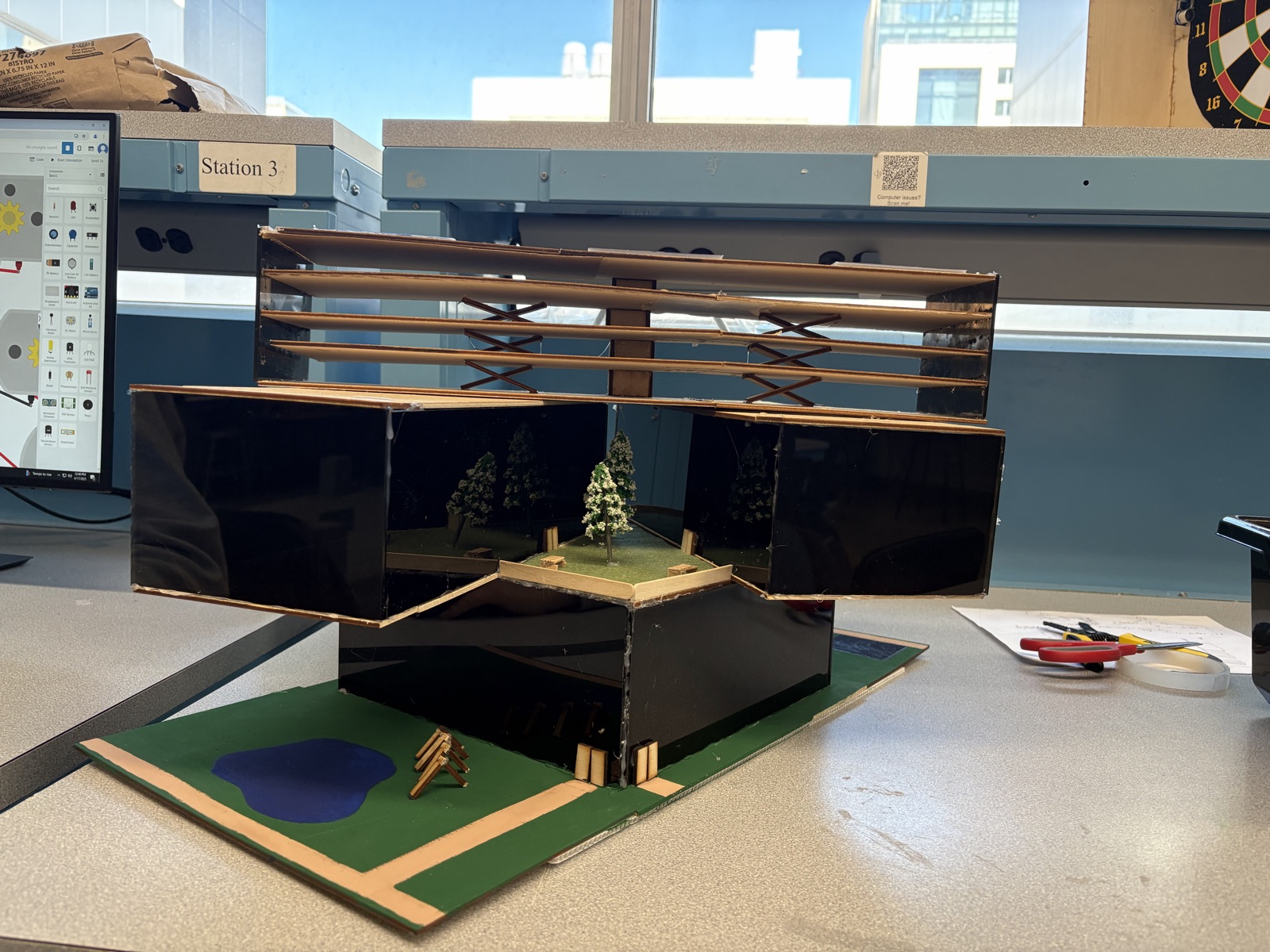
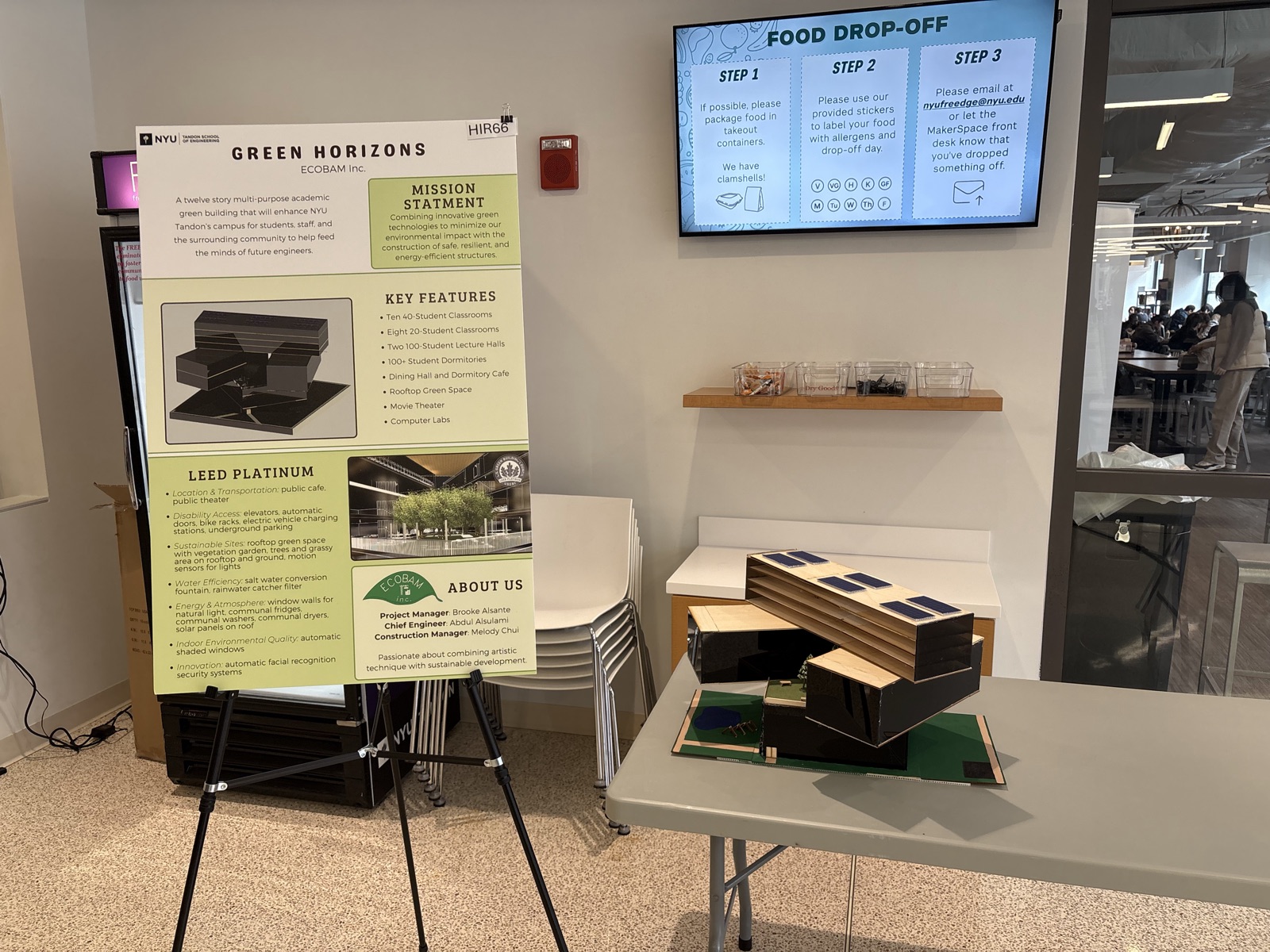
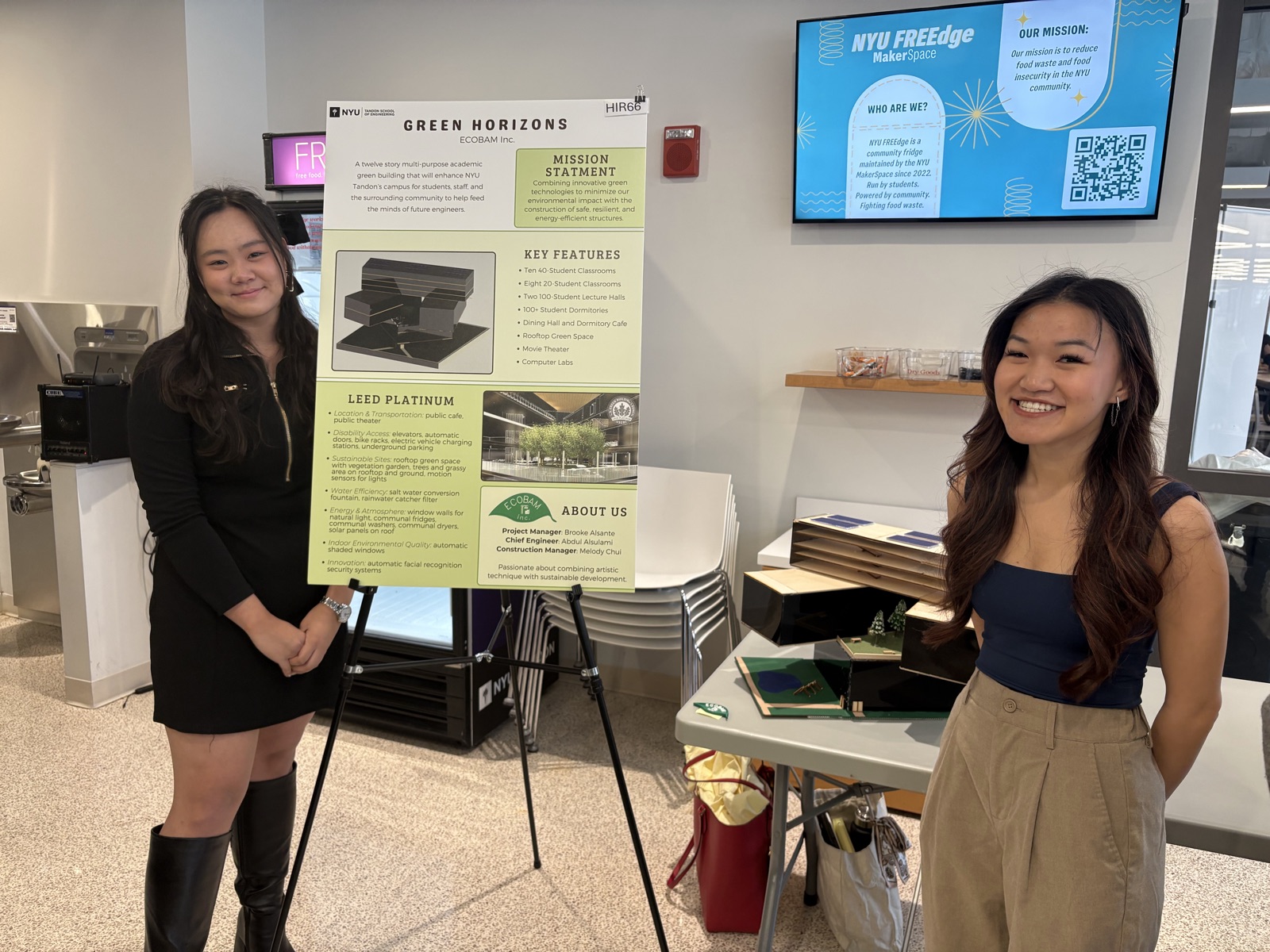
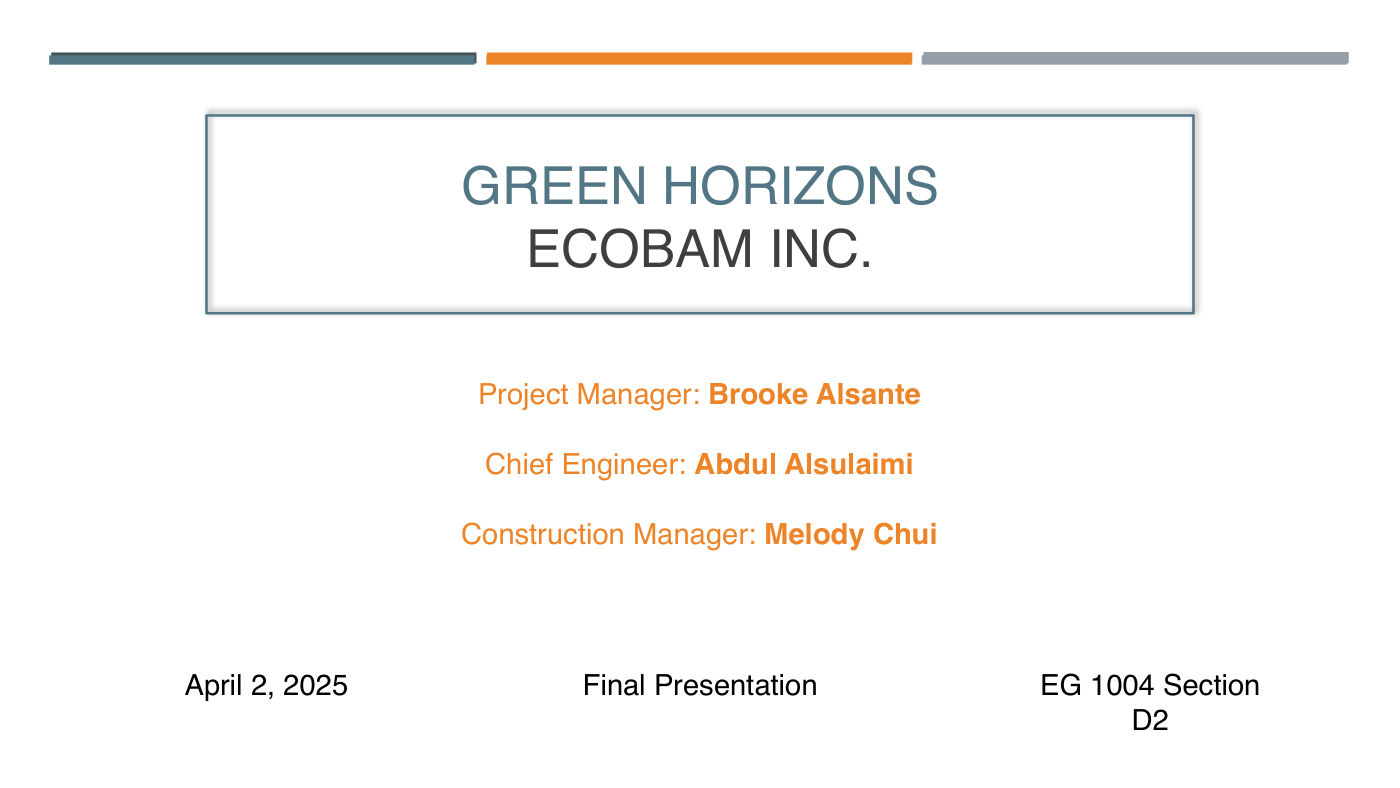
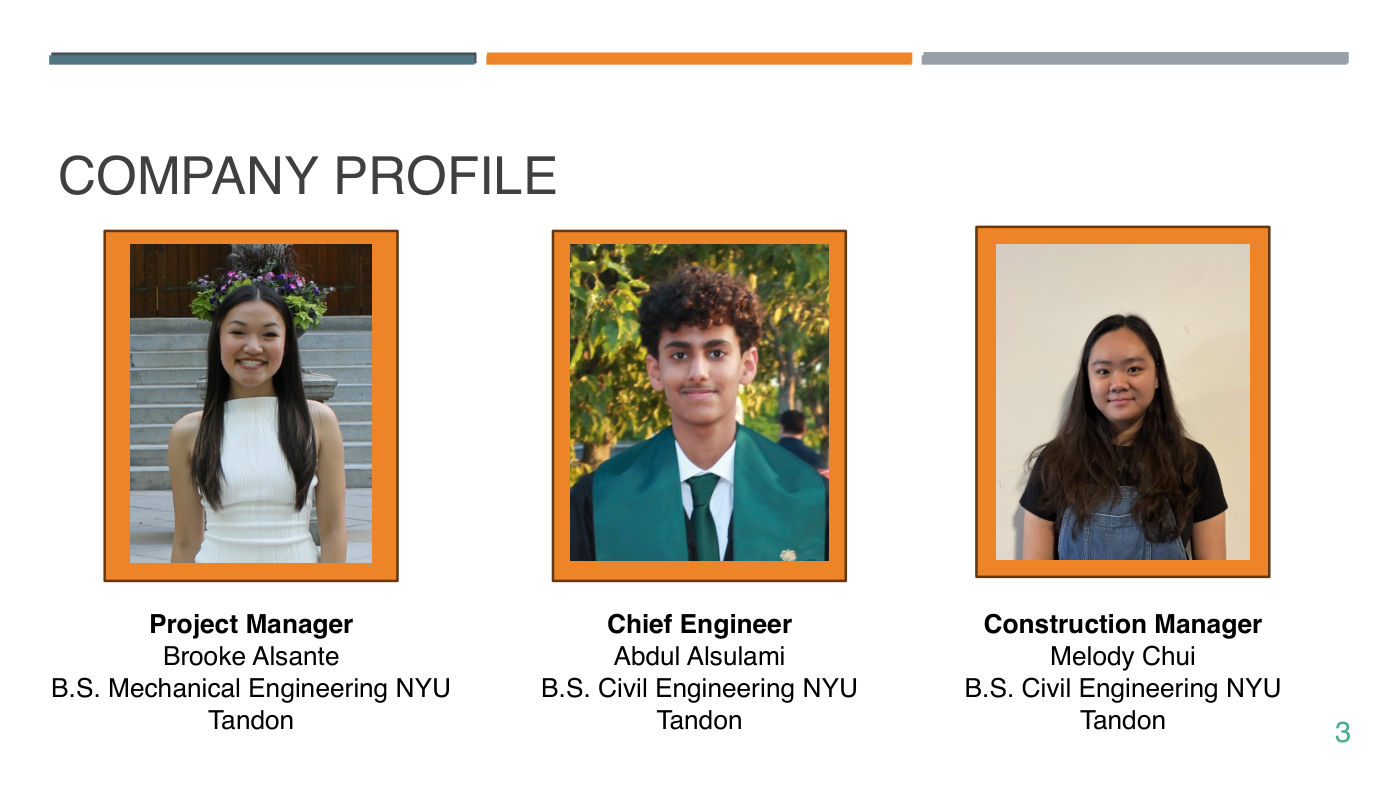
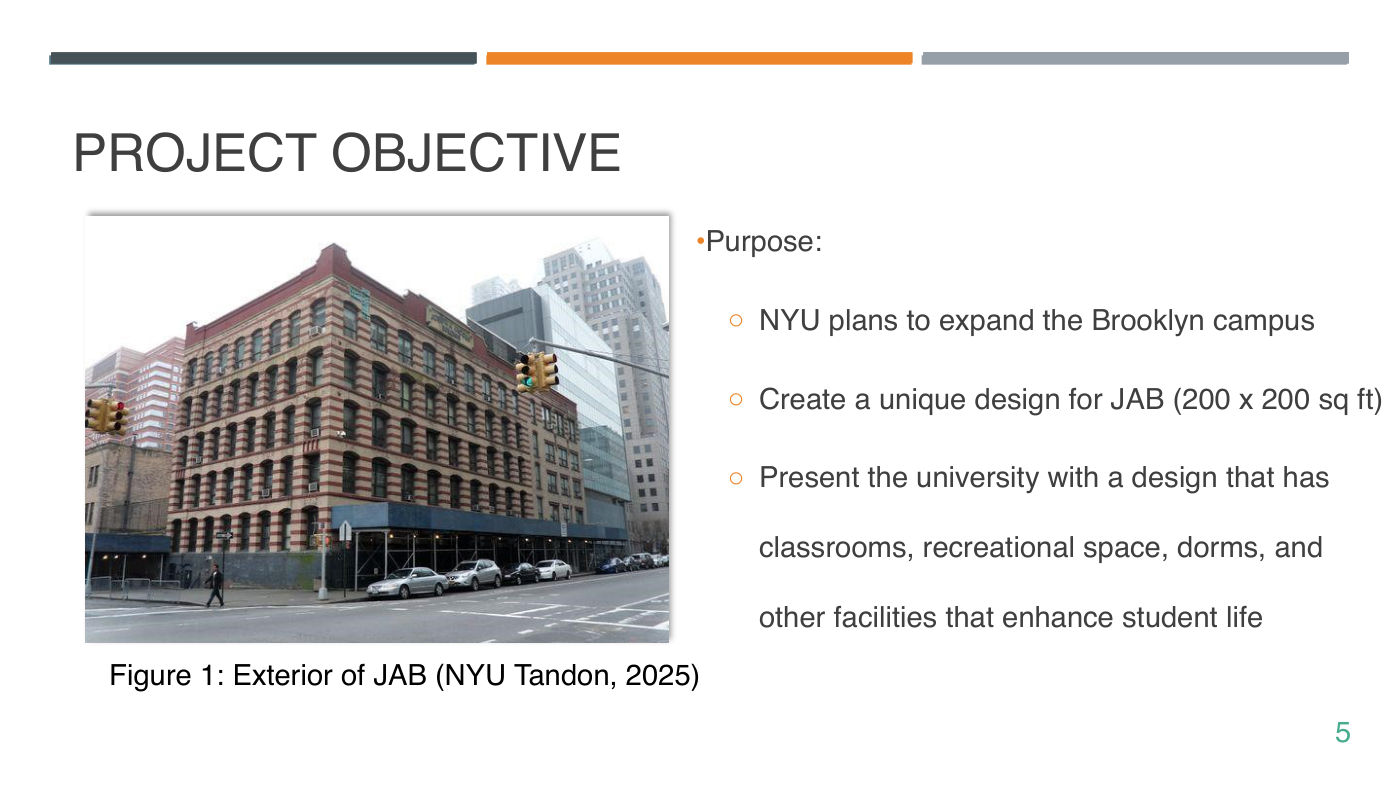
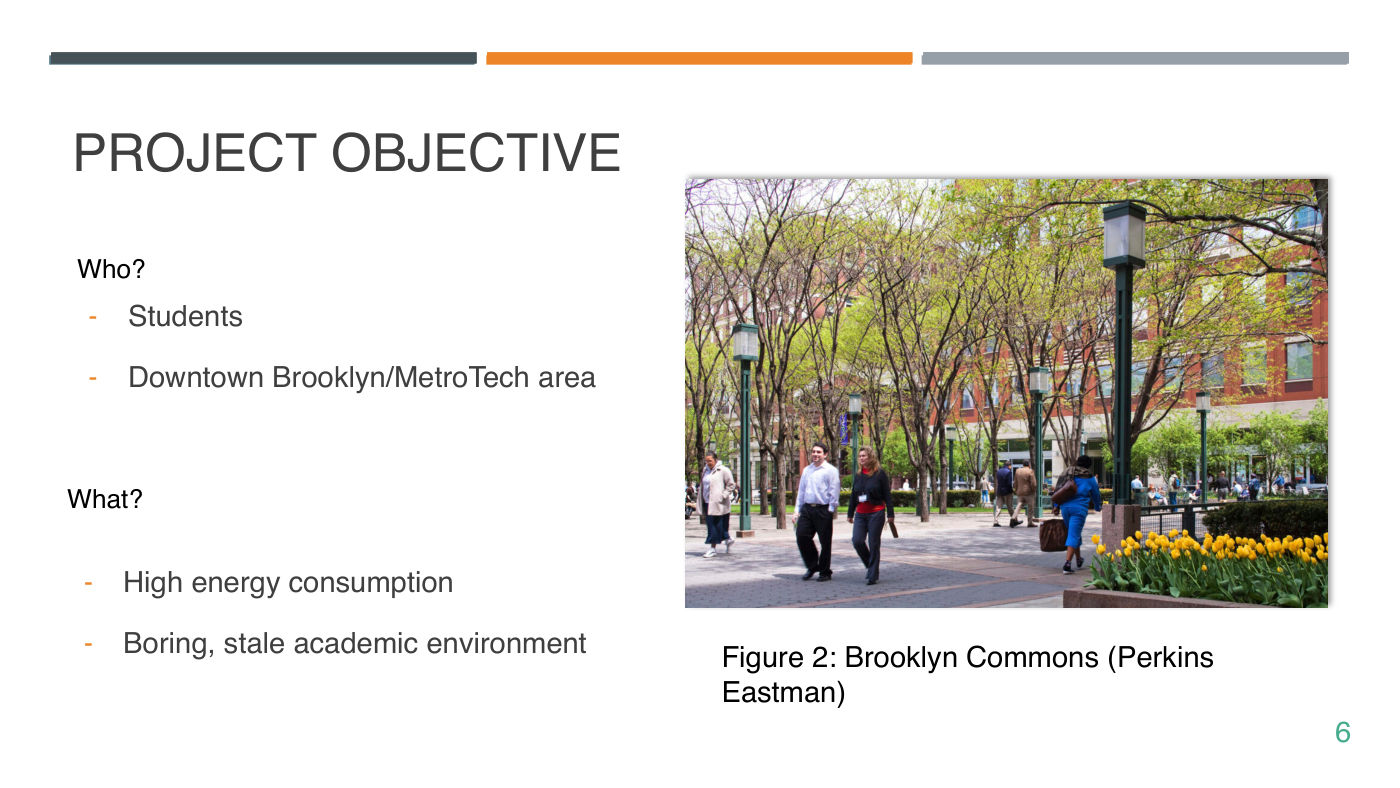
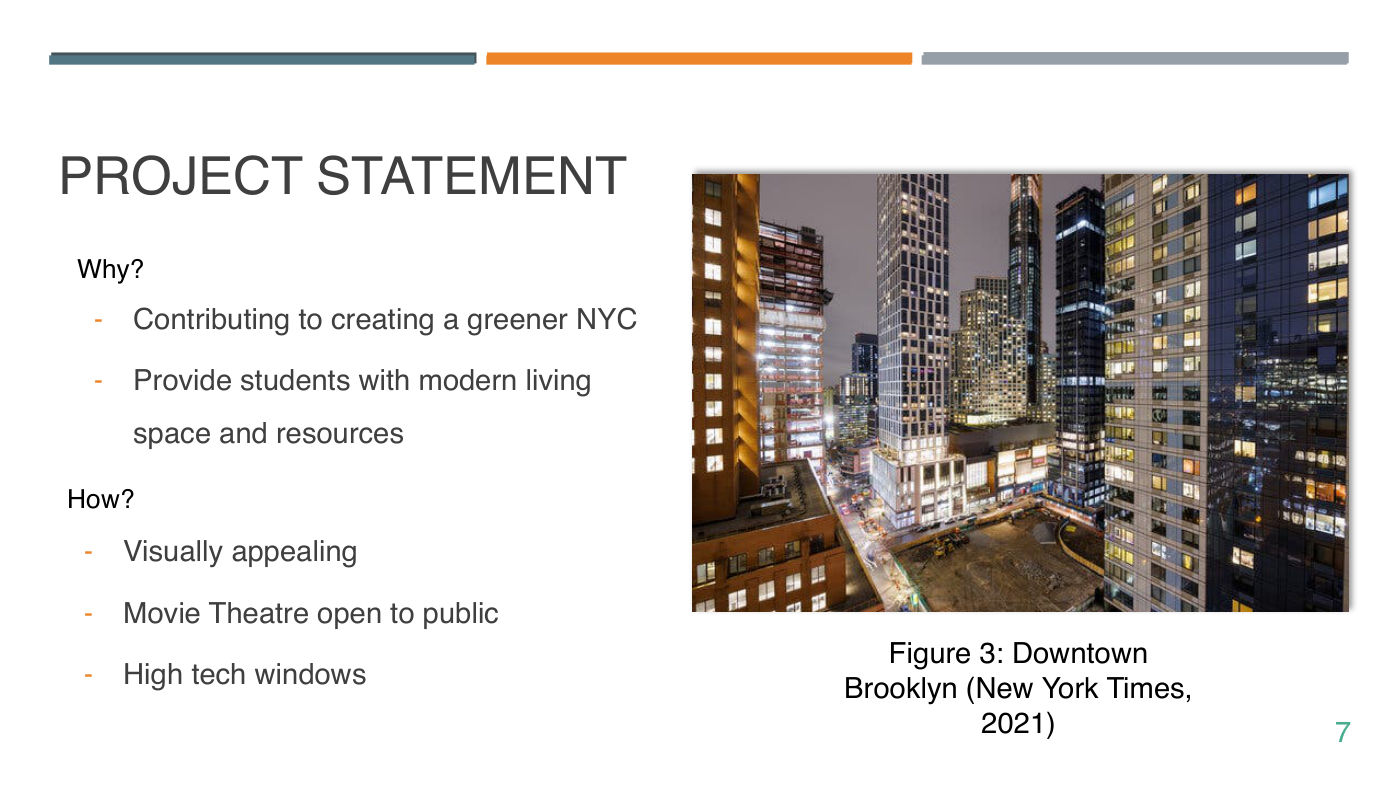
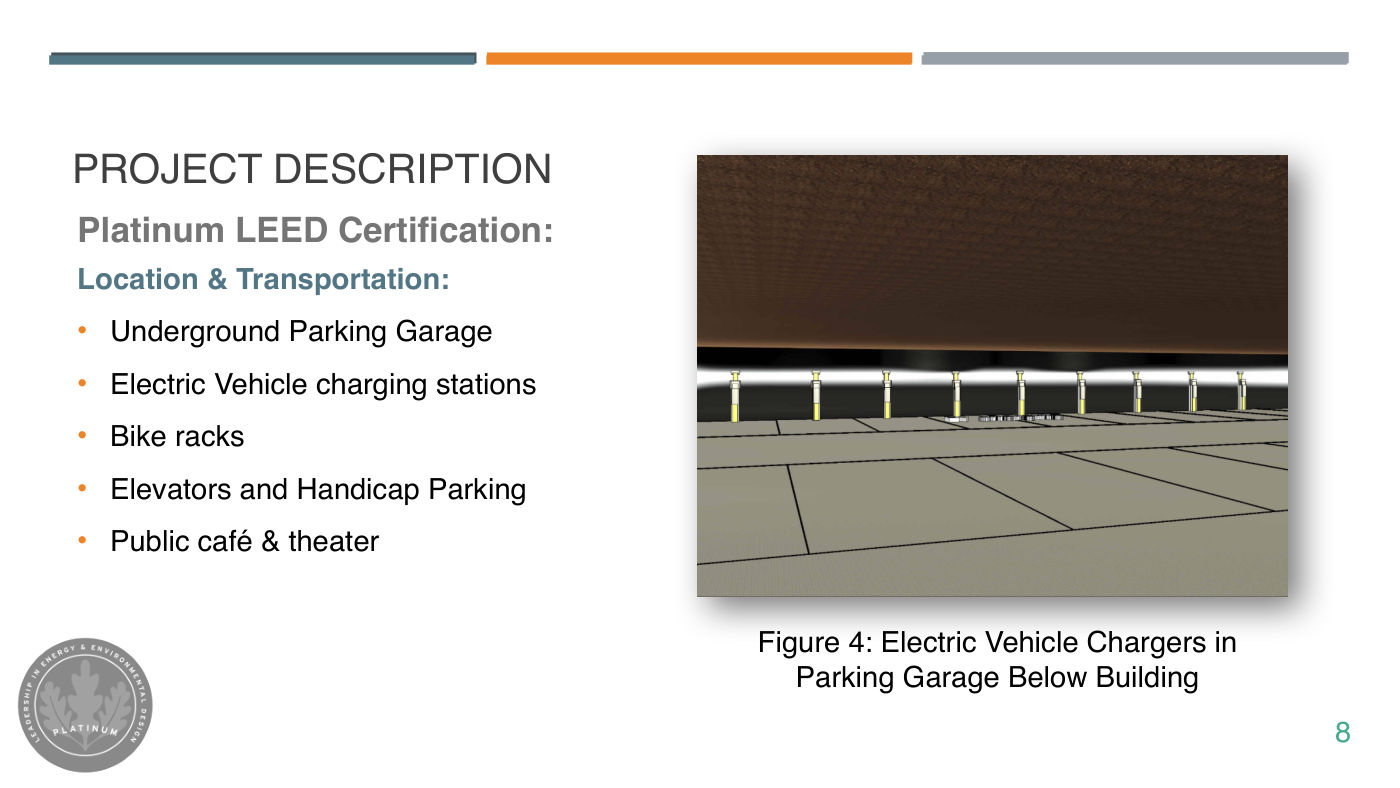
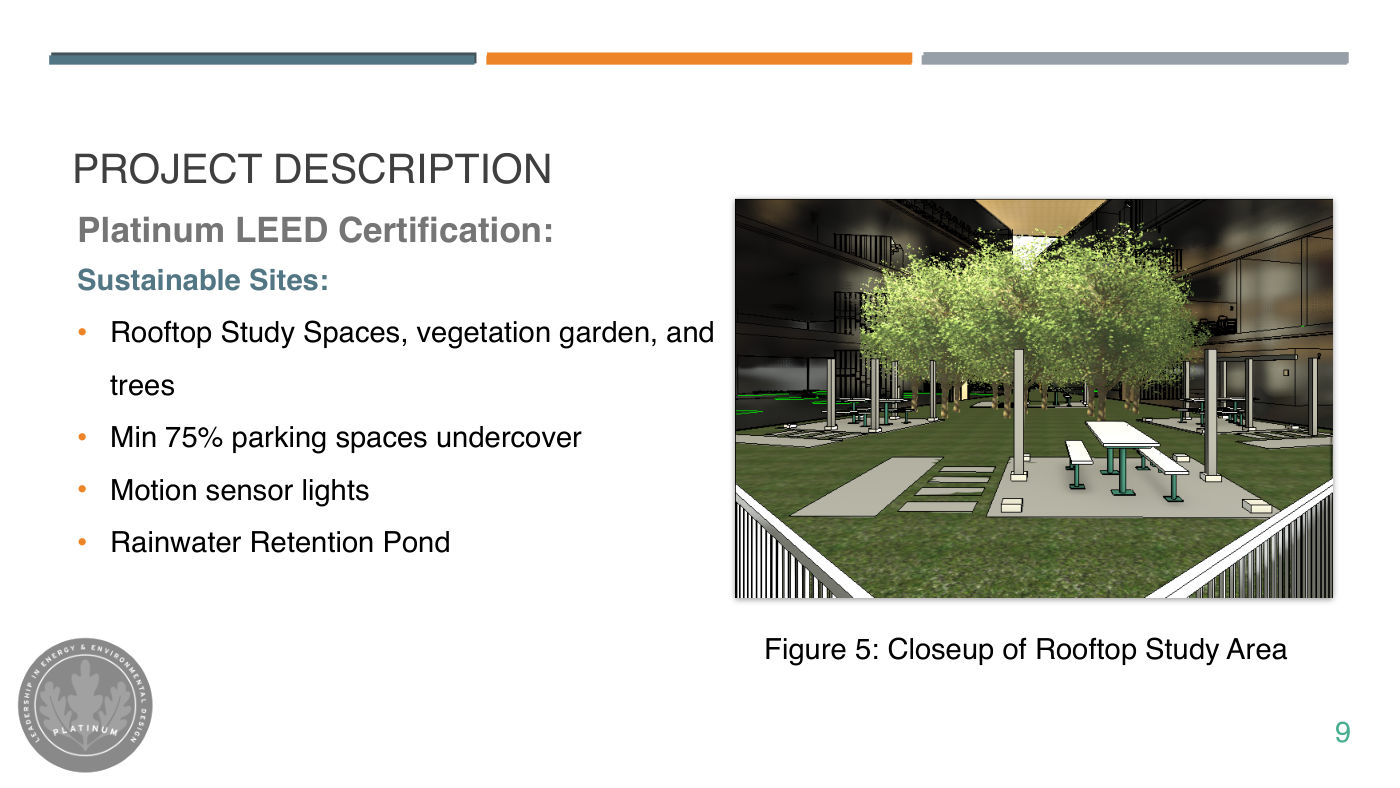
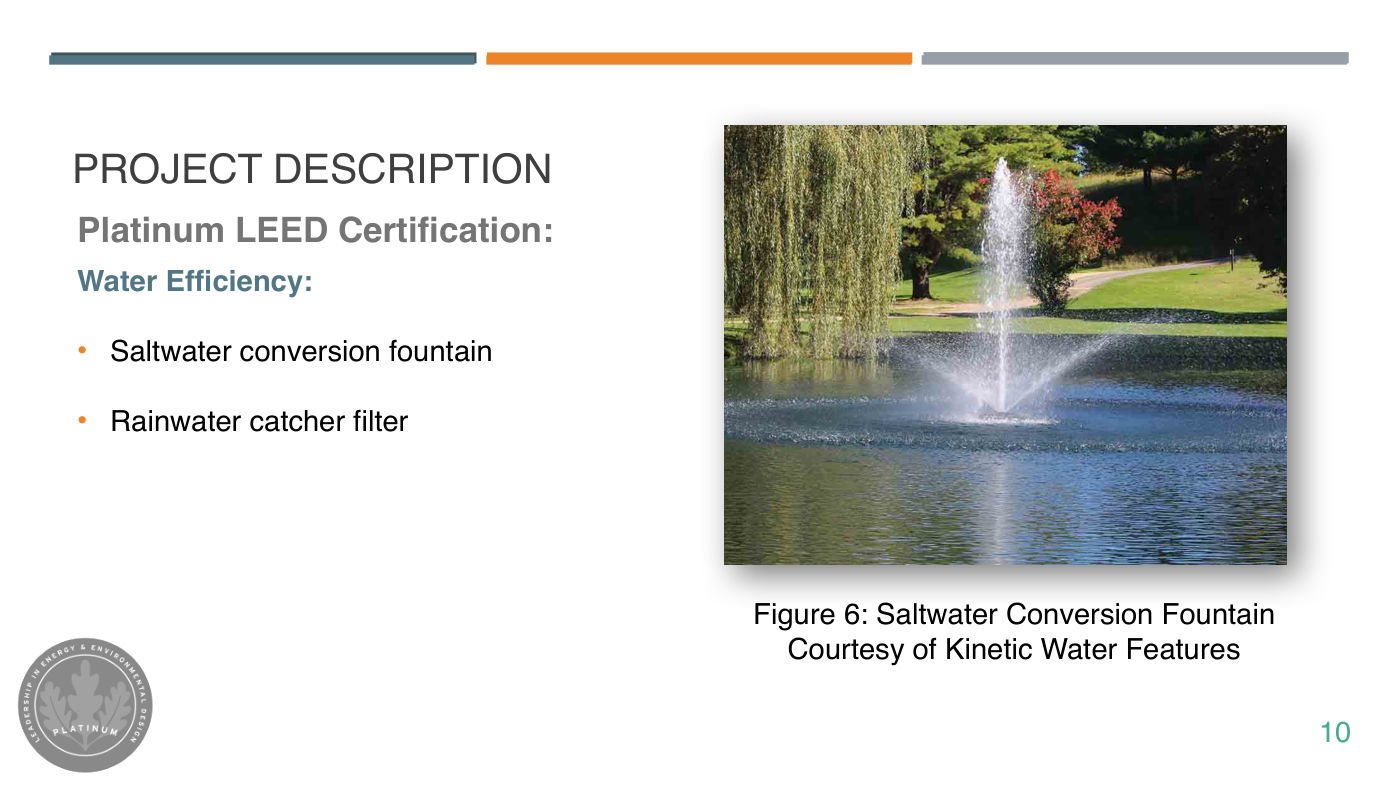
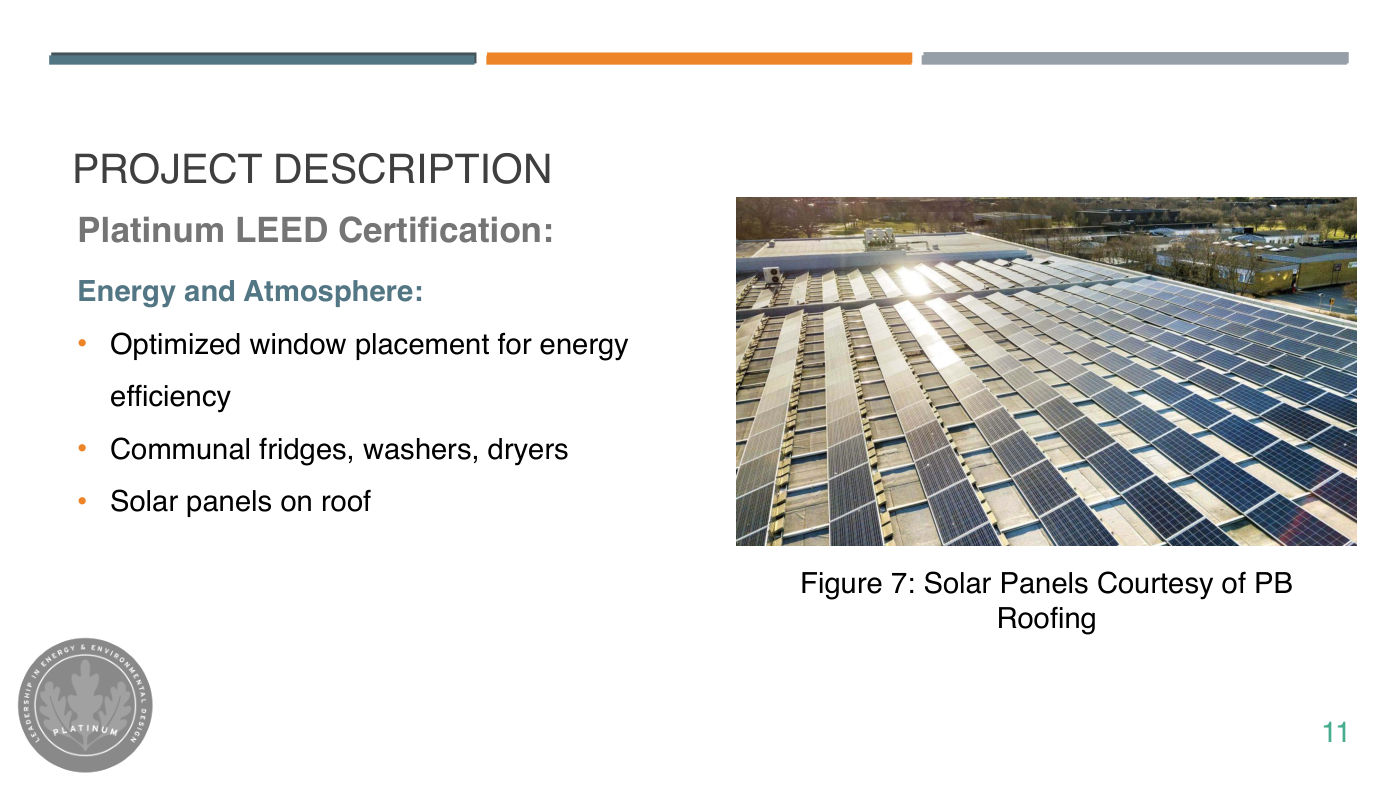
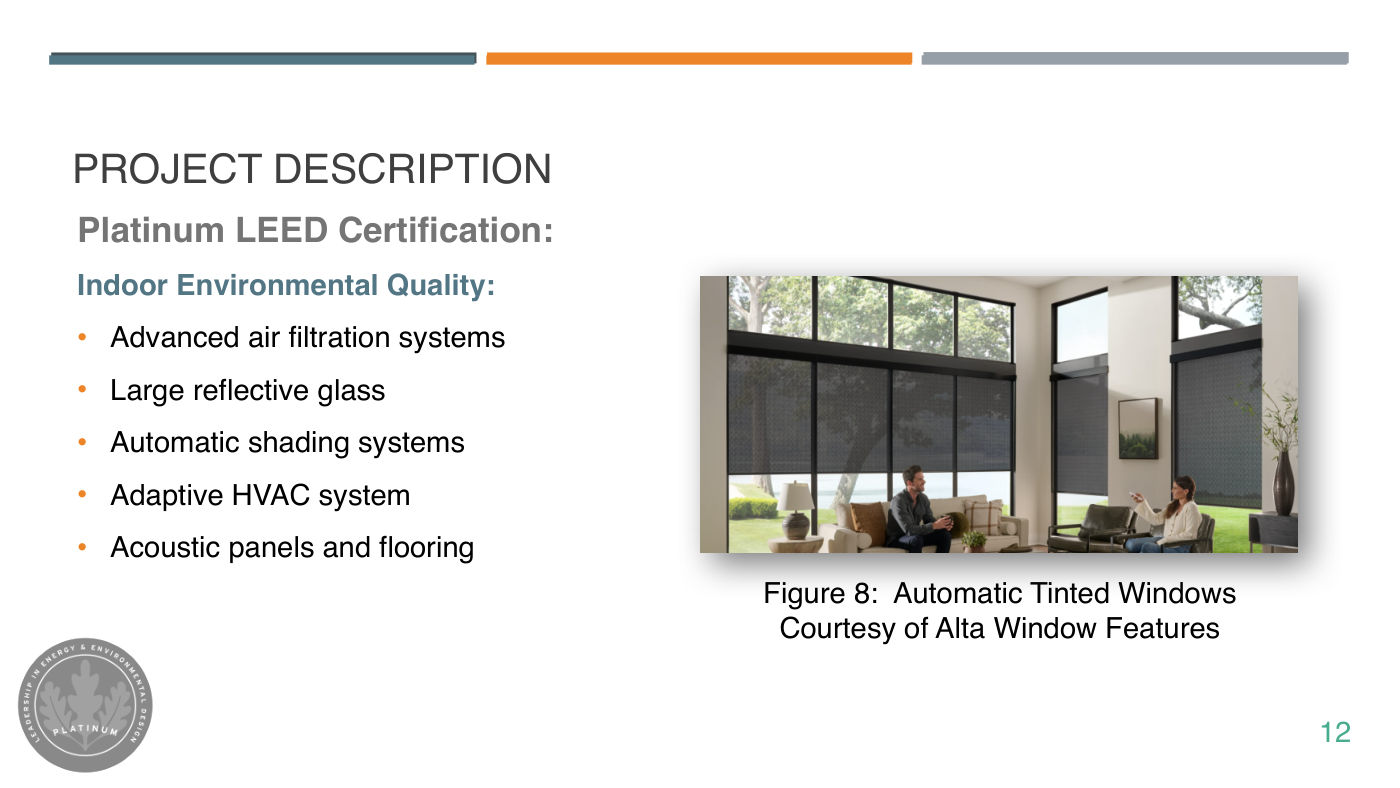
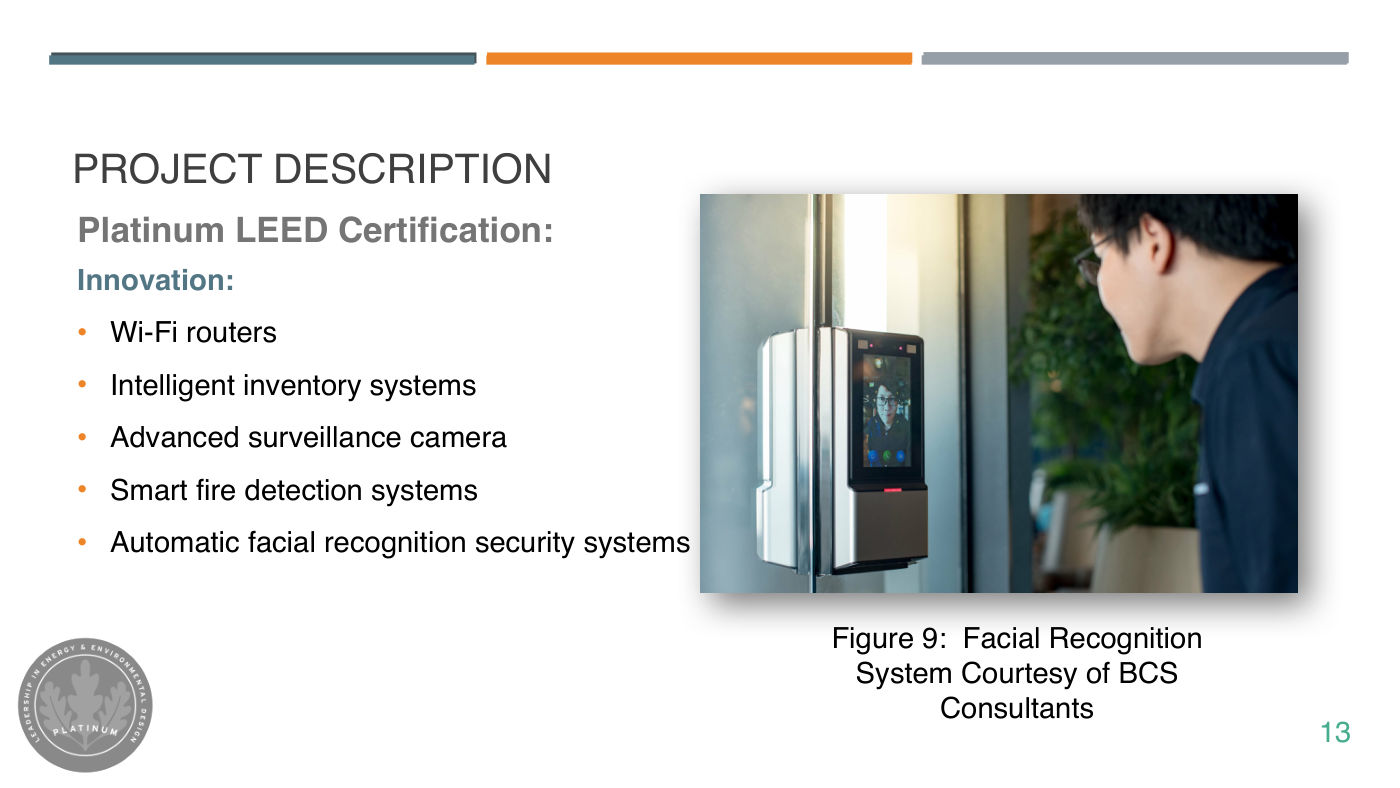
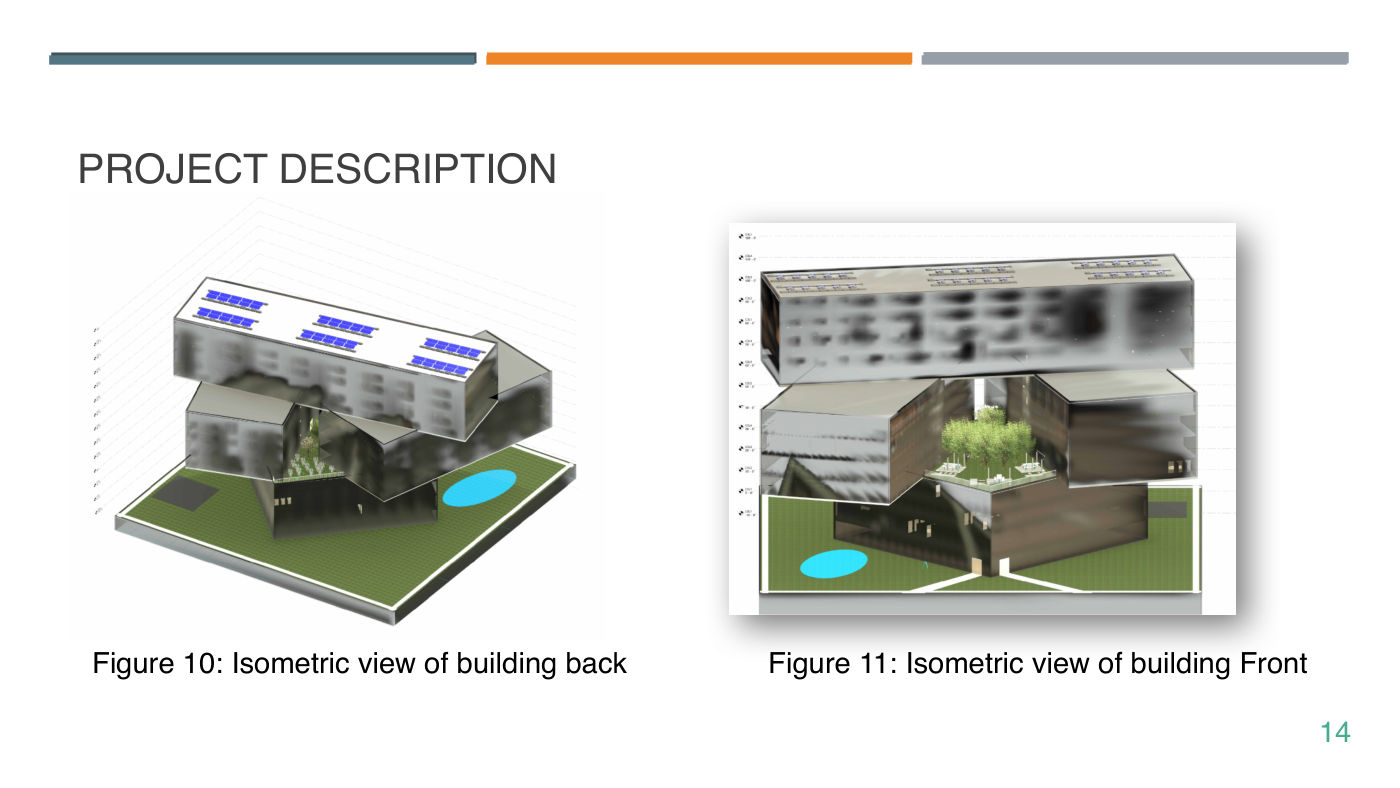
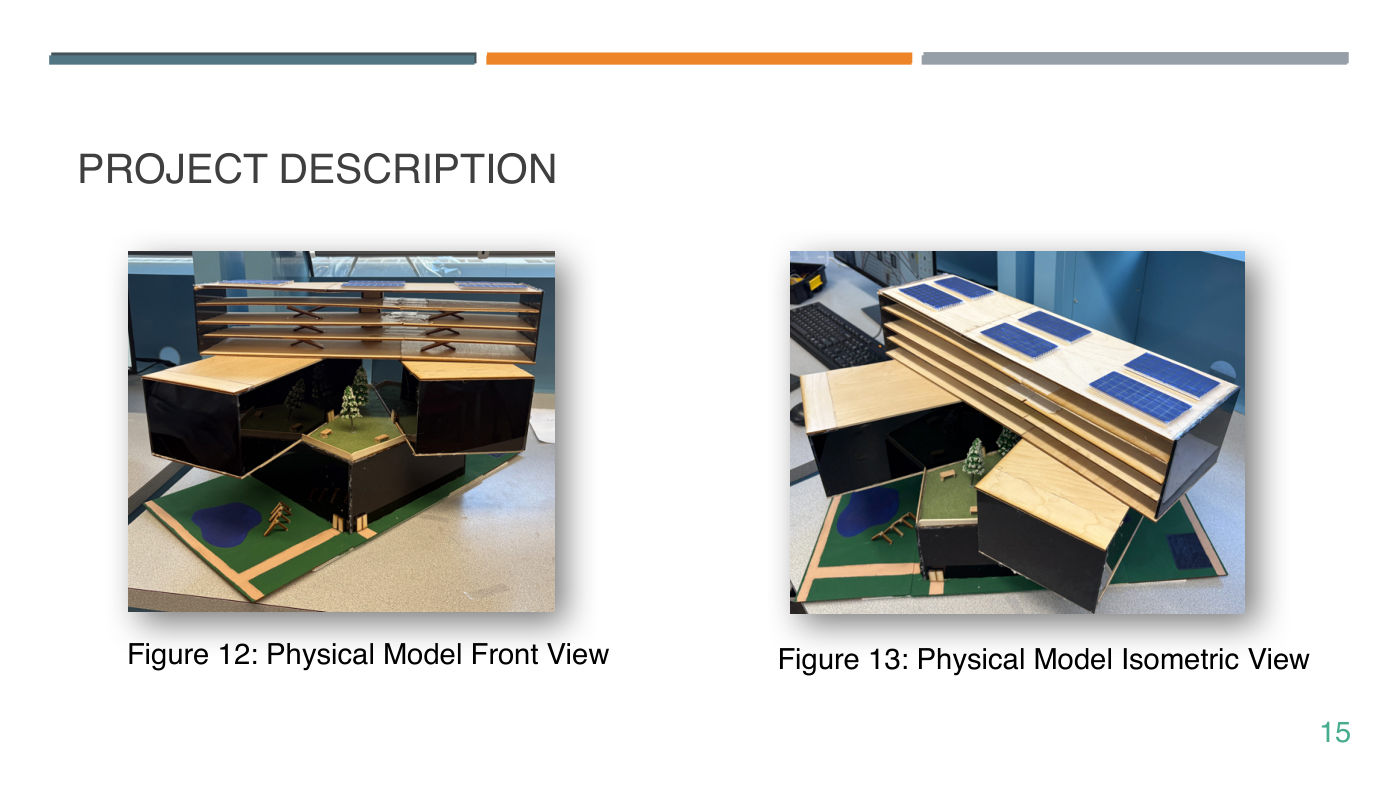
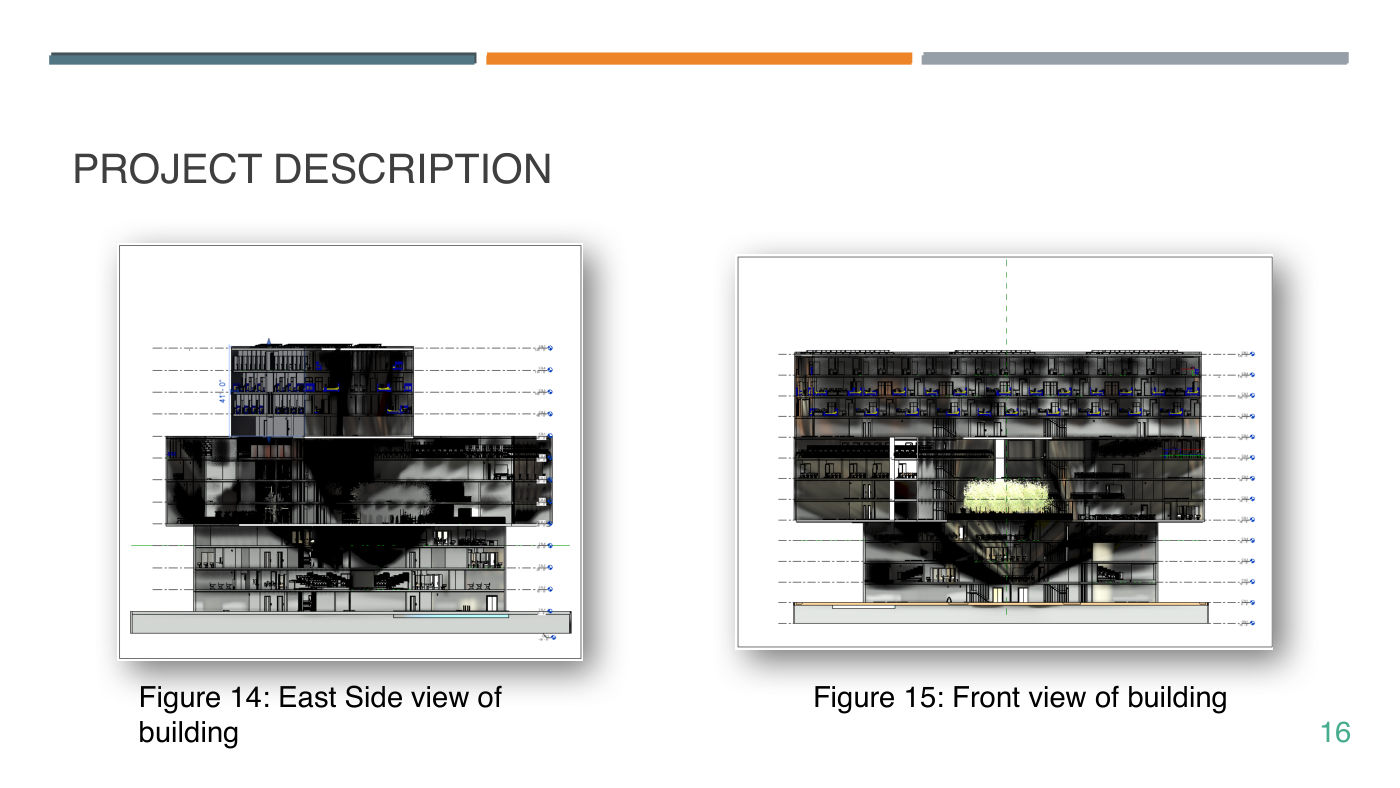
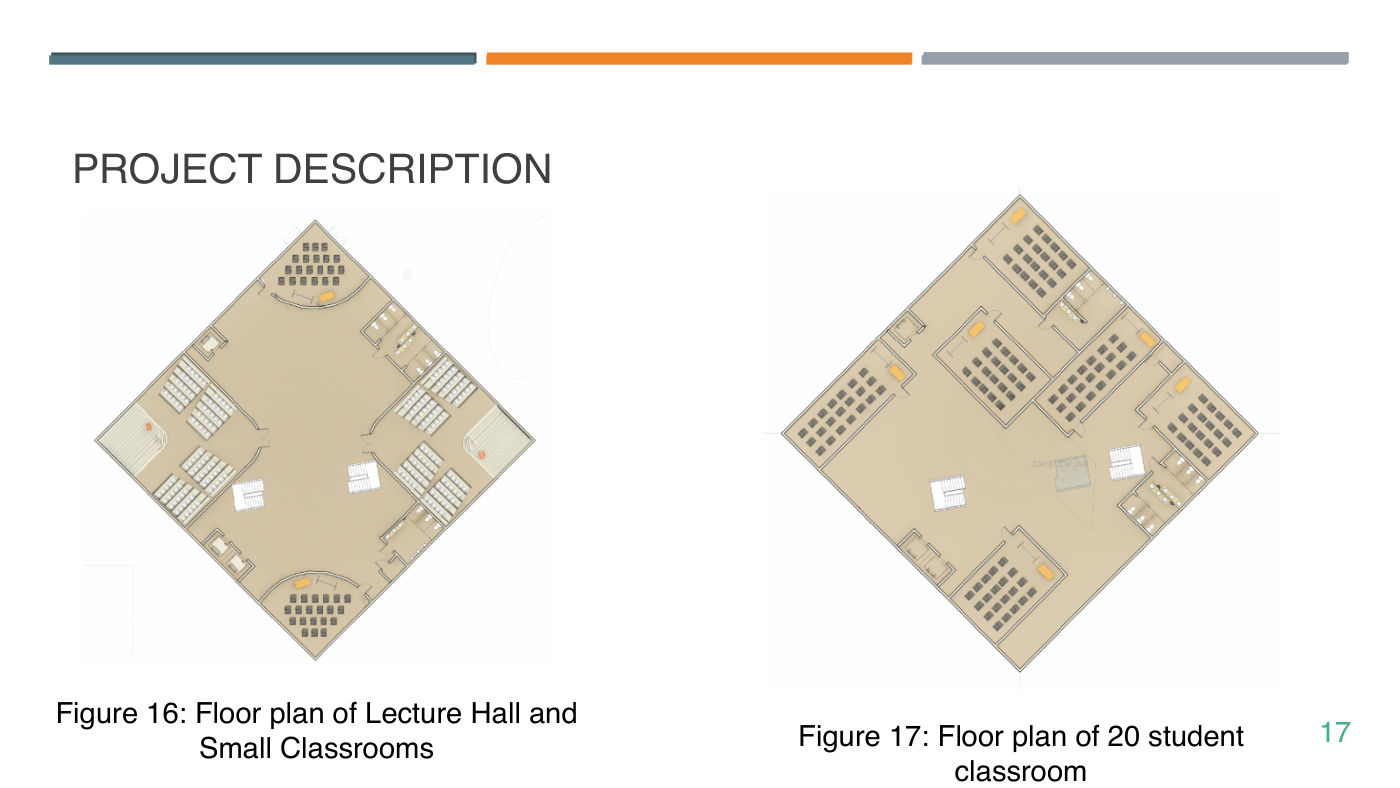
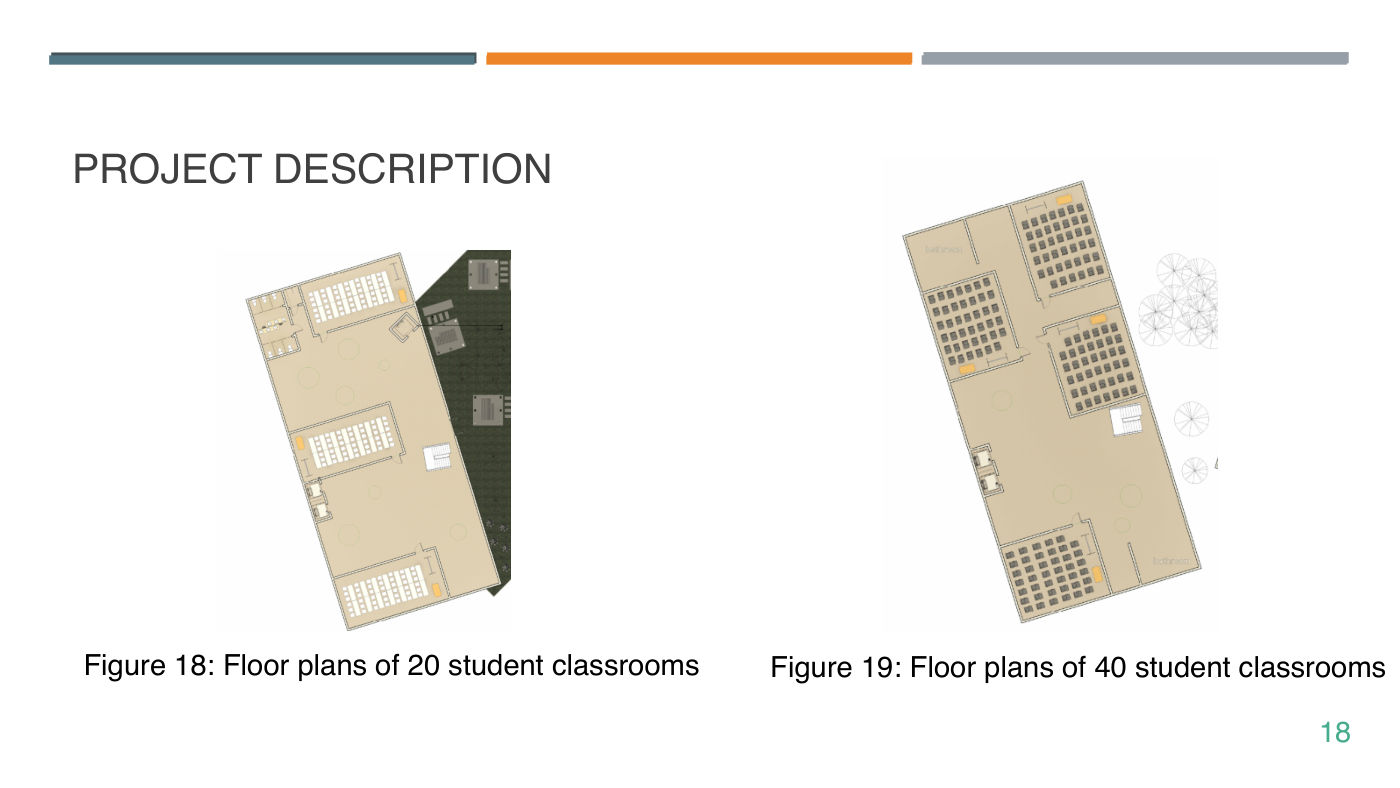
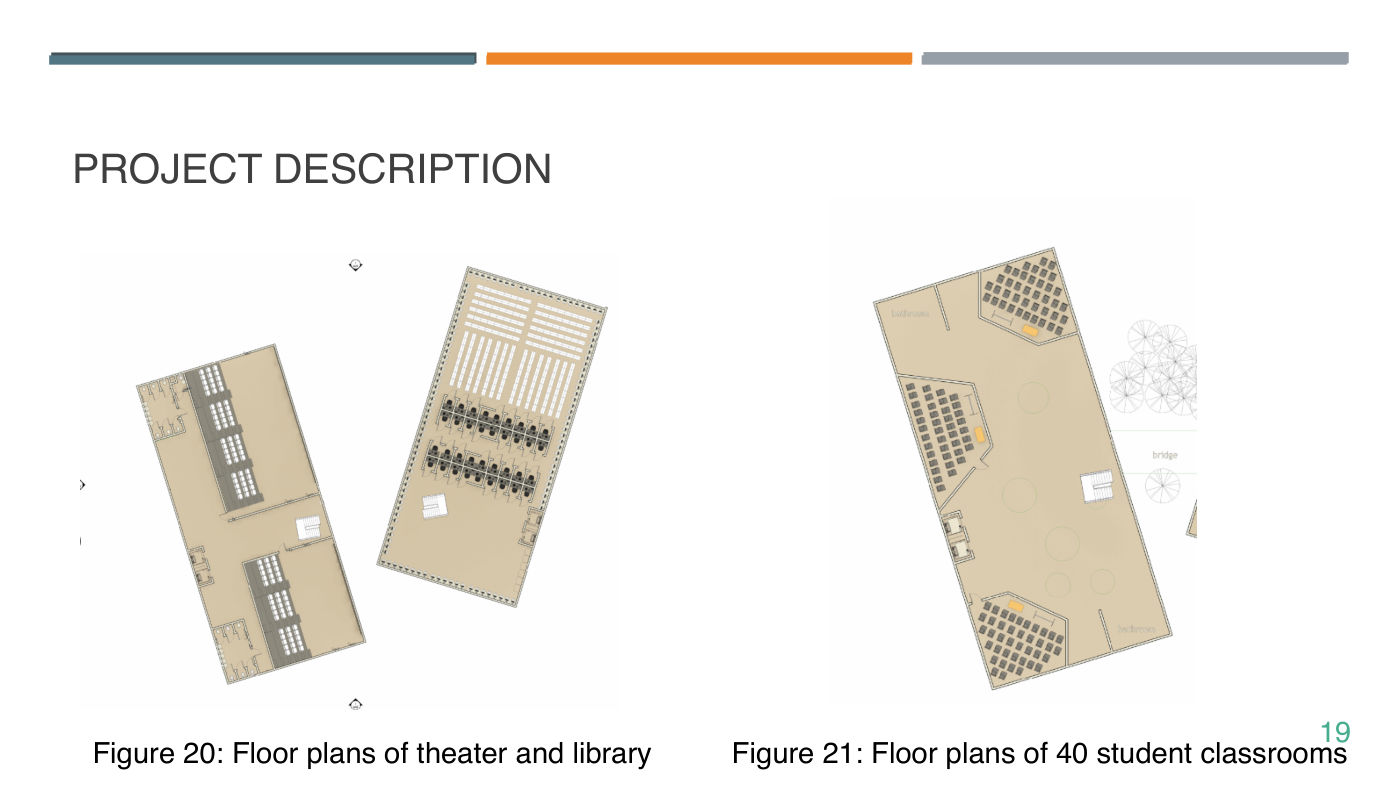
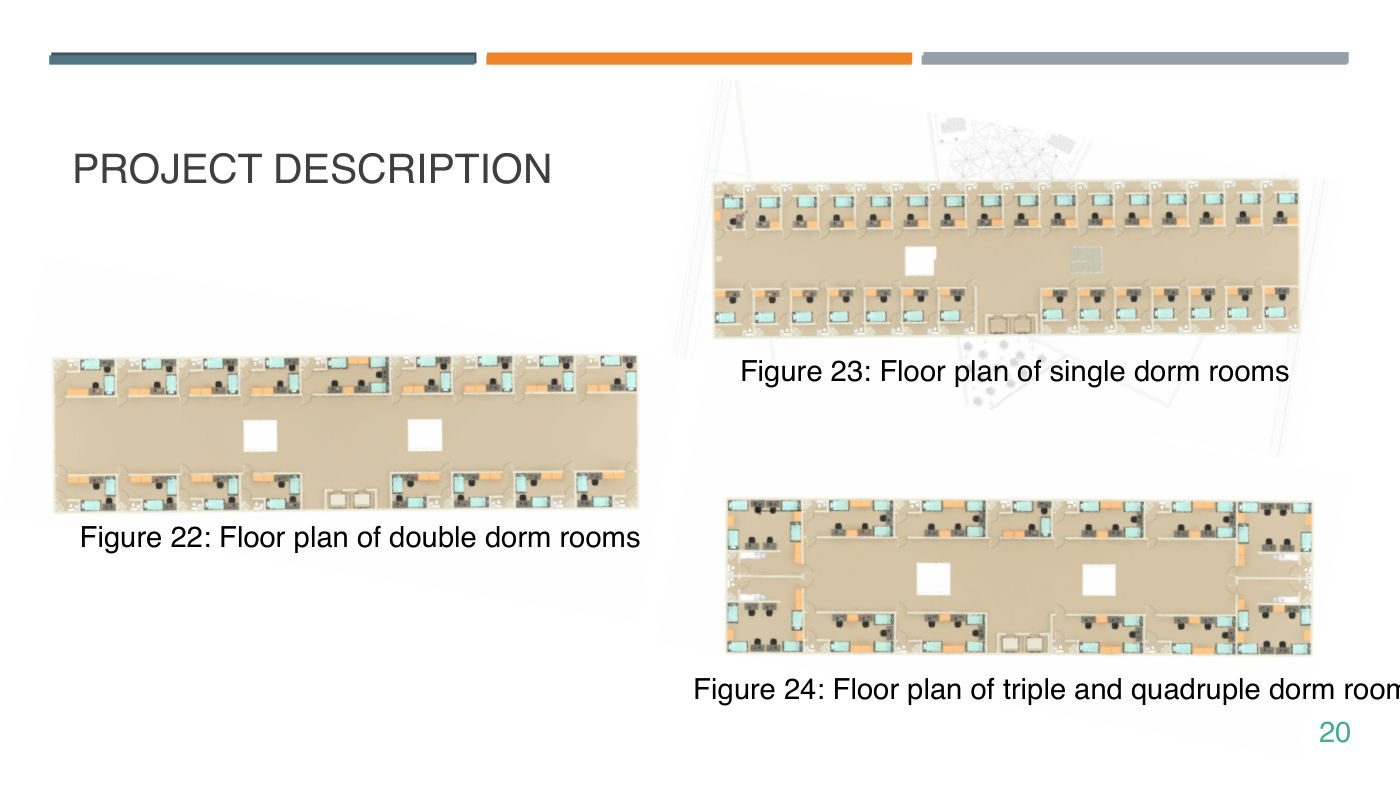
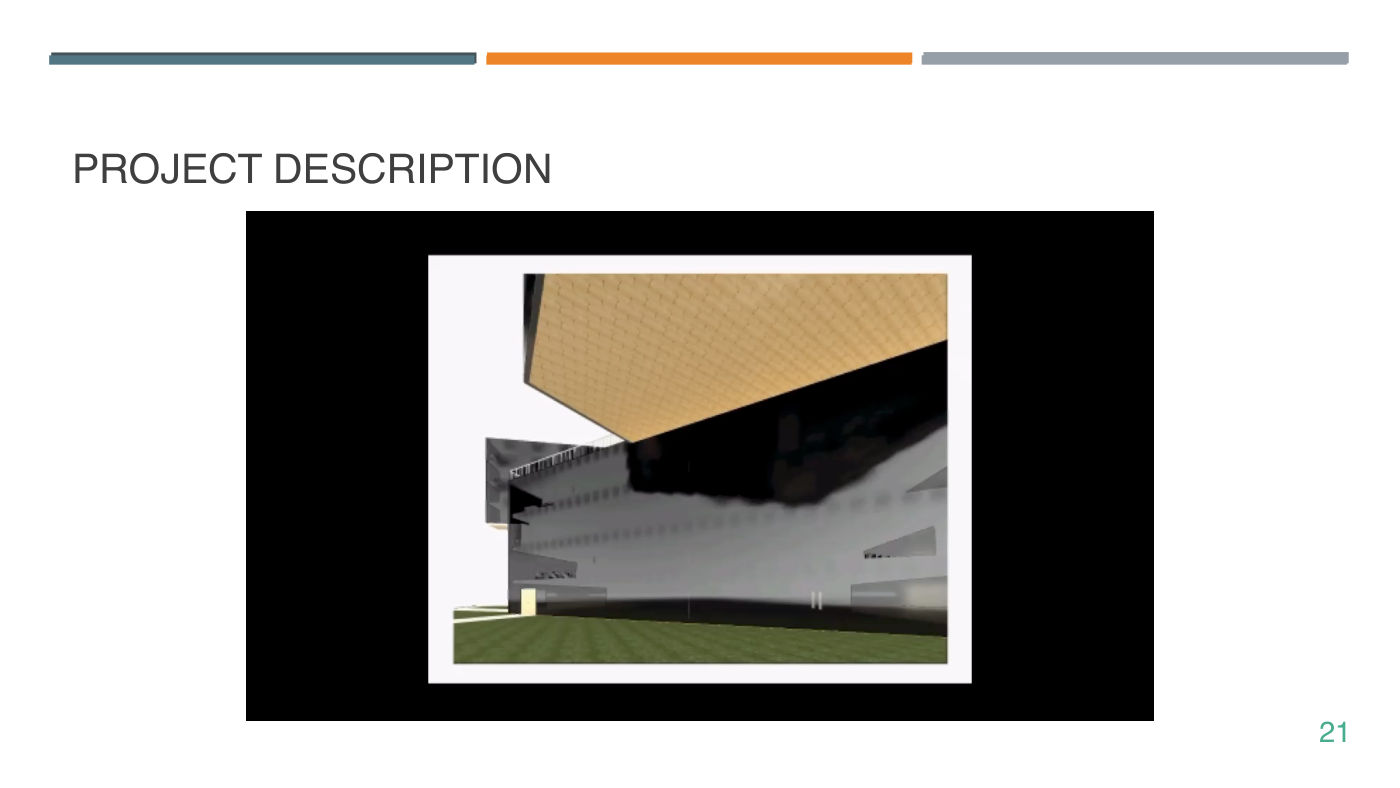
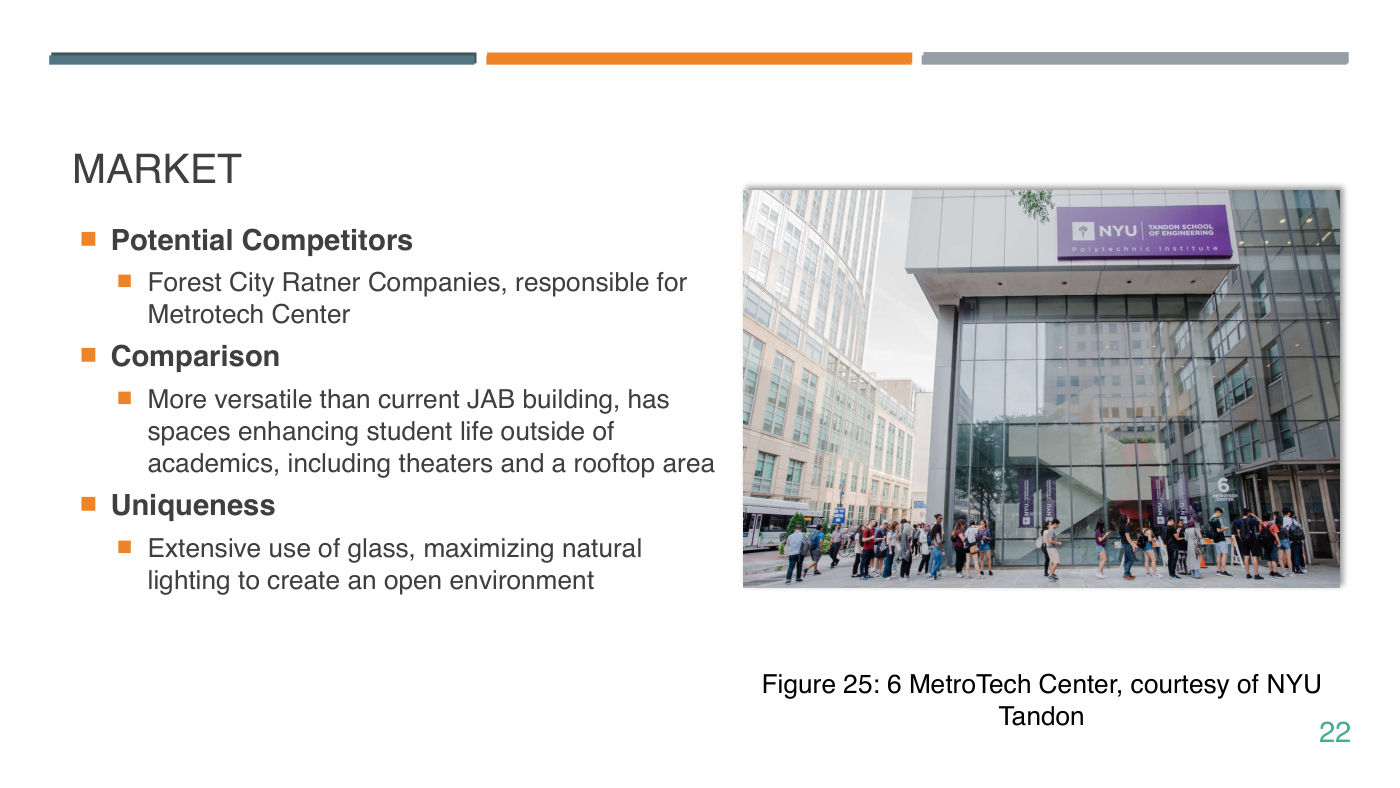
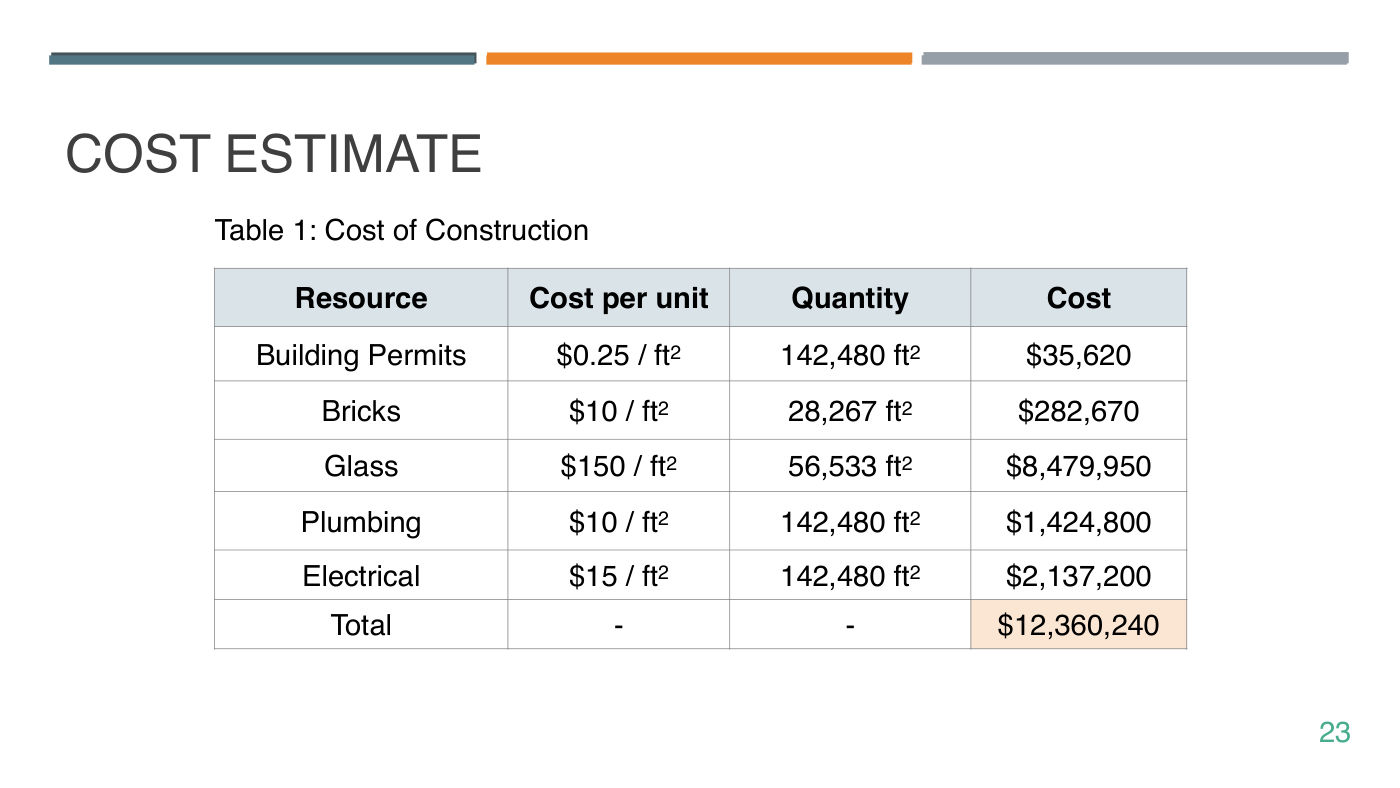
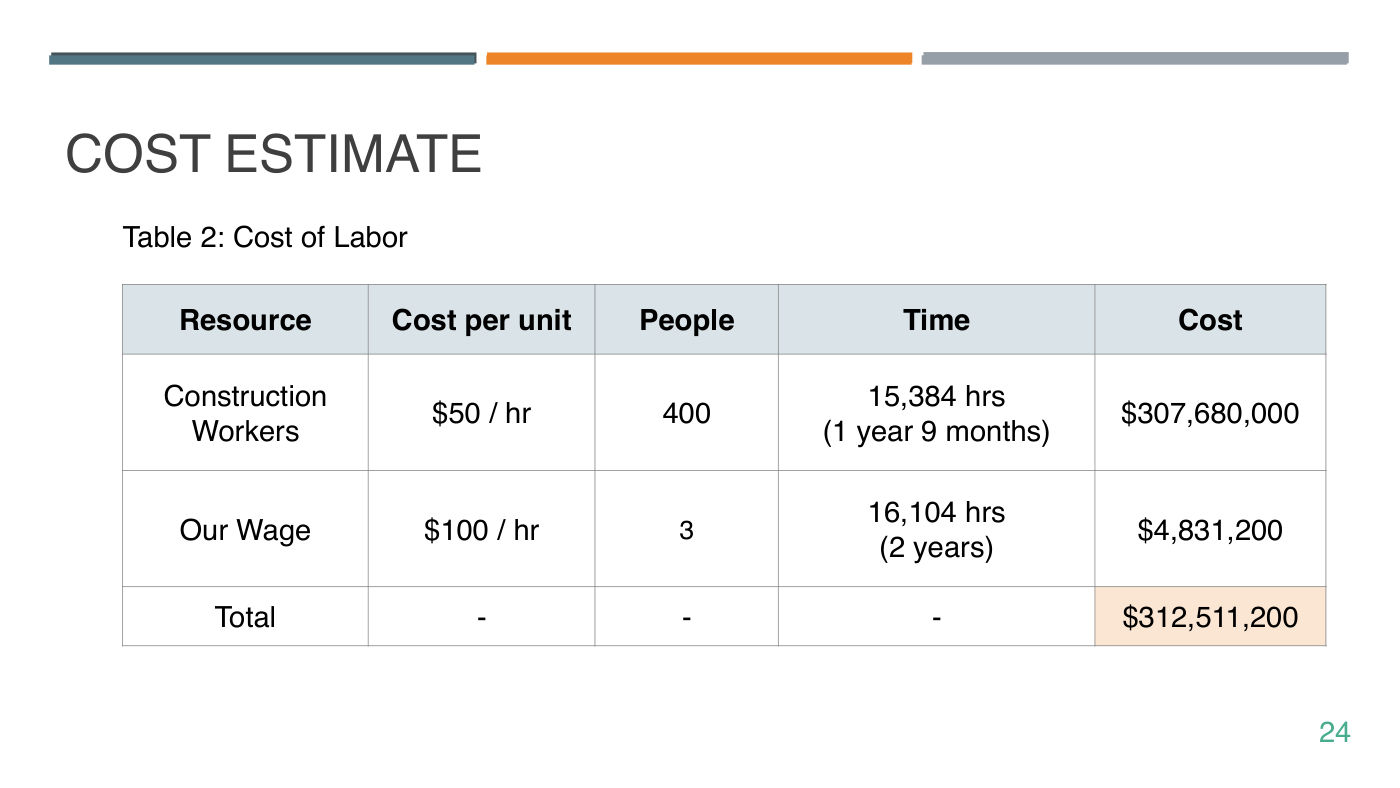
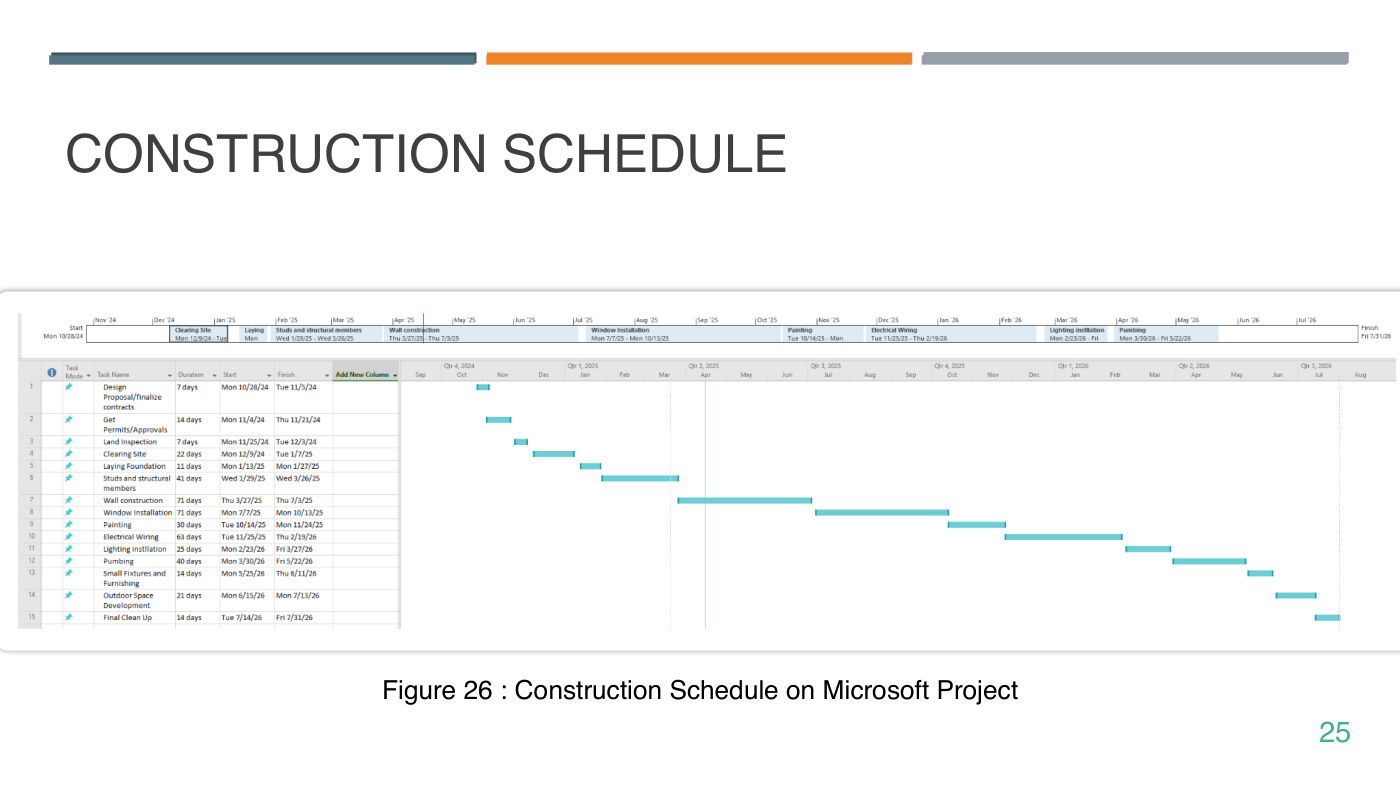
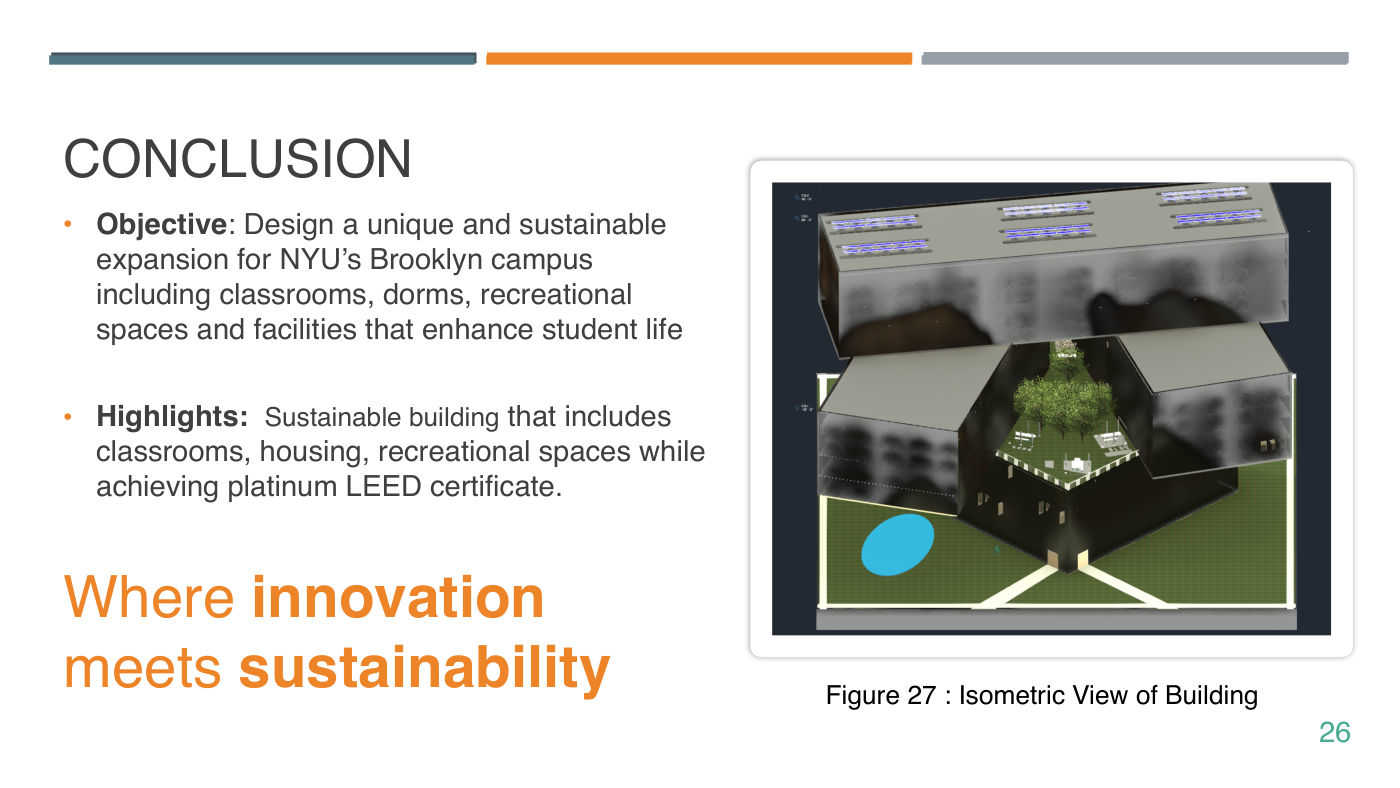
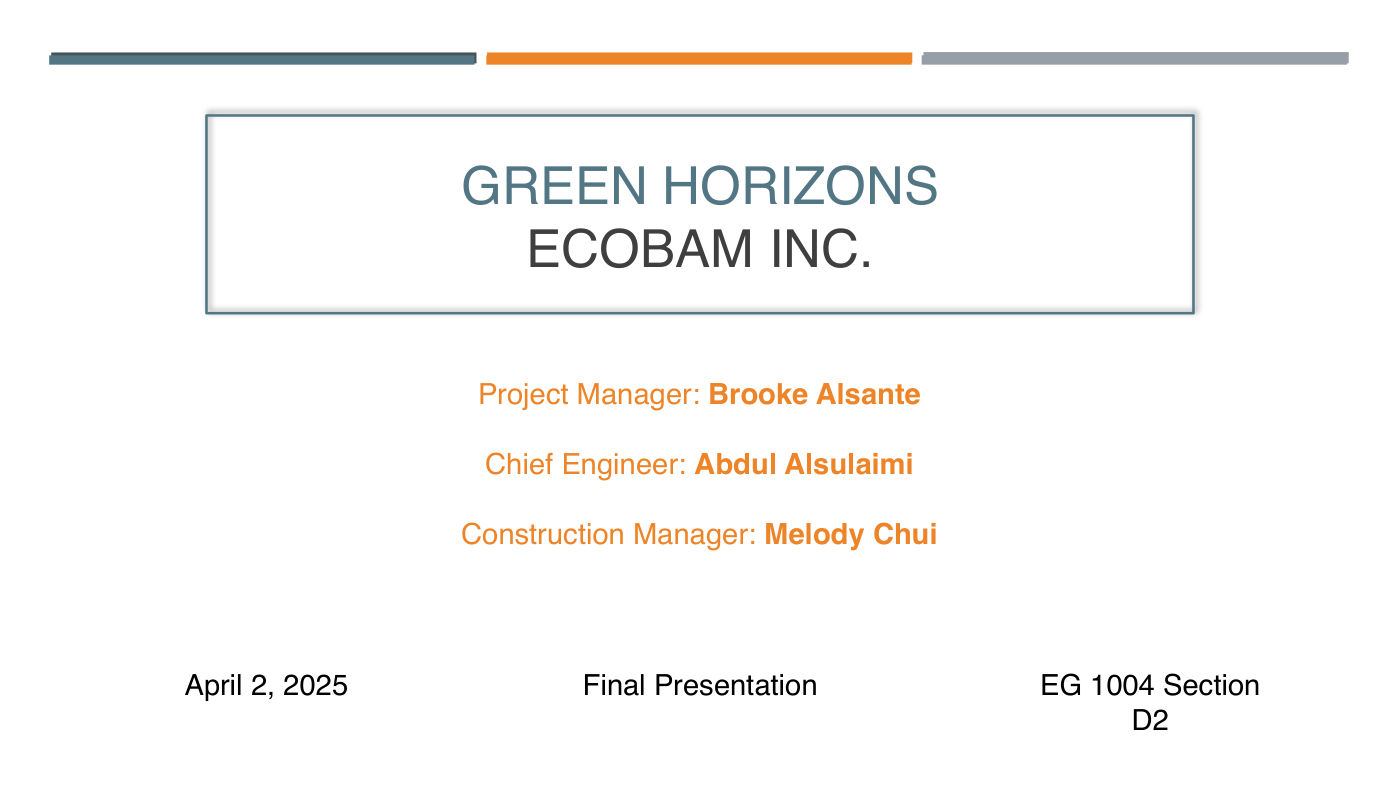
An introduction to engineering design through hands-on labs and a semester-long team project. The final project, Green Horizons by ECOBAM Inc., is a twelve-story, LEED Platinum multi-purpose academic building designed for NYU Tandon’s Brooklyn campus and modeled in Revit, with a physical model, cost estimate and construction schedule. Role: Construction Manager.
The design thinking process as a team: empathize, define, ideate, prototype and test. As the group MyPy, the team built EchoAge, an idea for helping young people start conversations with older adults and ask them for guidance. The working board is in Miro and the final presentation in Canva.
September 2017 - May 2024 | Hsinchu, Taiwan
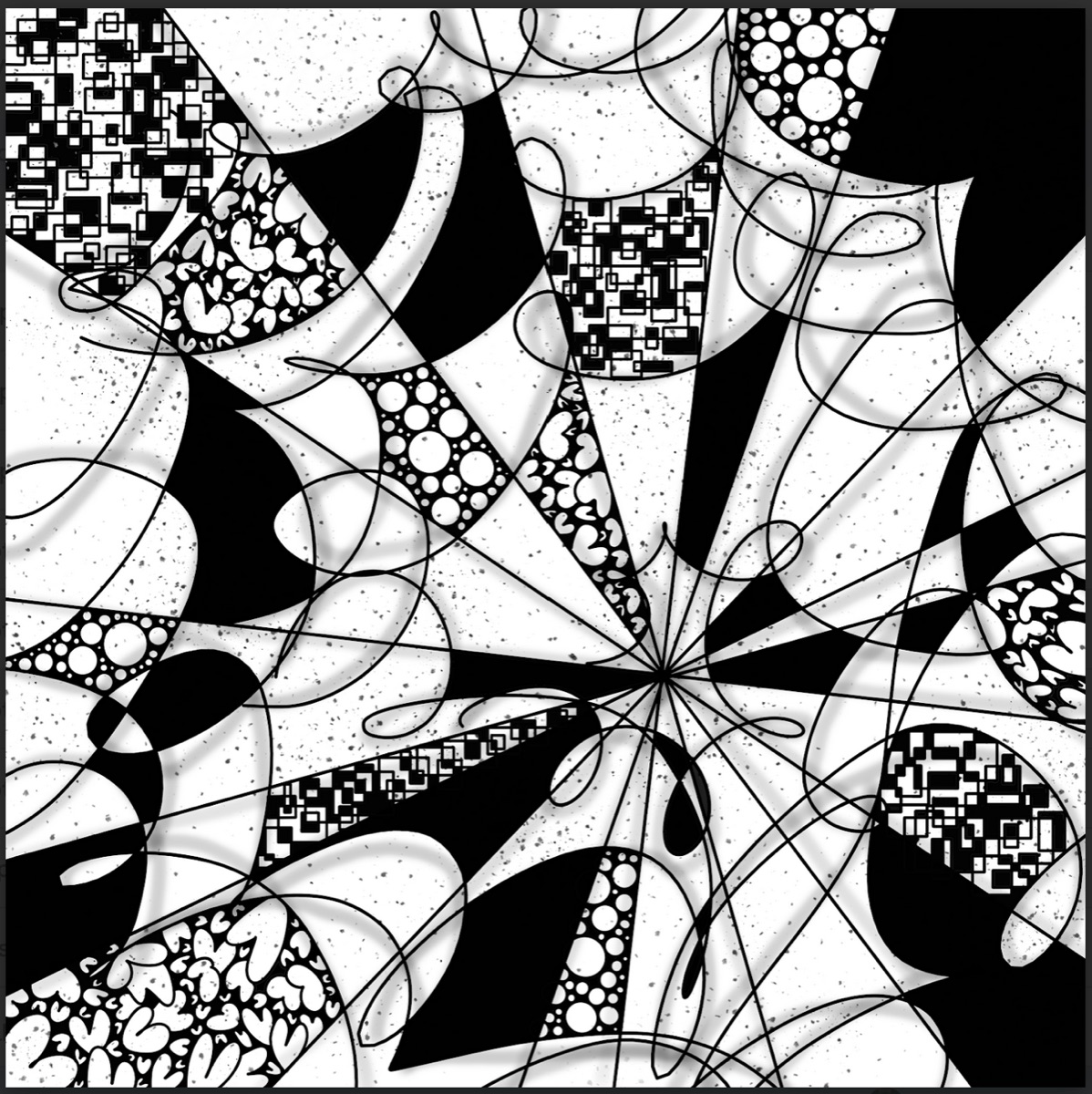
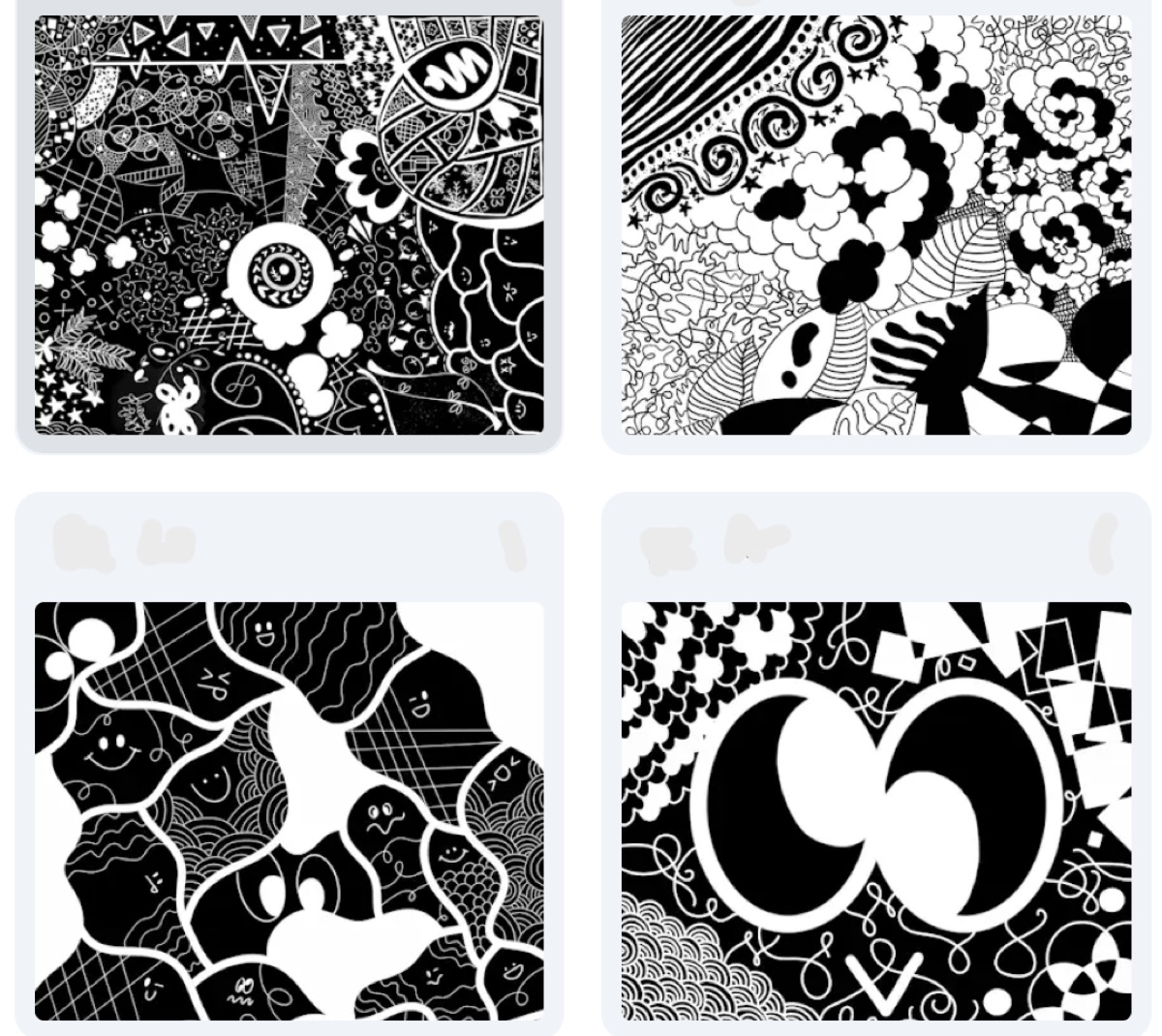
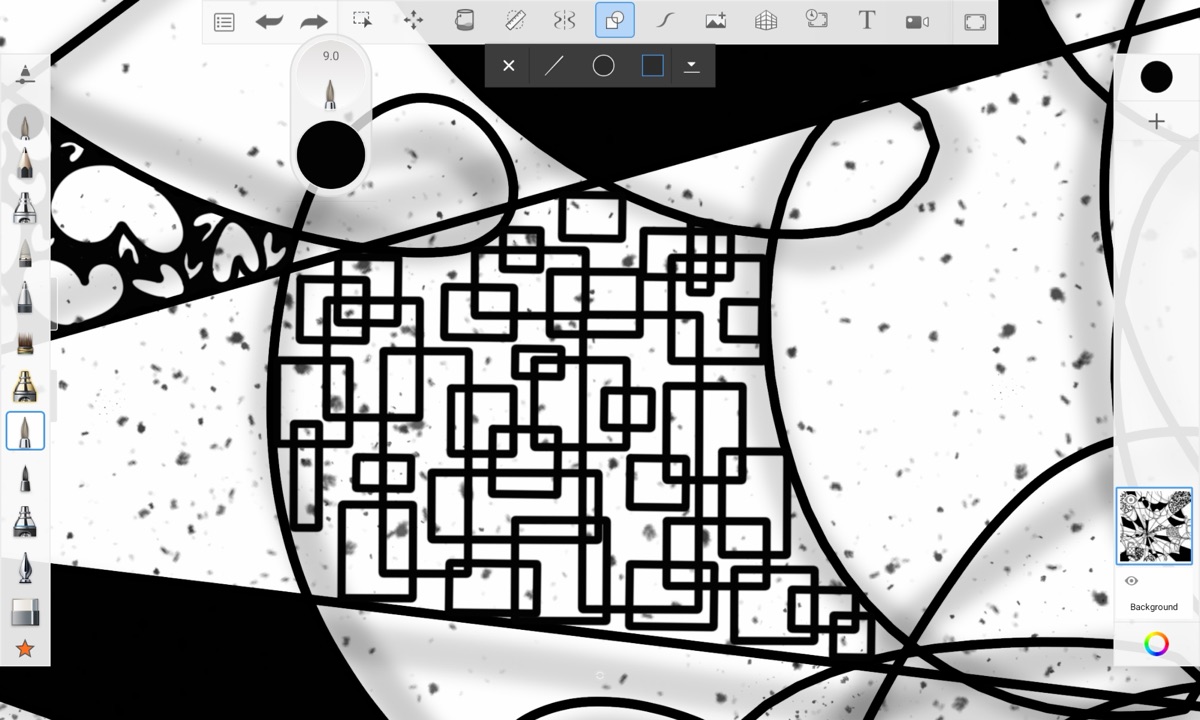
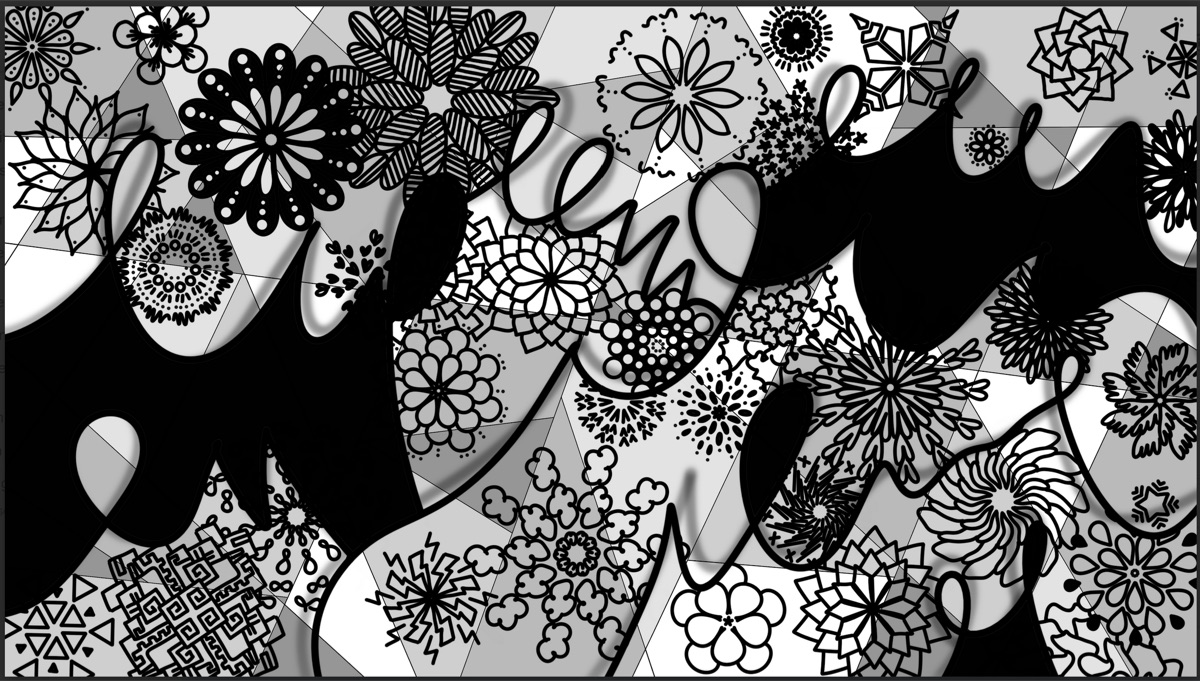
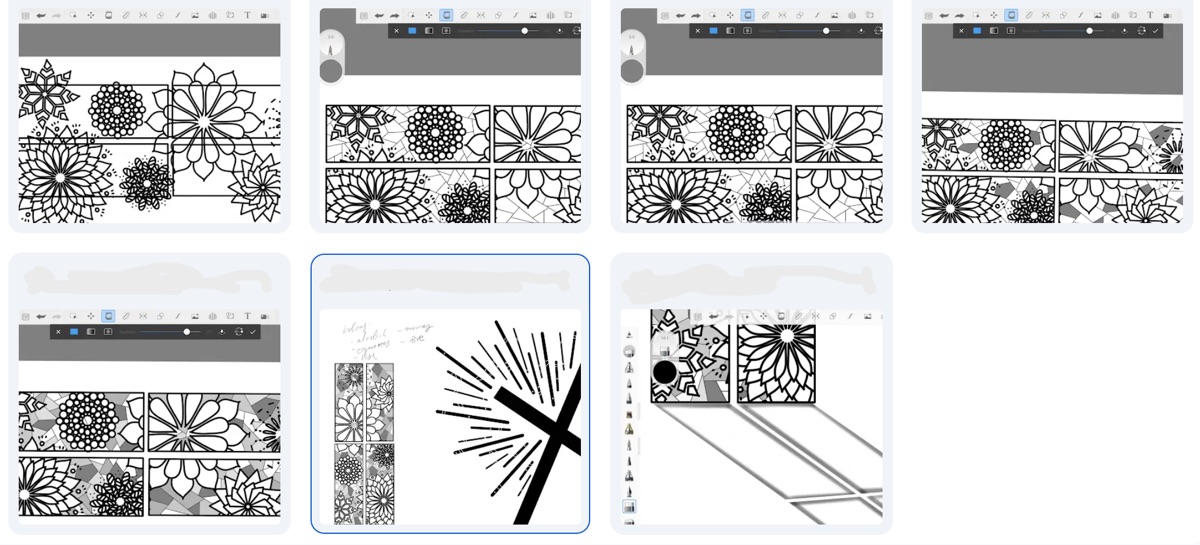
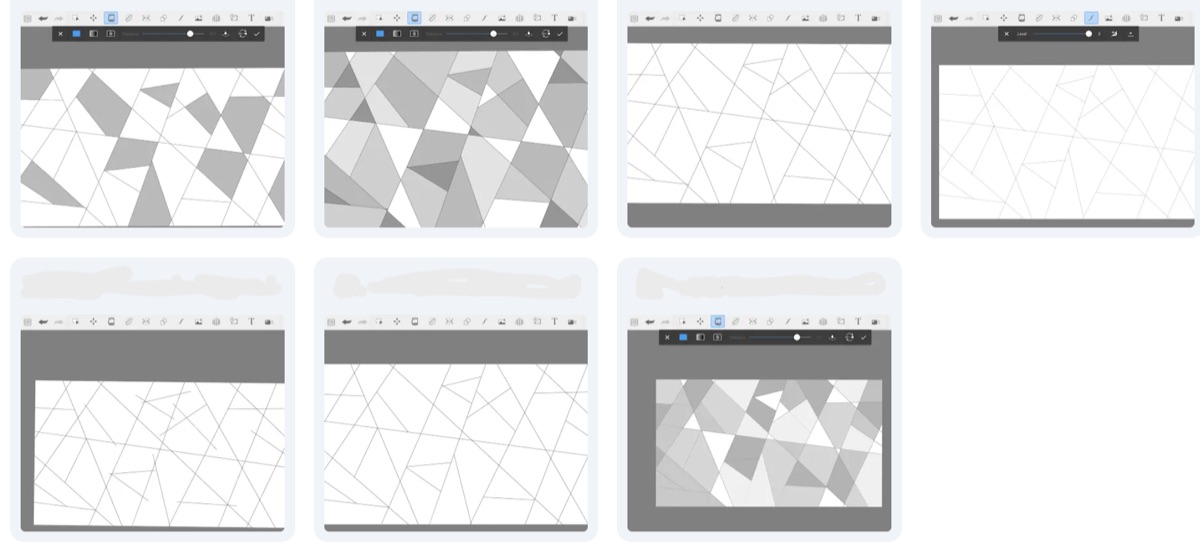
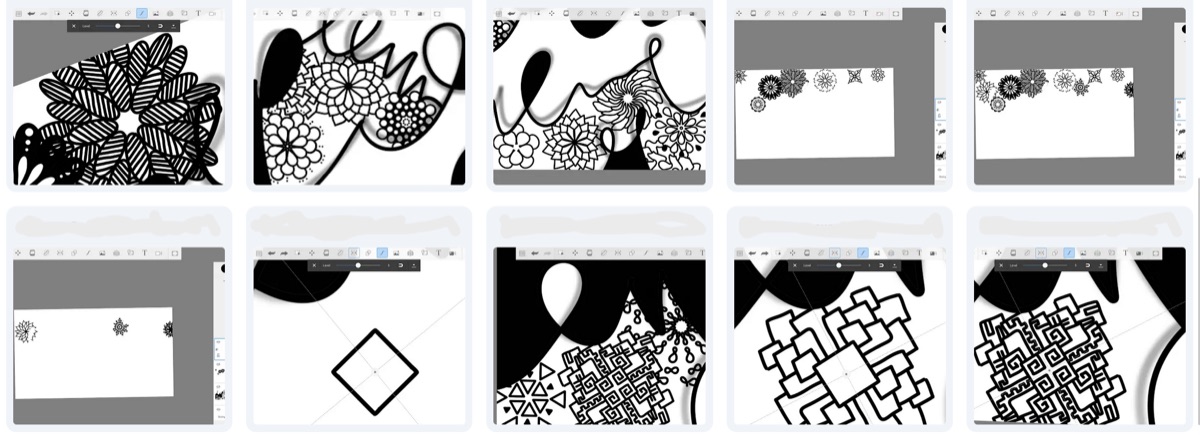
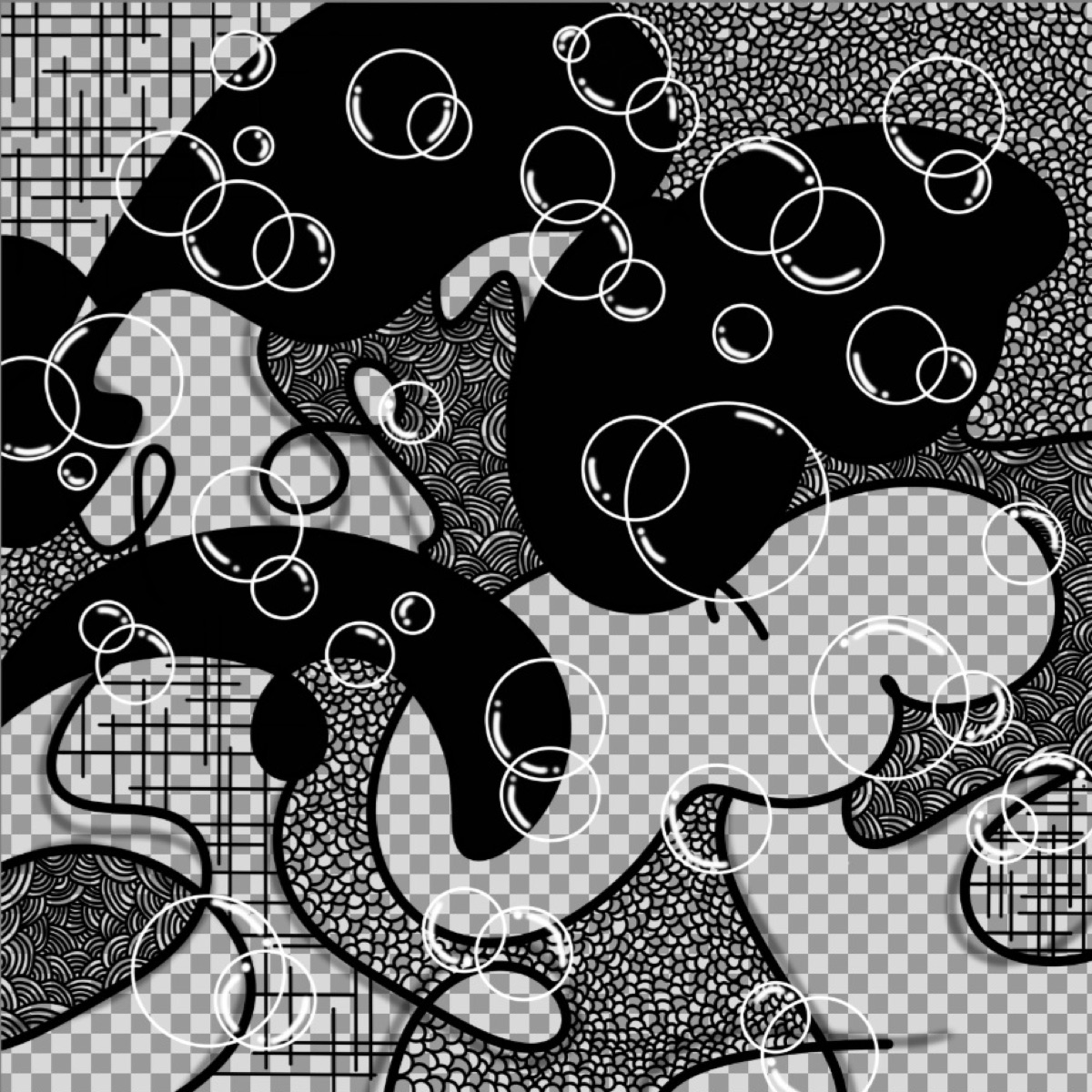
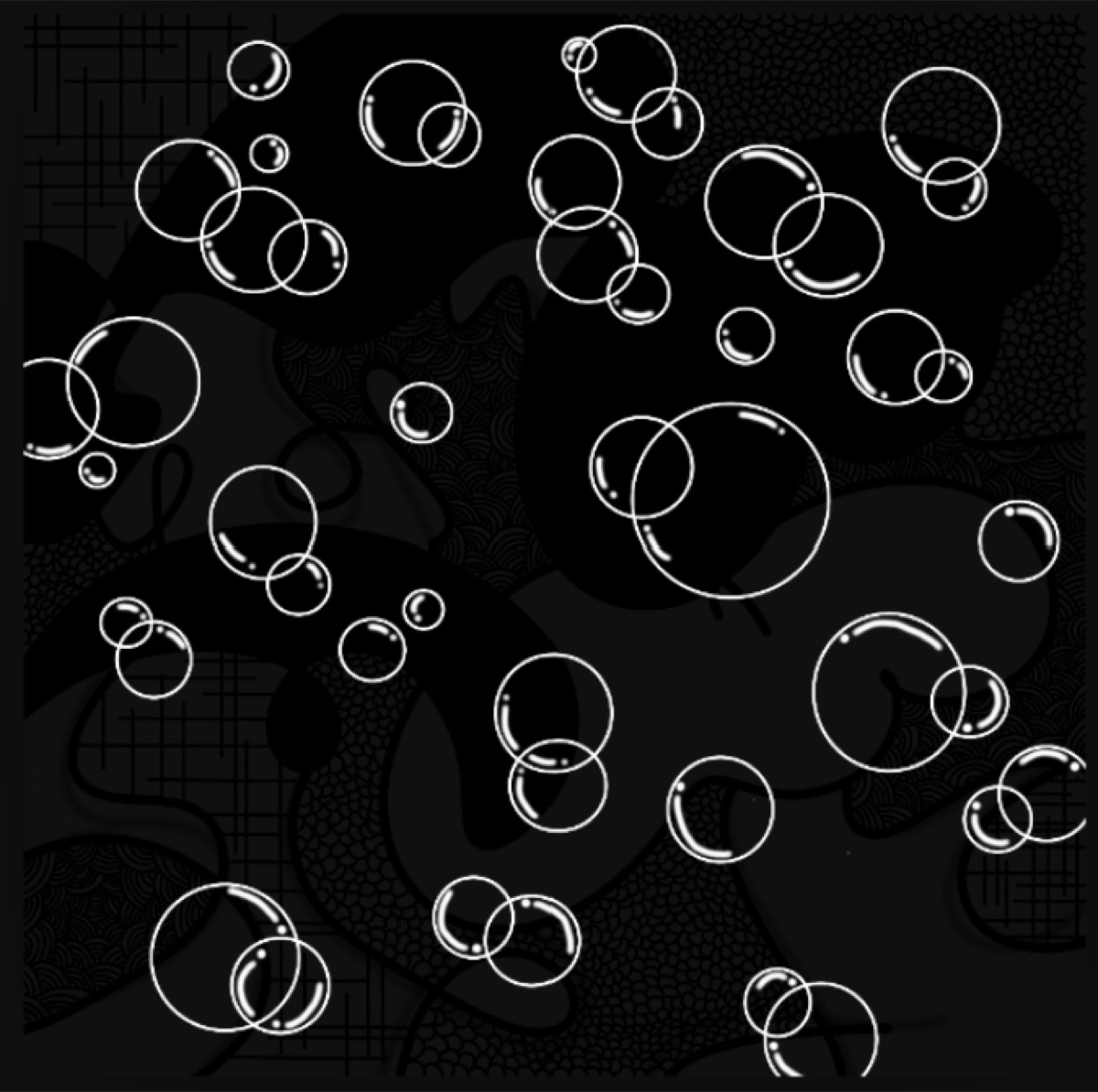
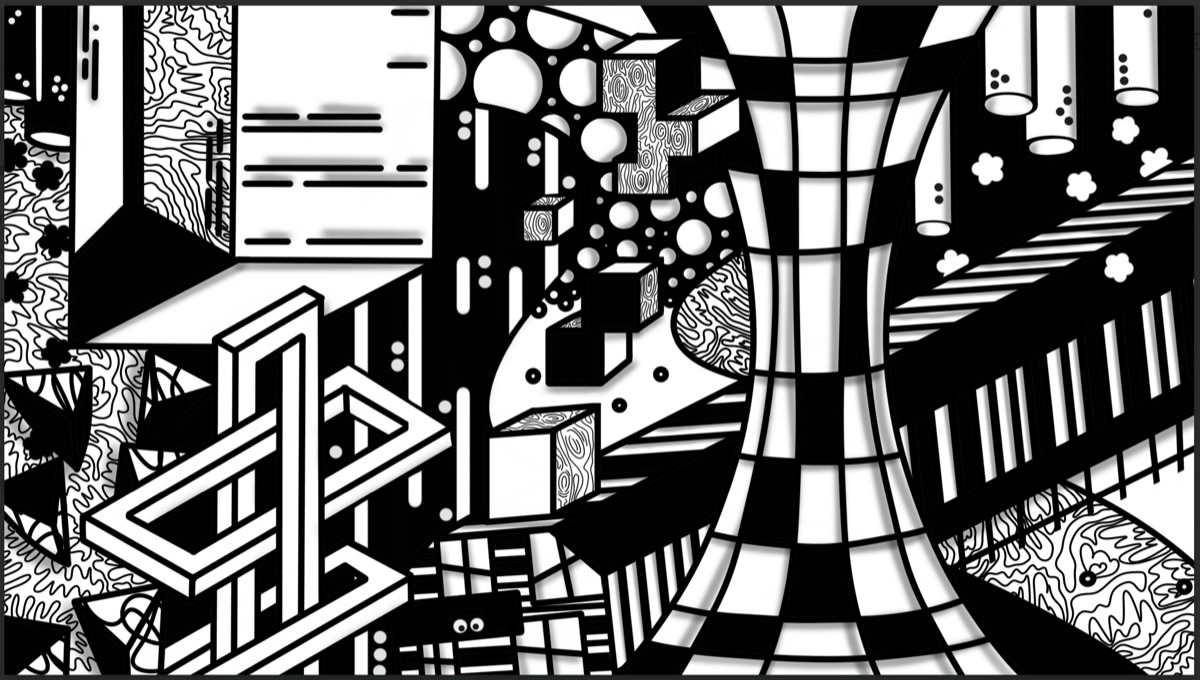
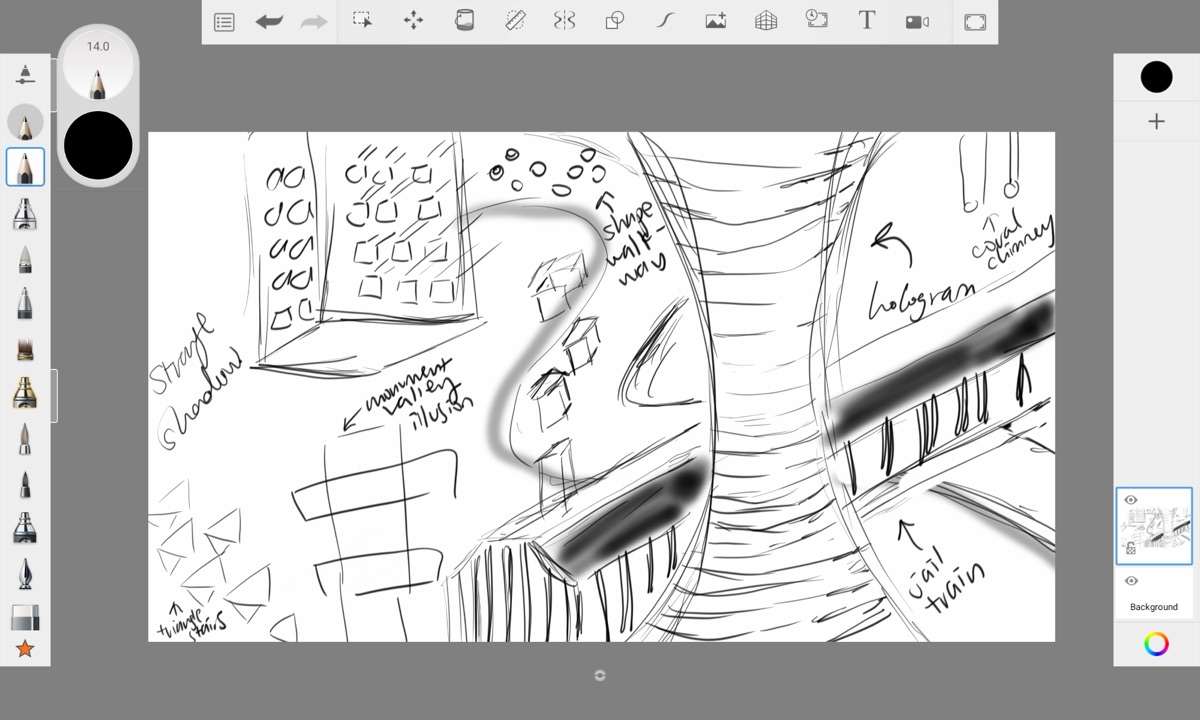
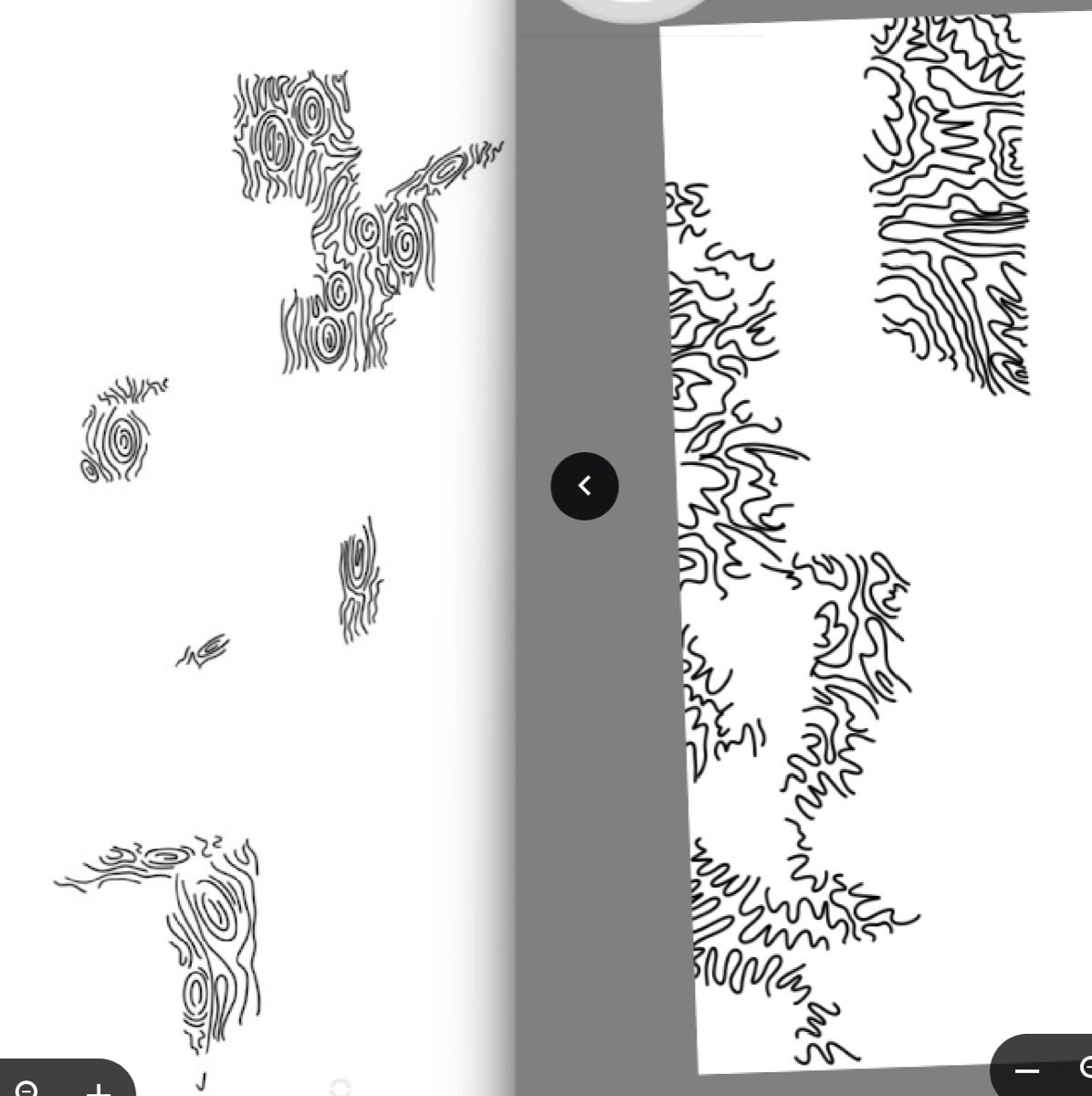
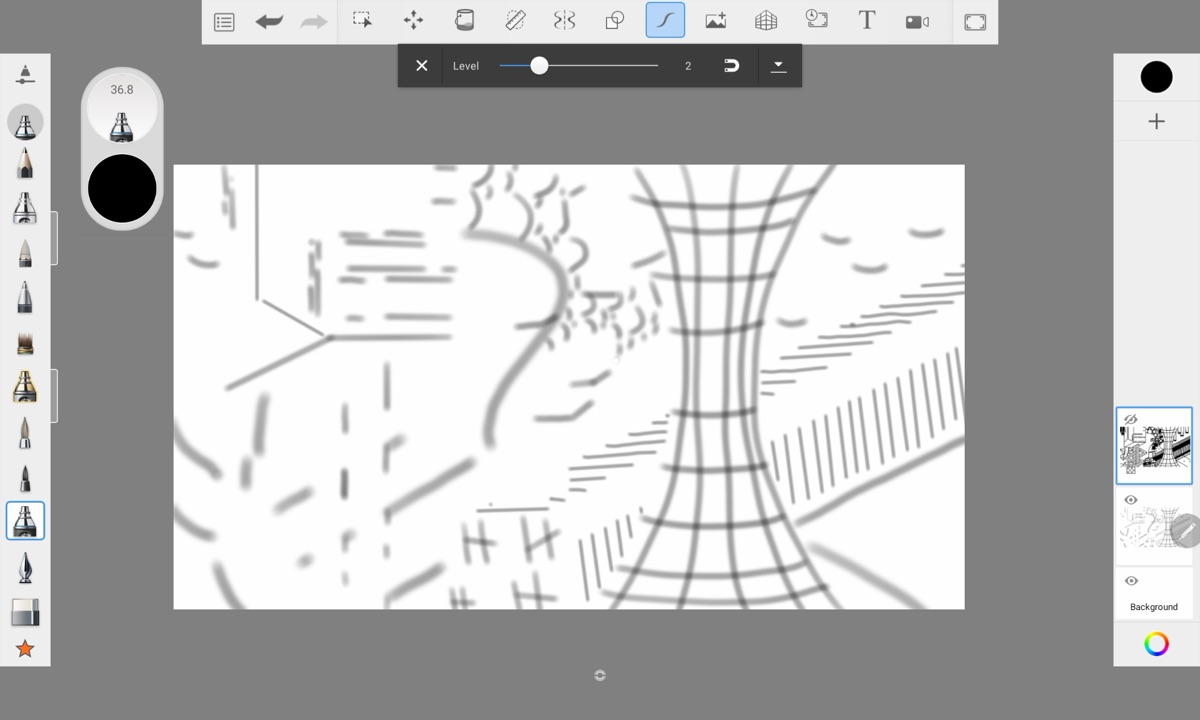
Theme: Unusual Interpretations of the Natural World, an imaginary dream world with both its beauty and its chaos. Five digital pieces in a monochrome doodle style, each built from its own non-repeating patterns and textures: an abstract spider web, fire, jellyfish, universal languages visualized, and an unconventional city.
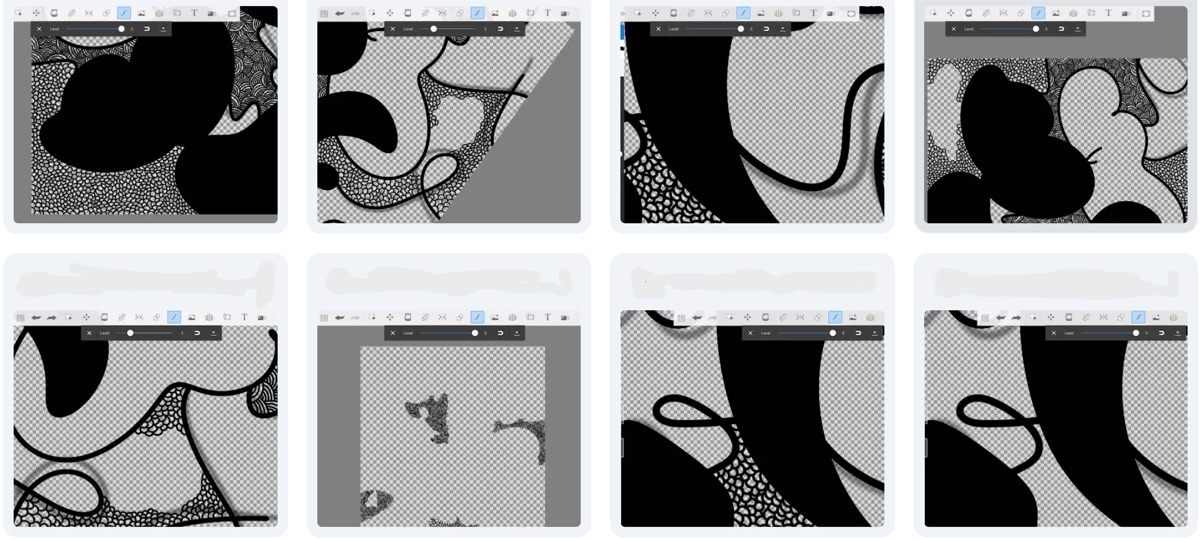
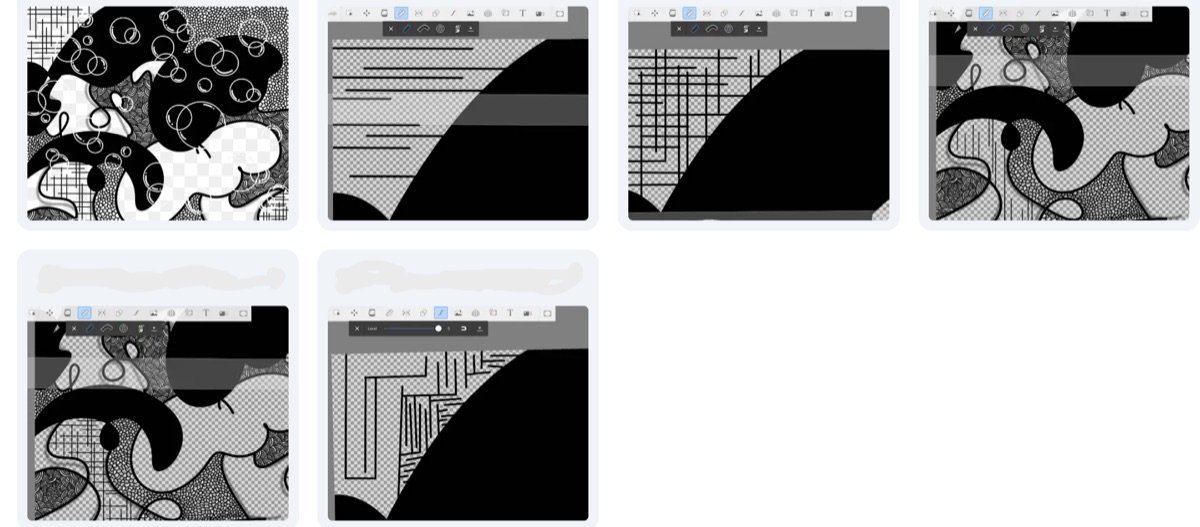
Each piece is shown finished, with the process screenshots underneath.
Piece 1

Piece 2
Piece 3
Piece 4
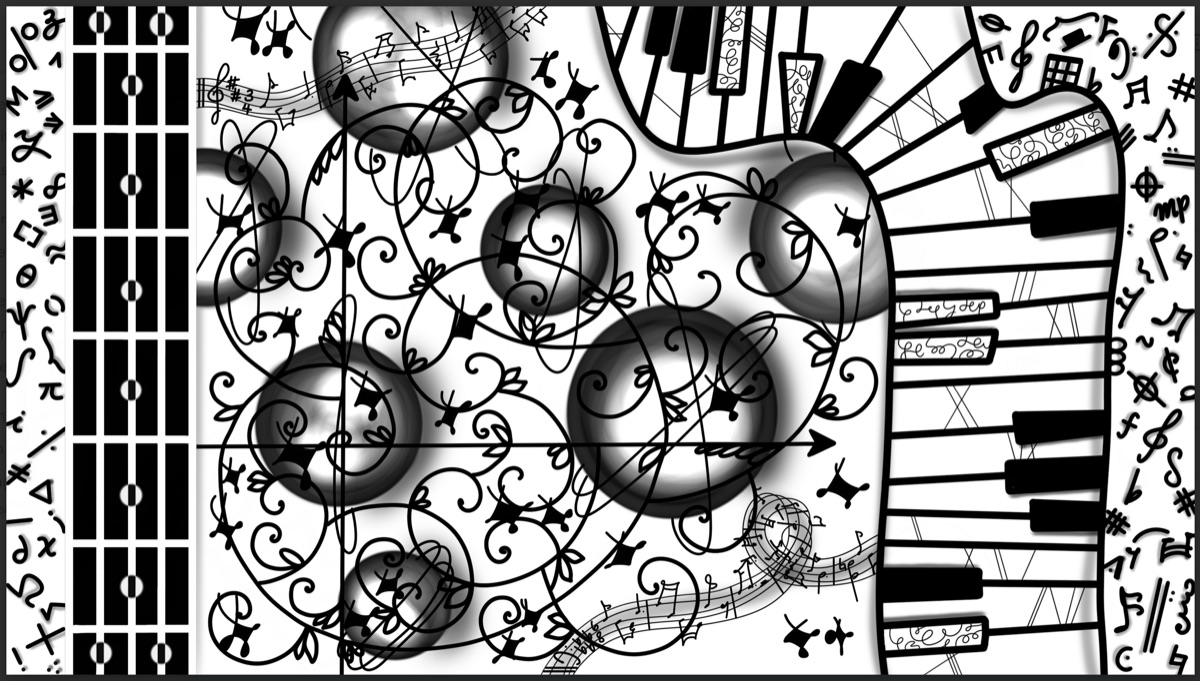
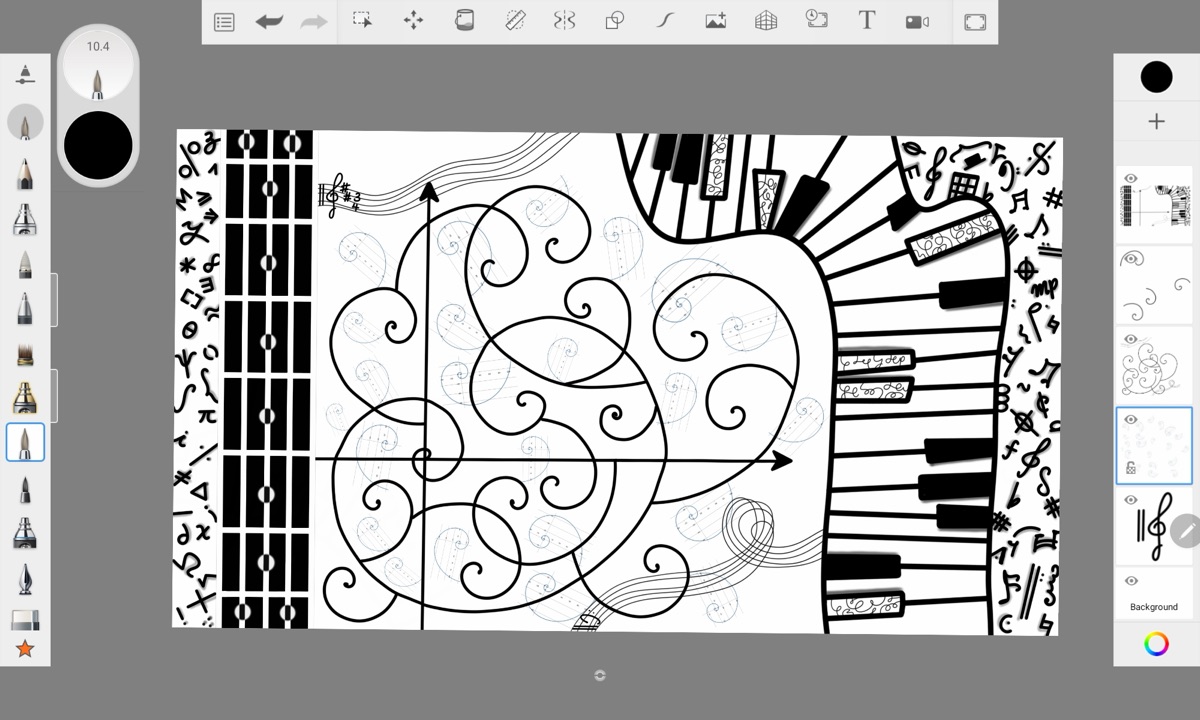
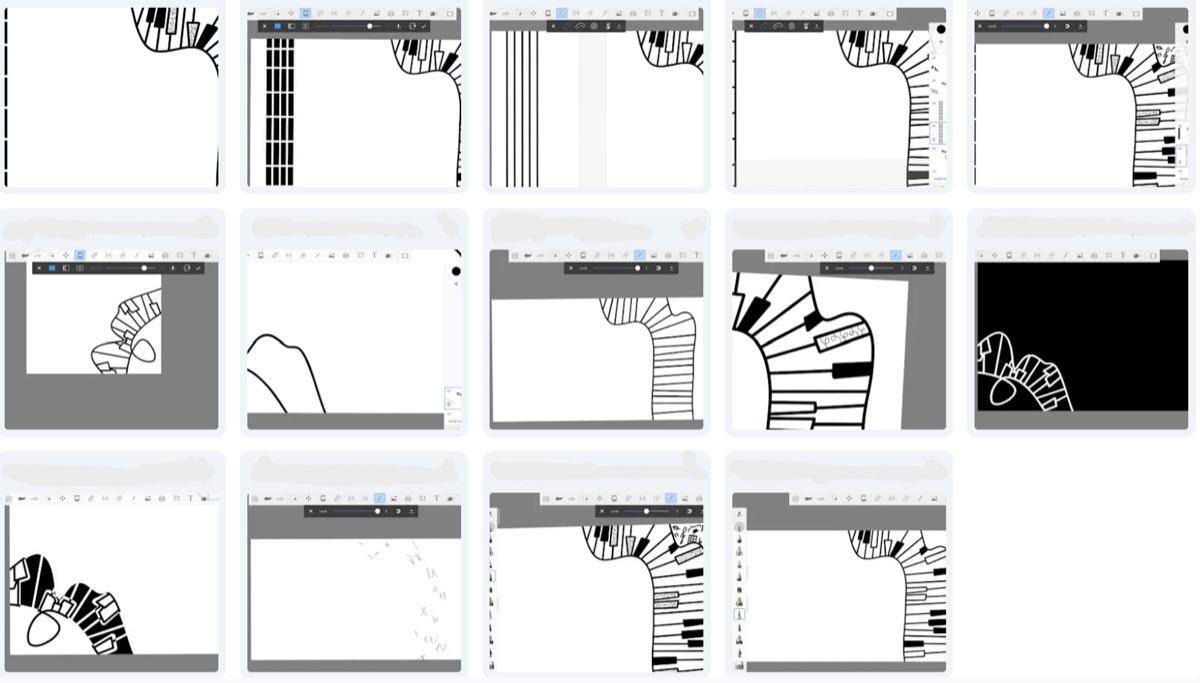
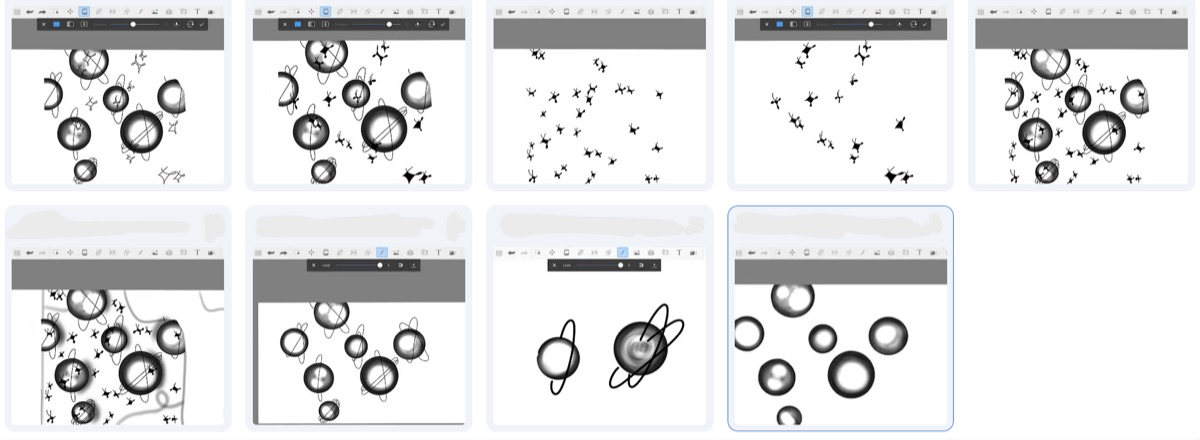
Piece 5
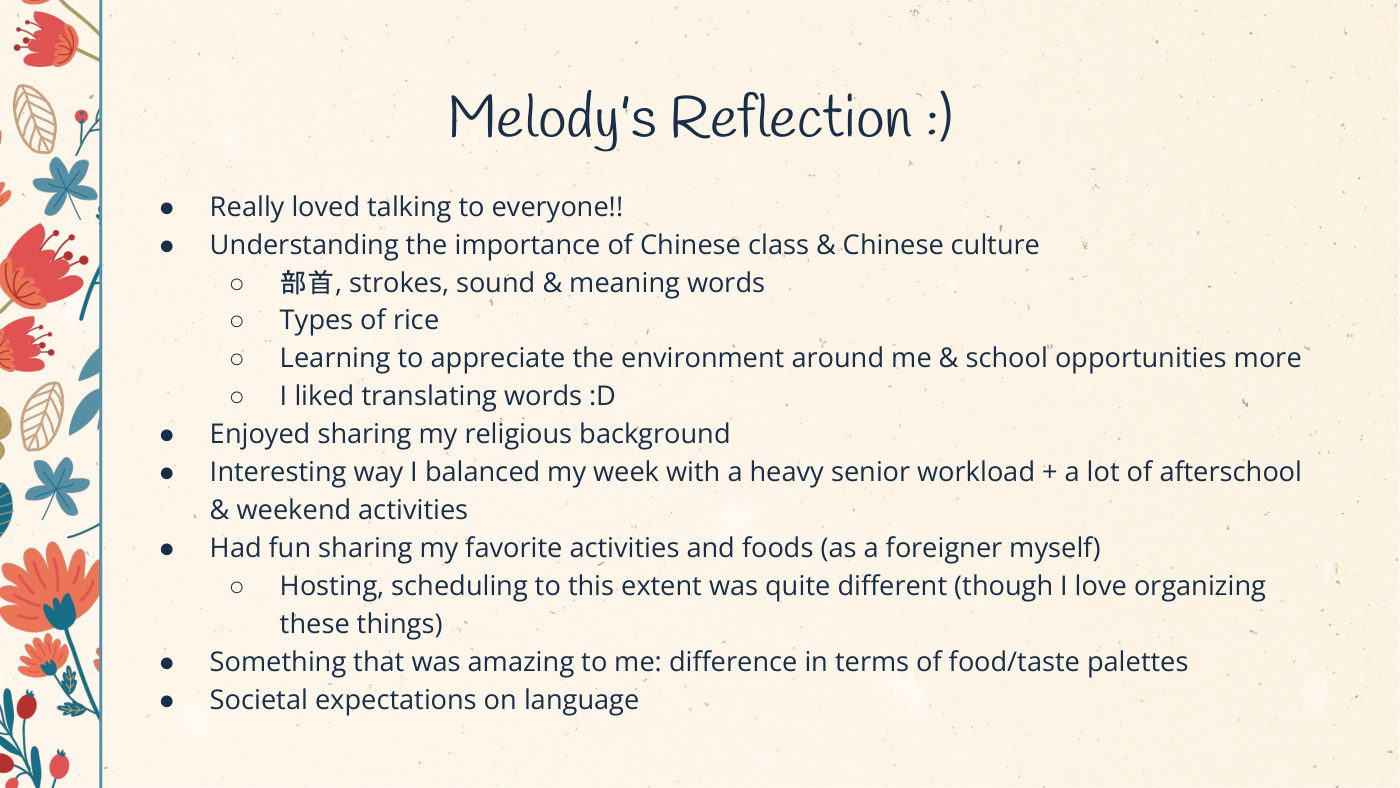
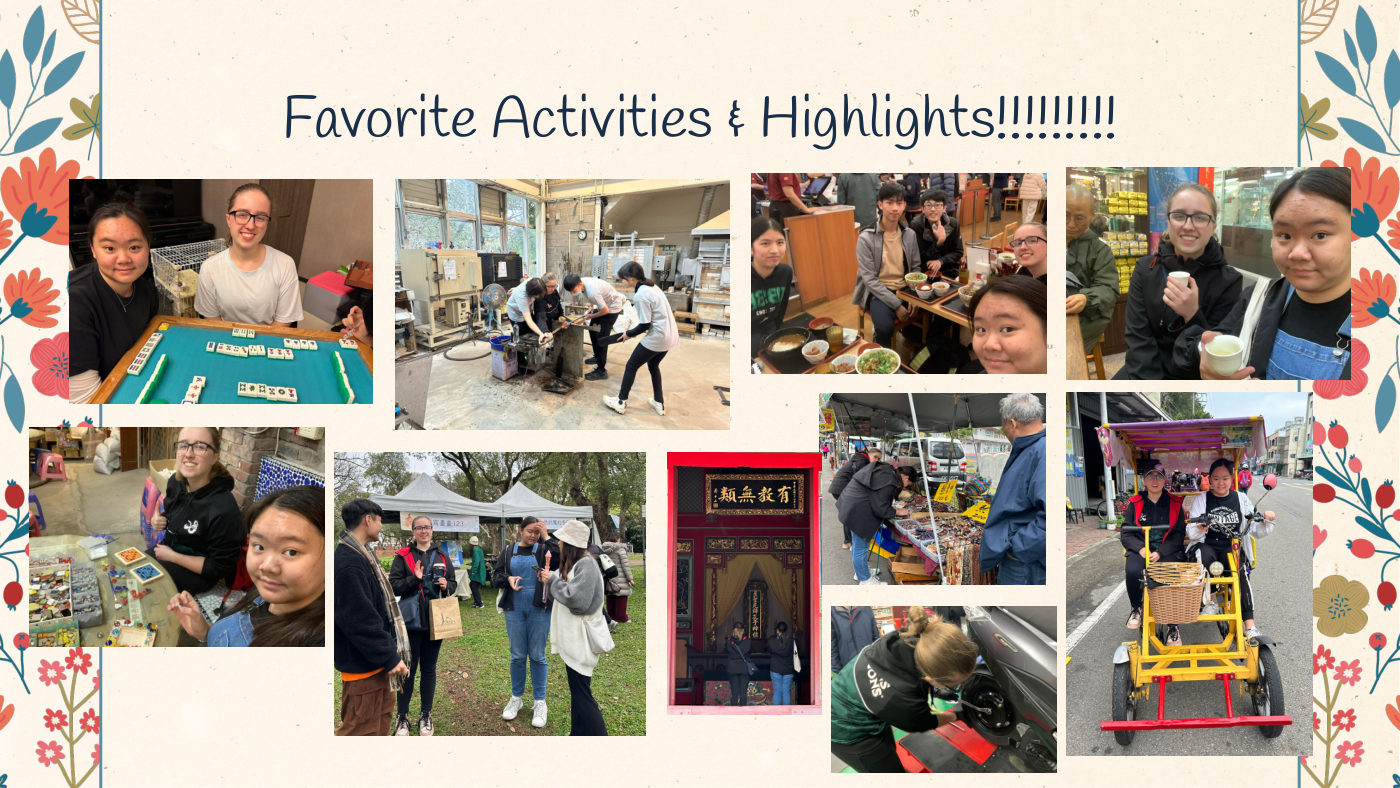
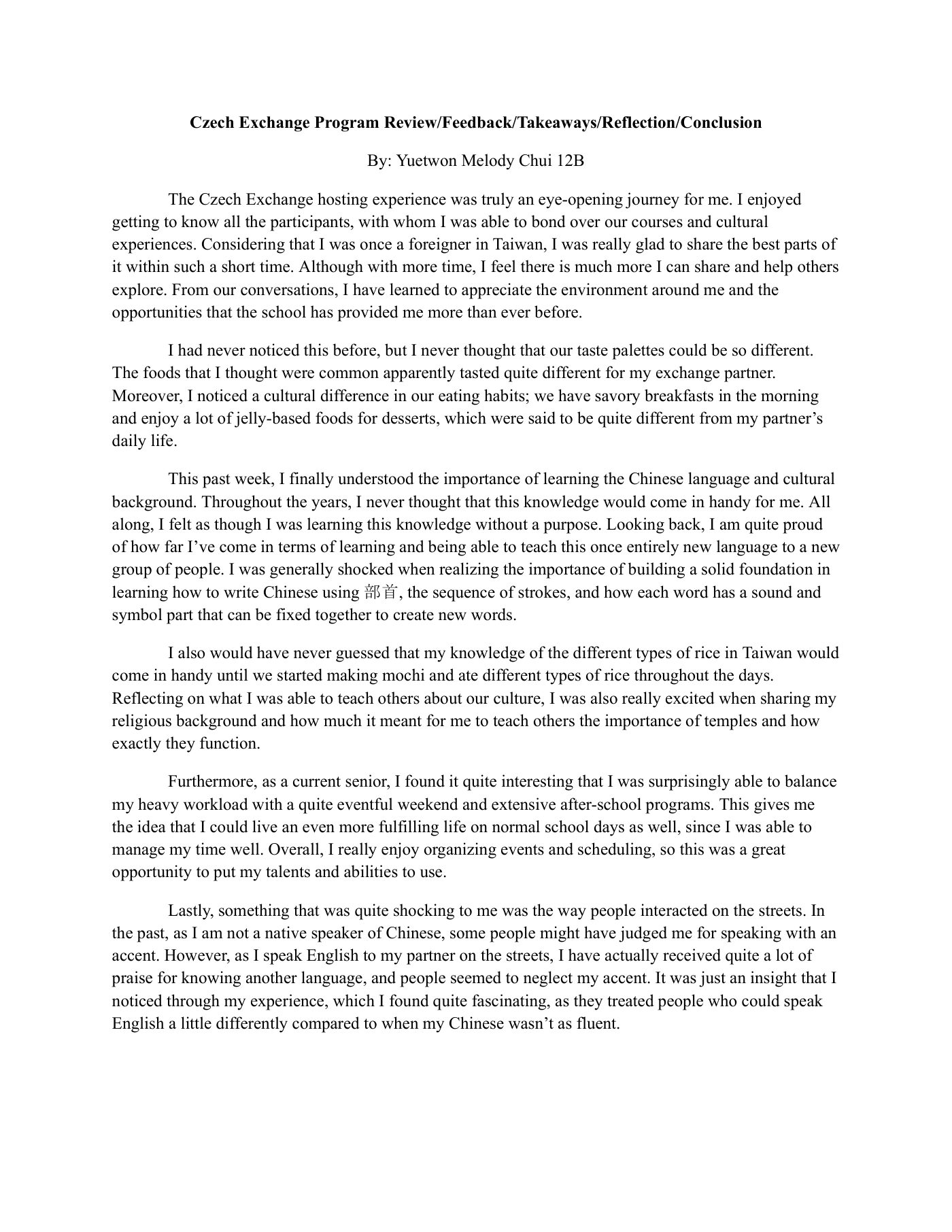
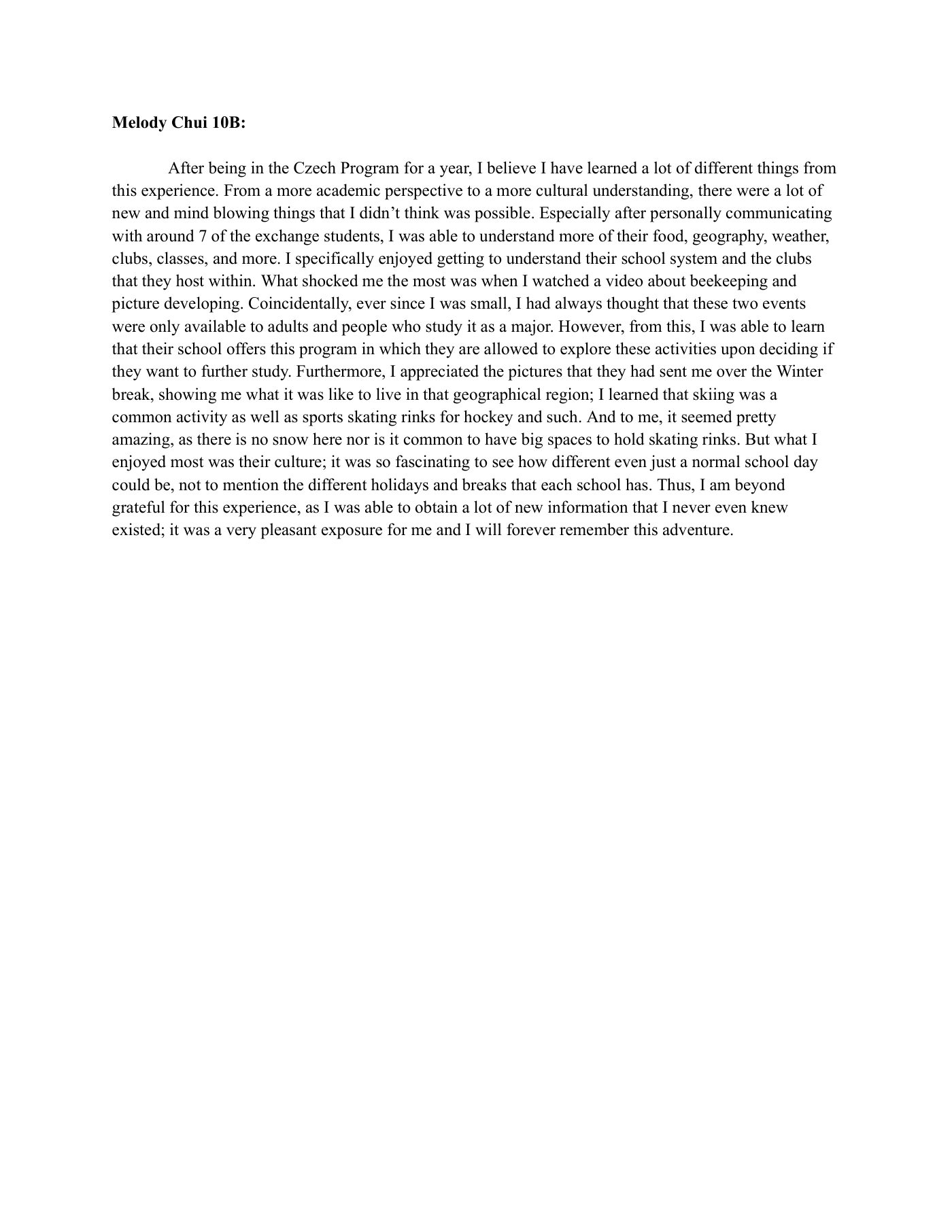
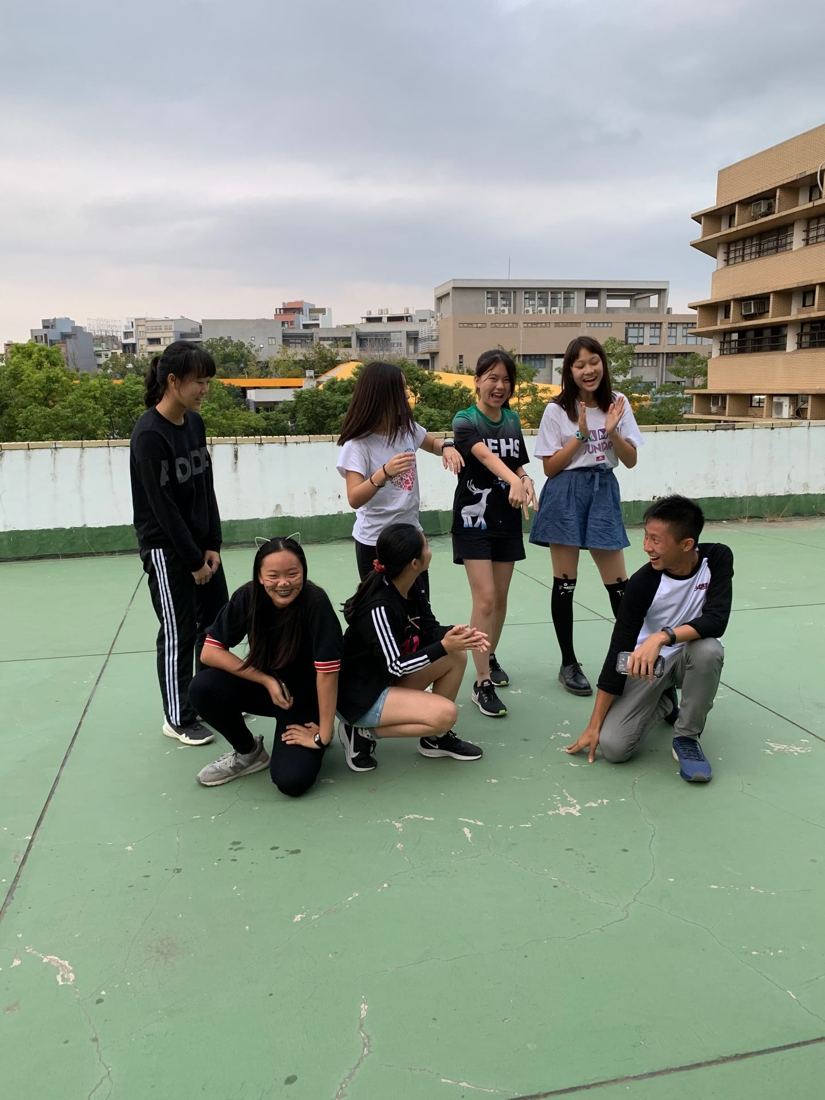
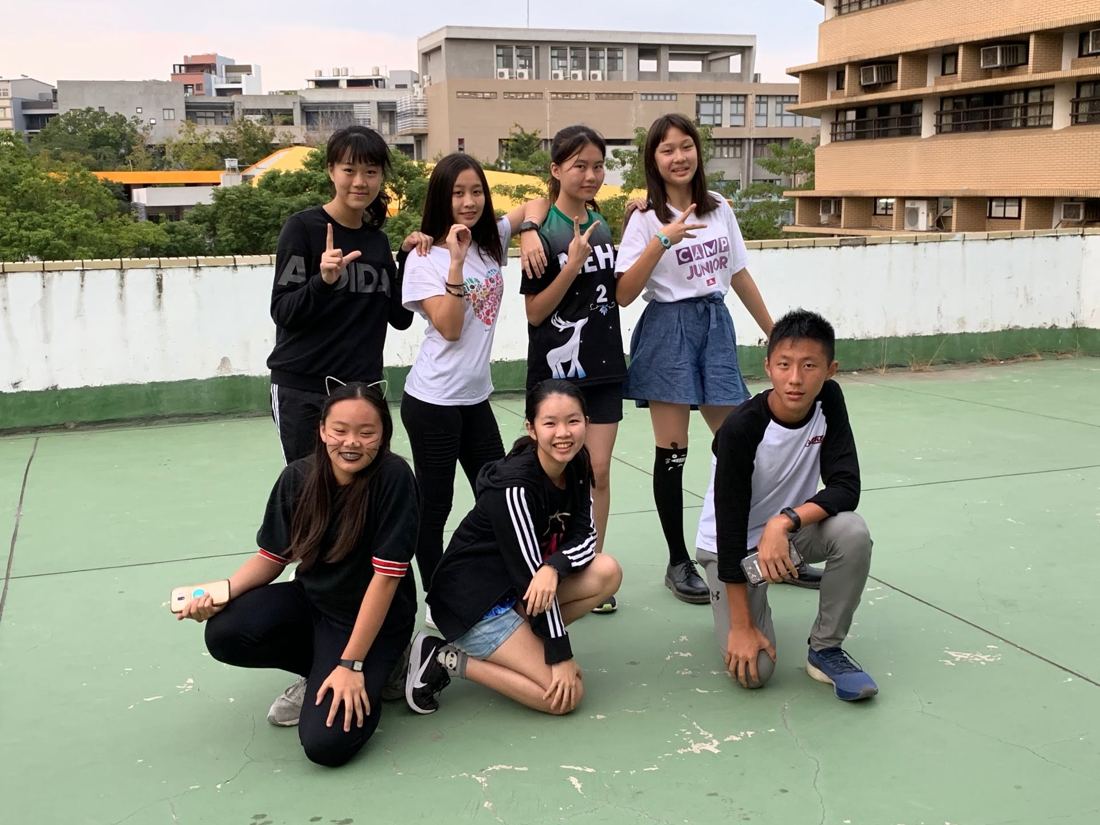
Czech Exchange Program delegate: hosted and guided visiting students from the Czech Republic and produced videos for presentation submissions. Featured in the NEHS newsletter, Vol. 29 No. 4.
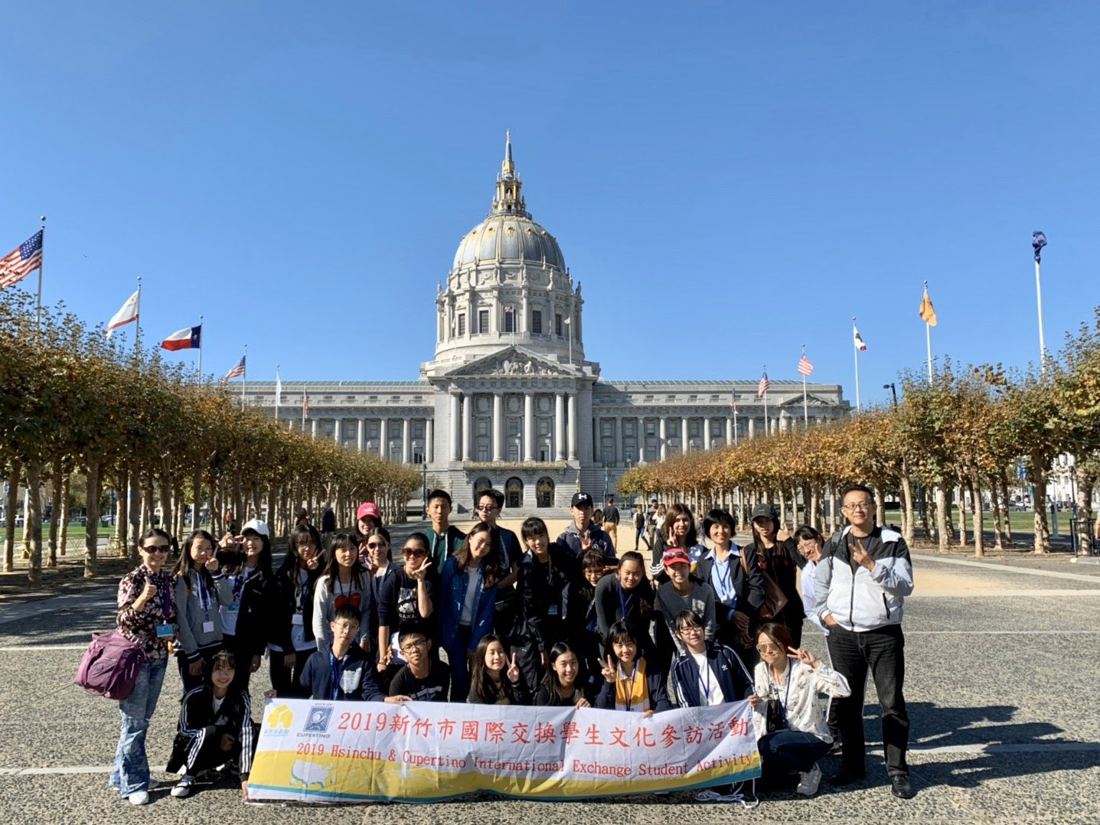
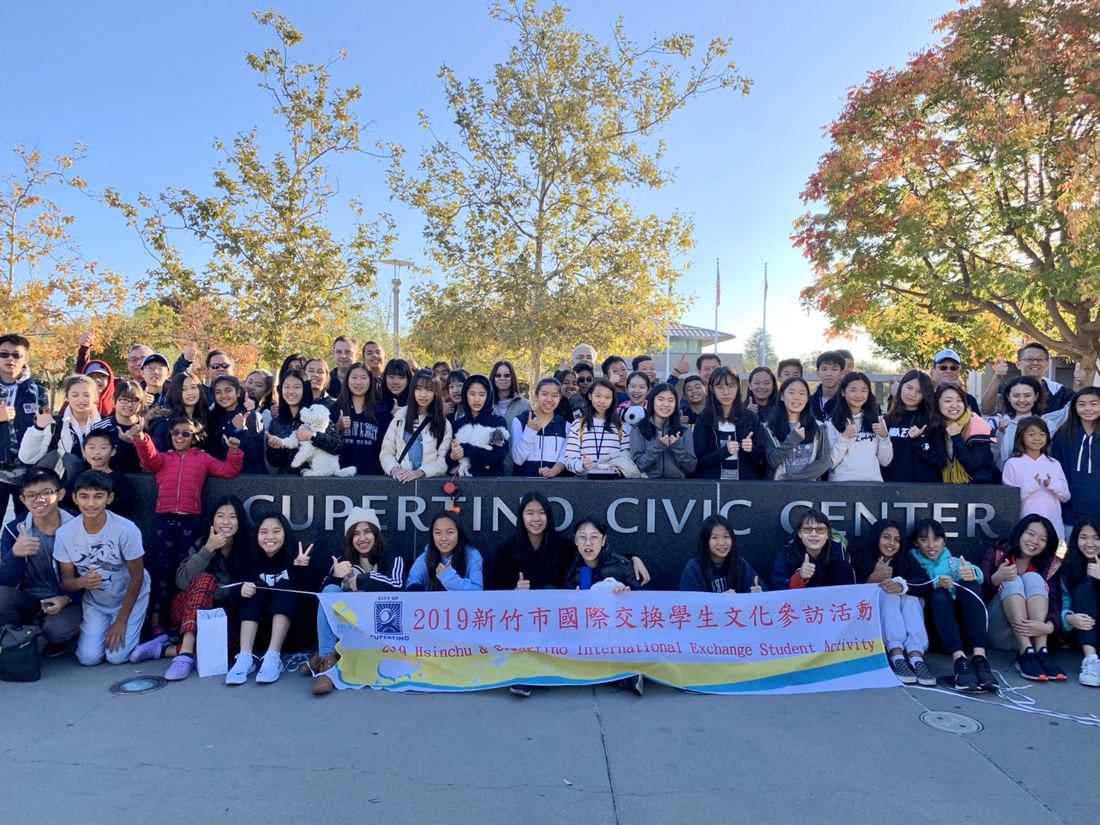
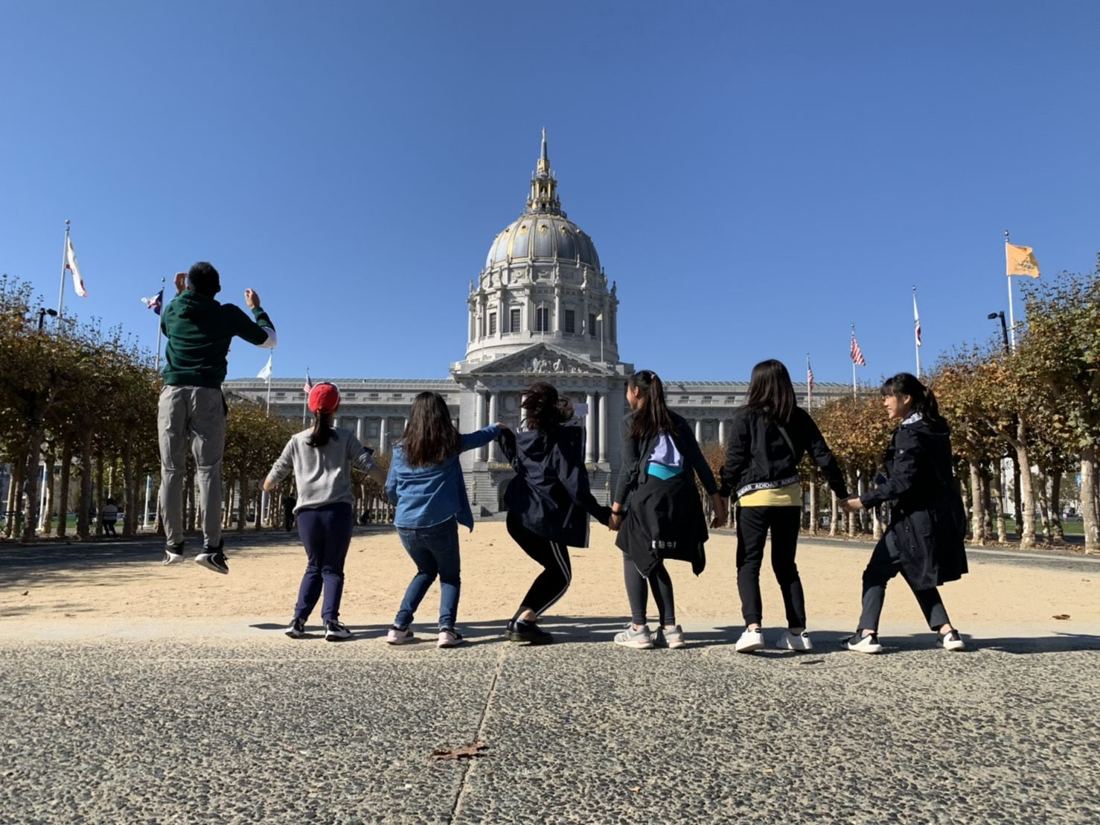
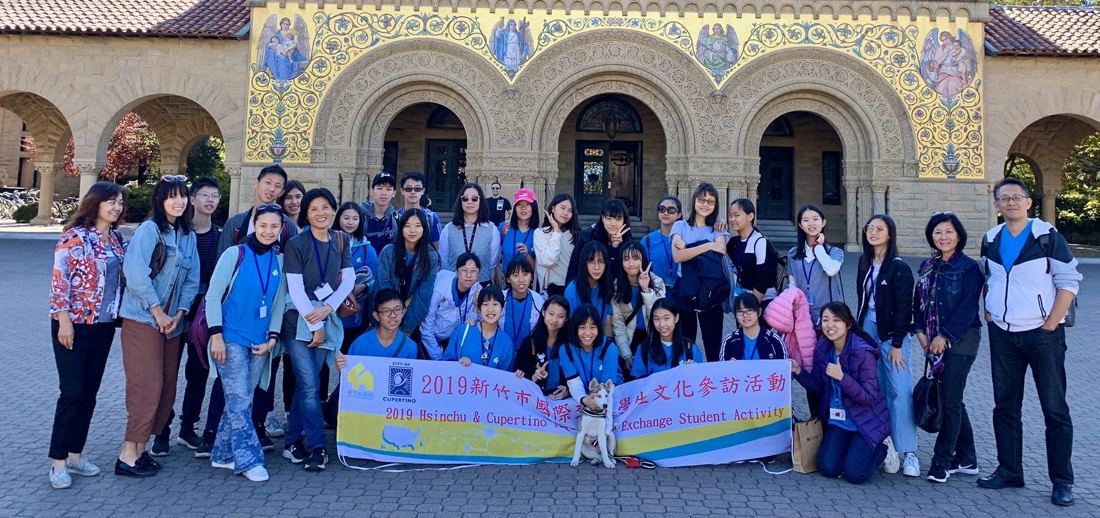
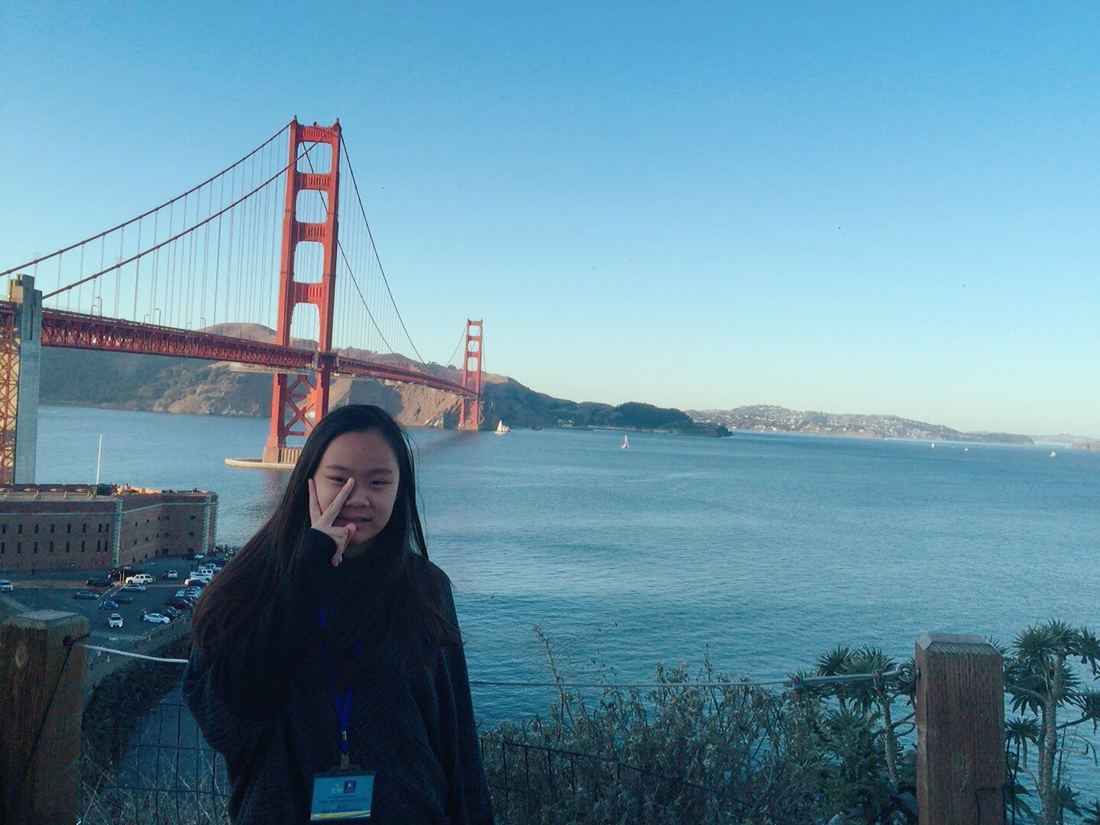
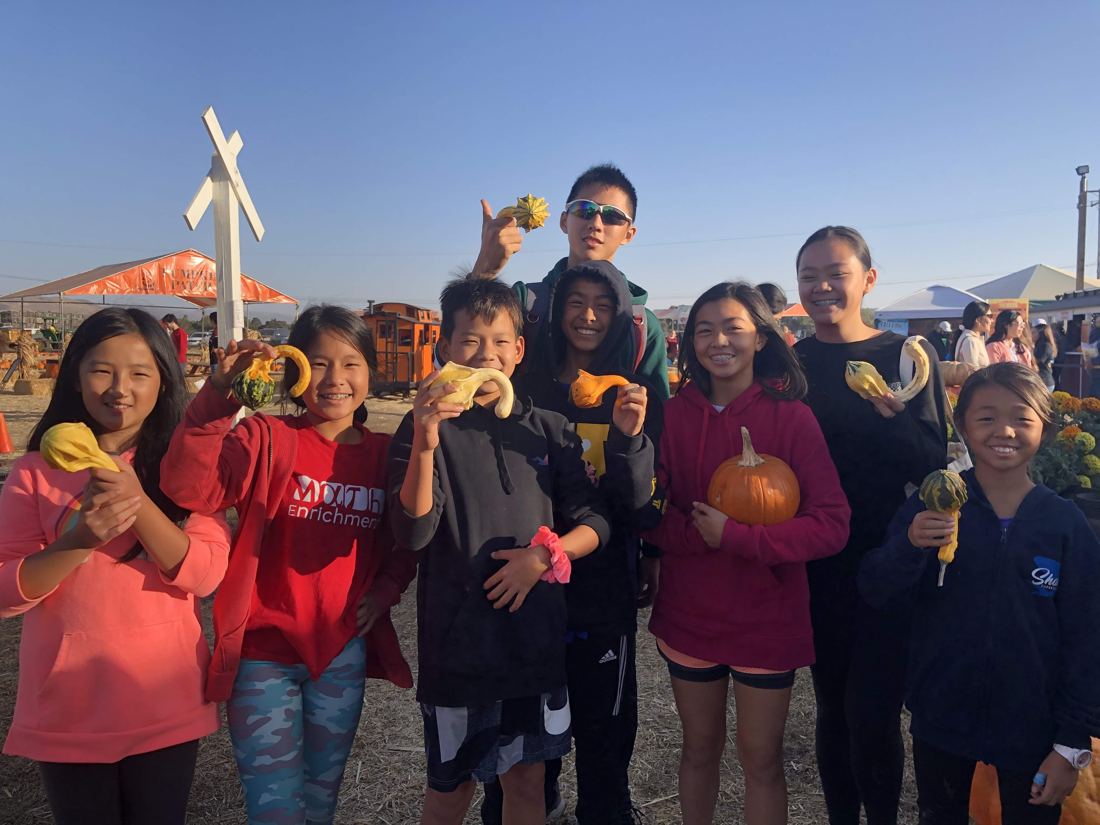
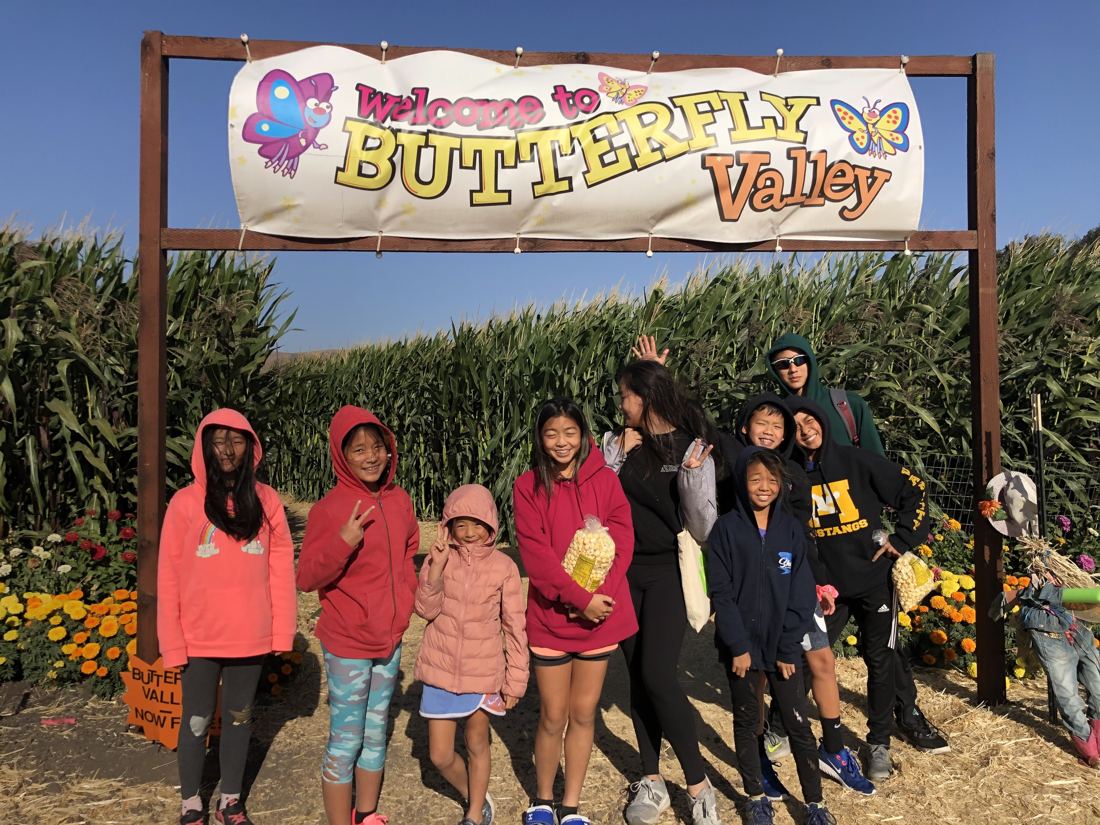
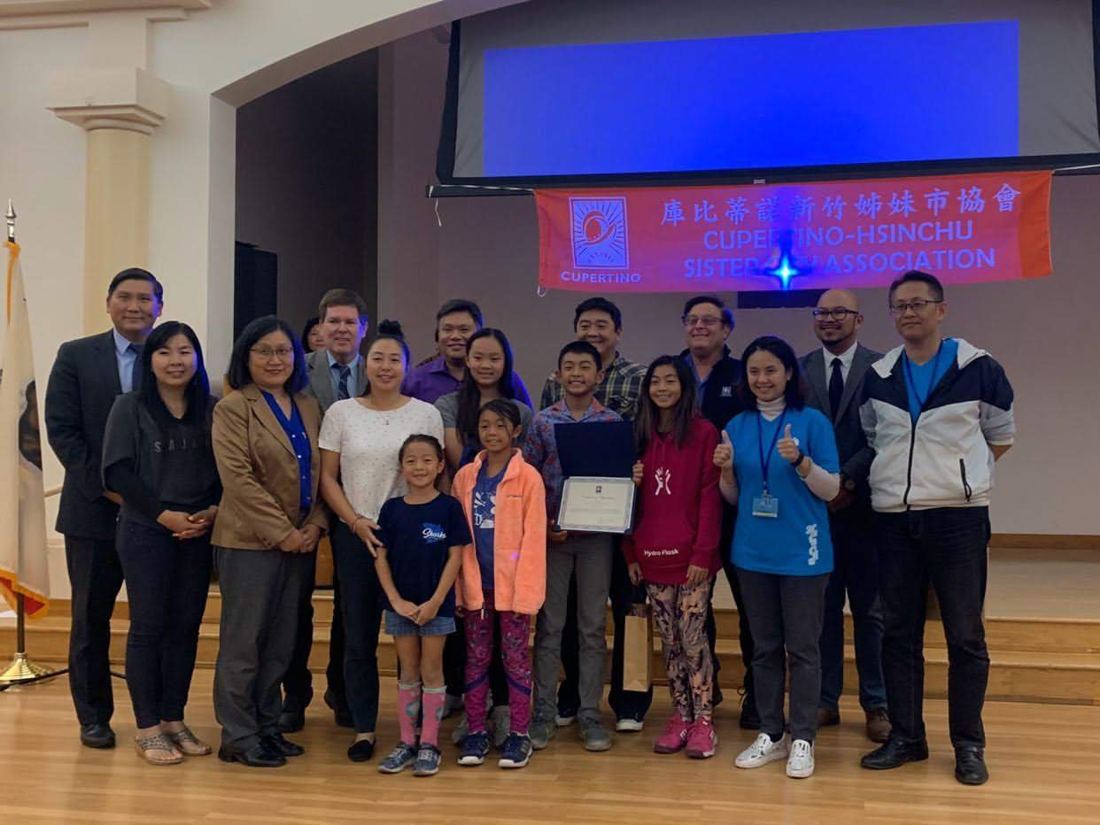
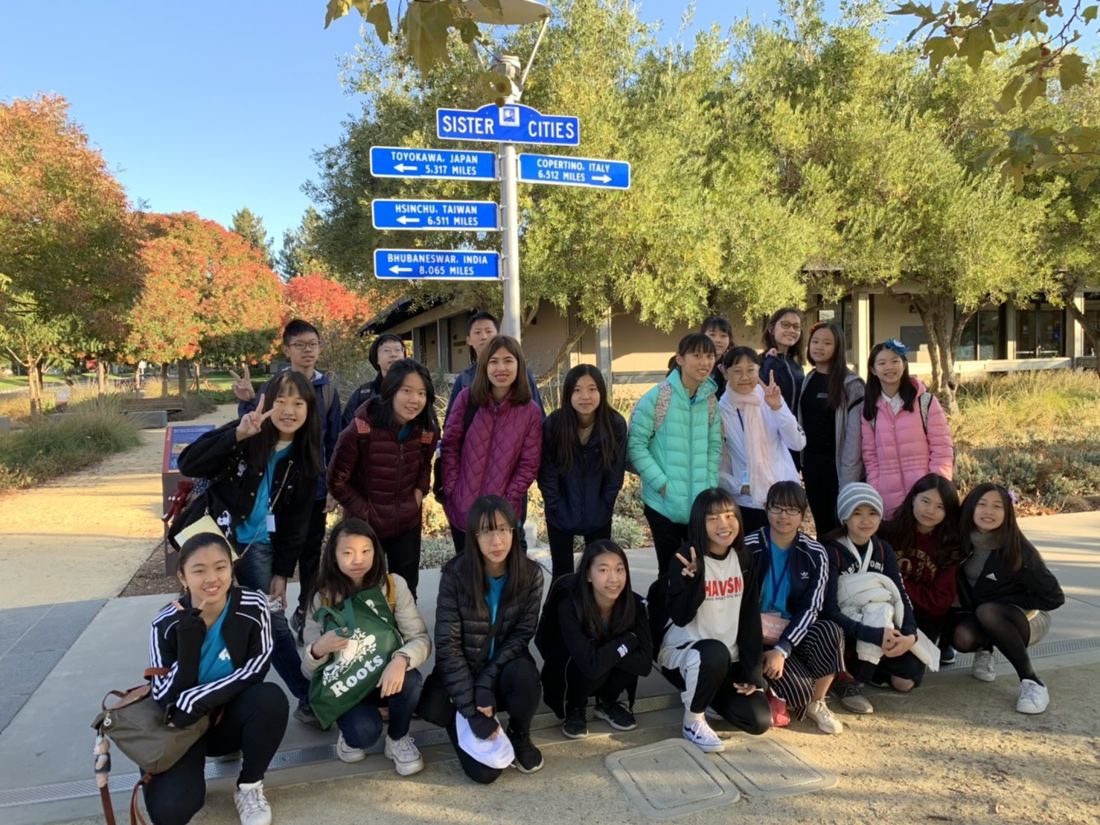
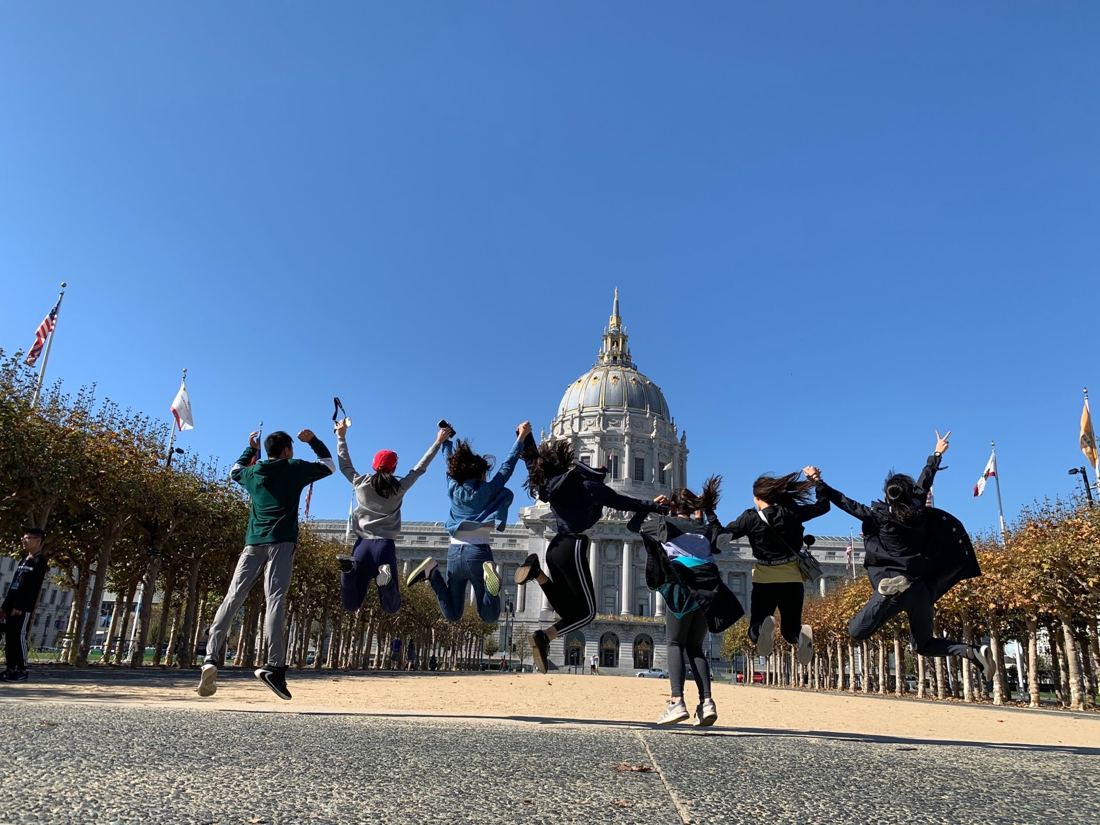
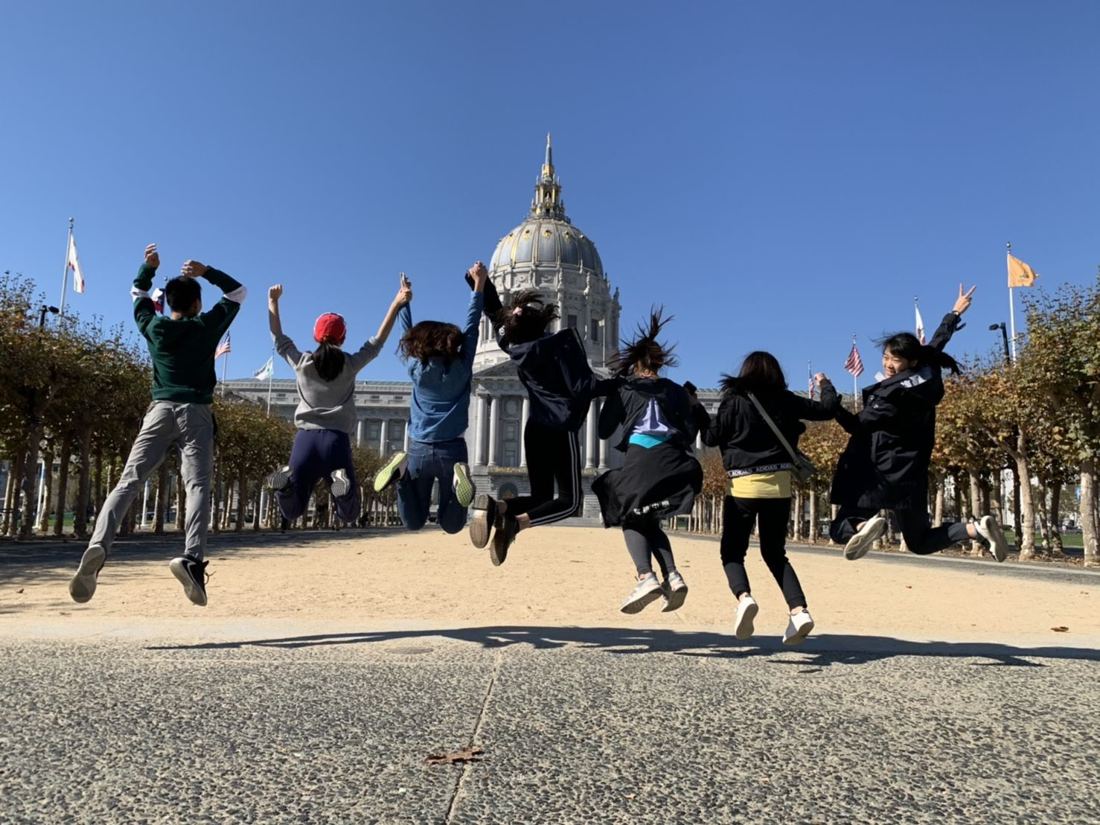
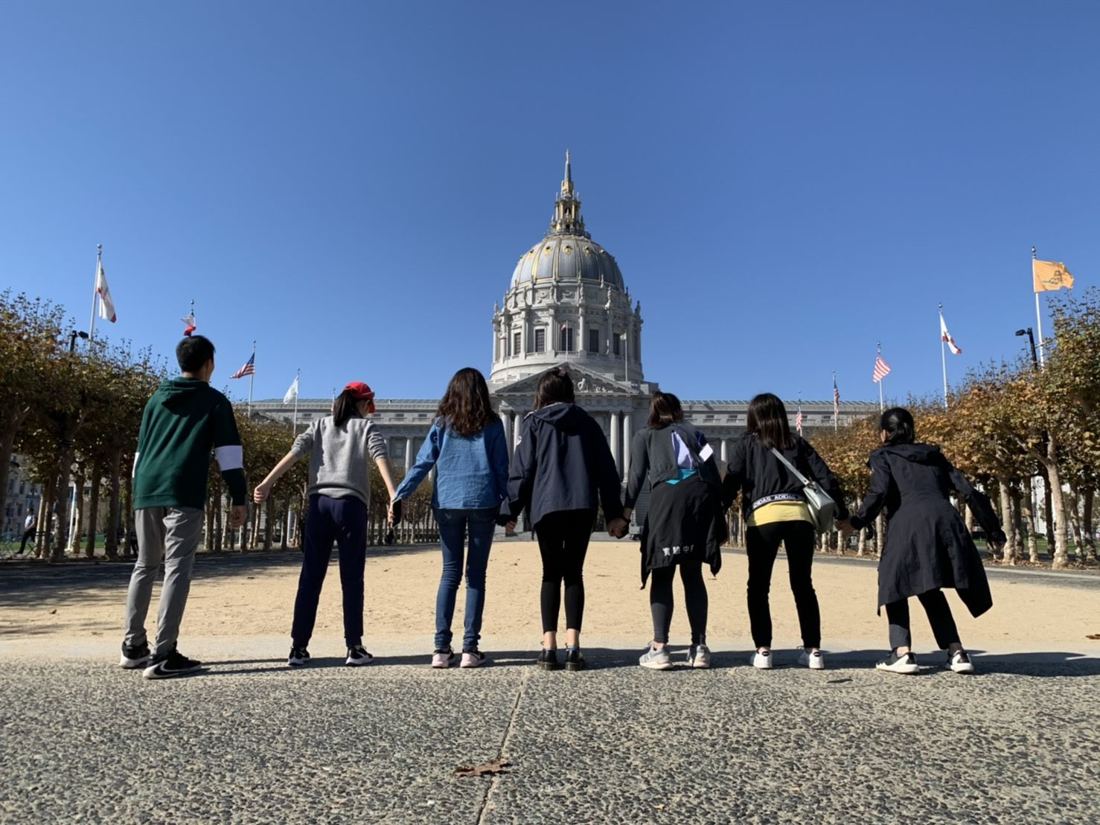
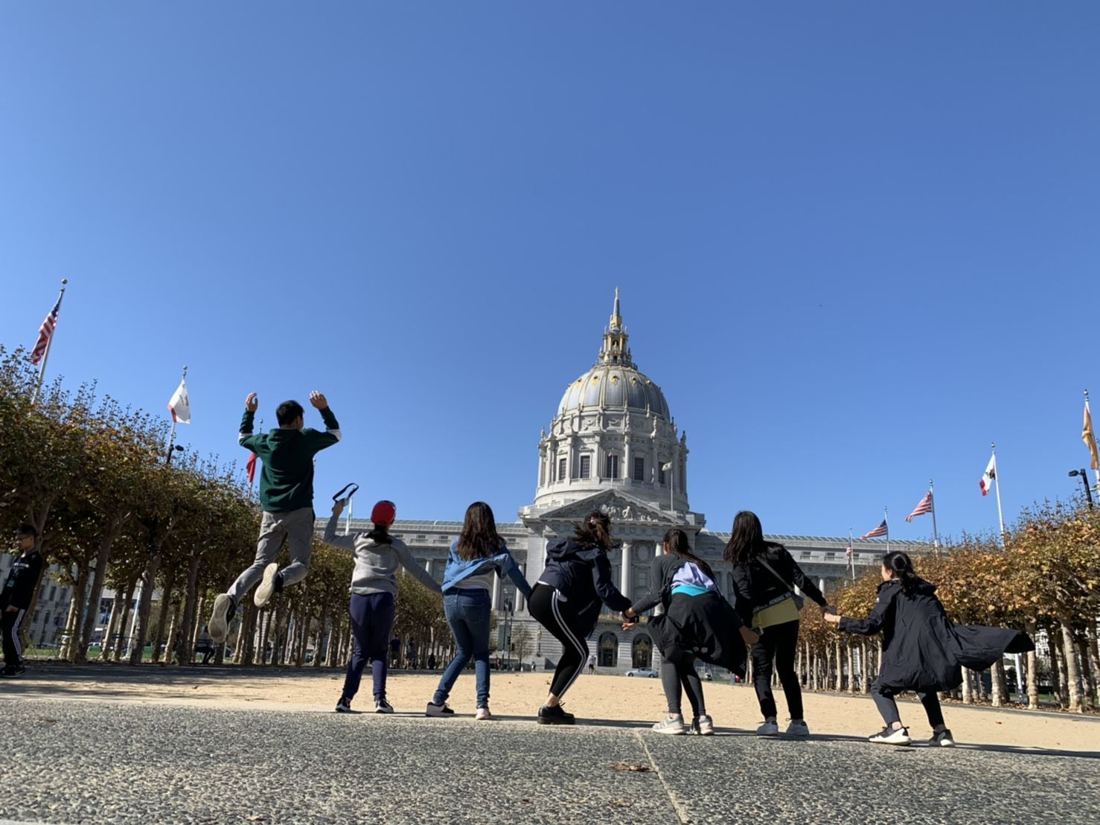
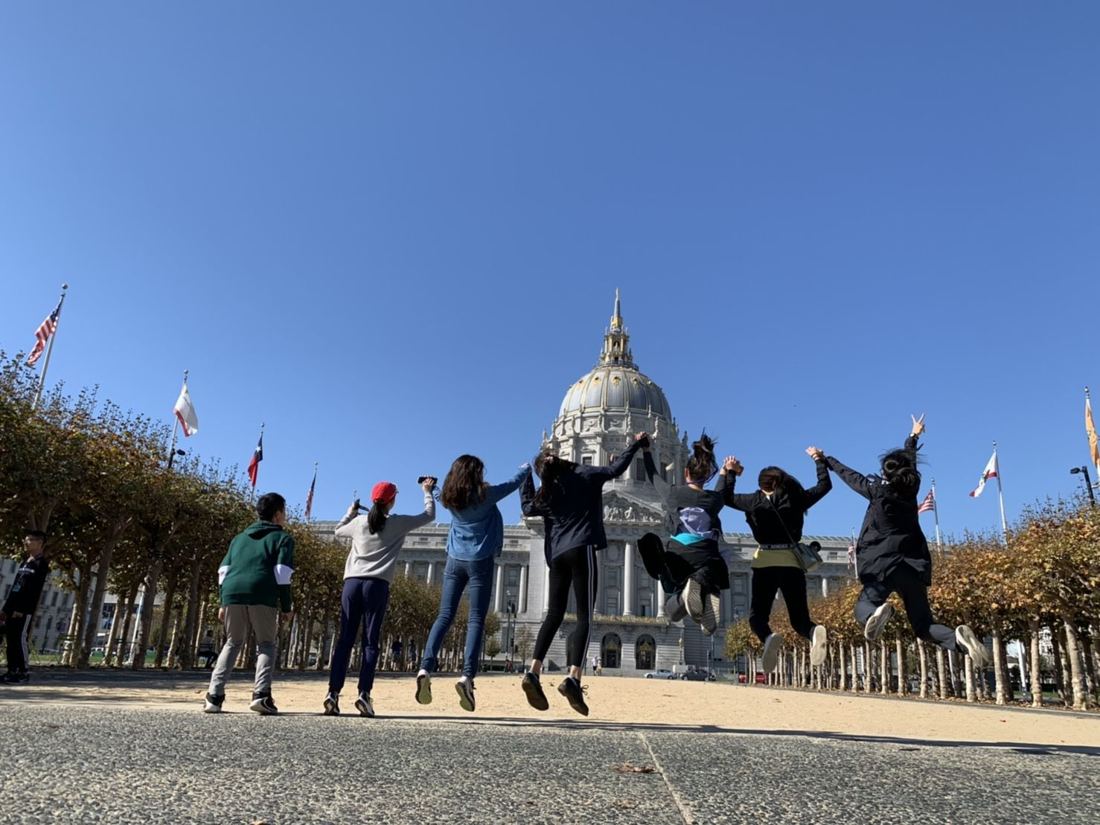
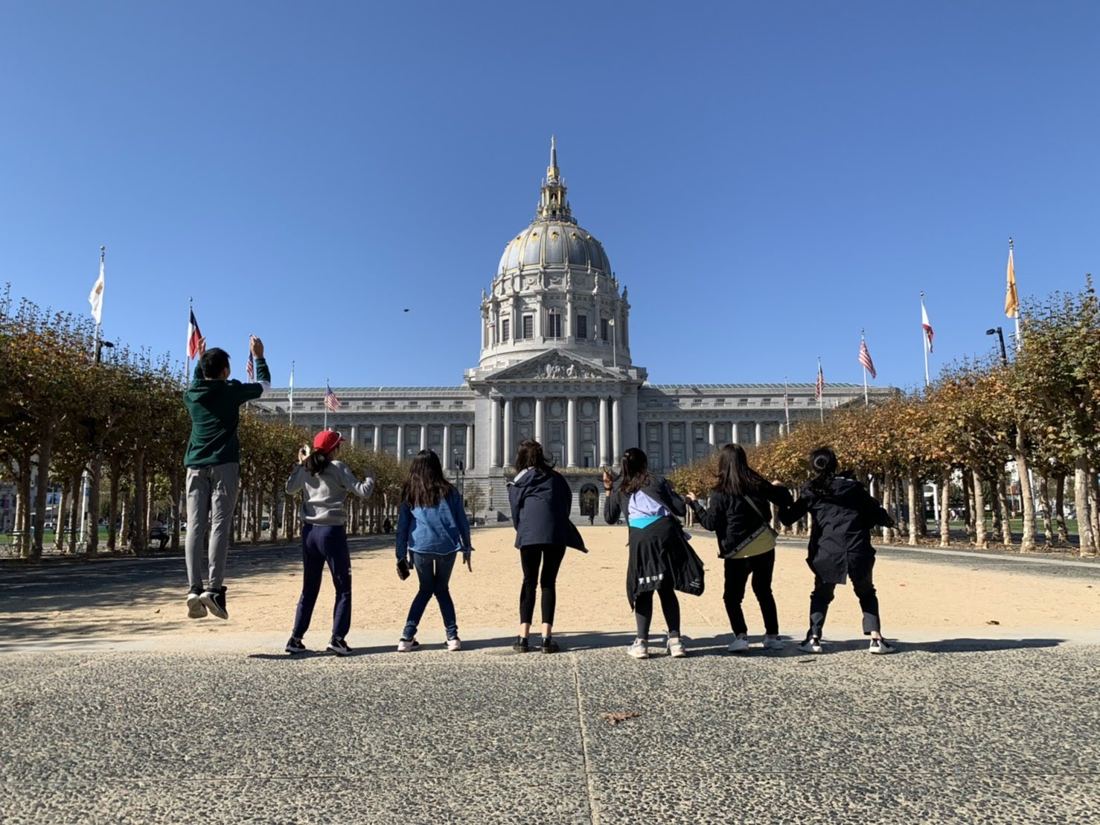
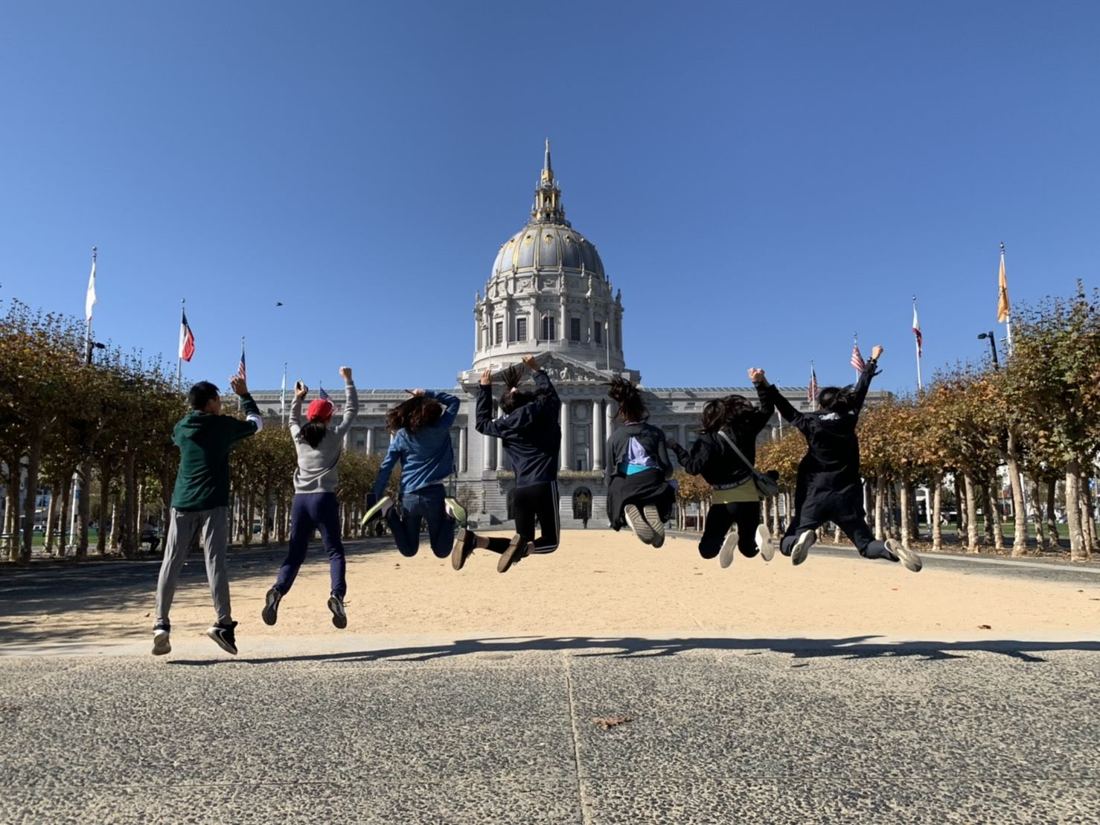
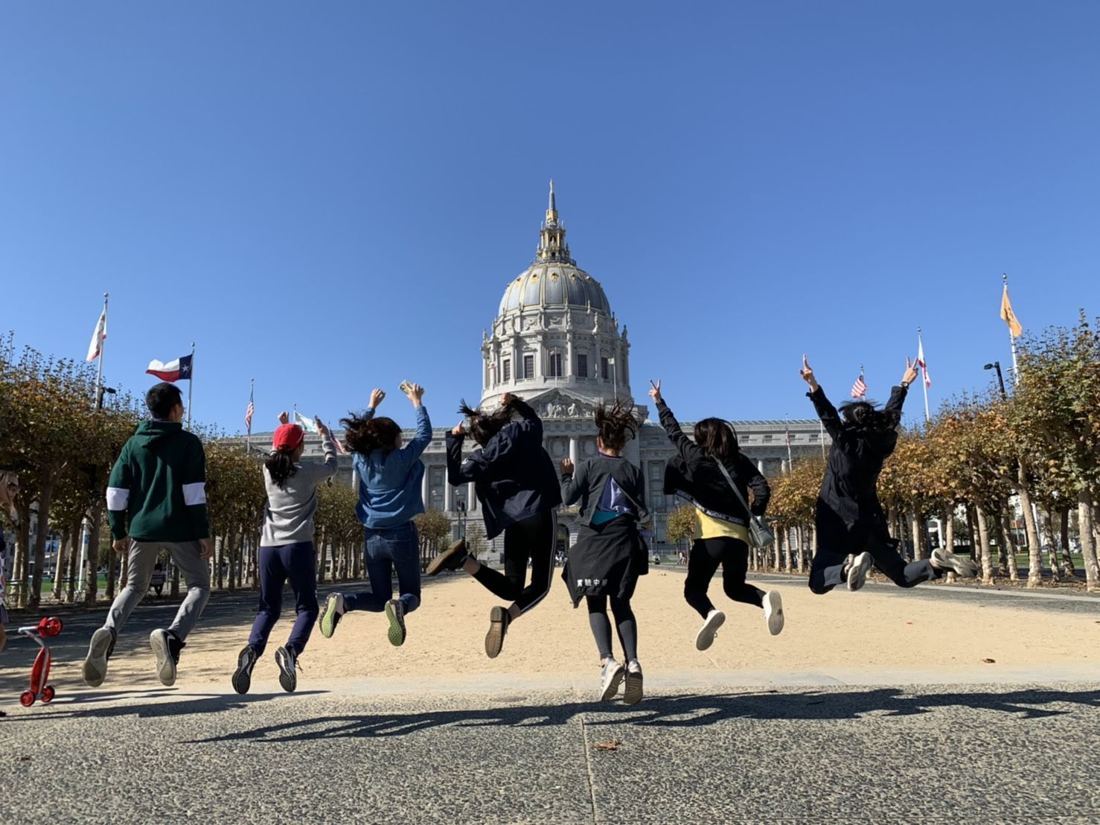
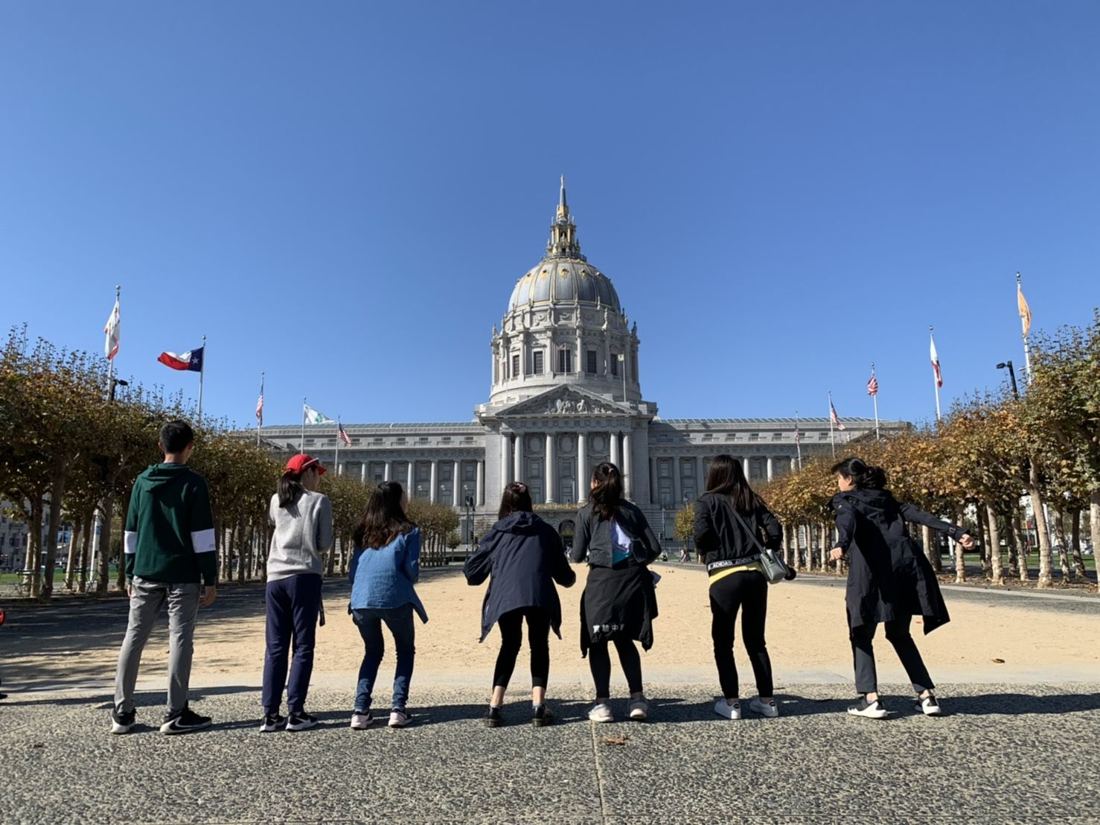
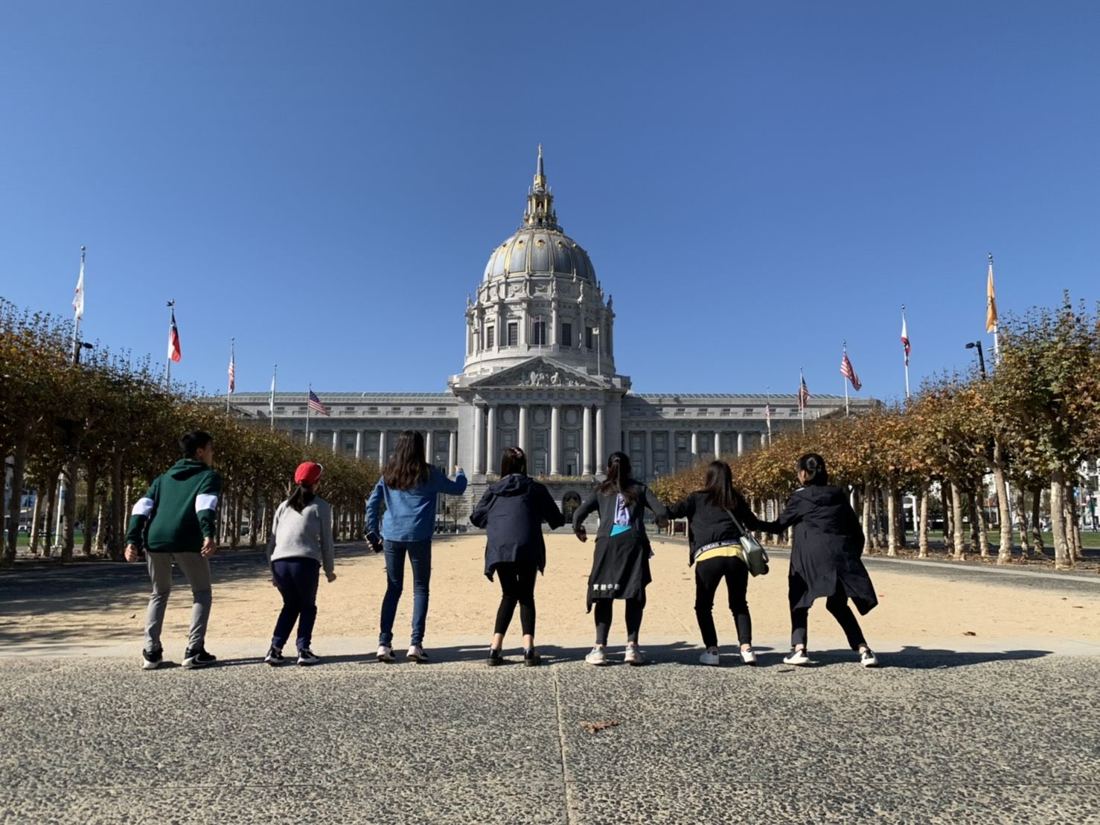
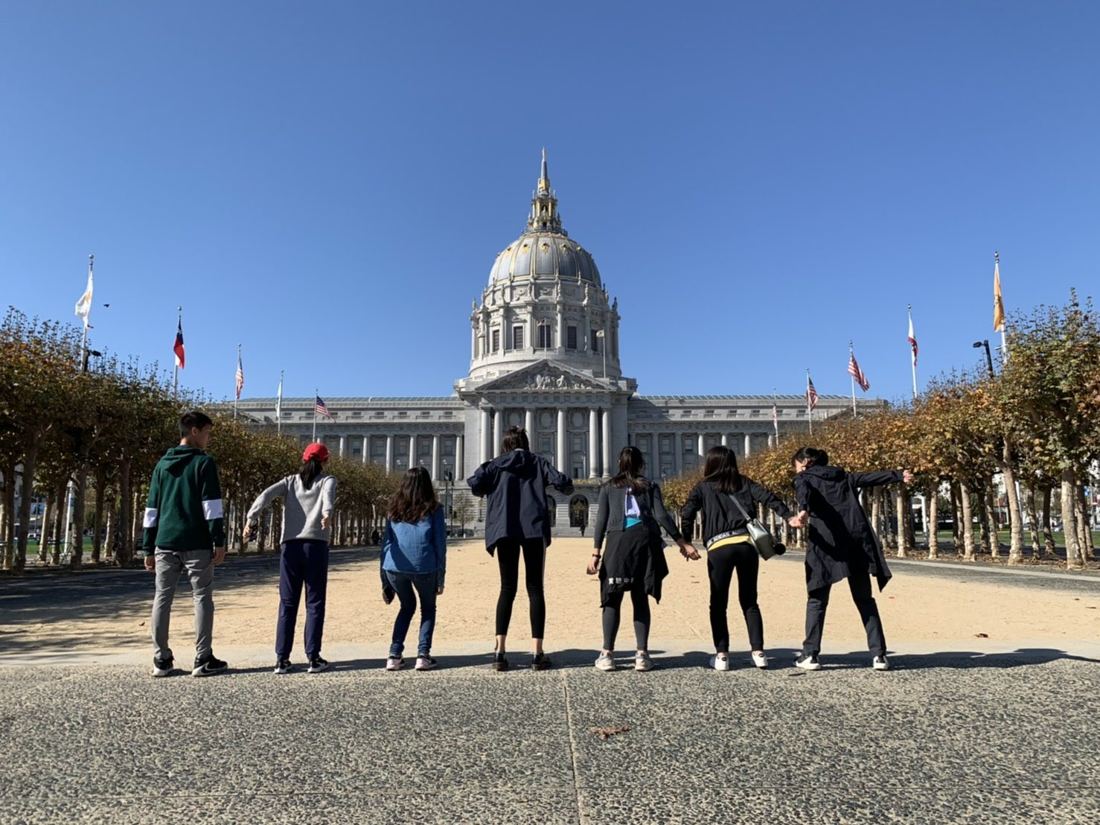
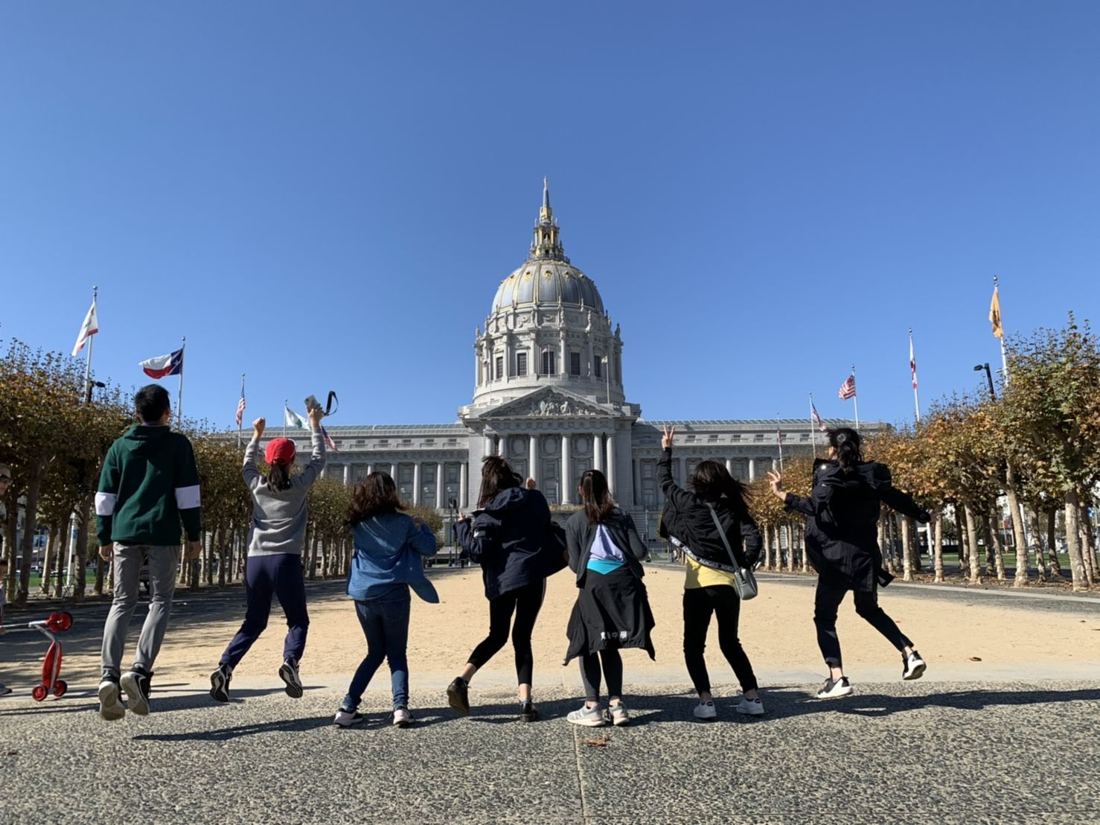
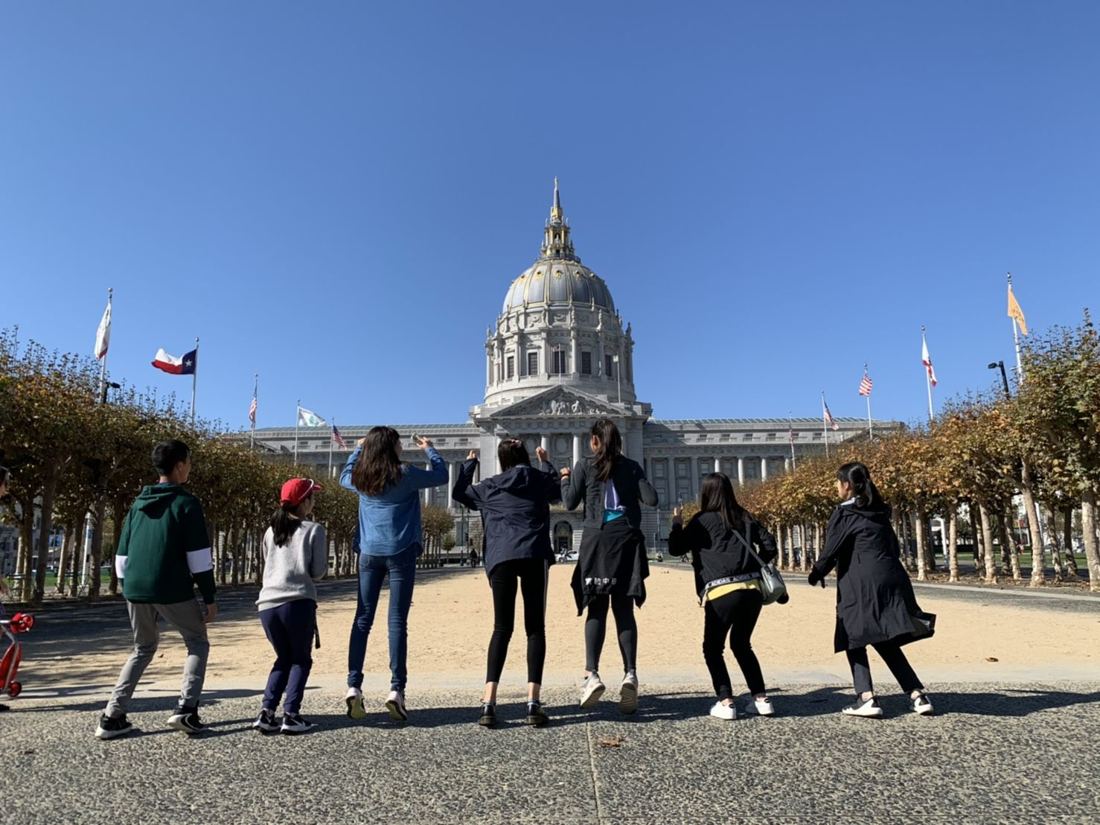
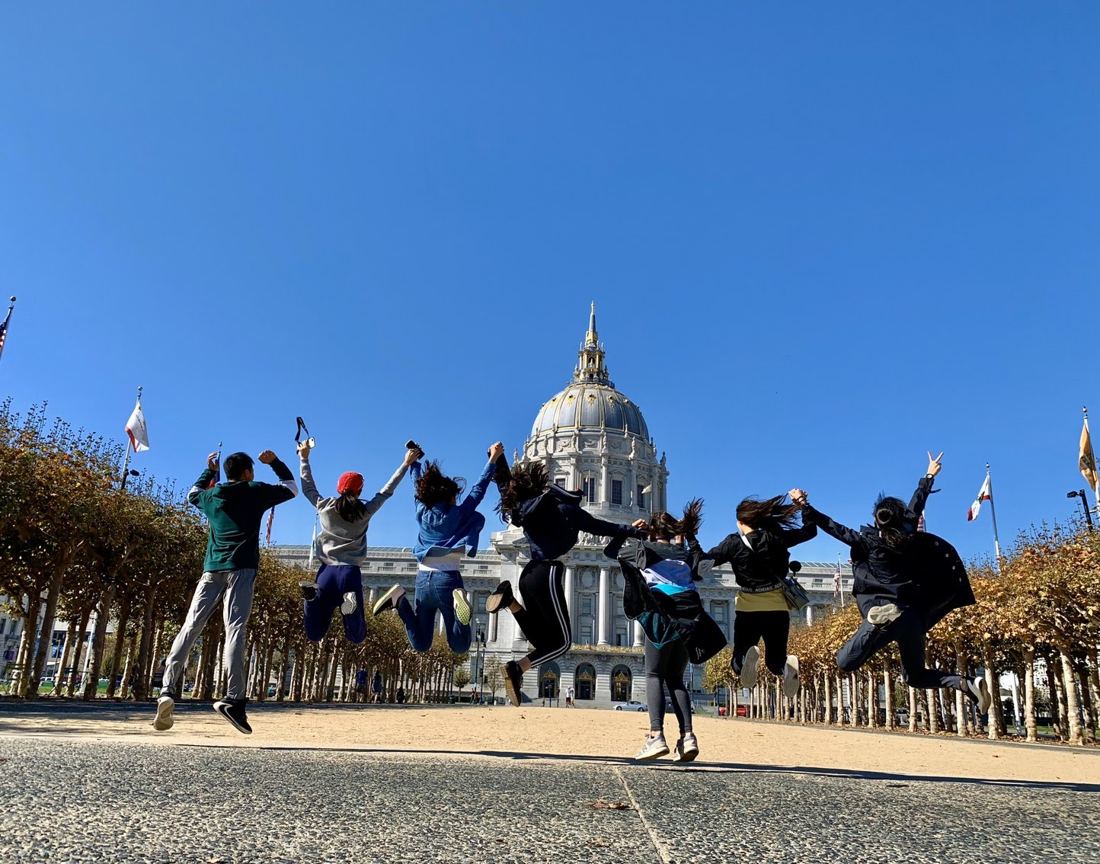
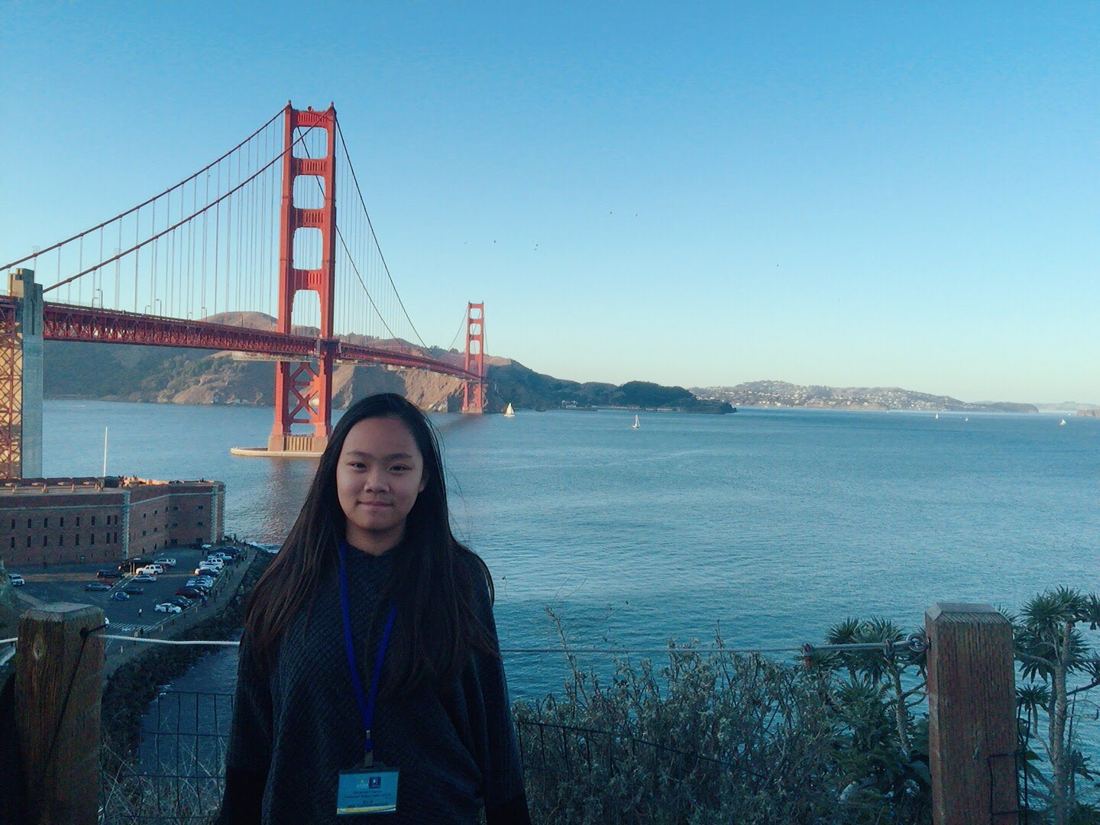
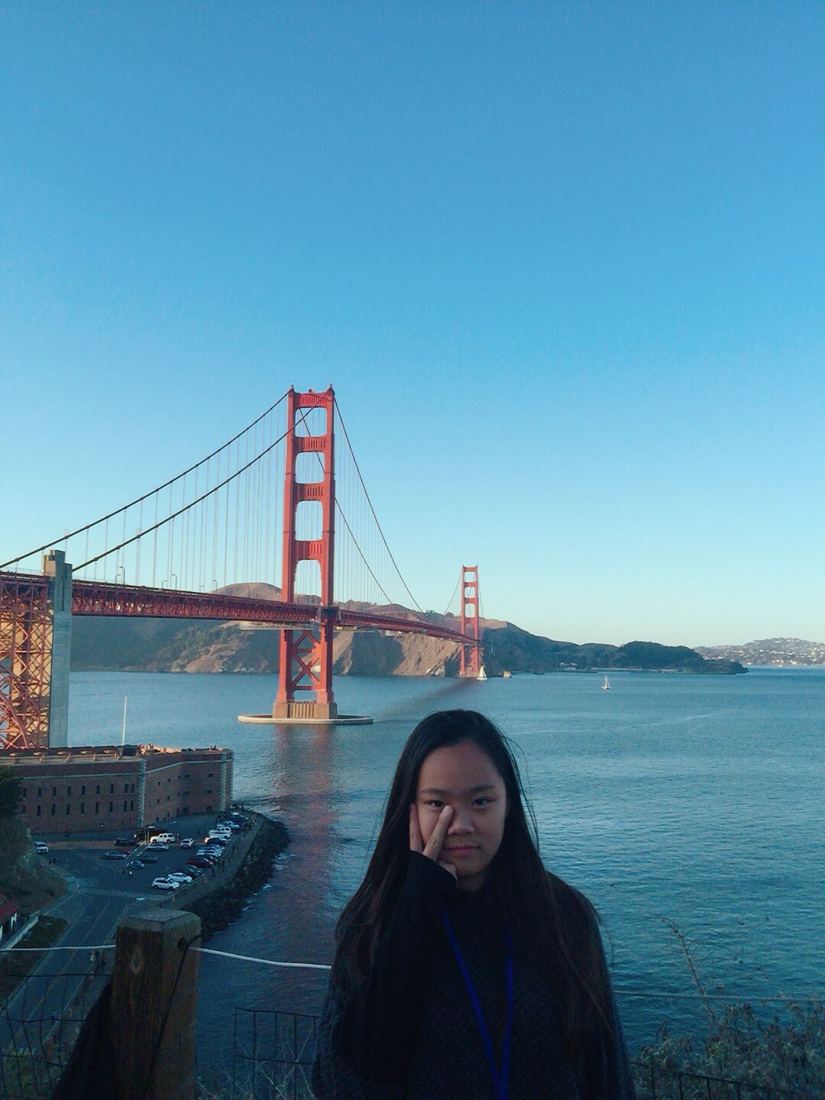
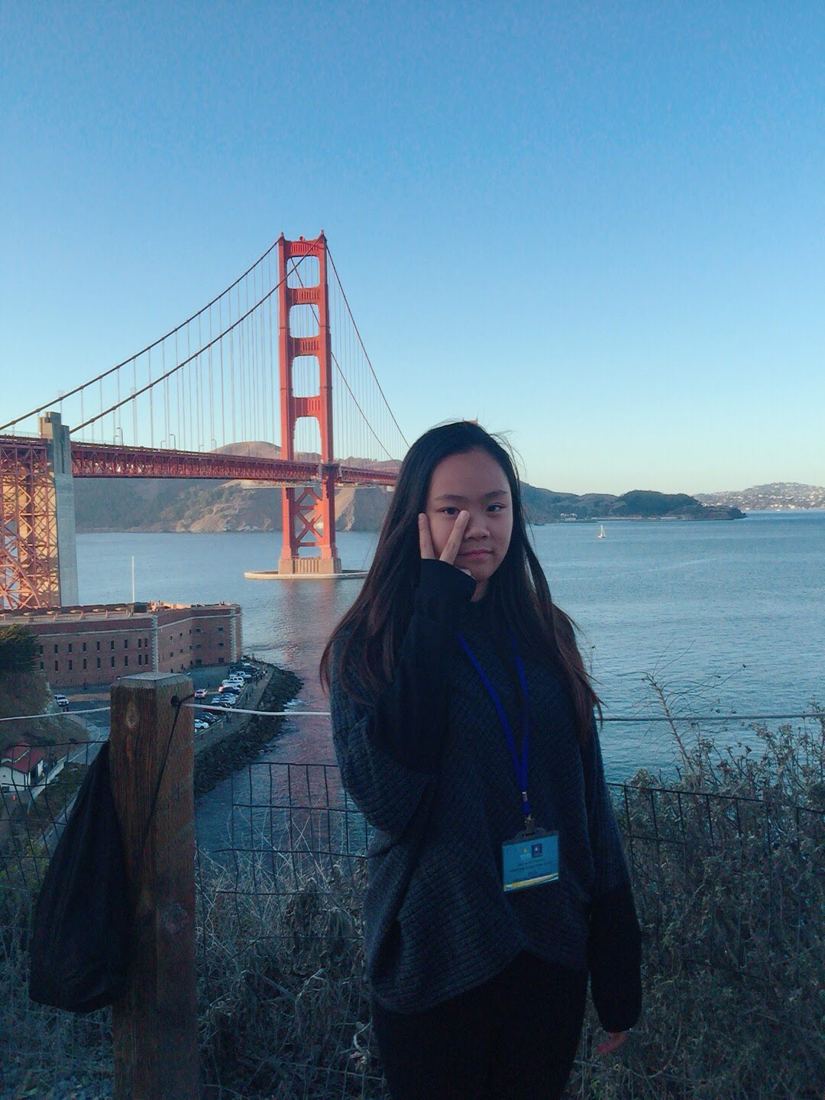
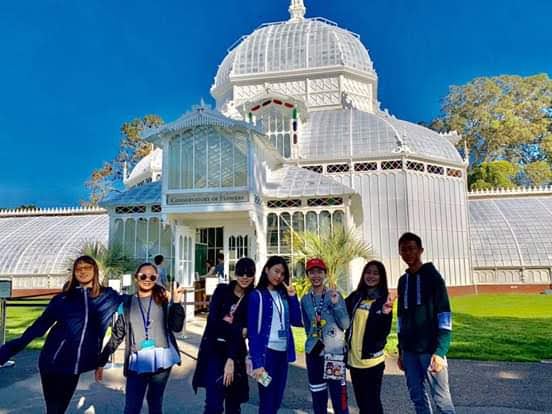
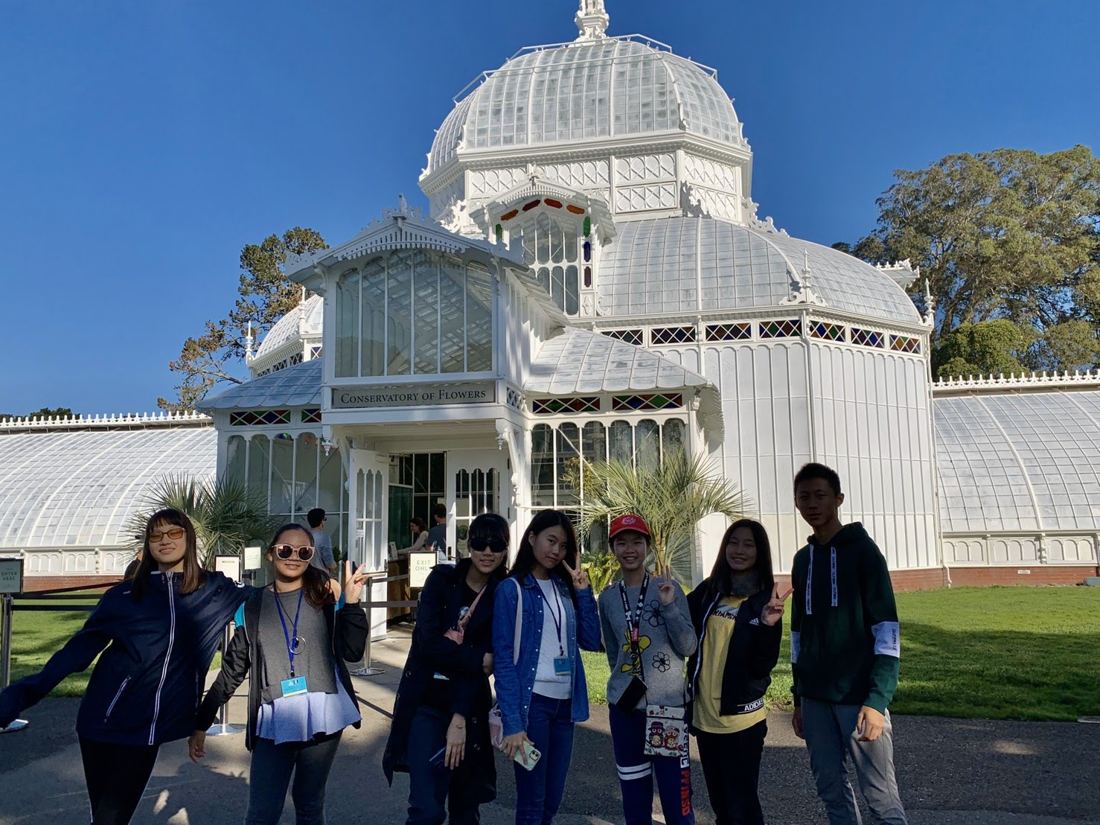
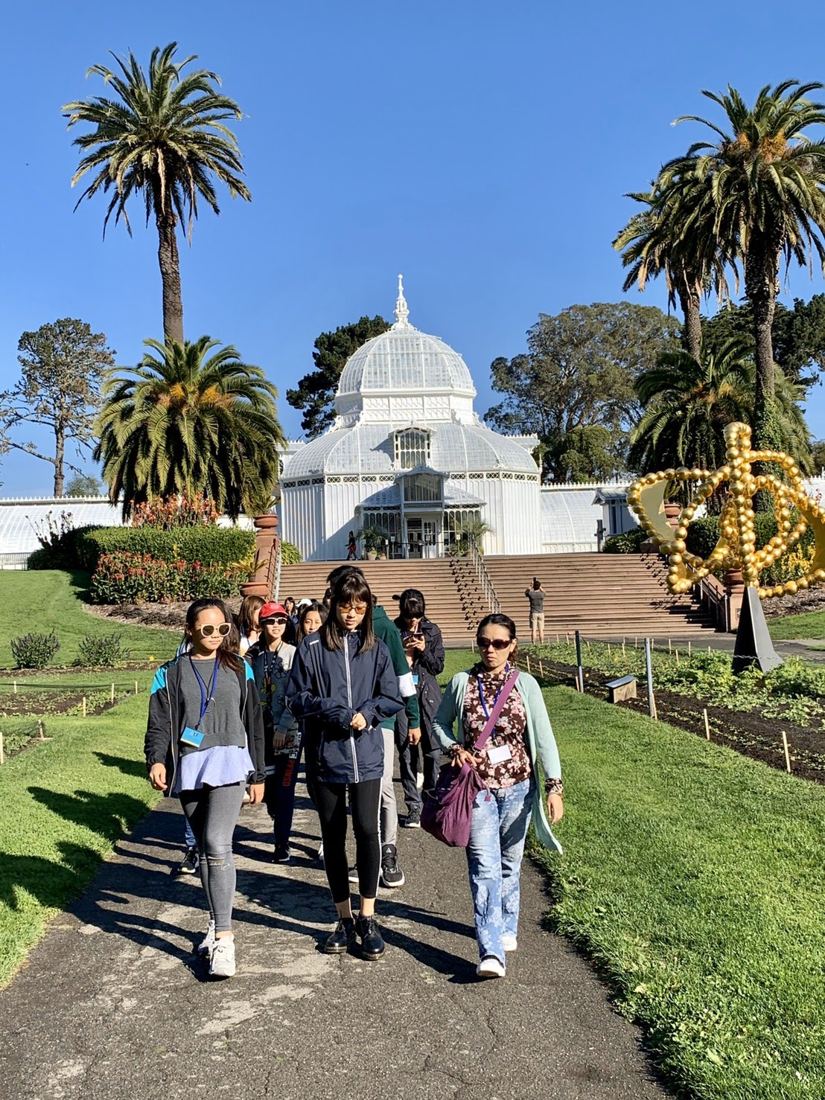
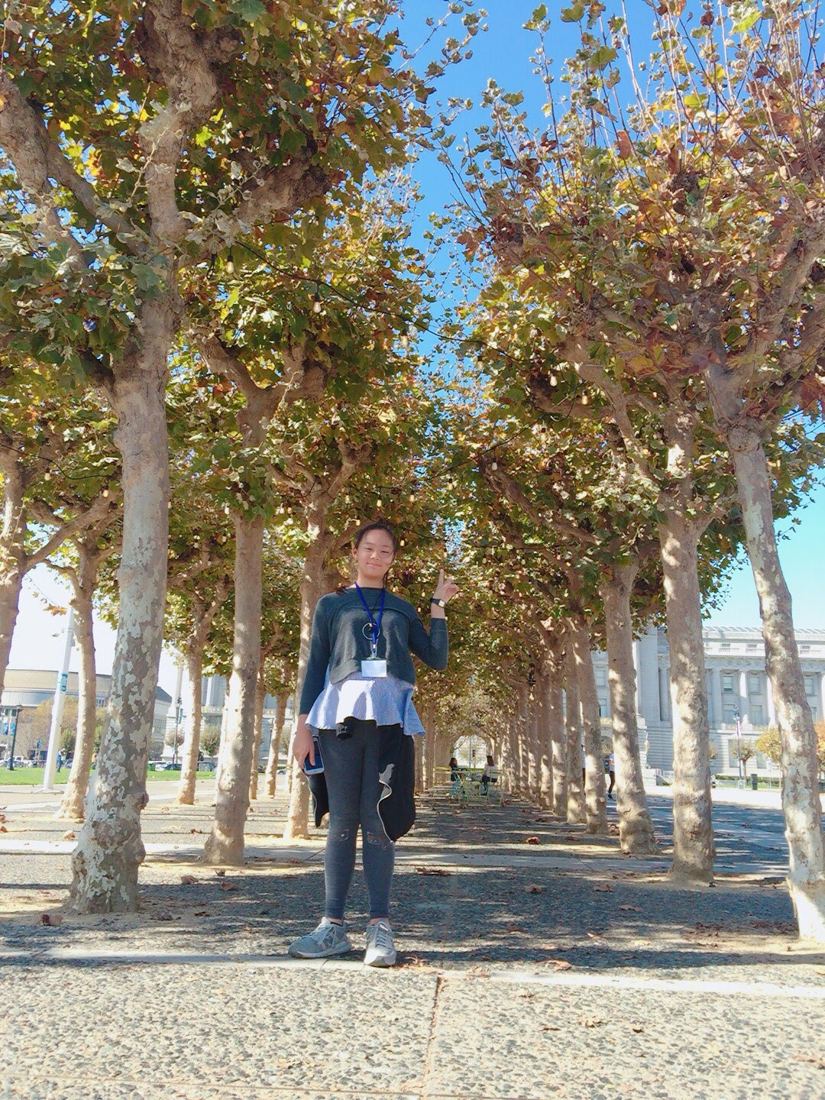
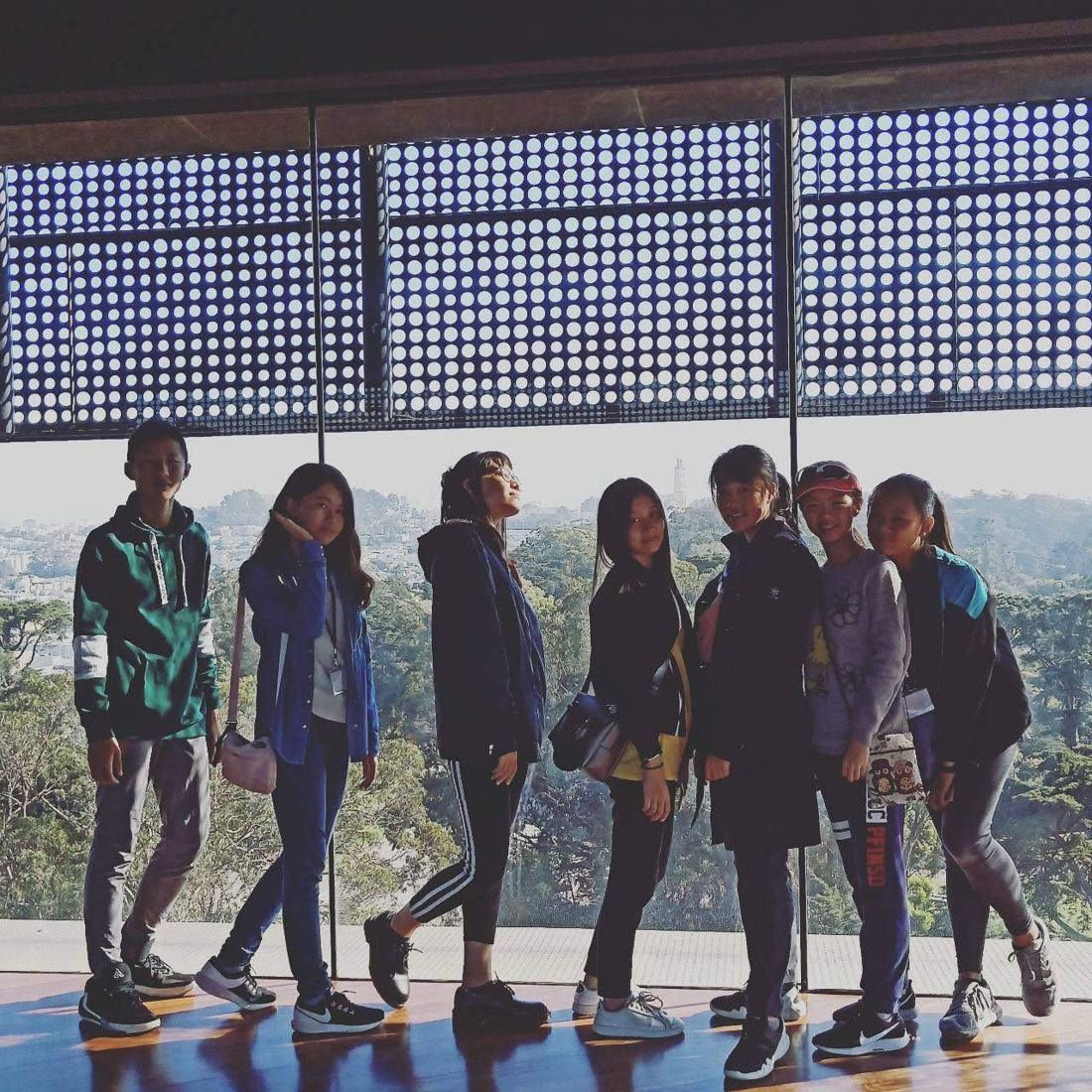
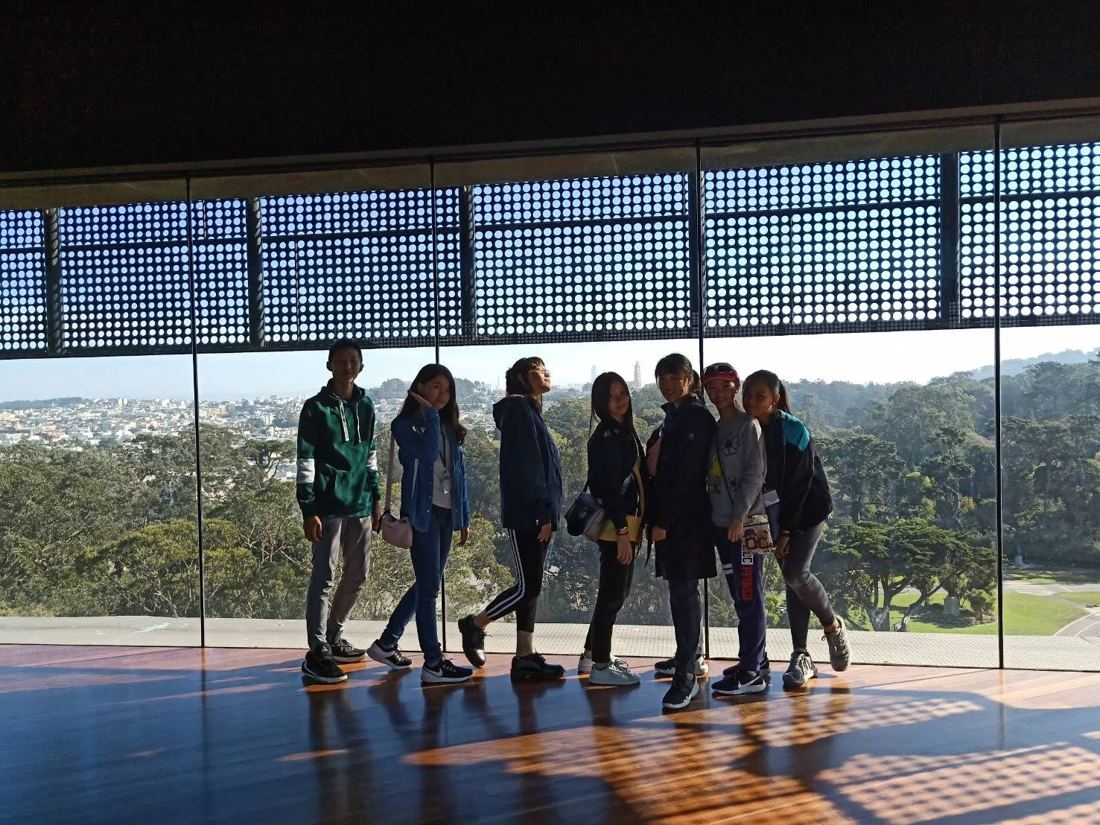
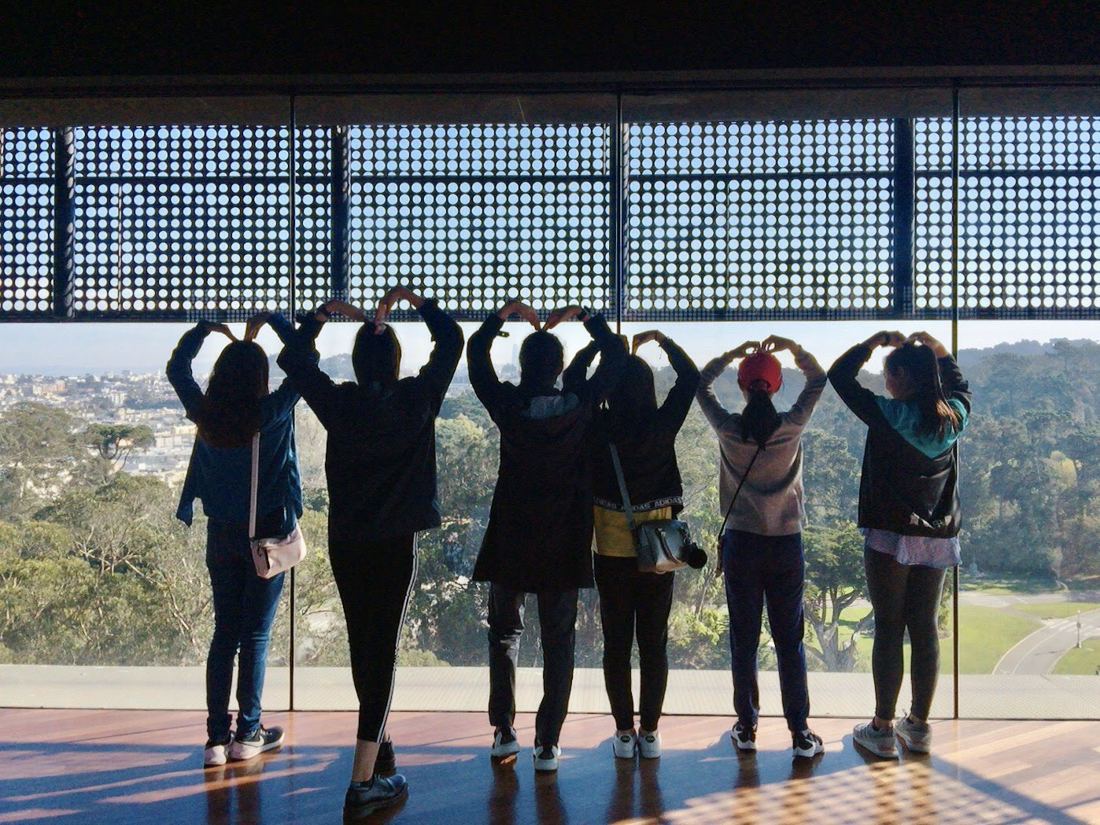
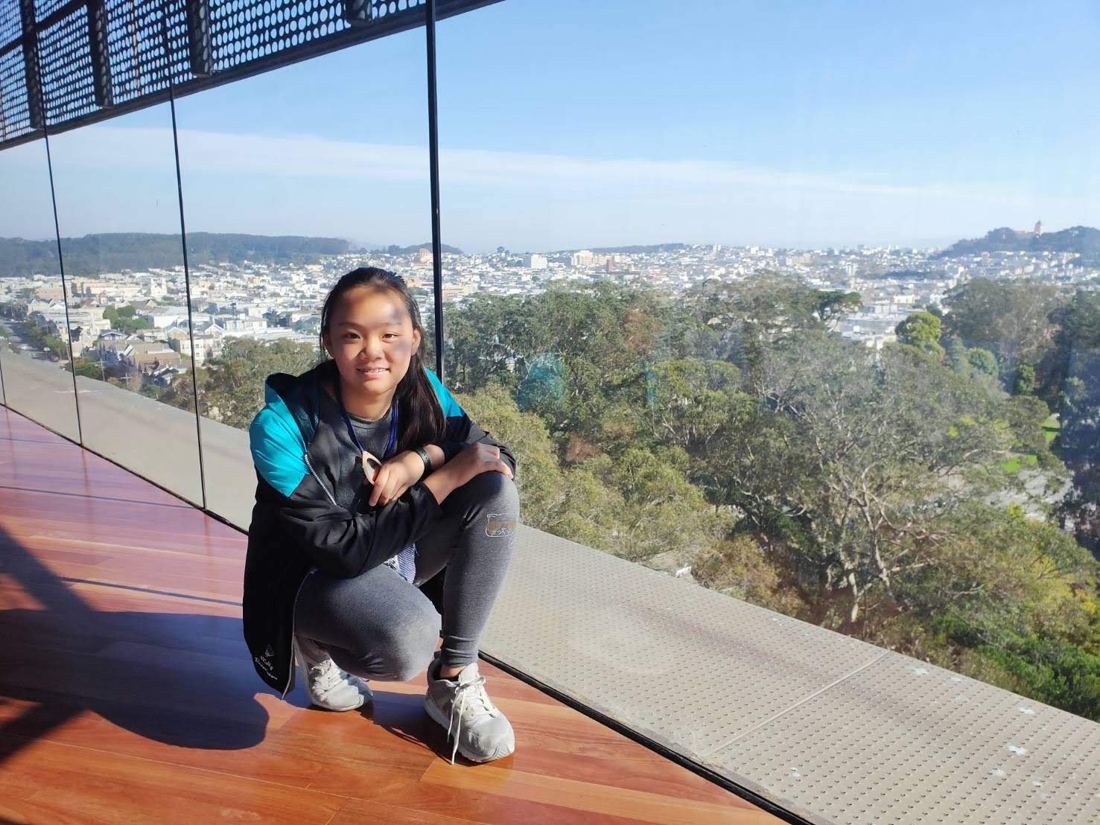
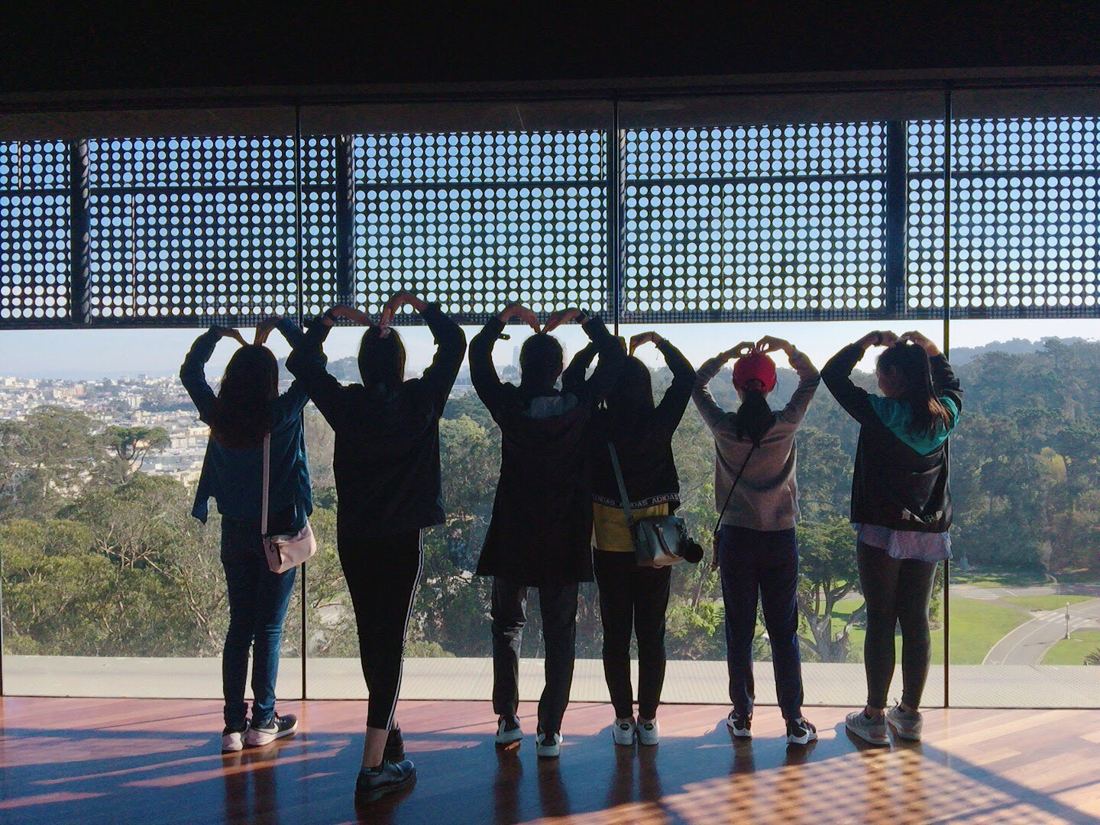
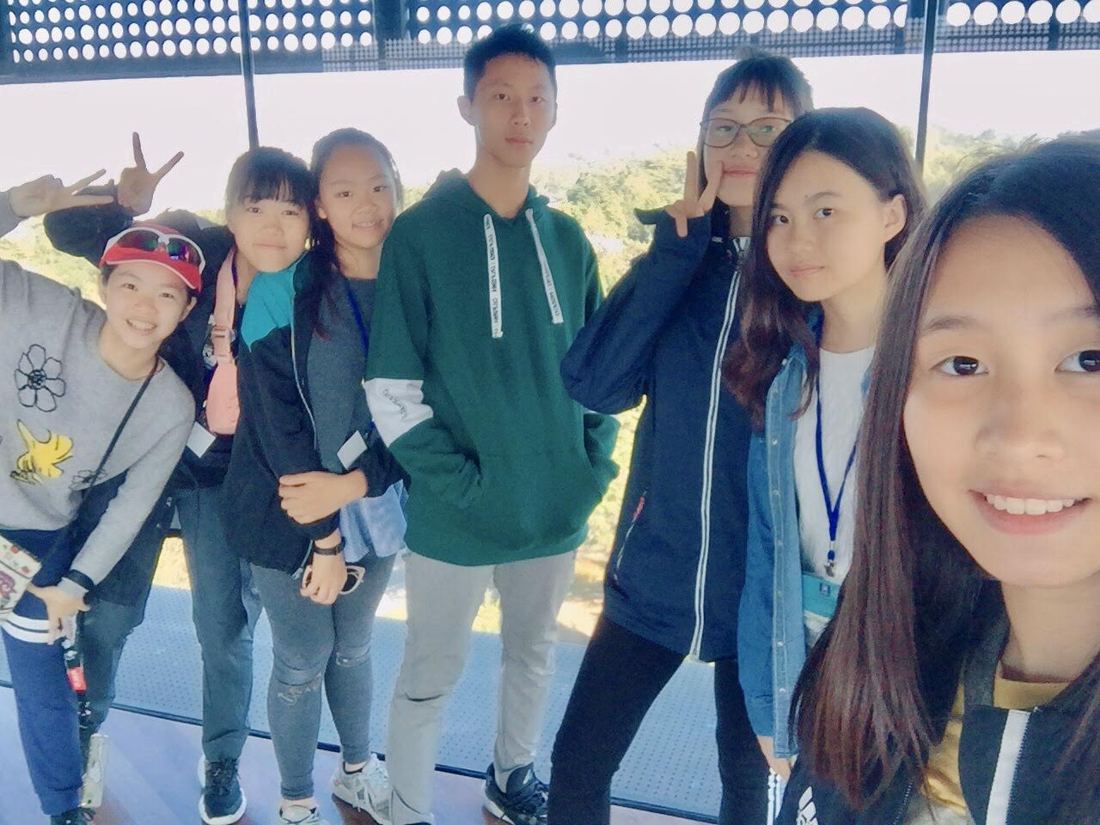
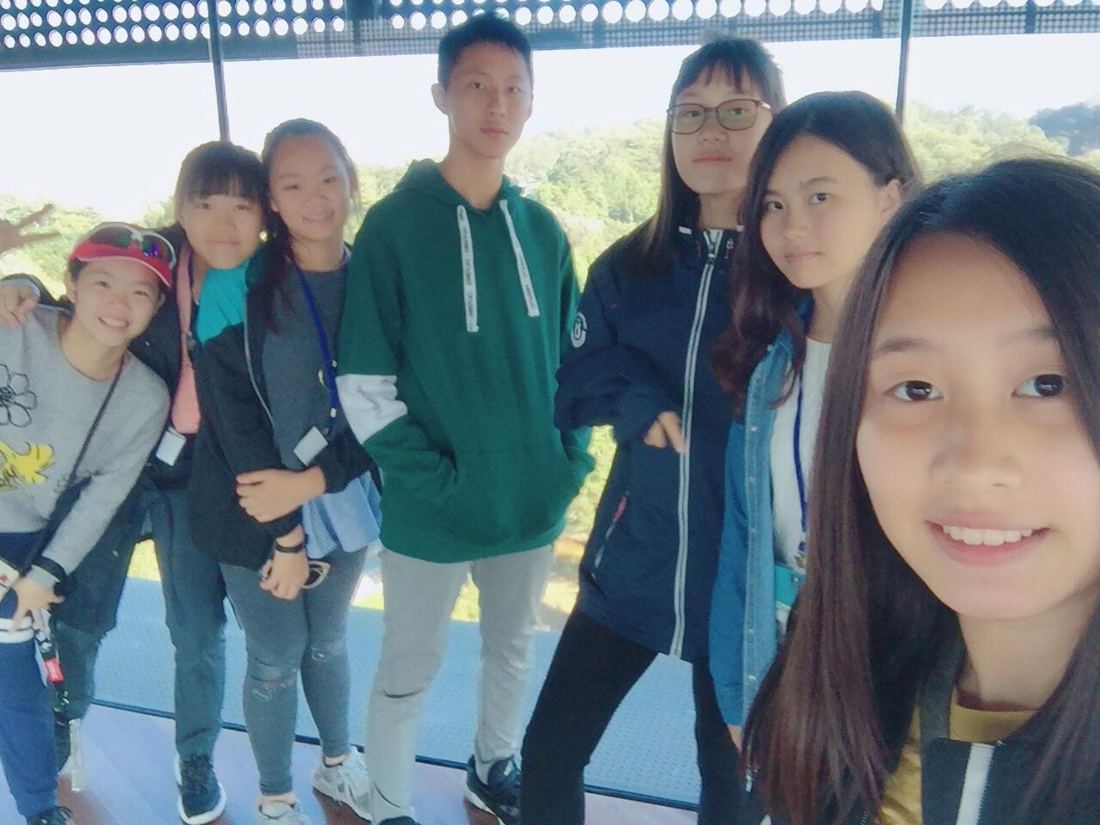
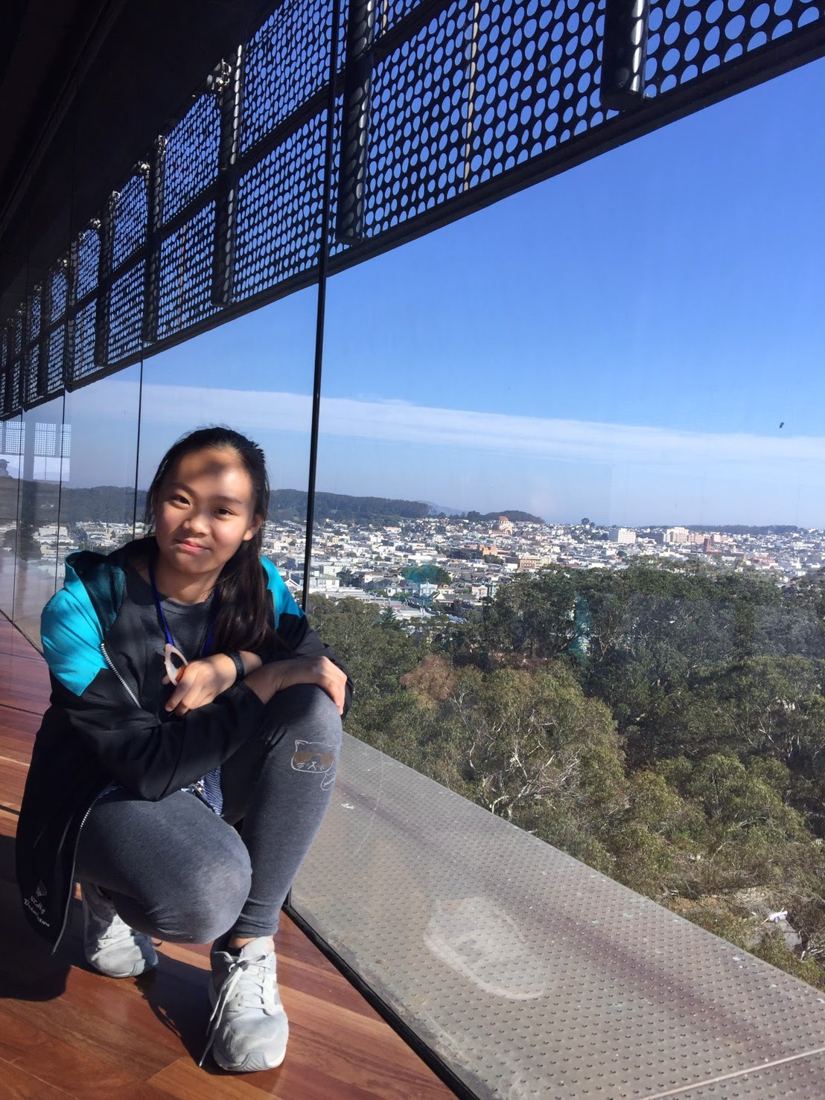
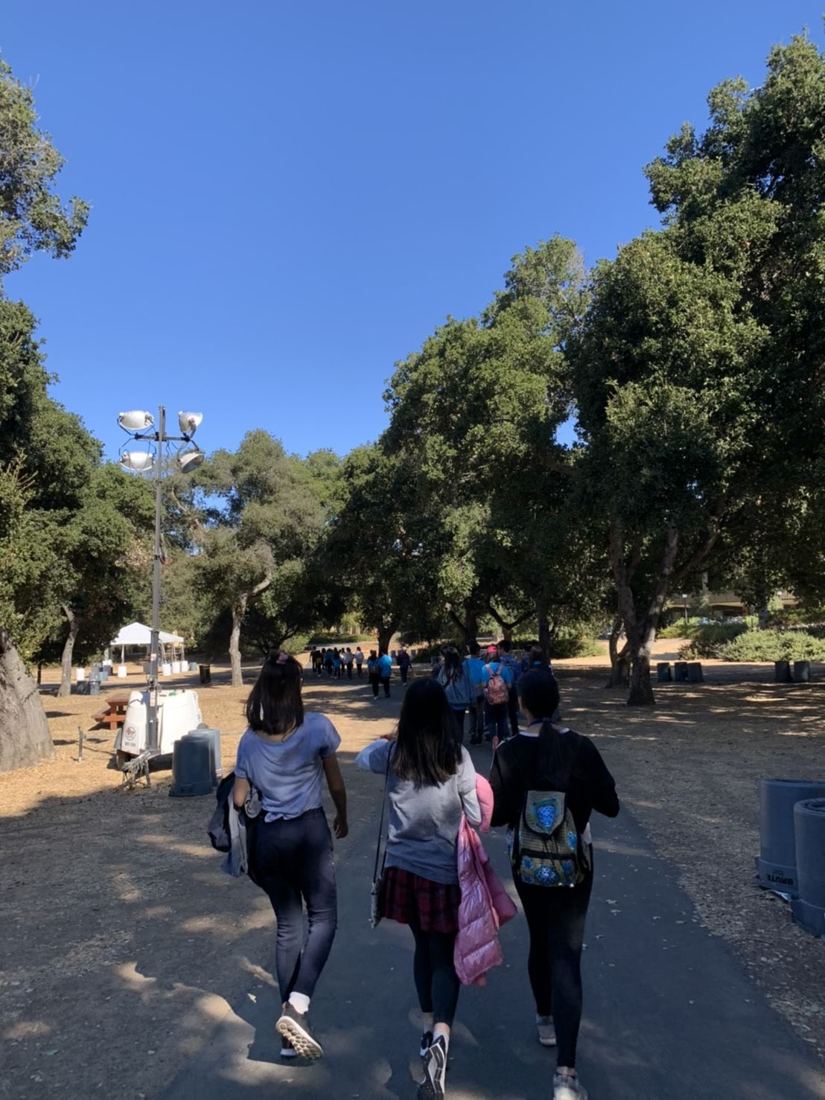
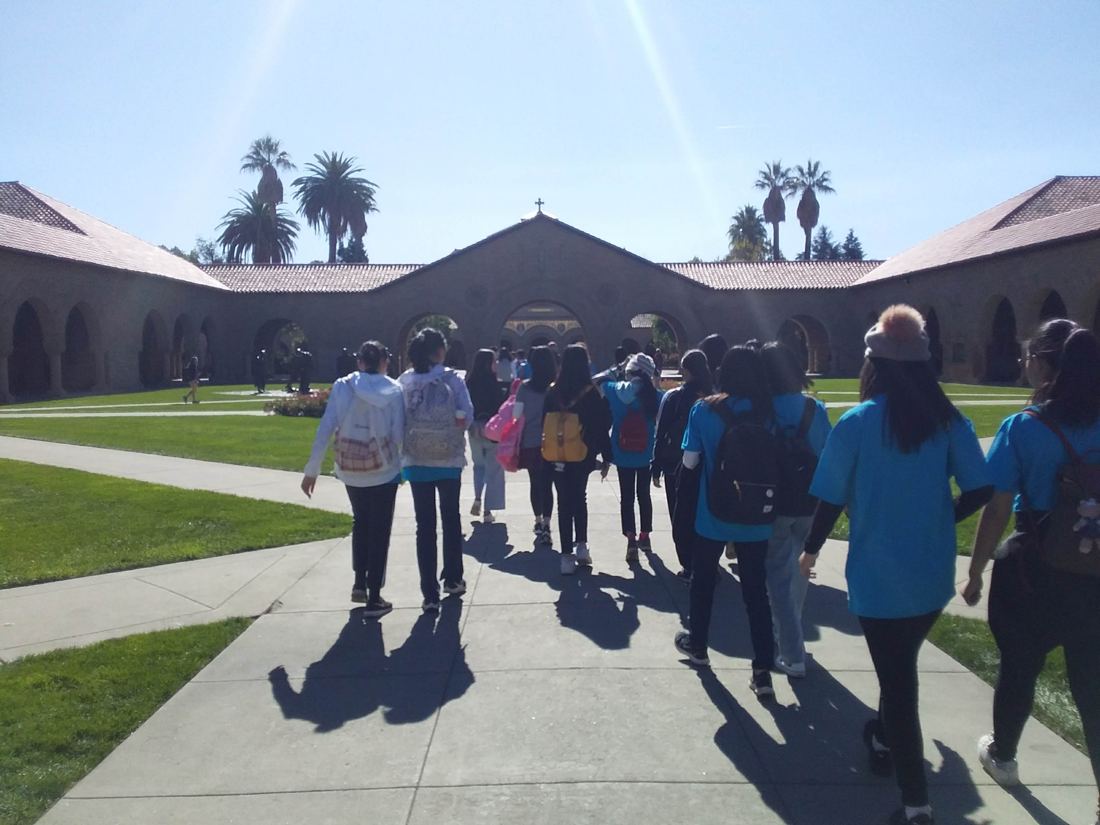
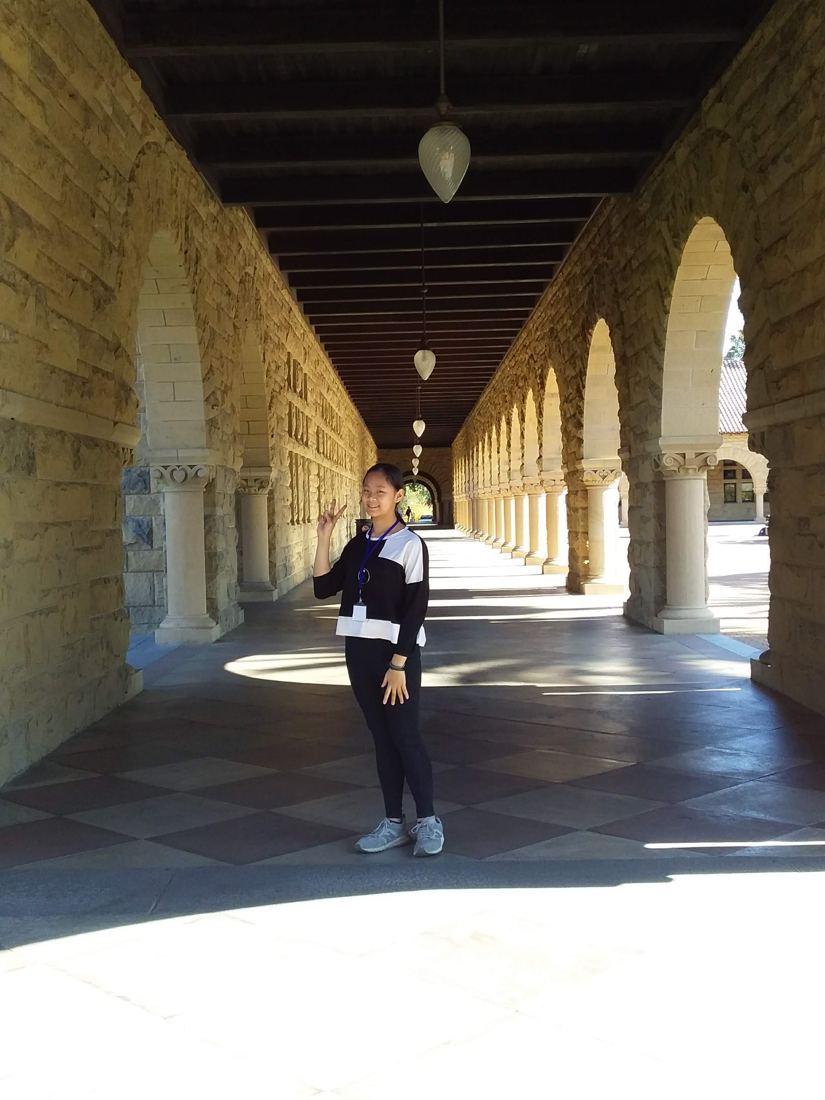
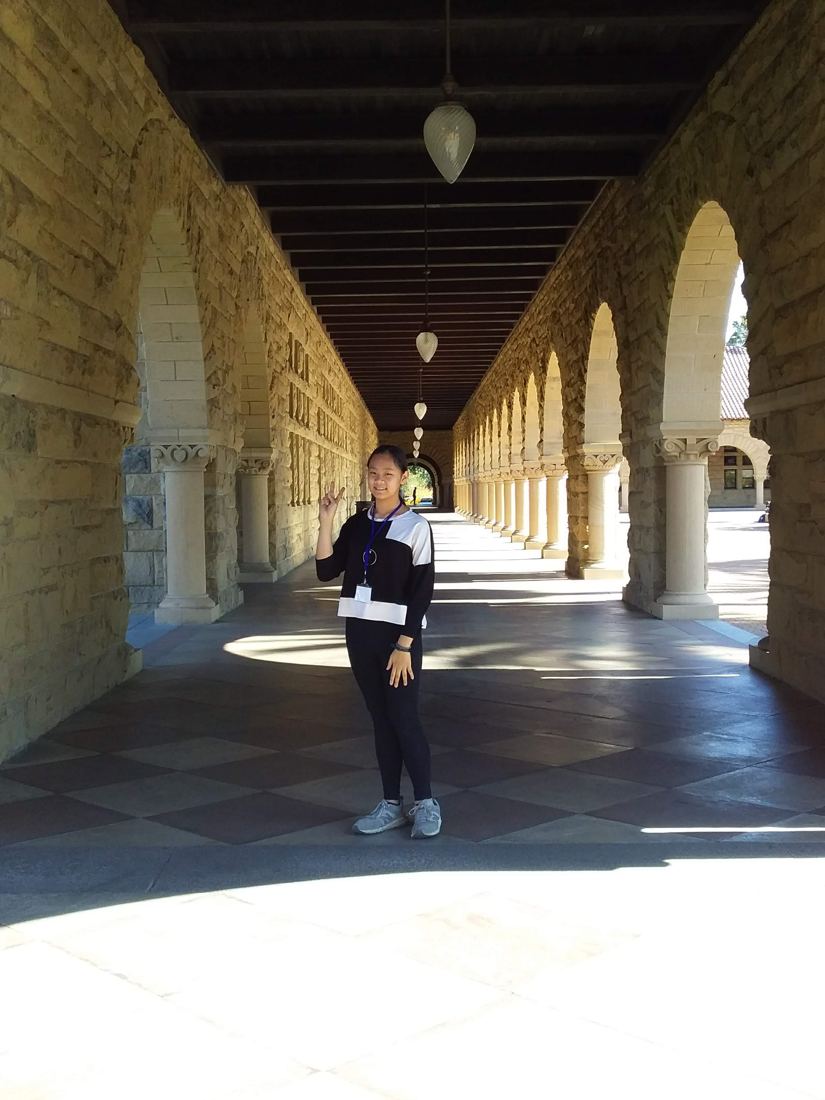
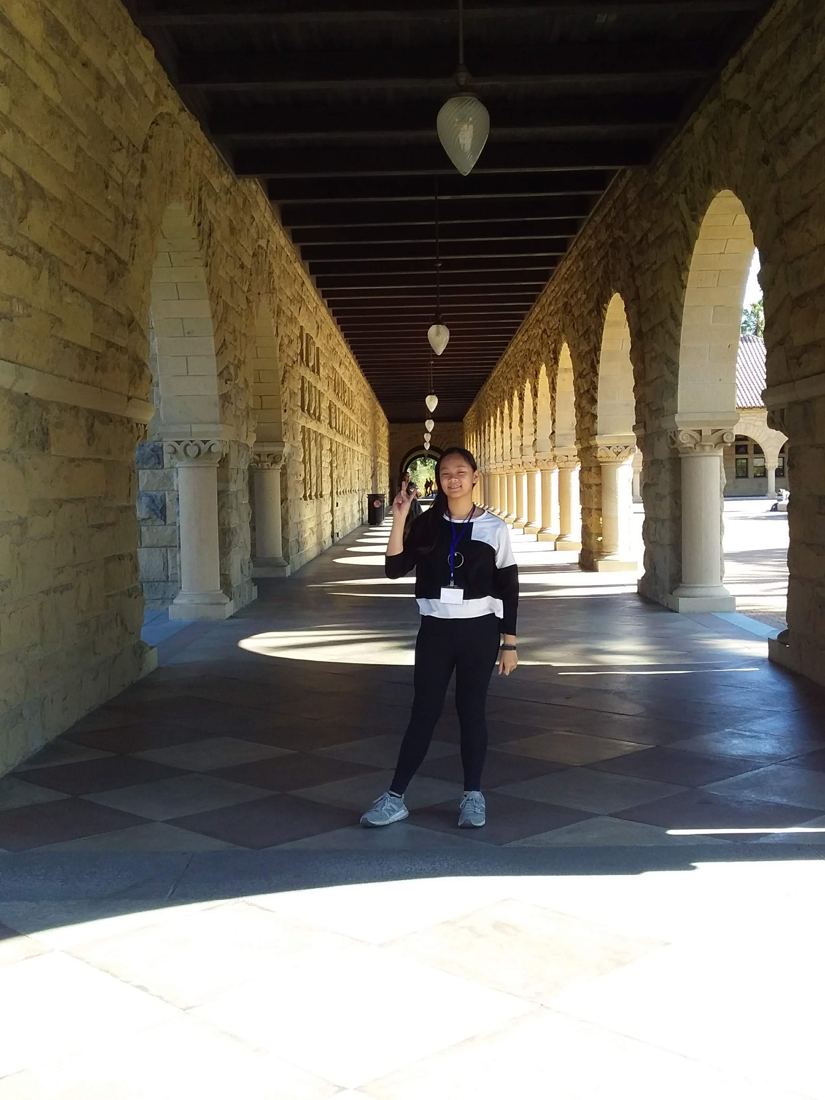
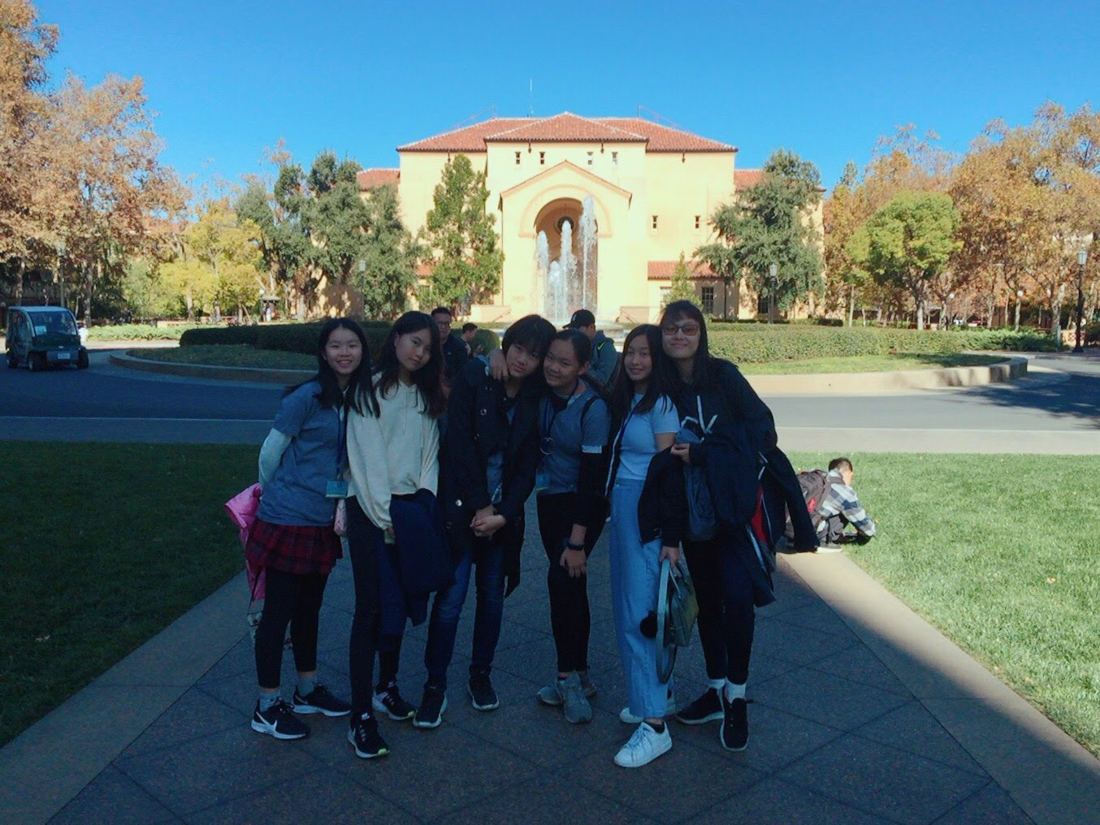
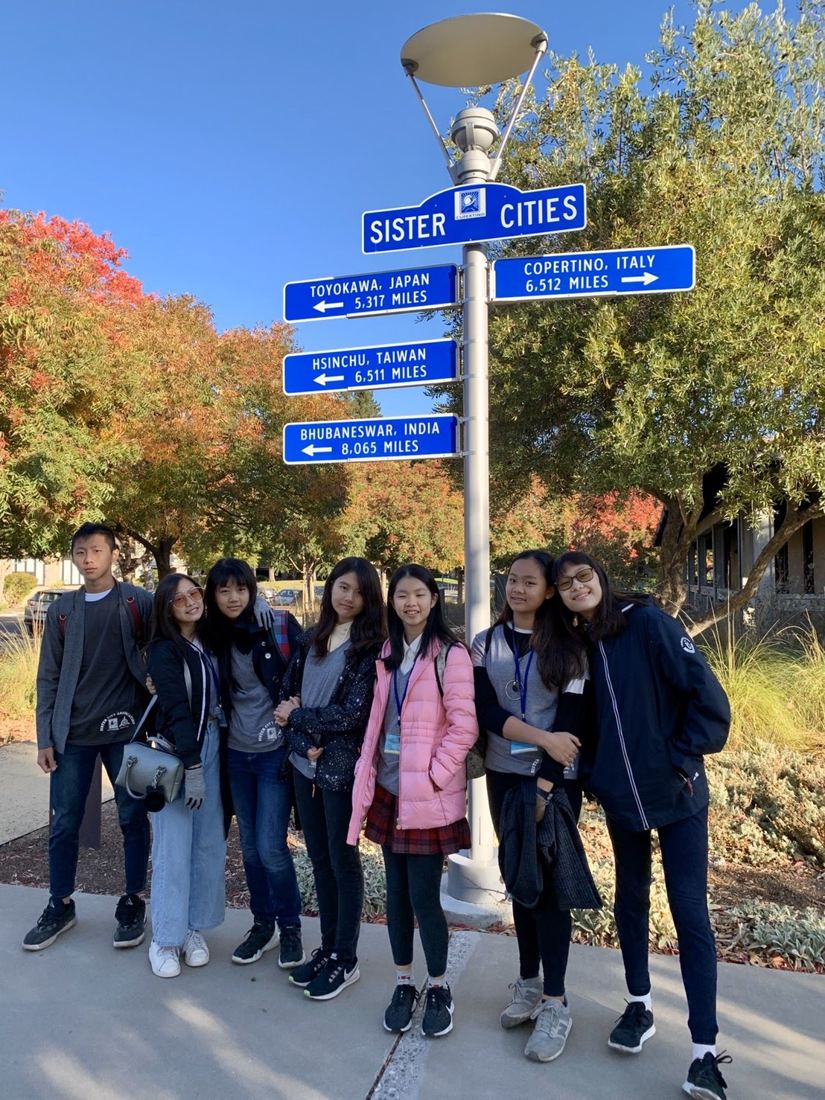
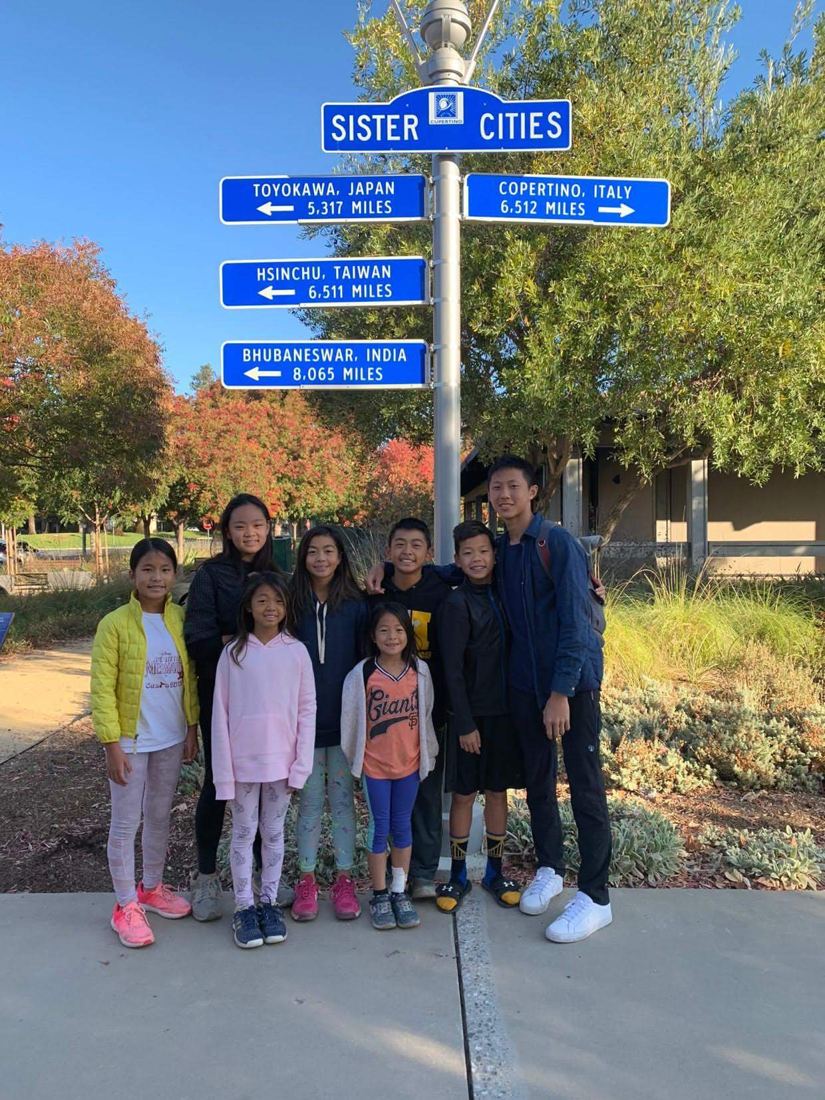
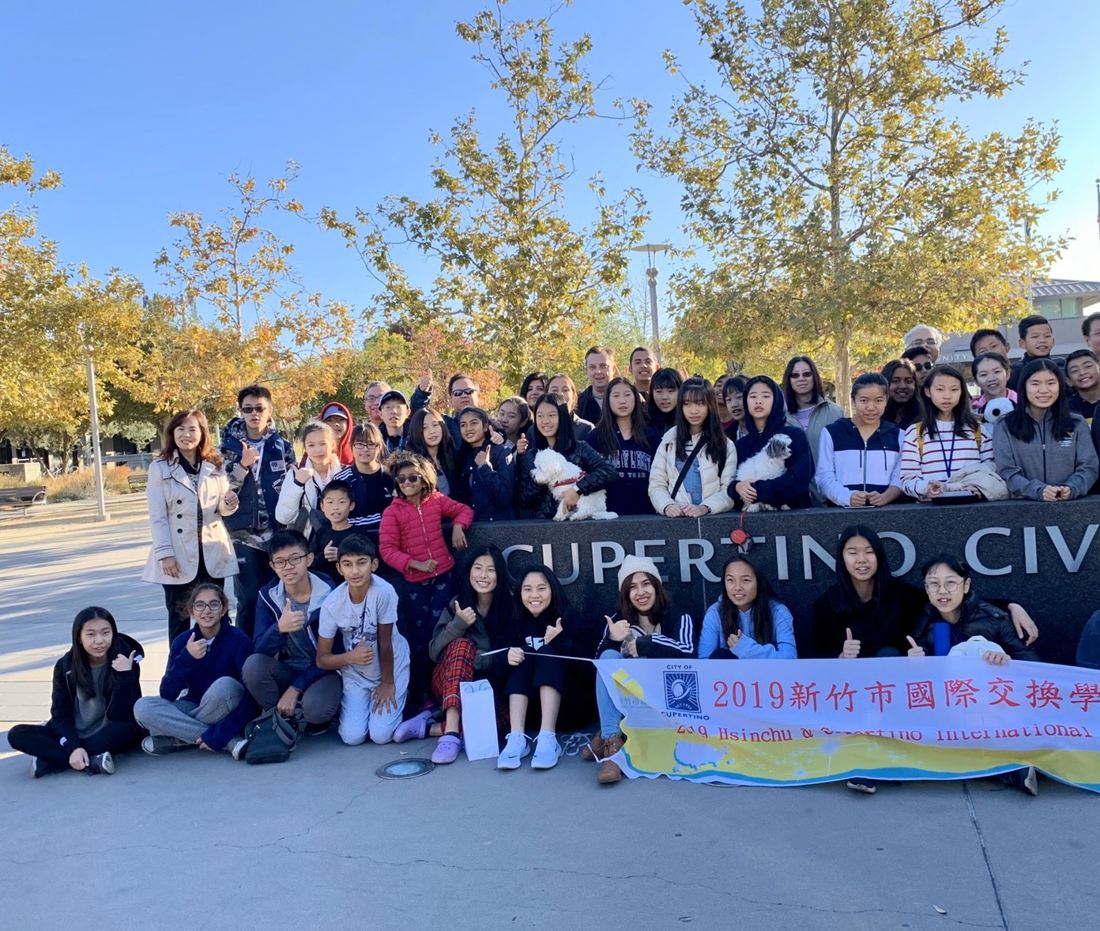
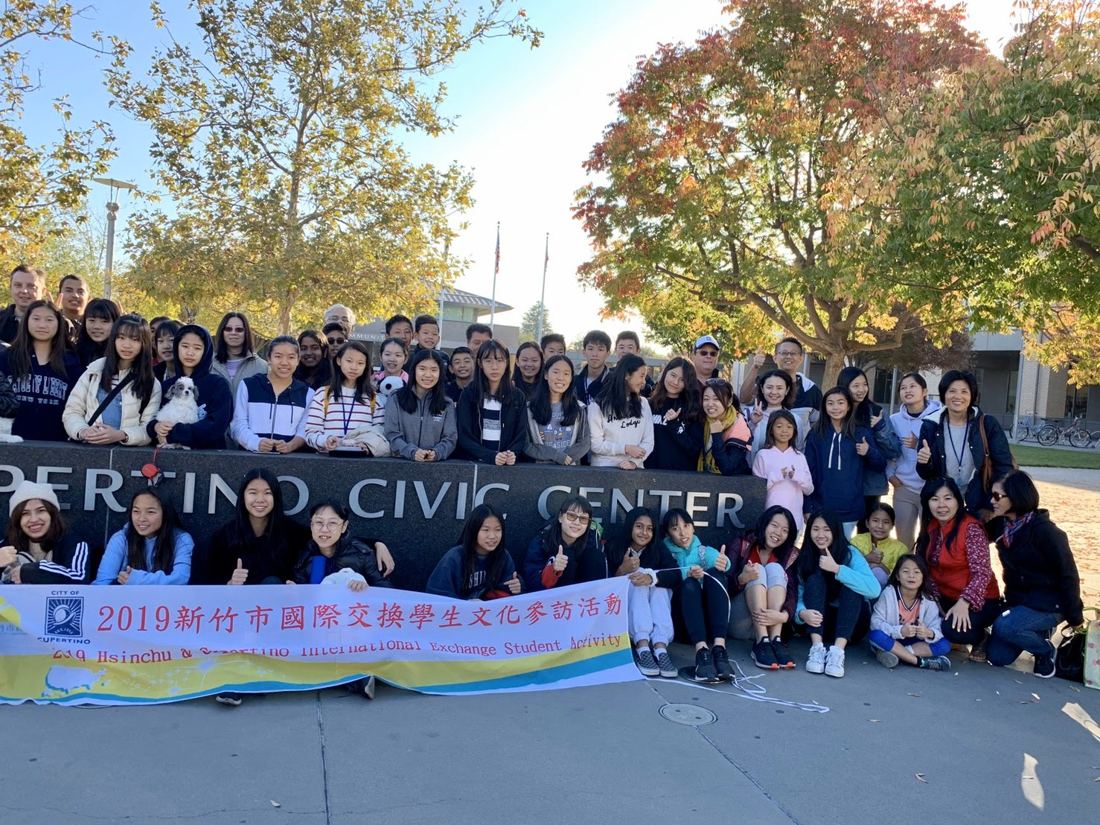
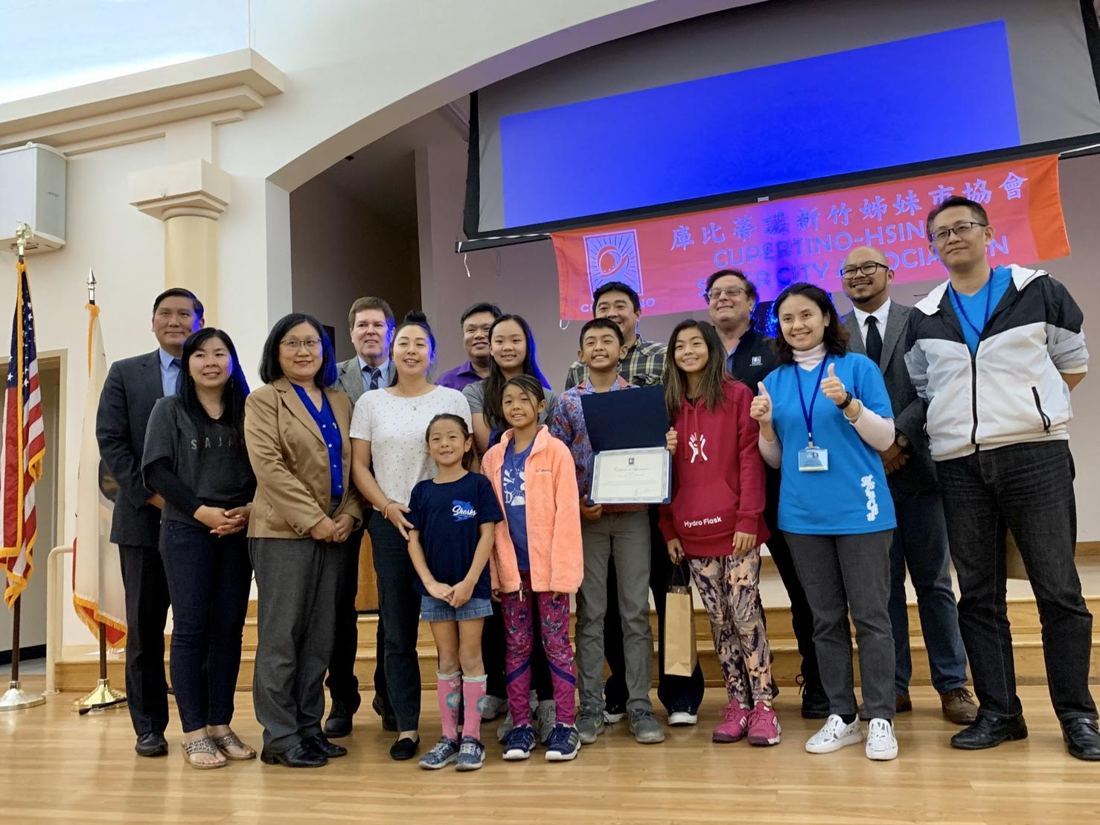
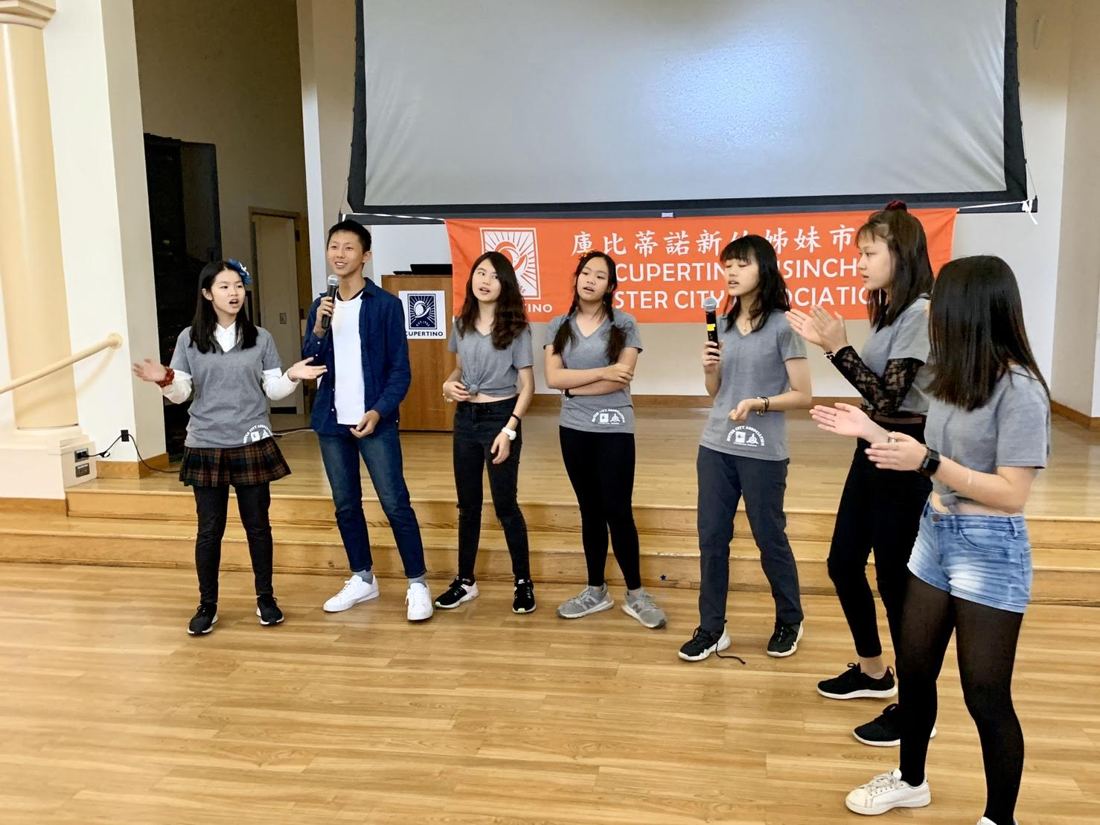
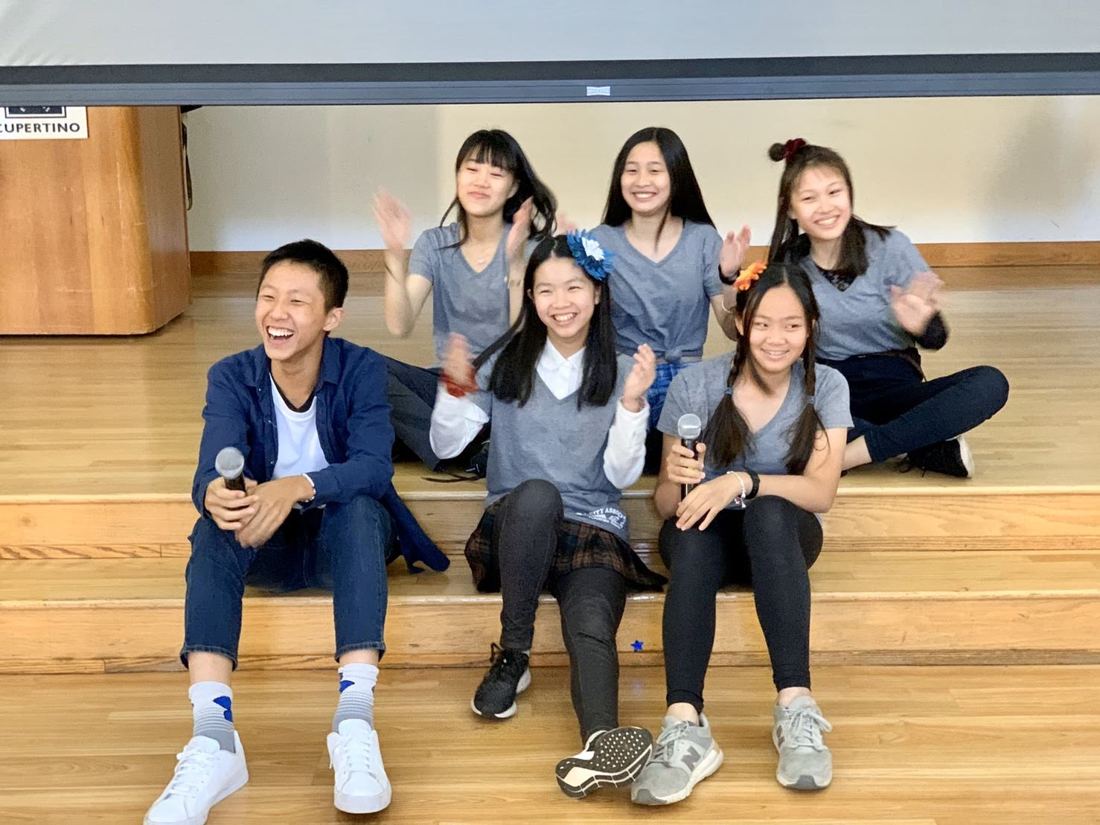
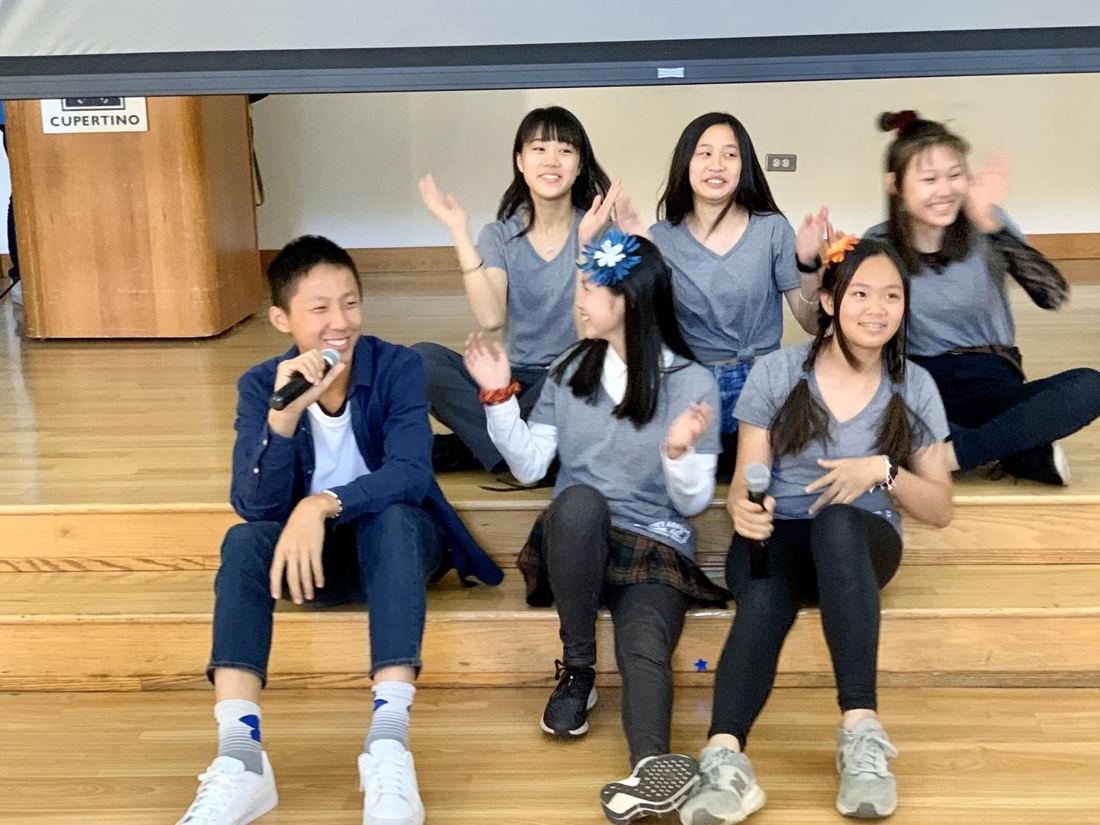
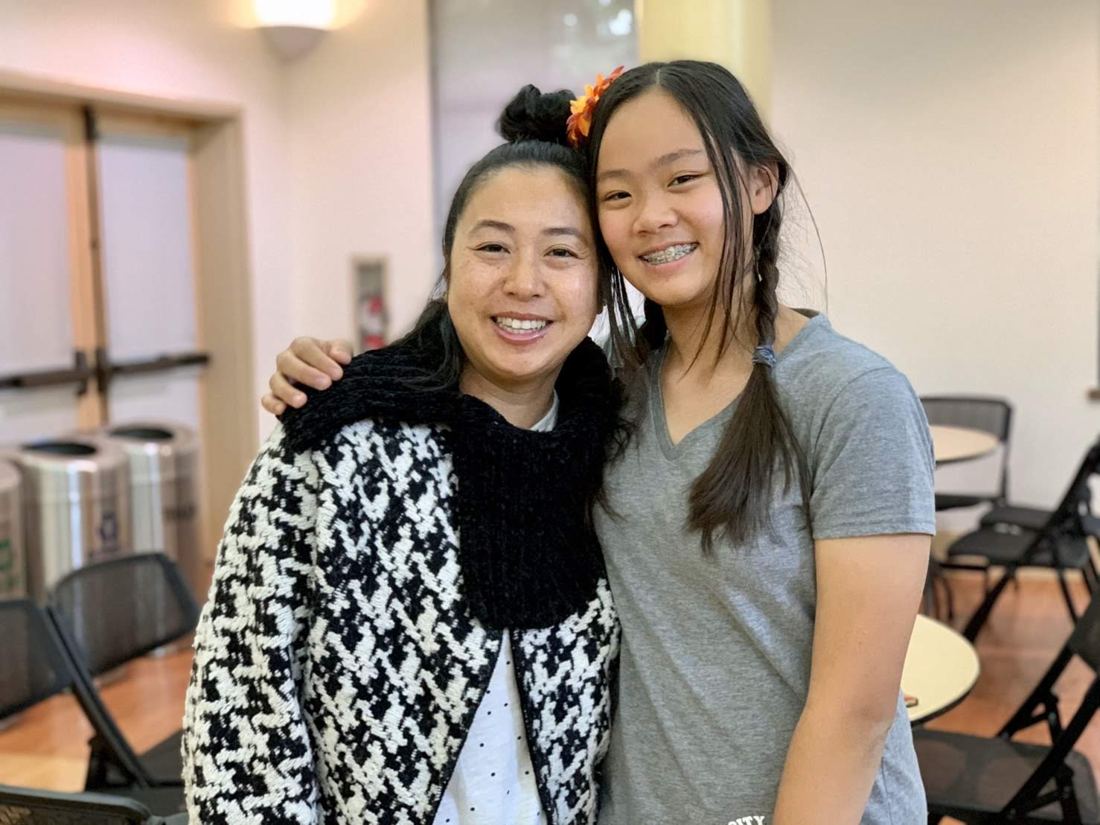
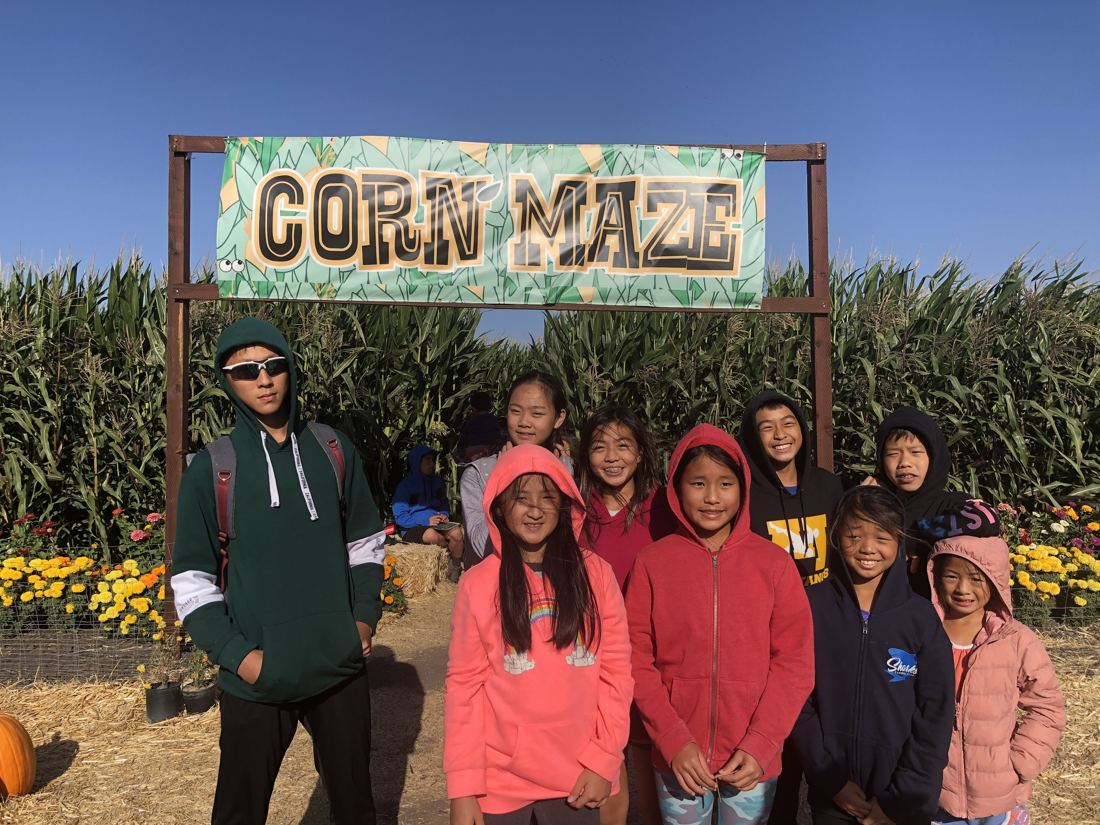
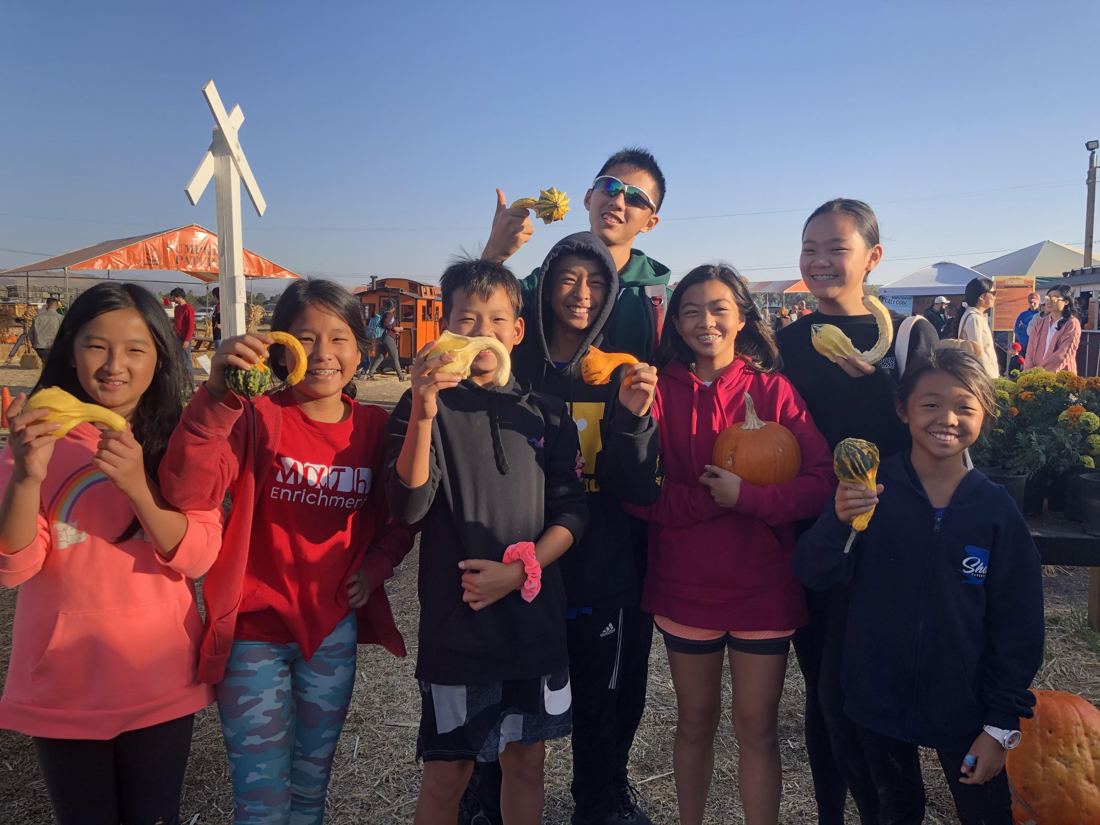
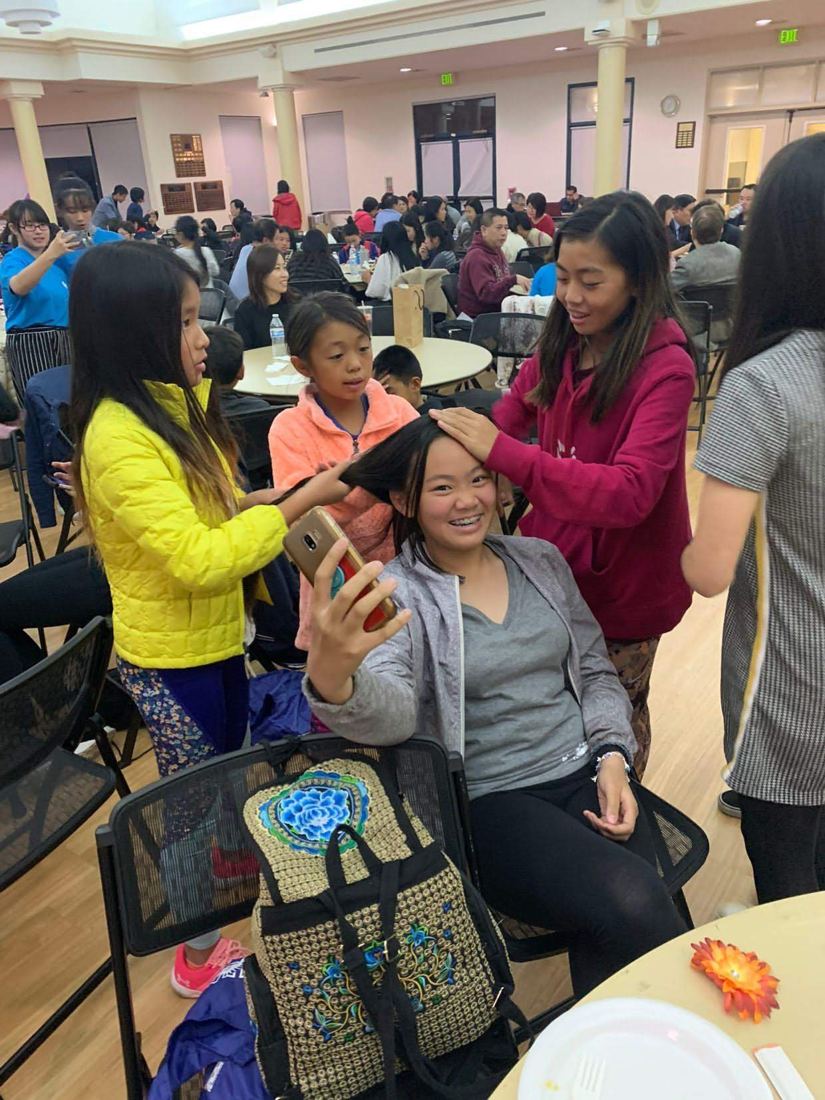
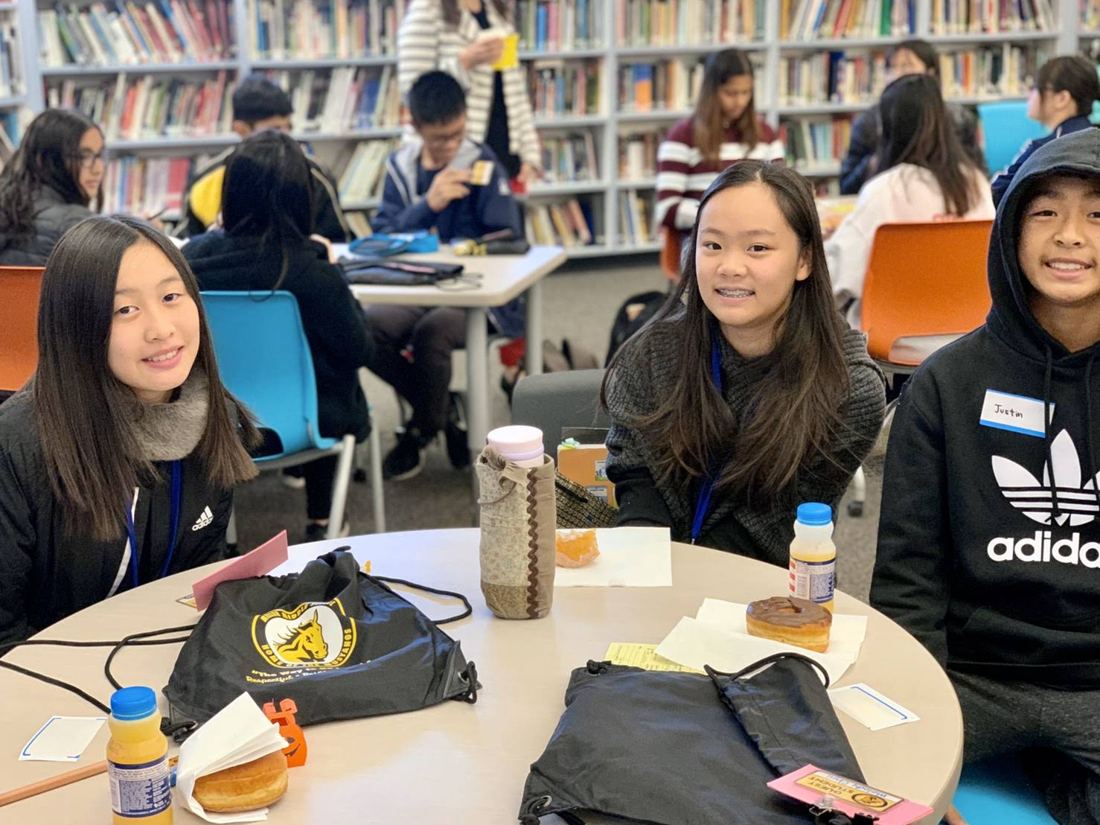
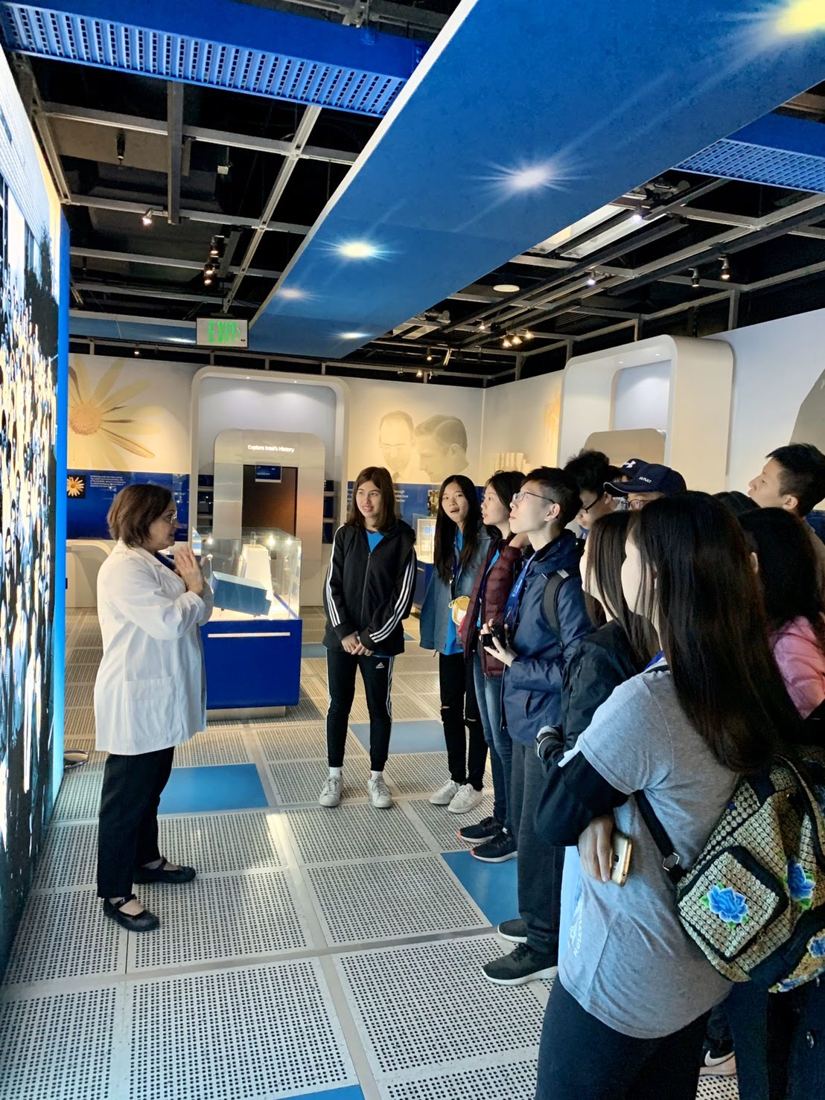
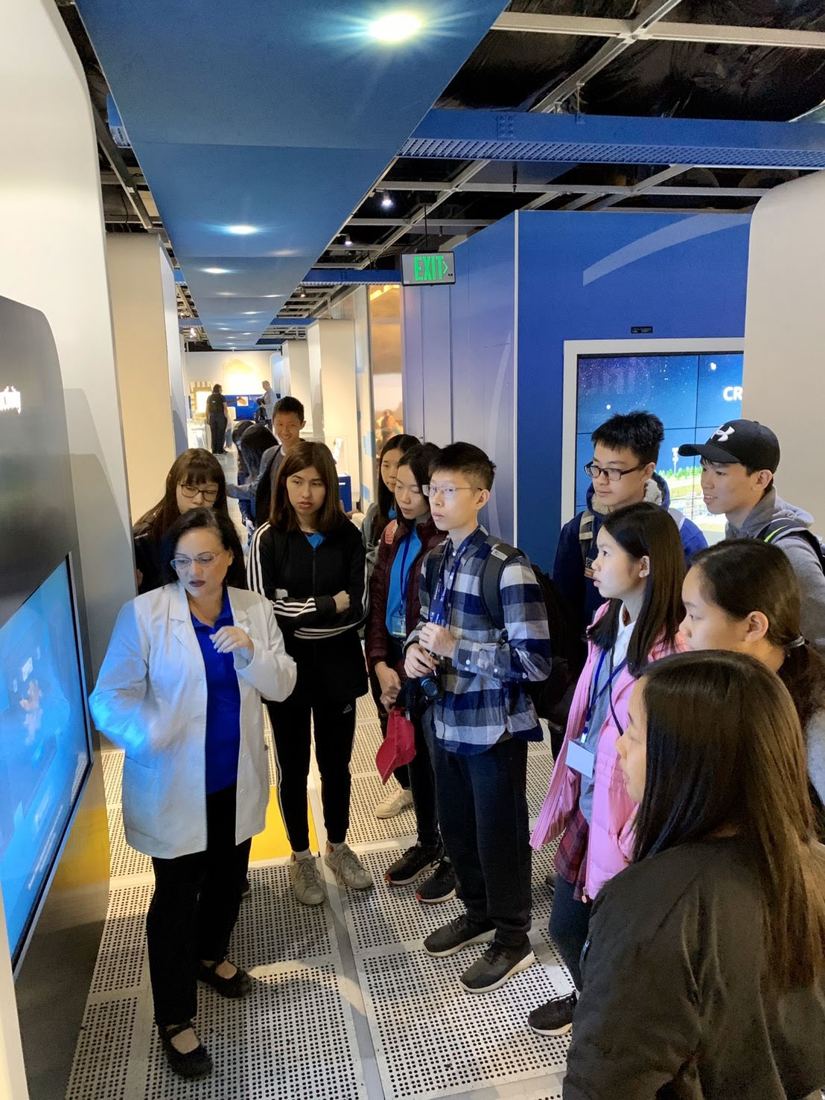
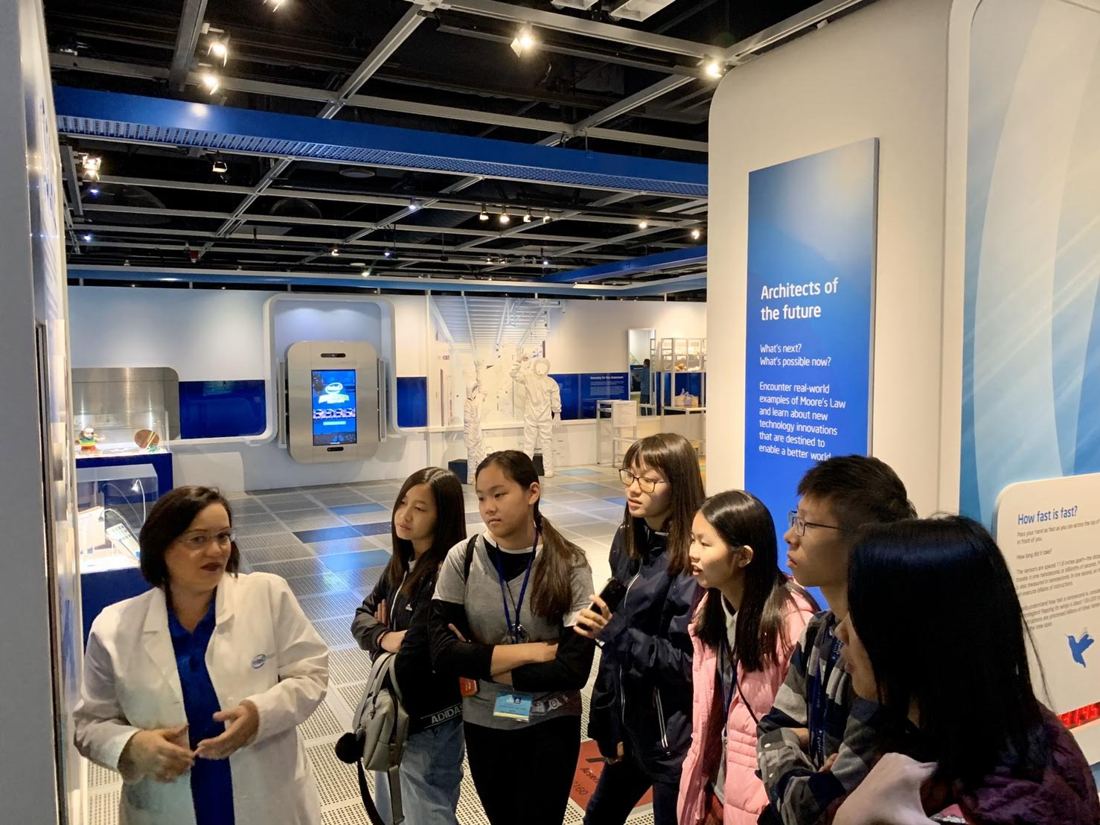
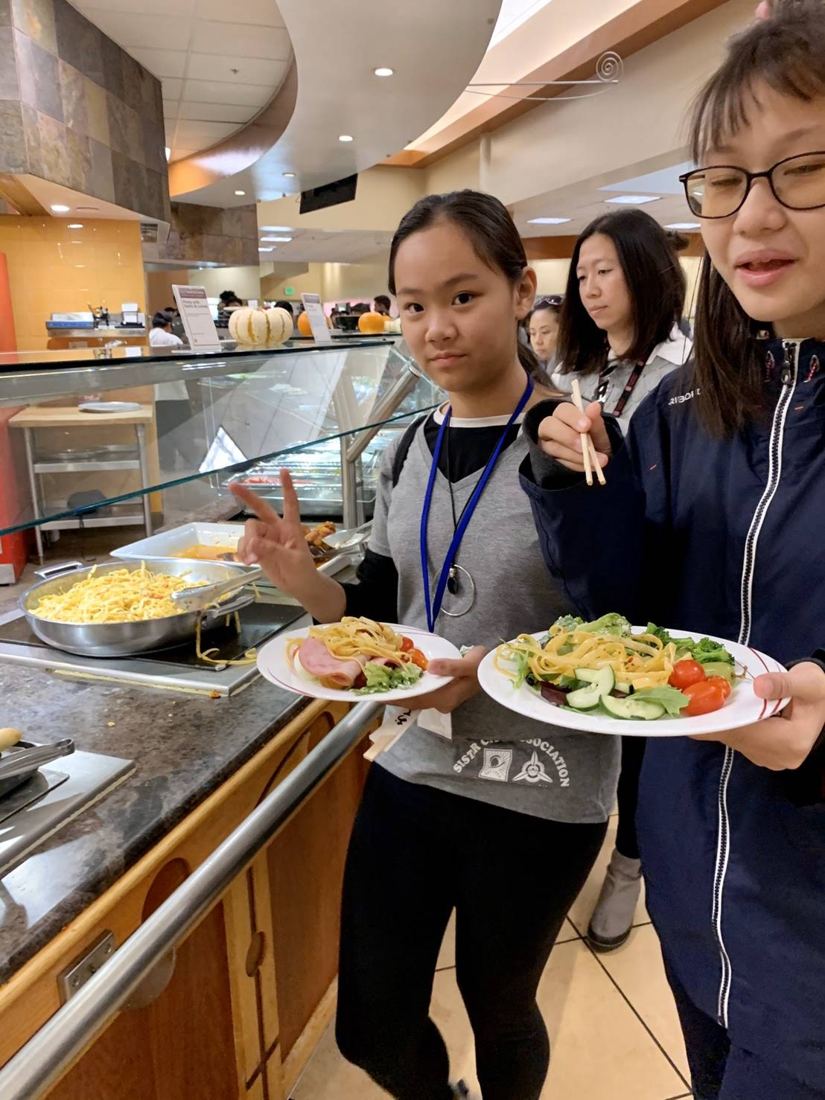
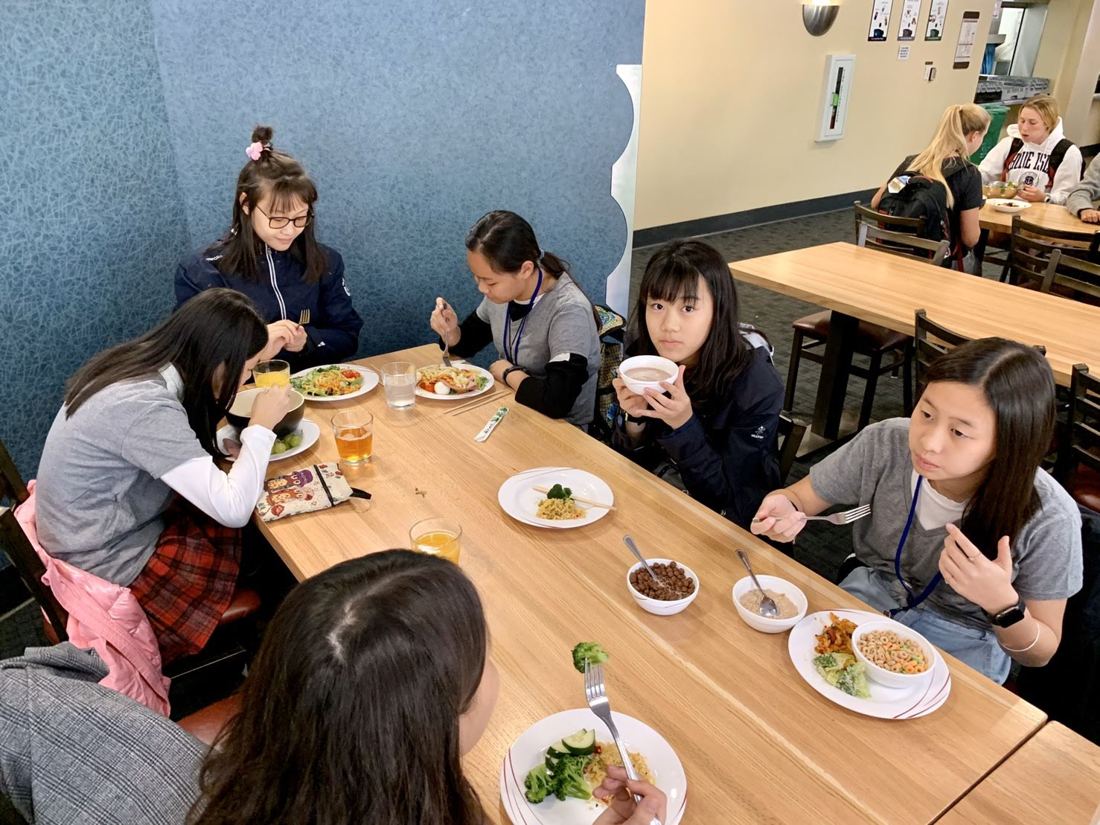
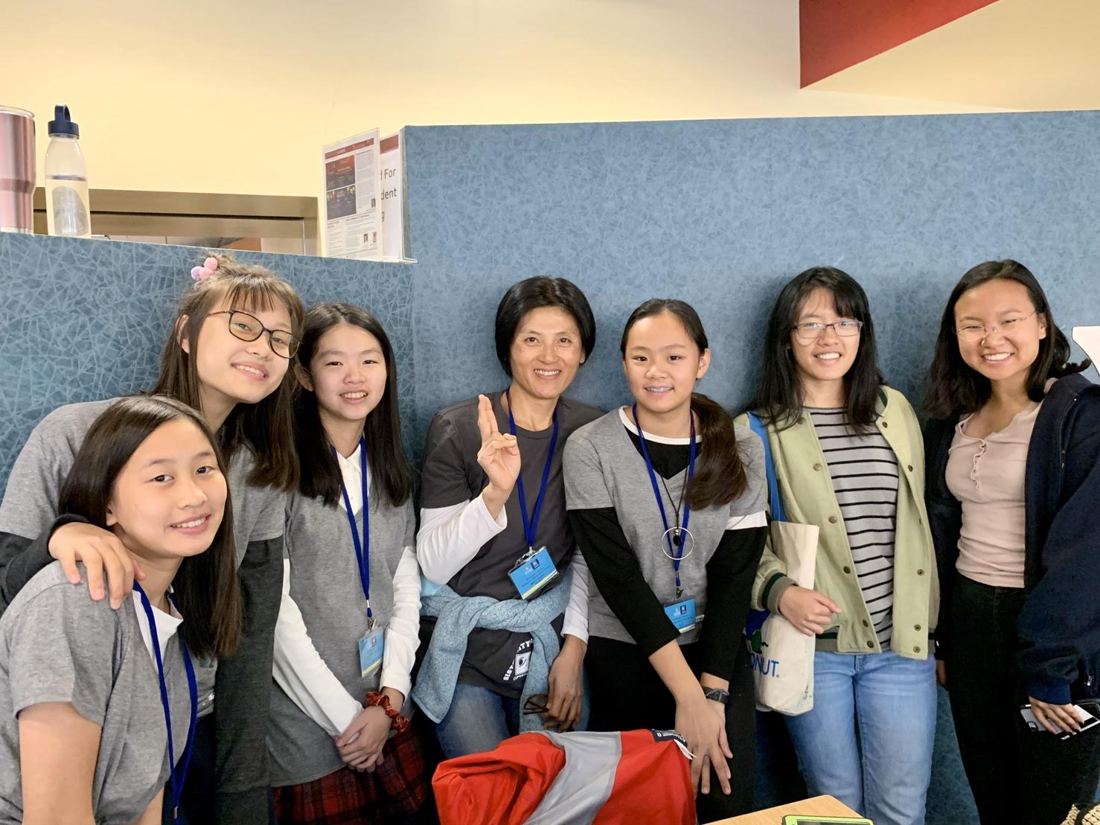
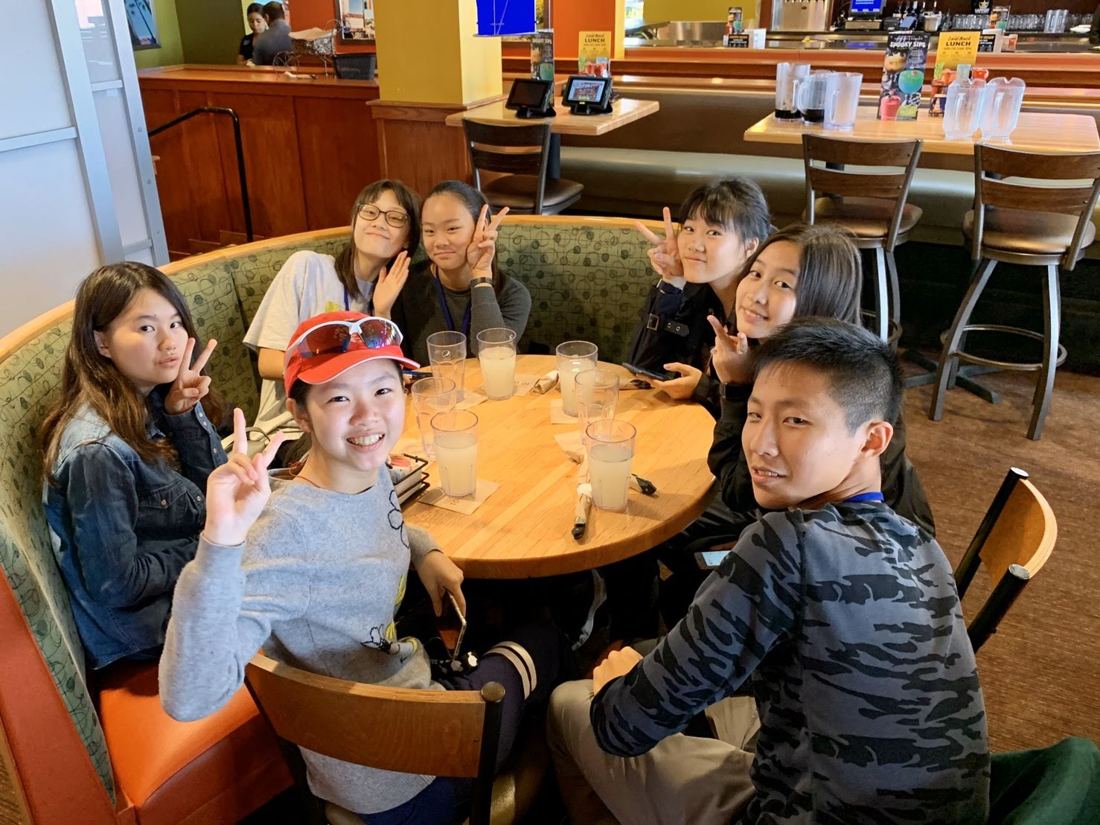
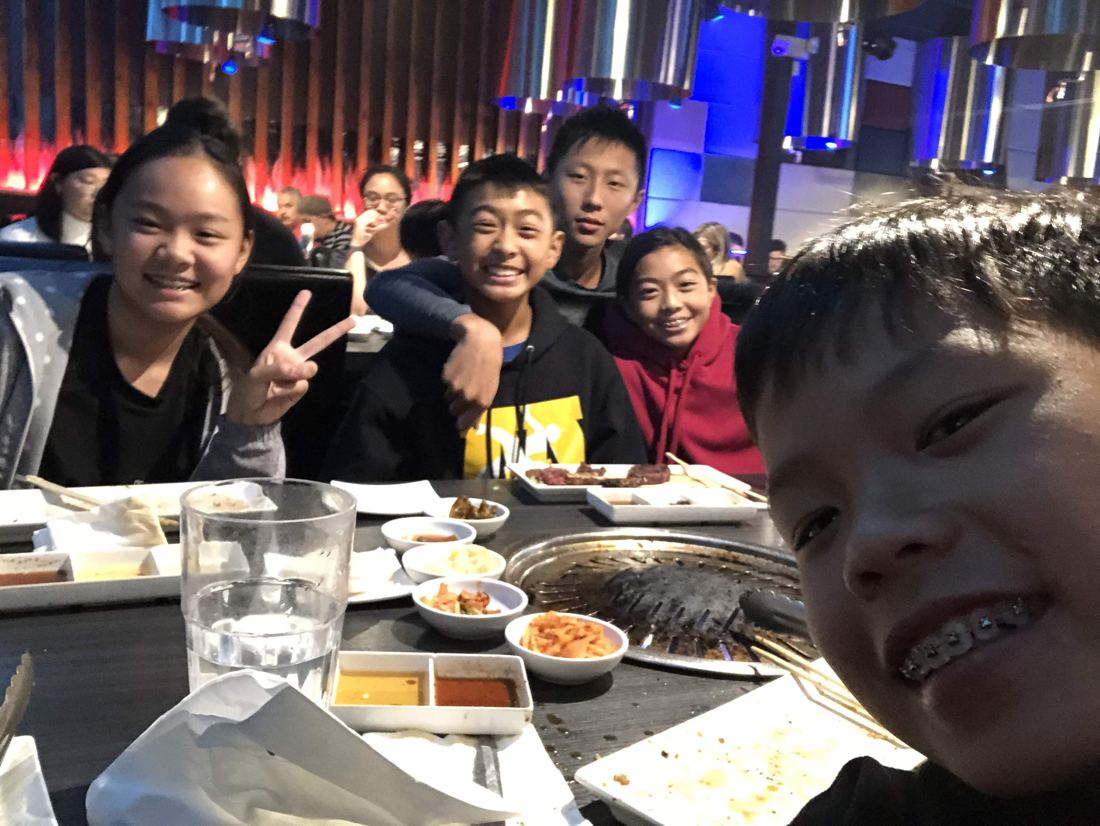
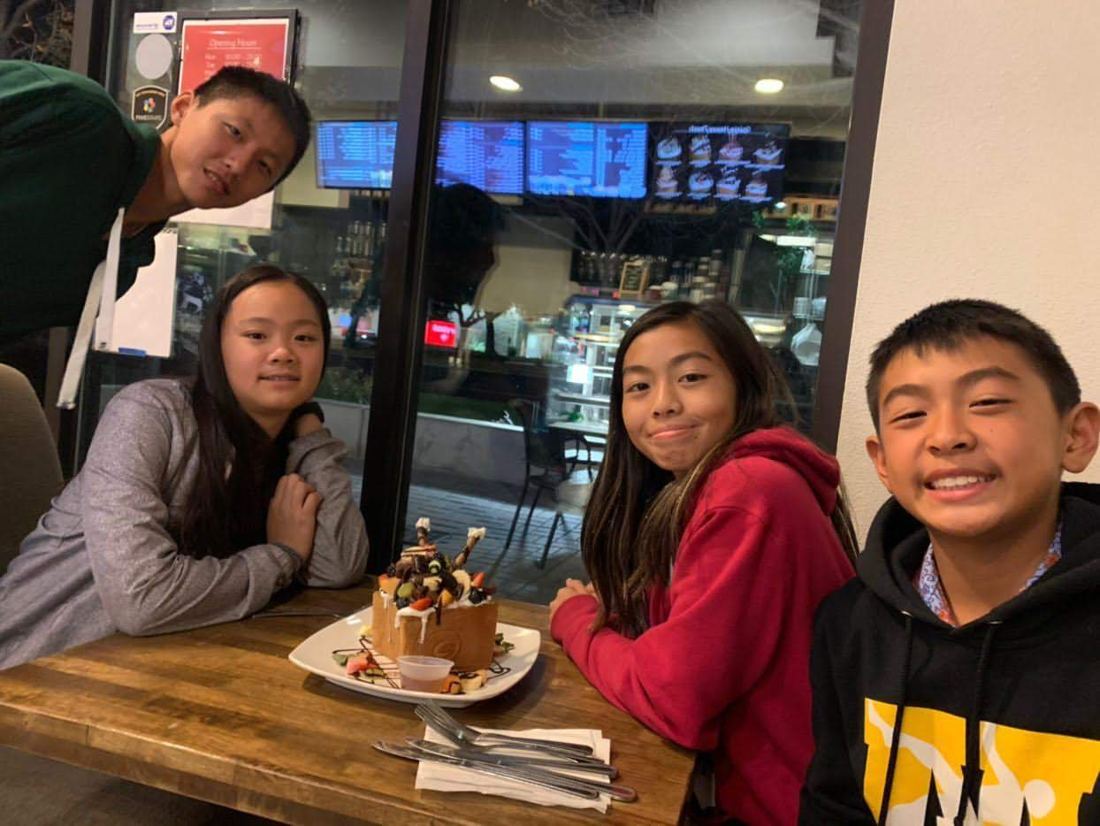
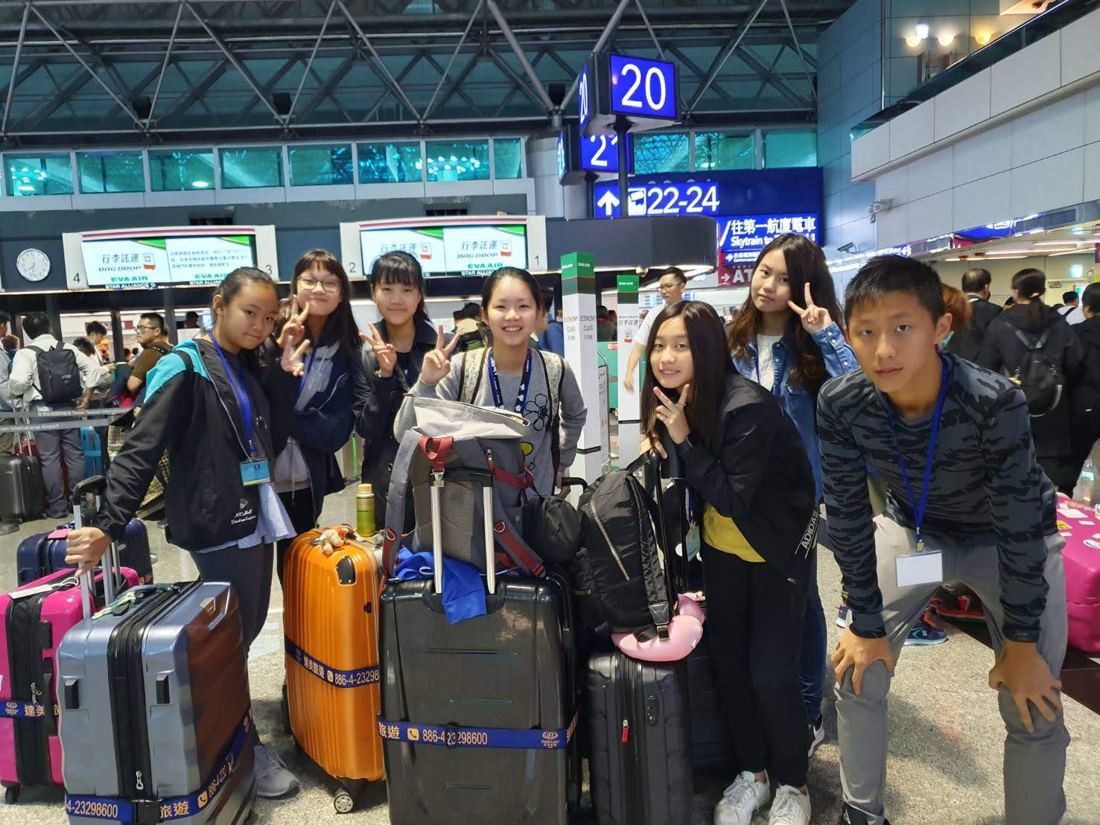
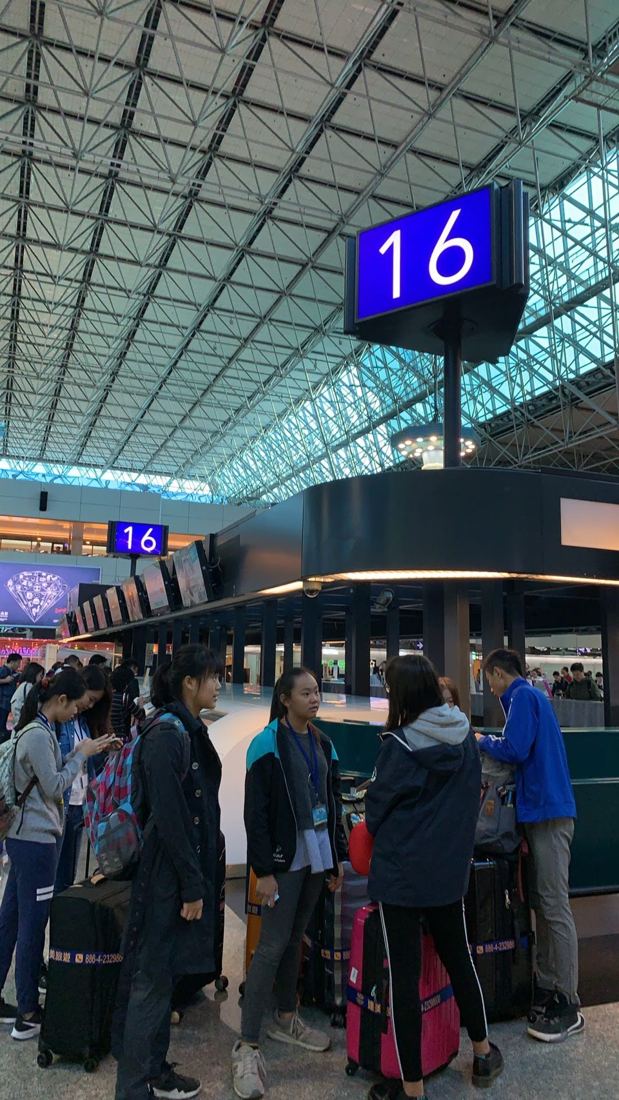
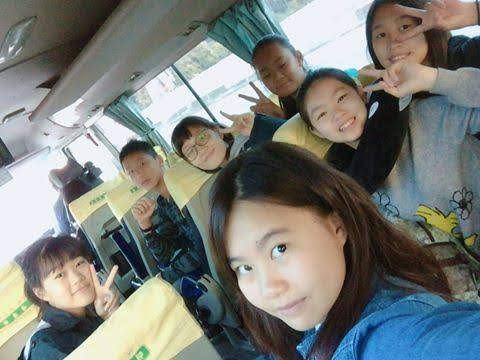
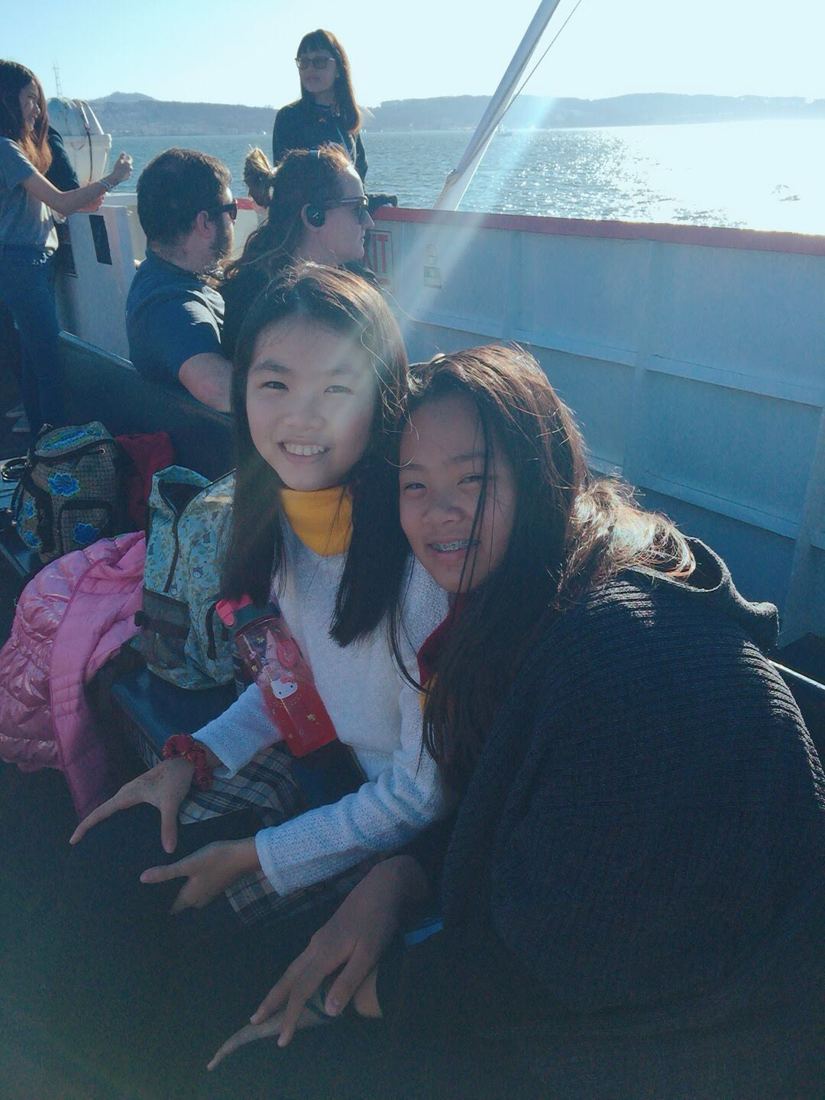
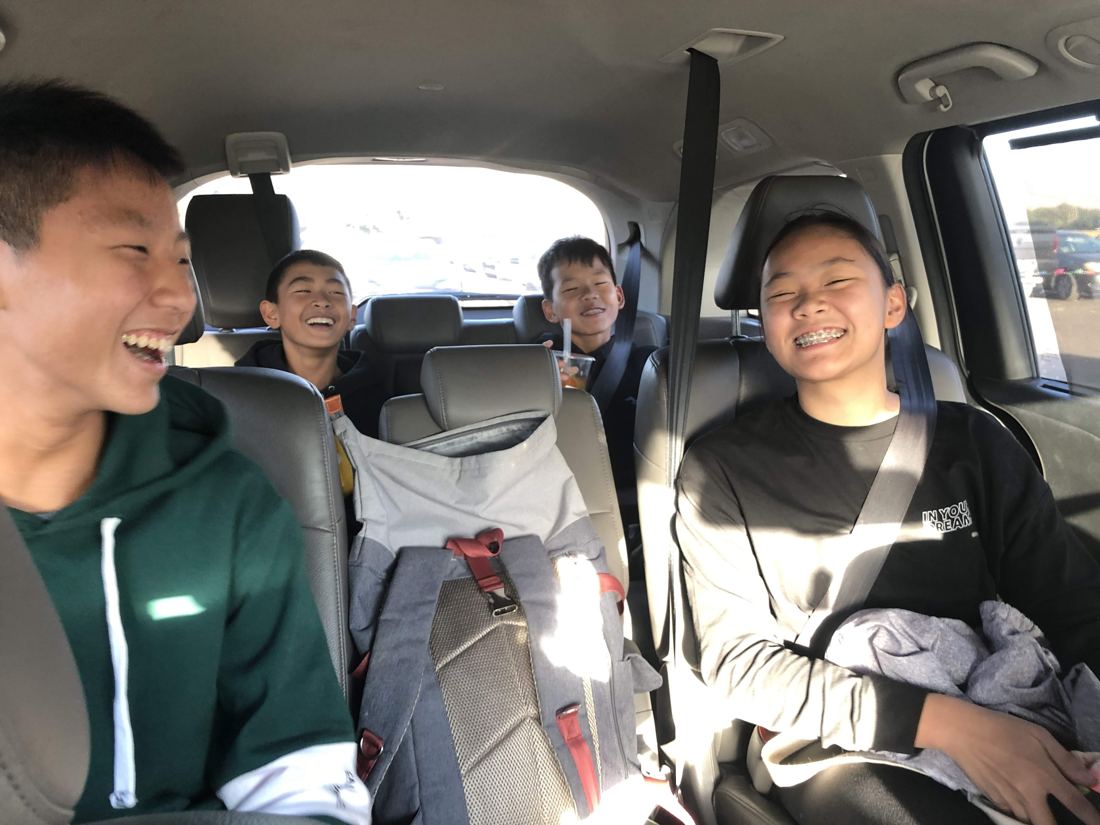
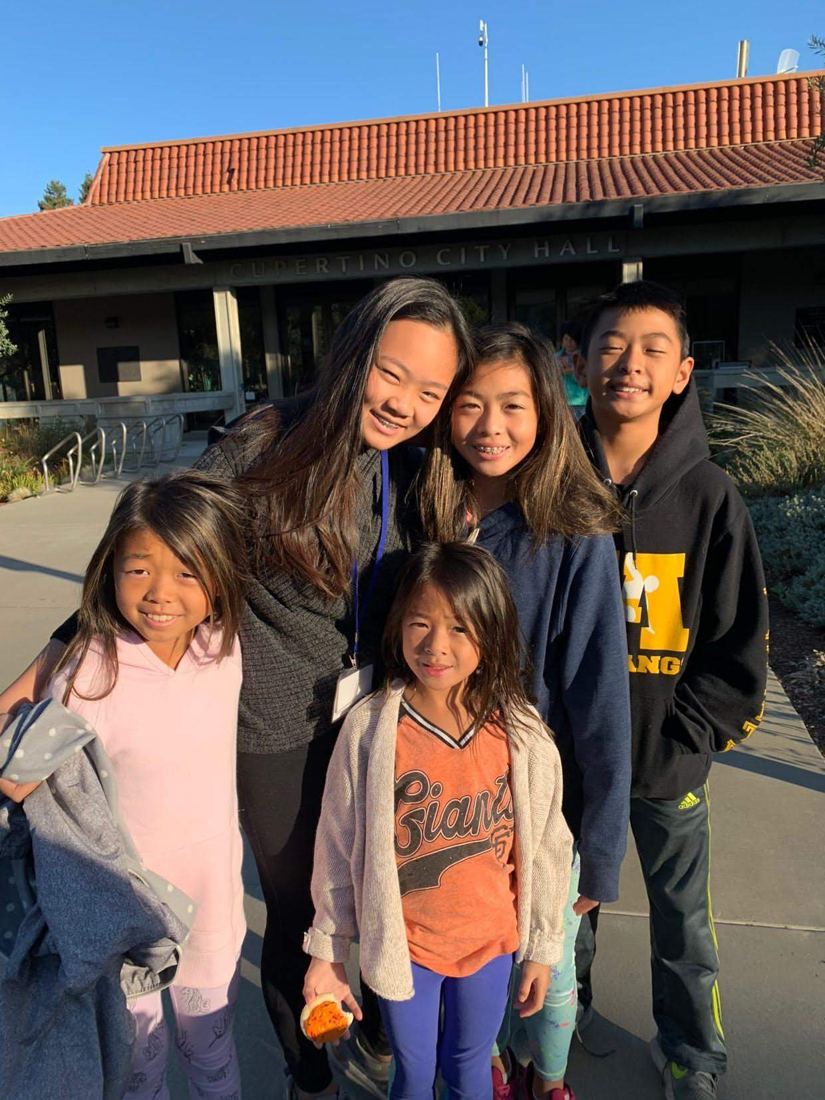
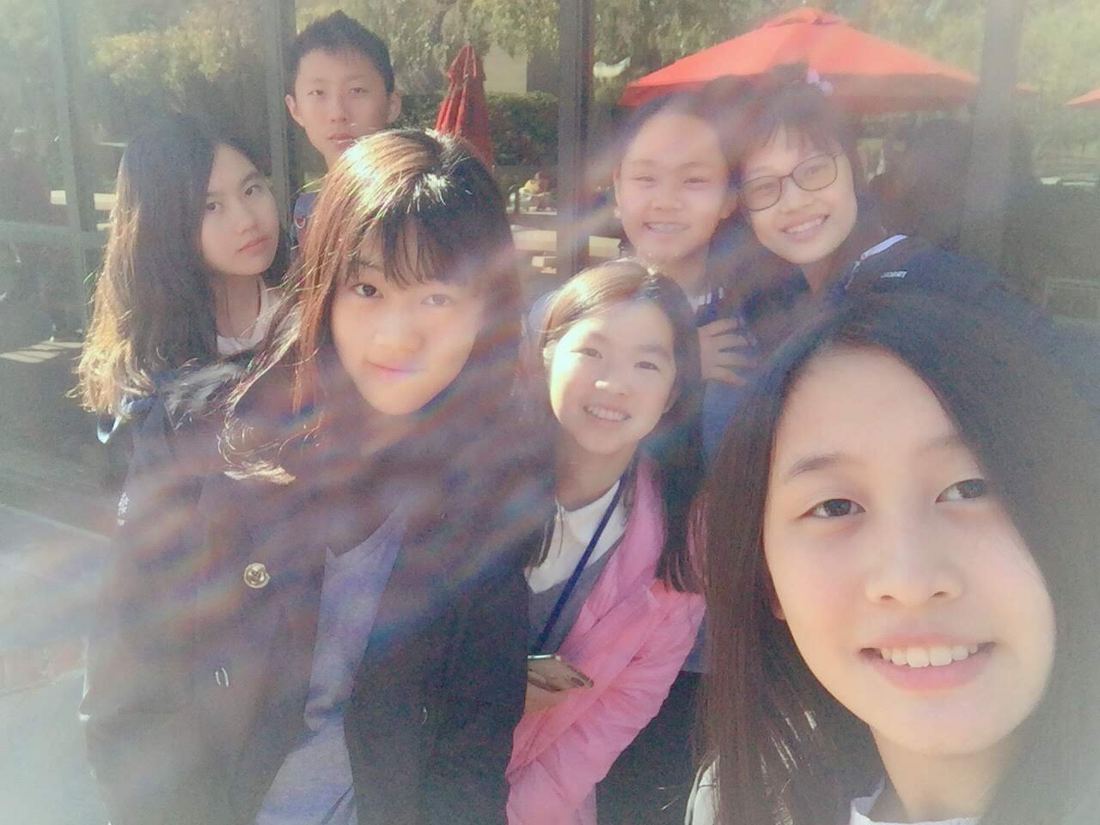
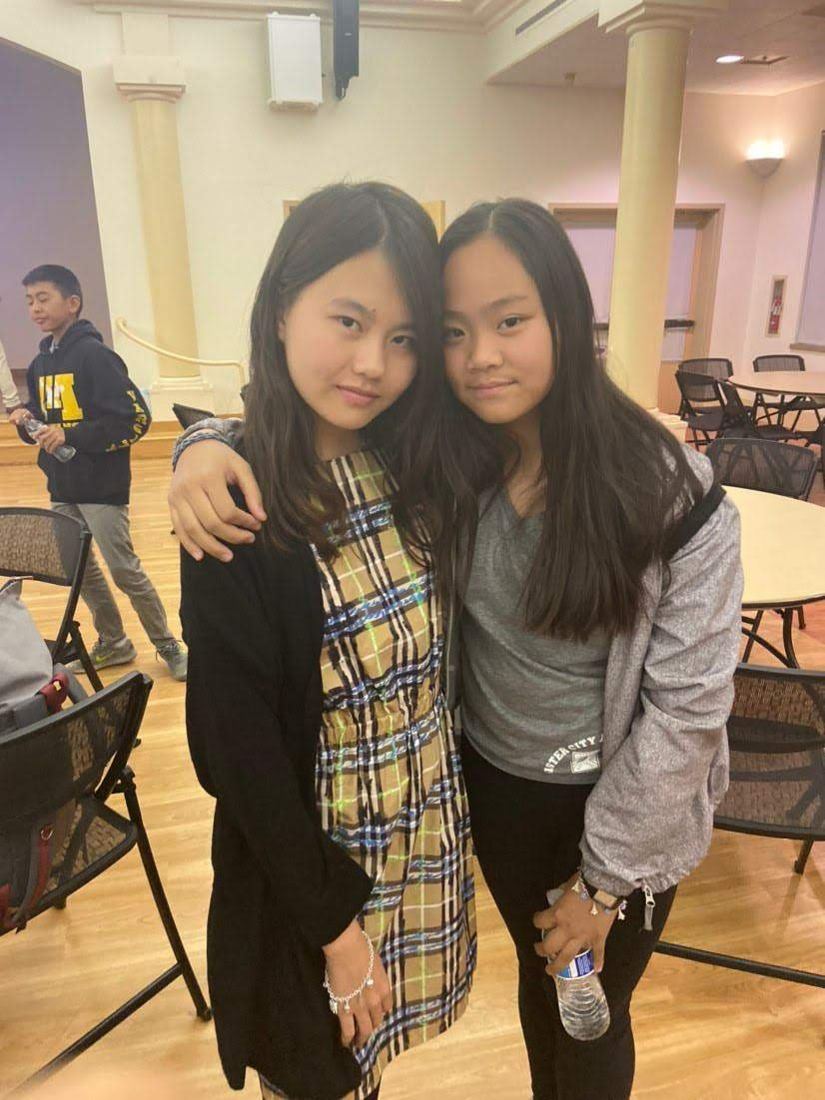
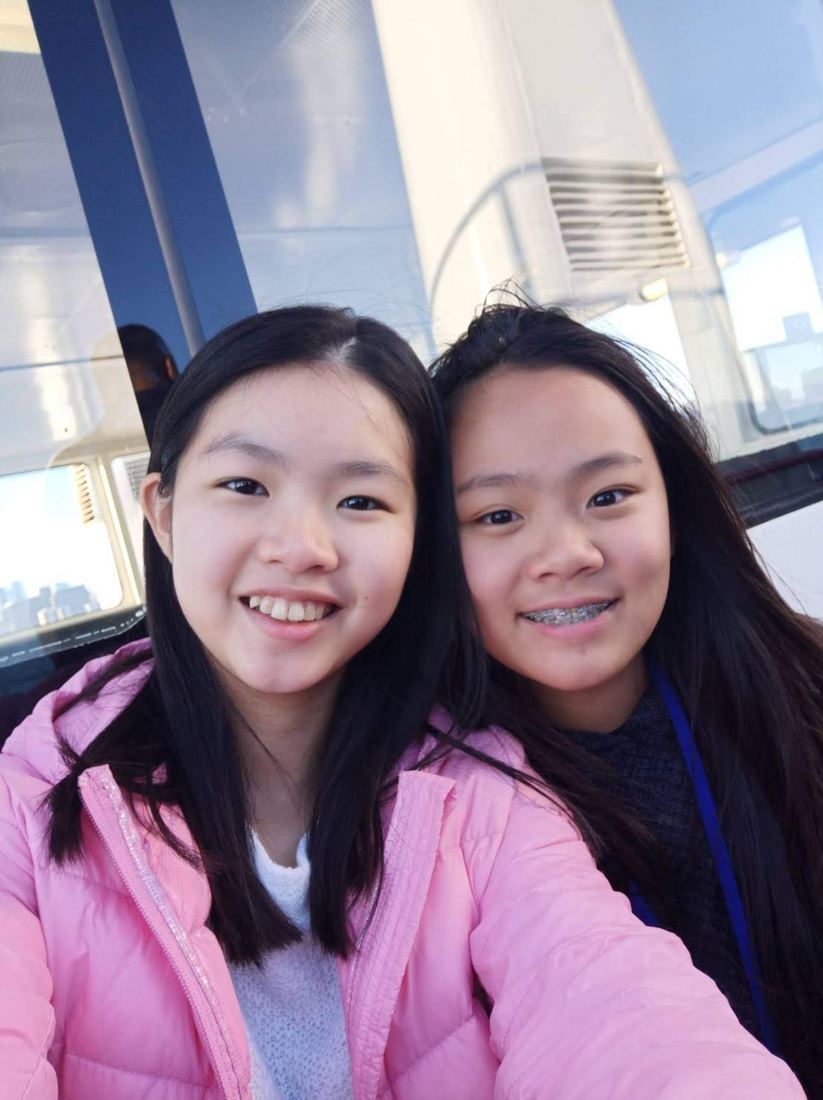
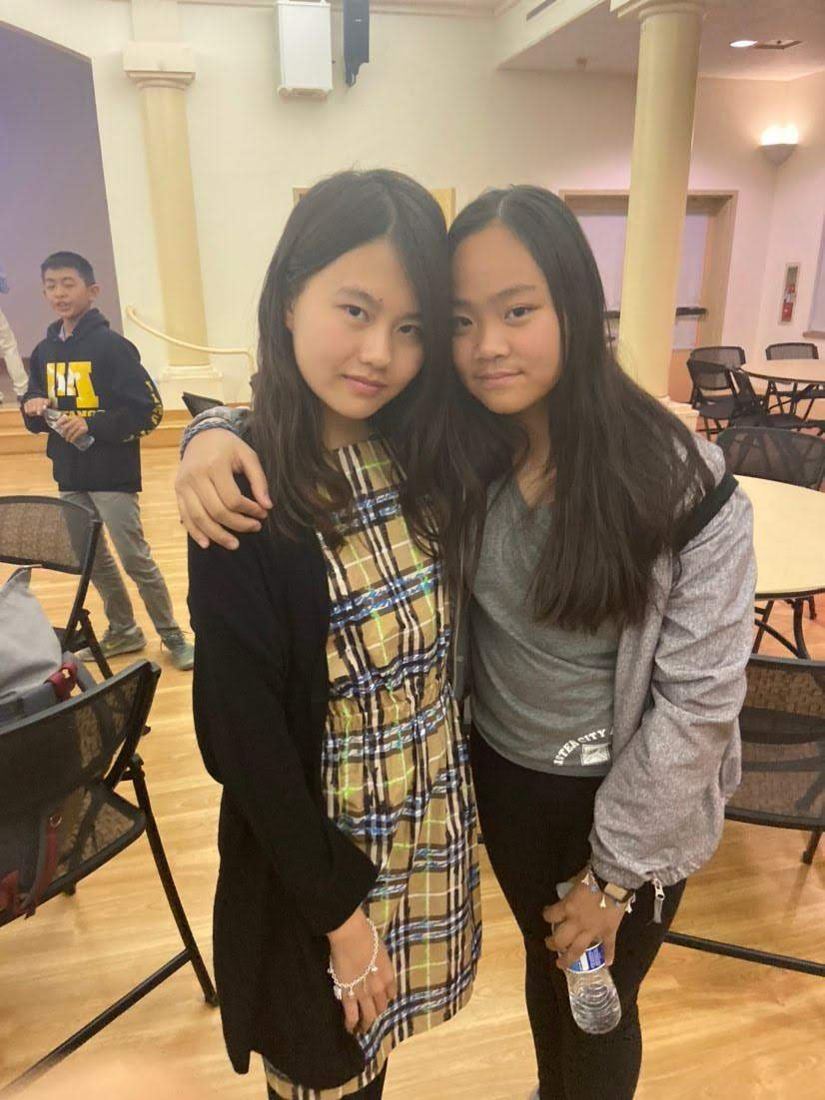
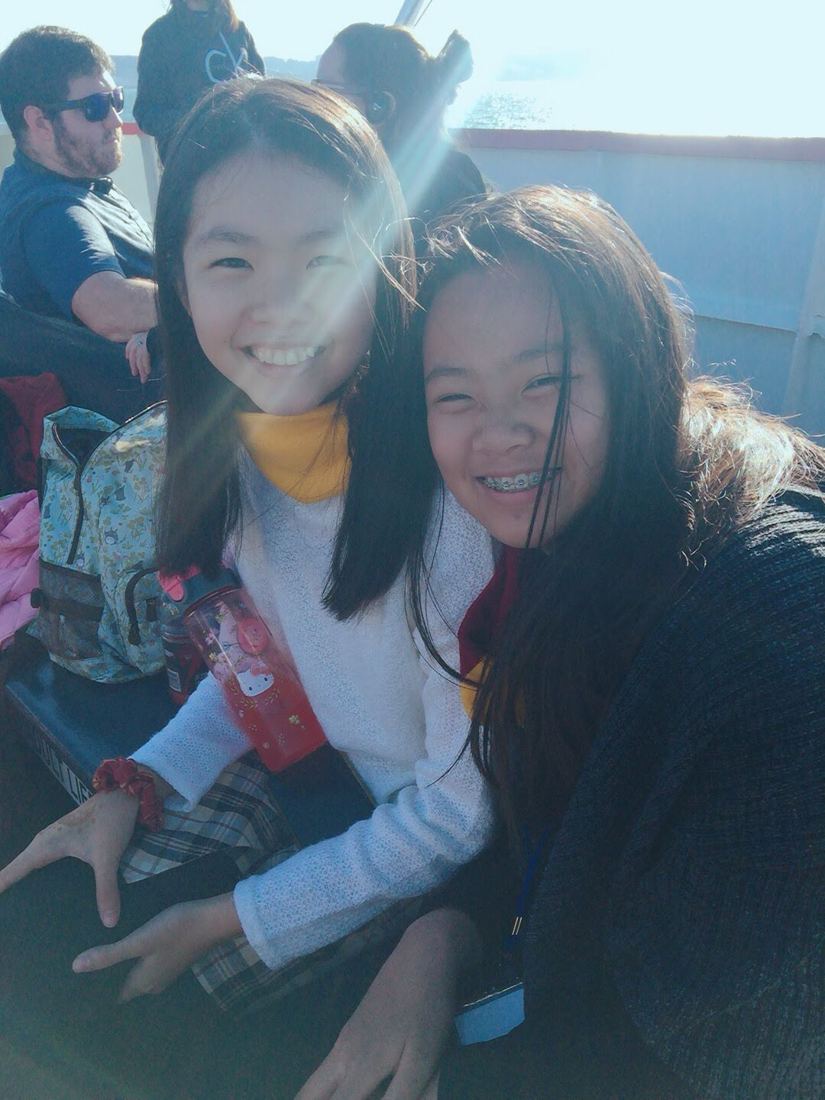
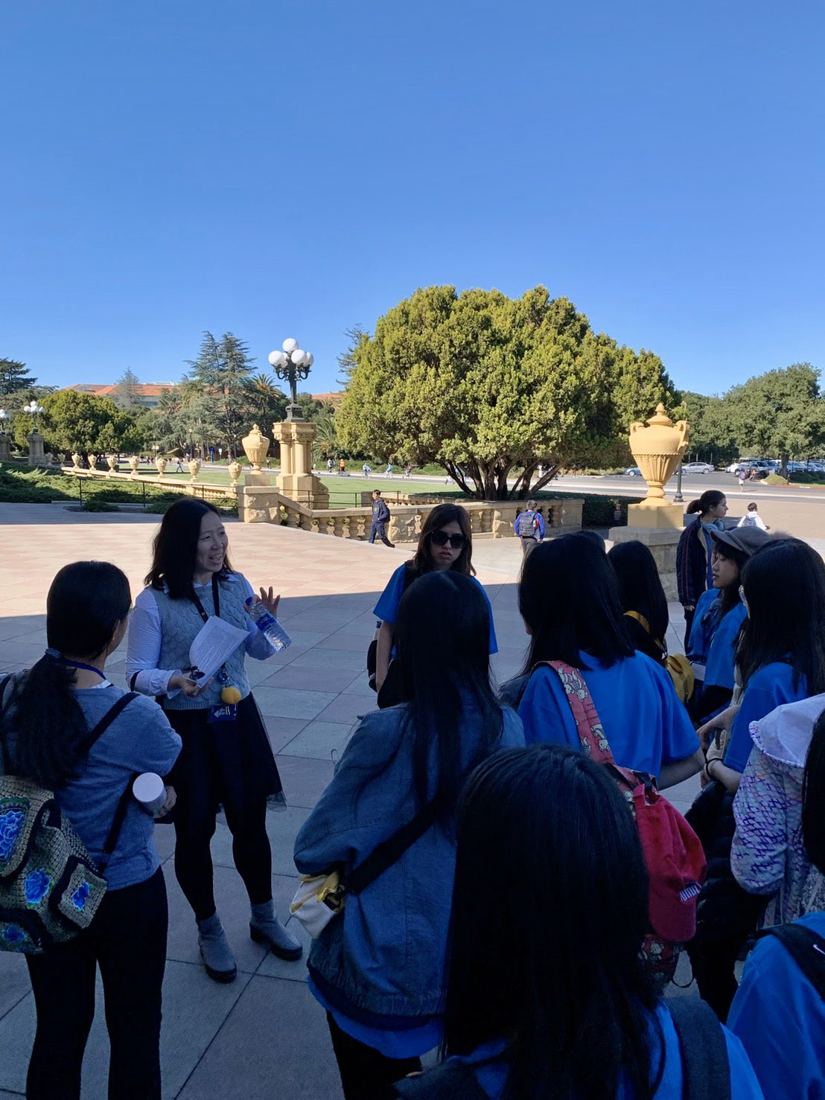
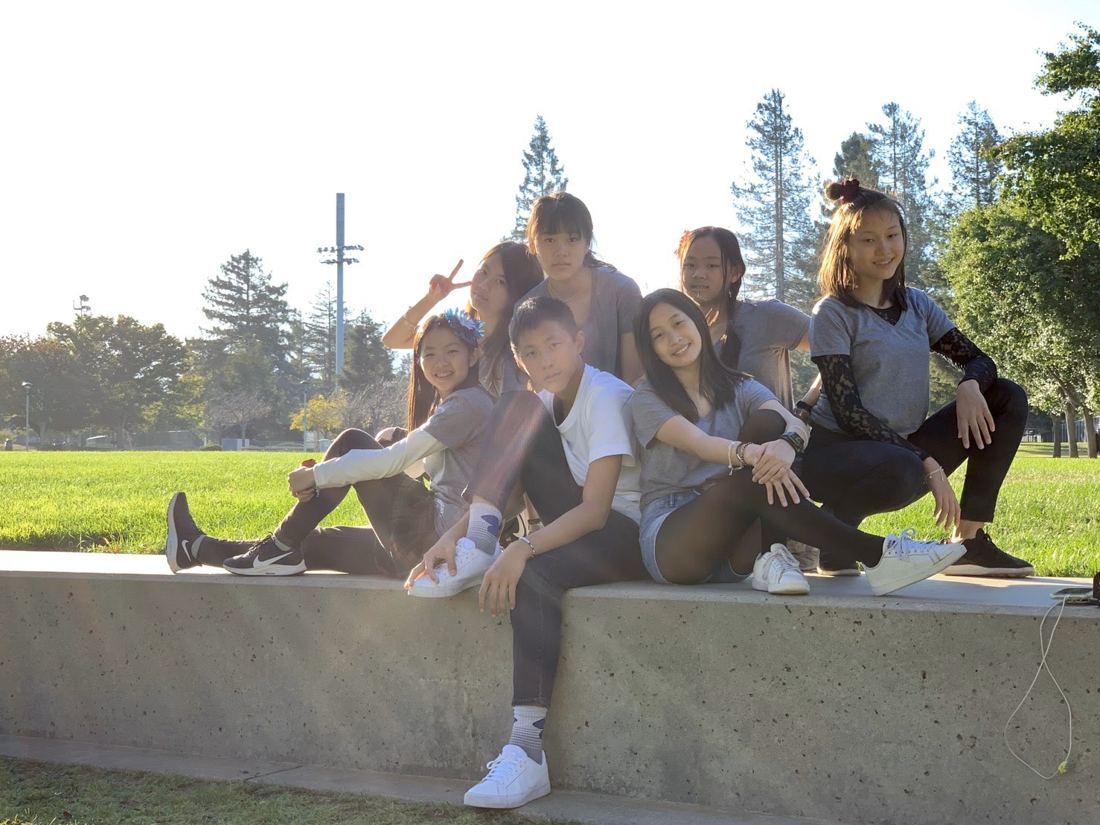
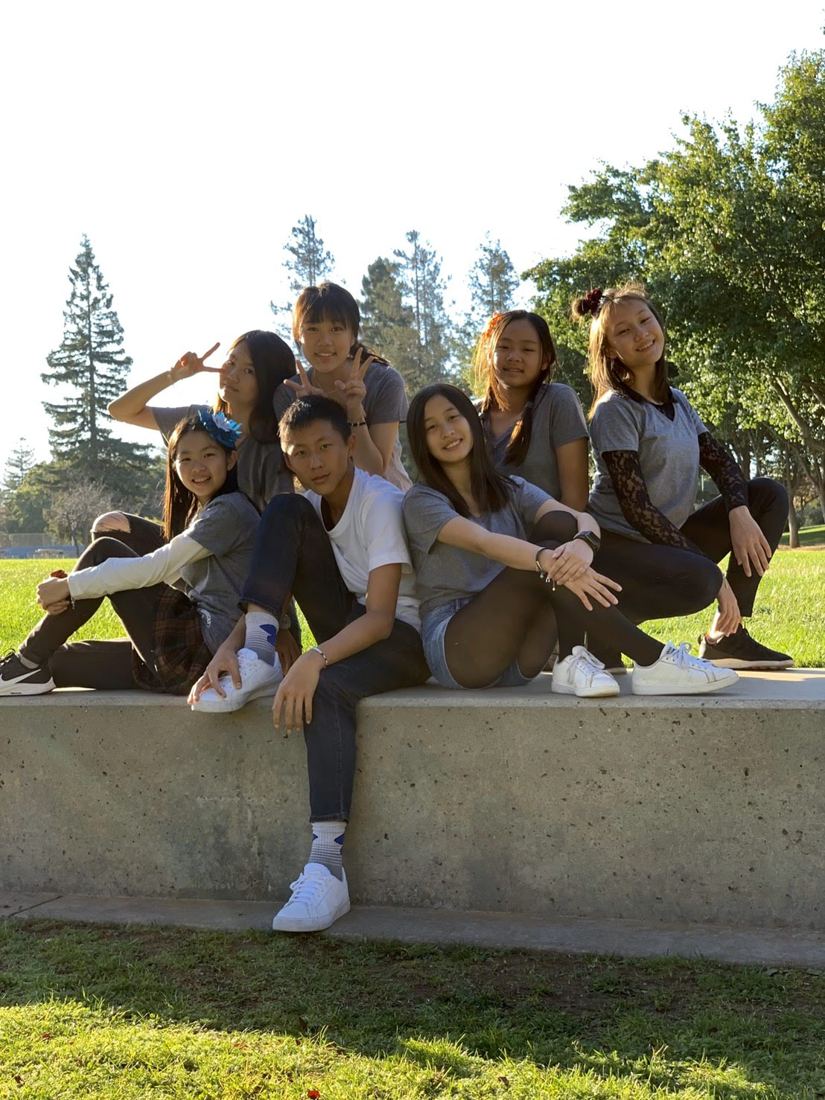
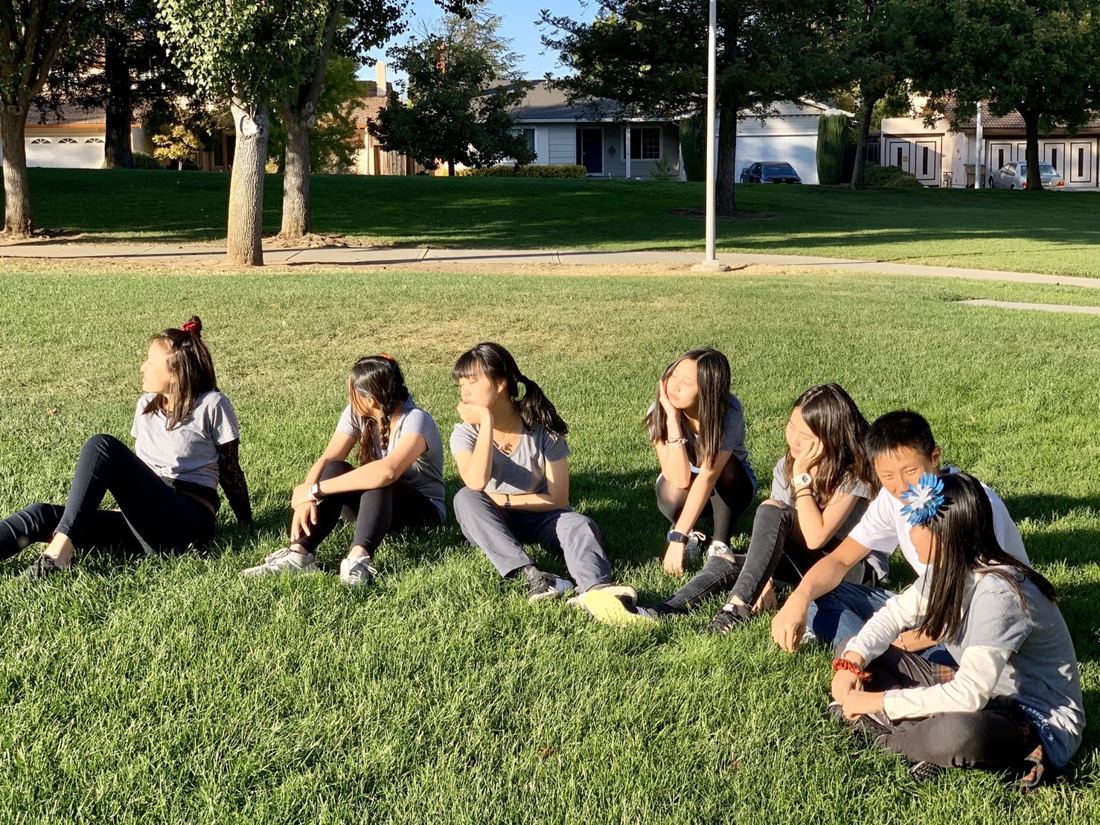
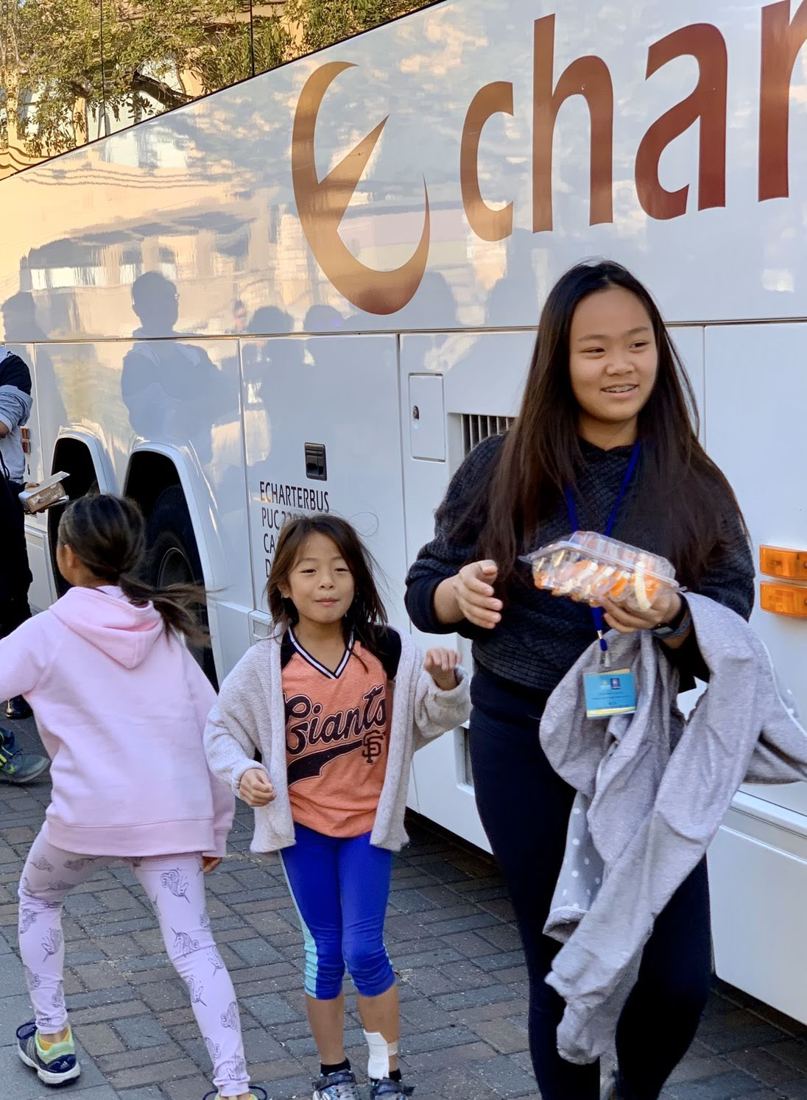
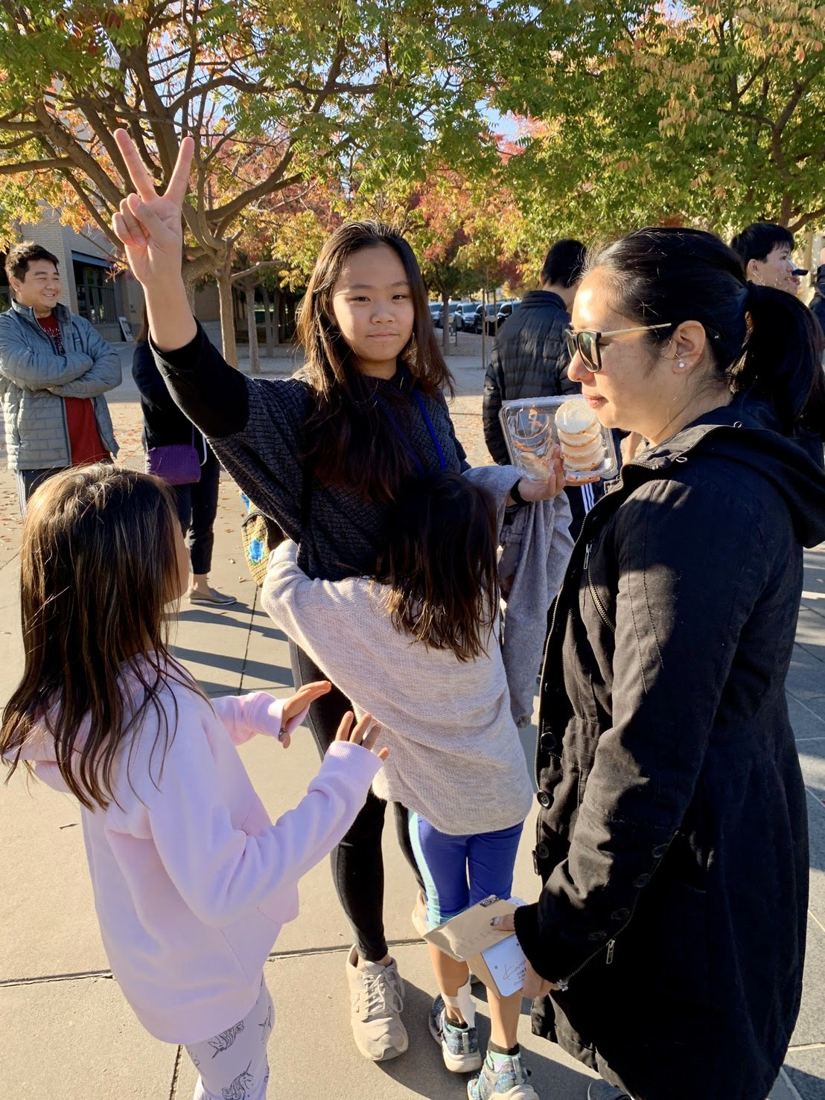
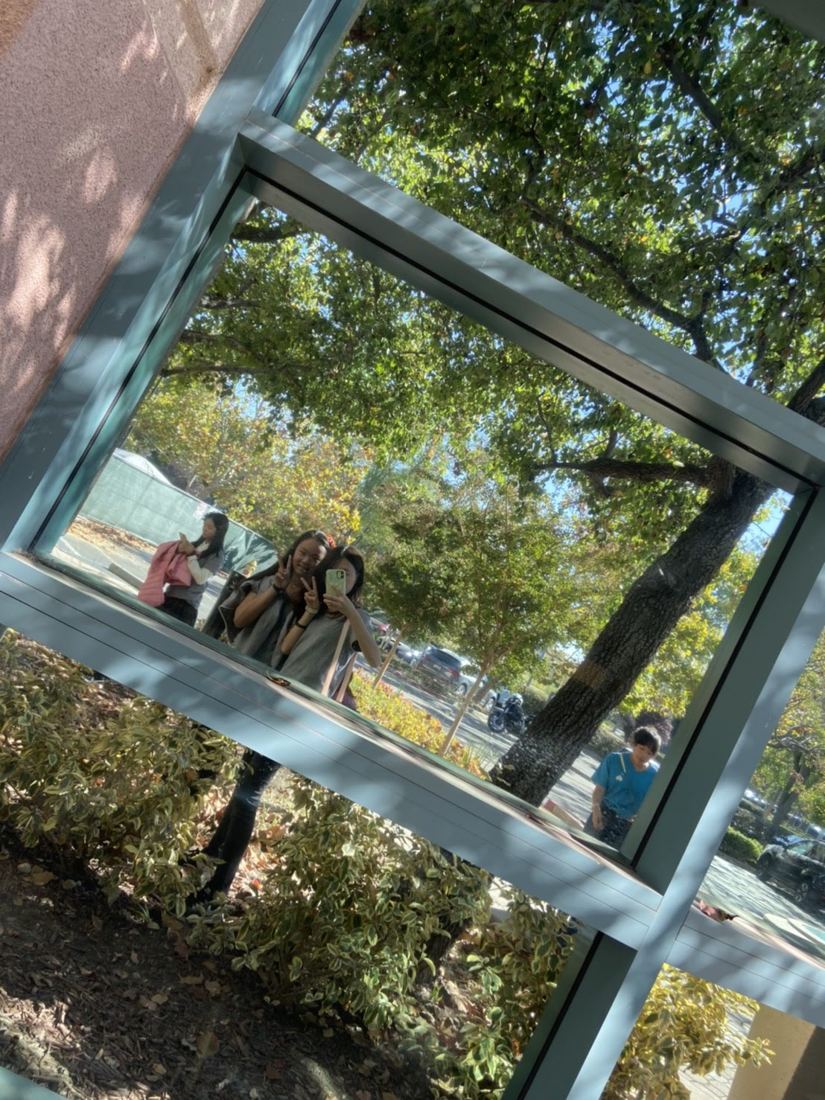
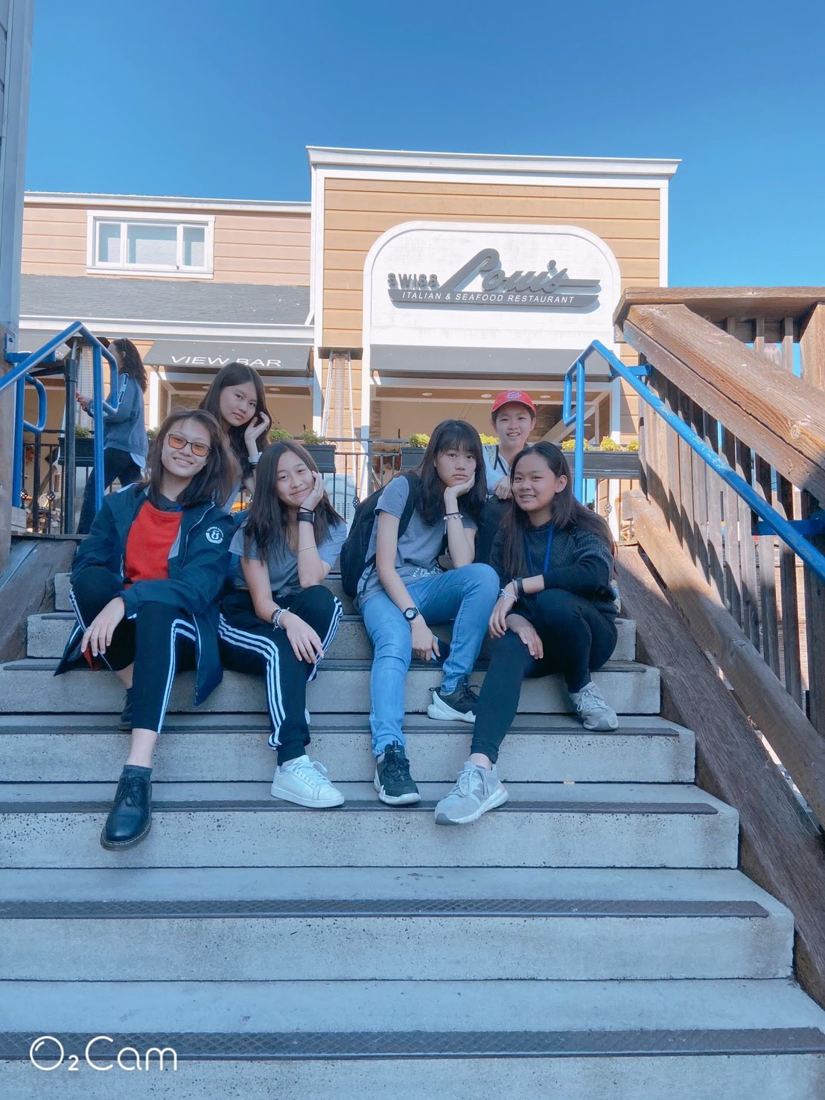
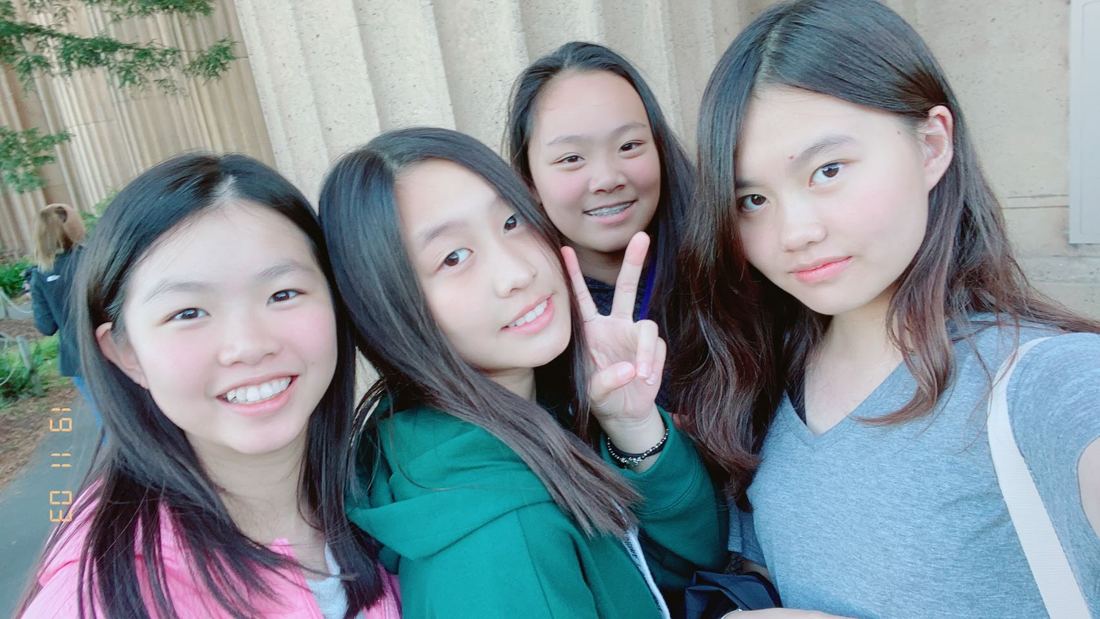
Represented the school on an exchange to Cupertino, California: staying with host families, attending classes, and visiting San Francisco, Stanford and the Bay Area. Reported in the NEHS newsletter, December 2019.
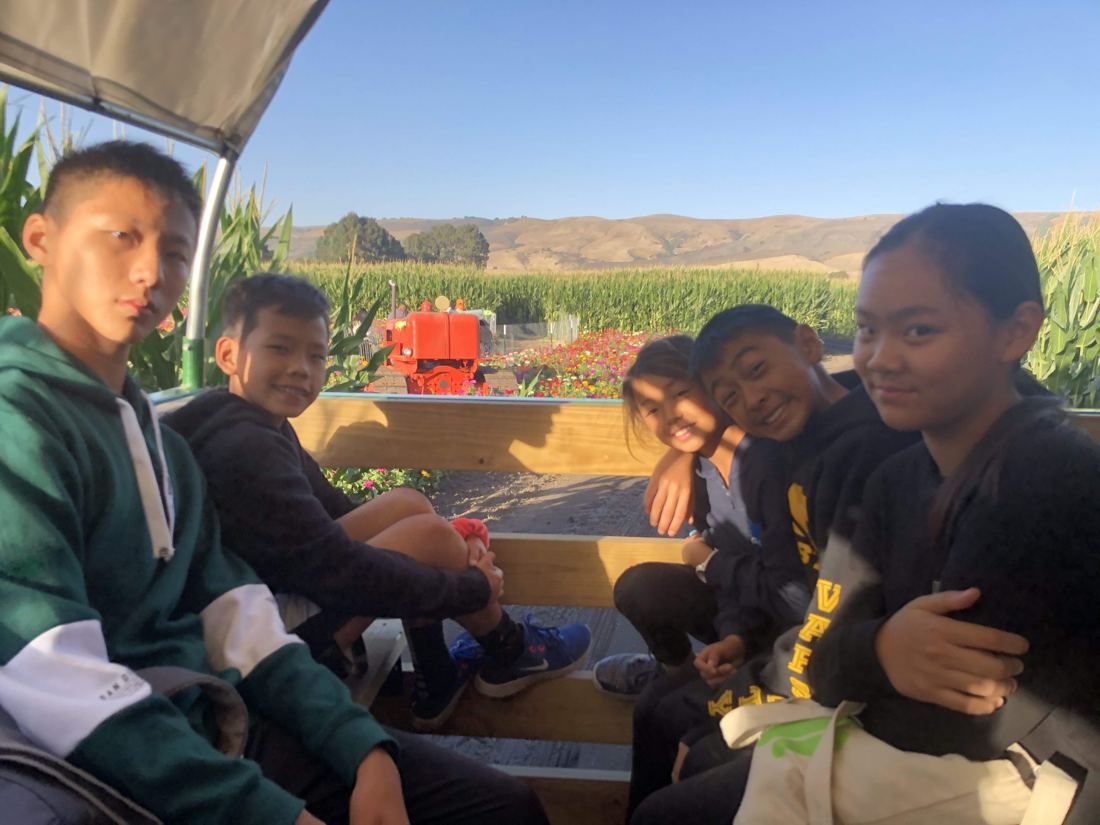
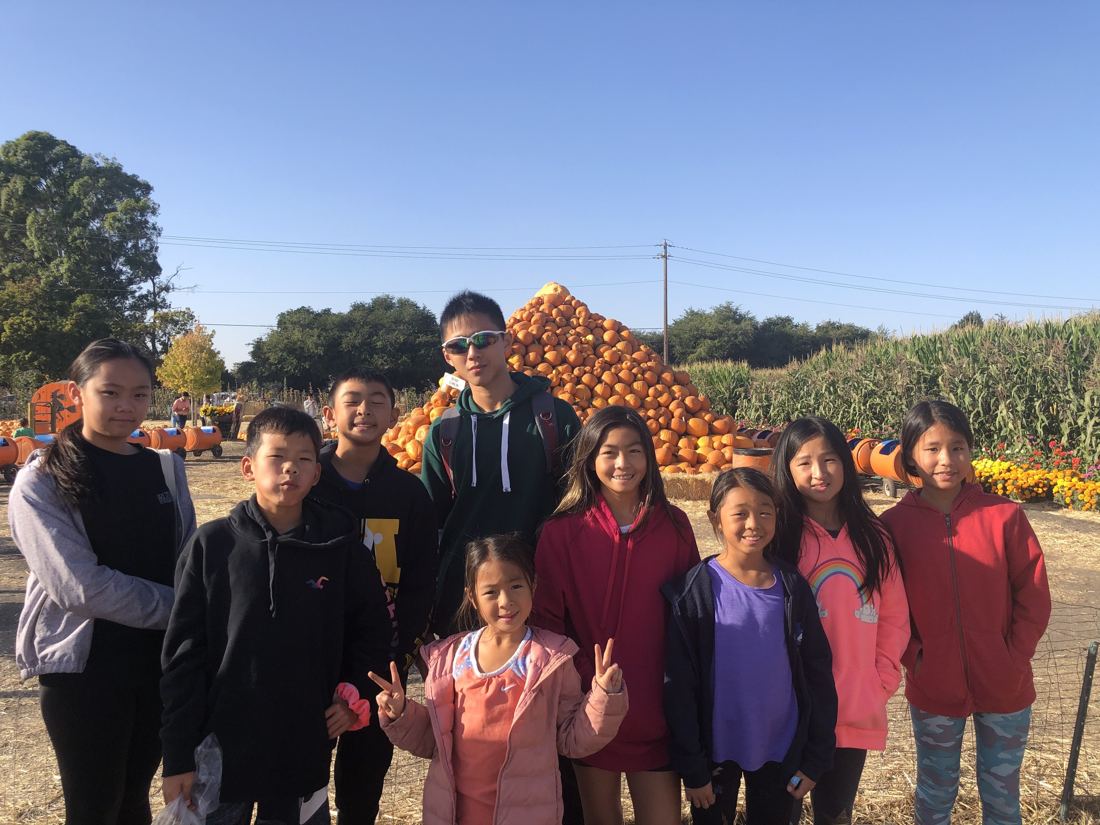
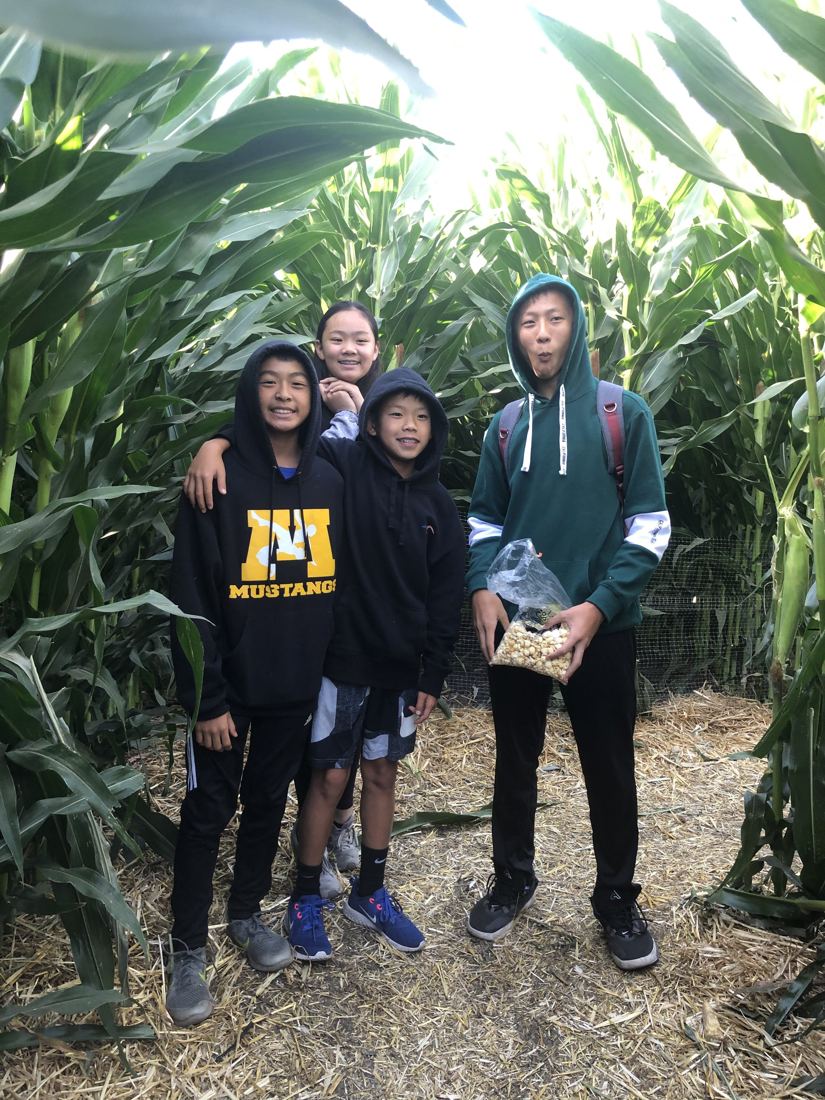
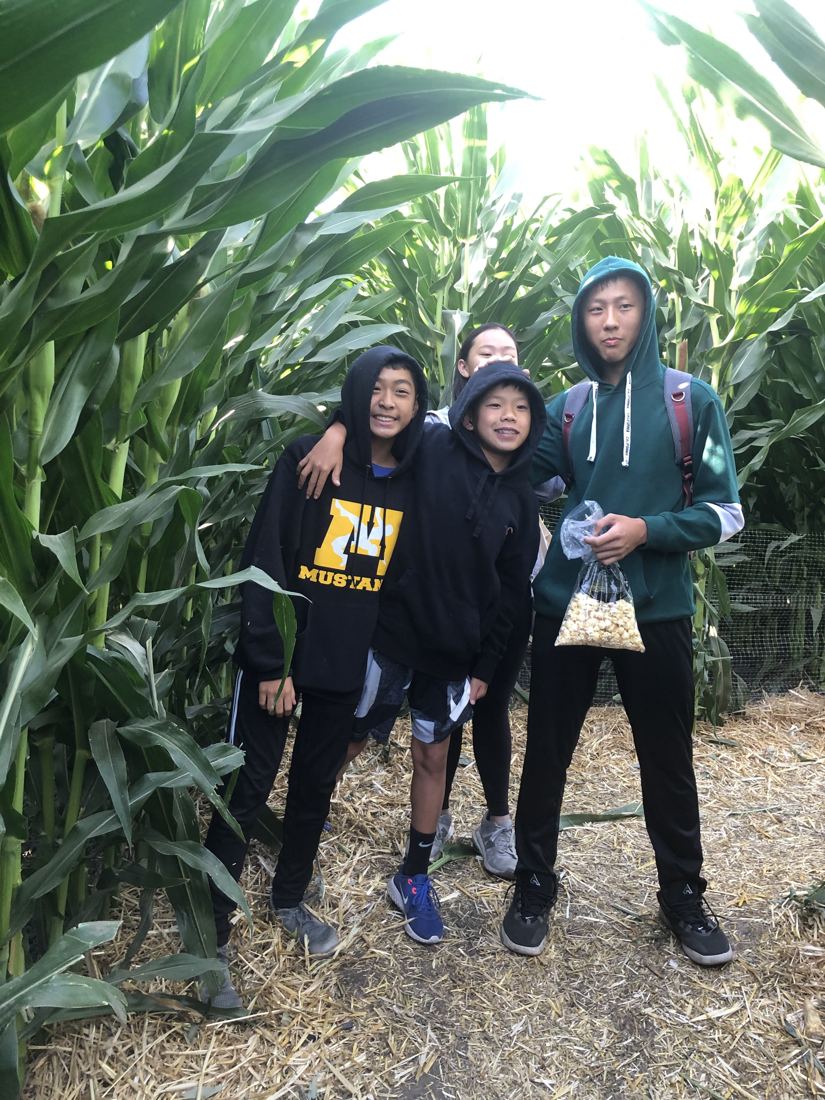
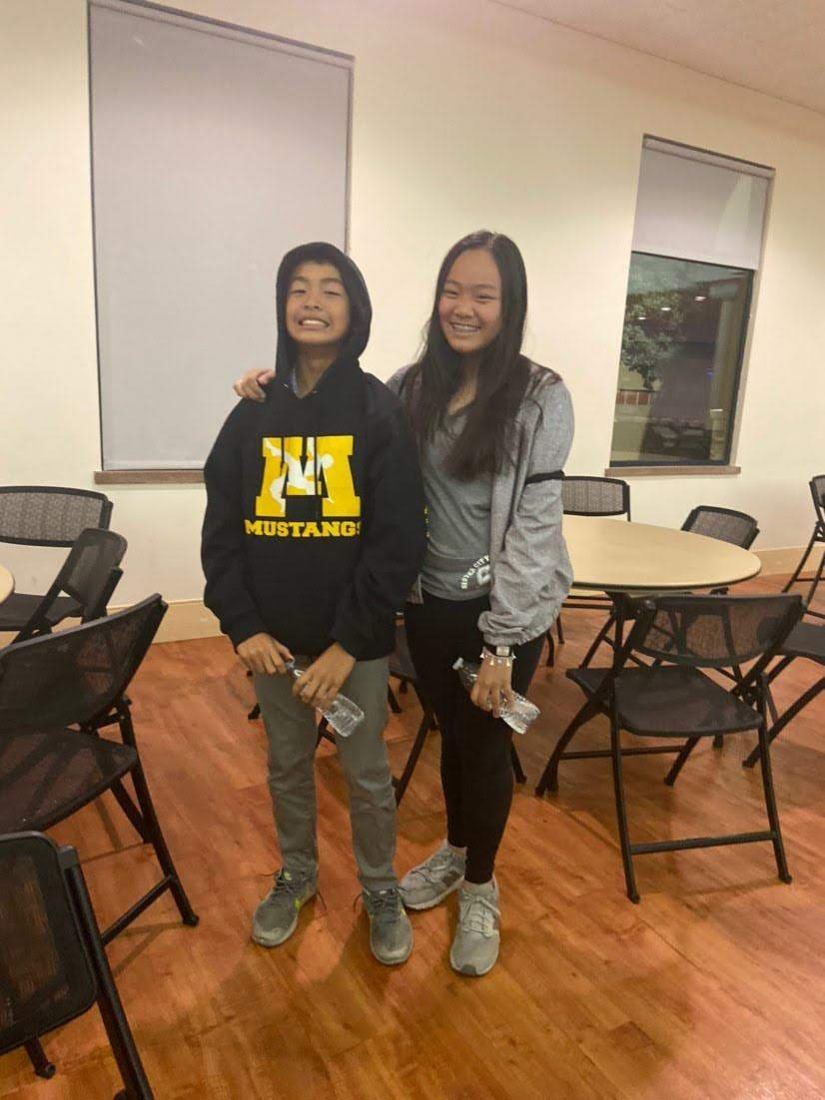
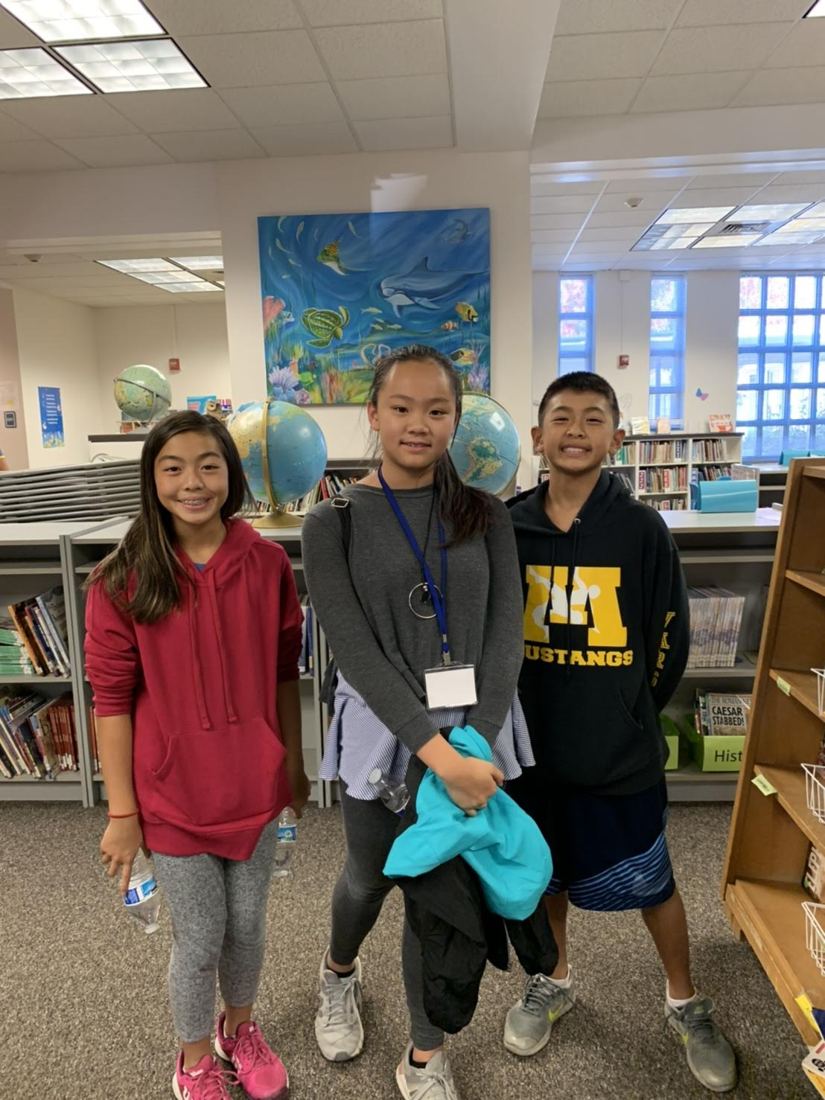
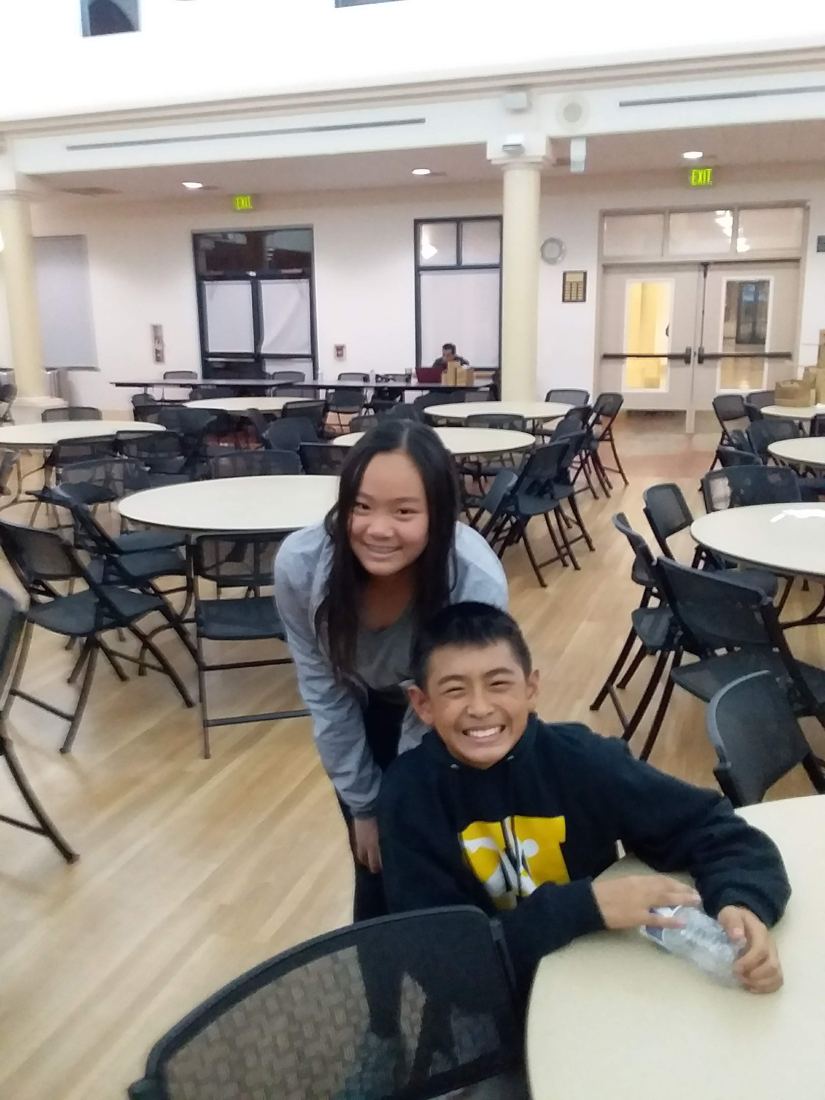
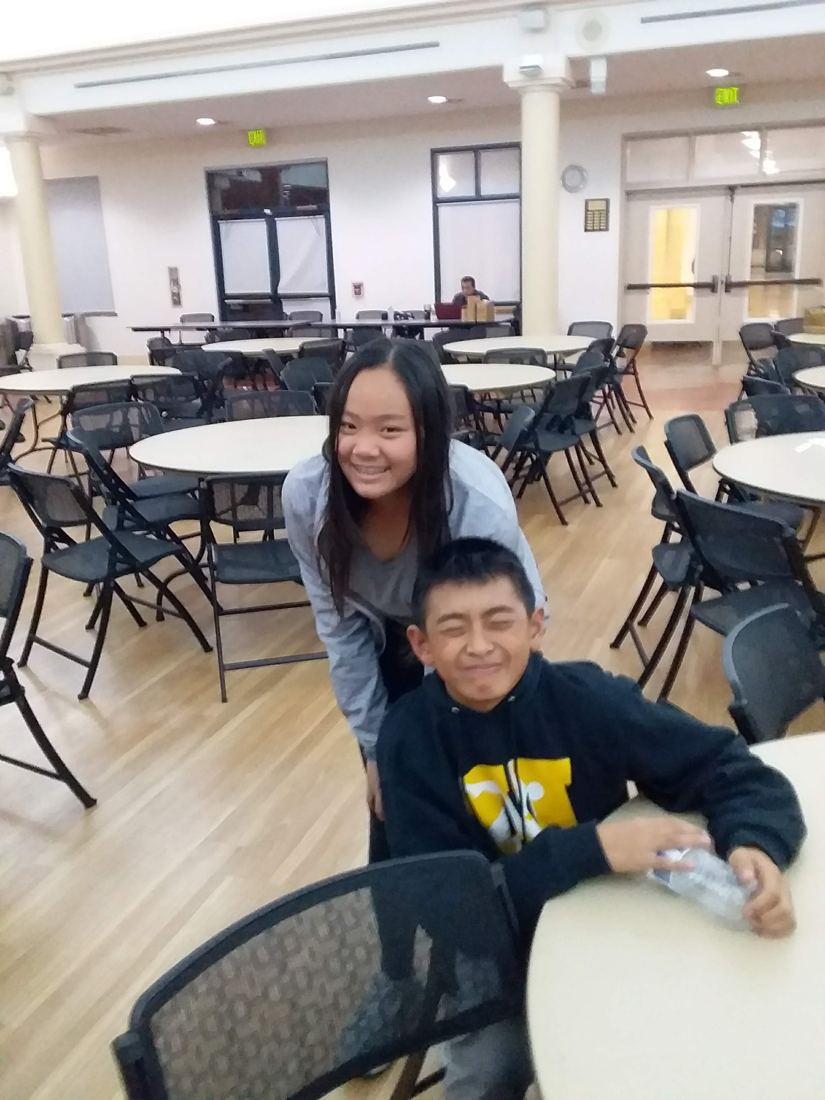
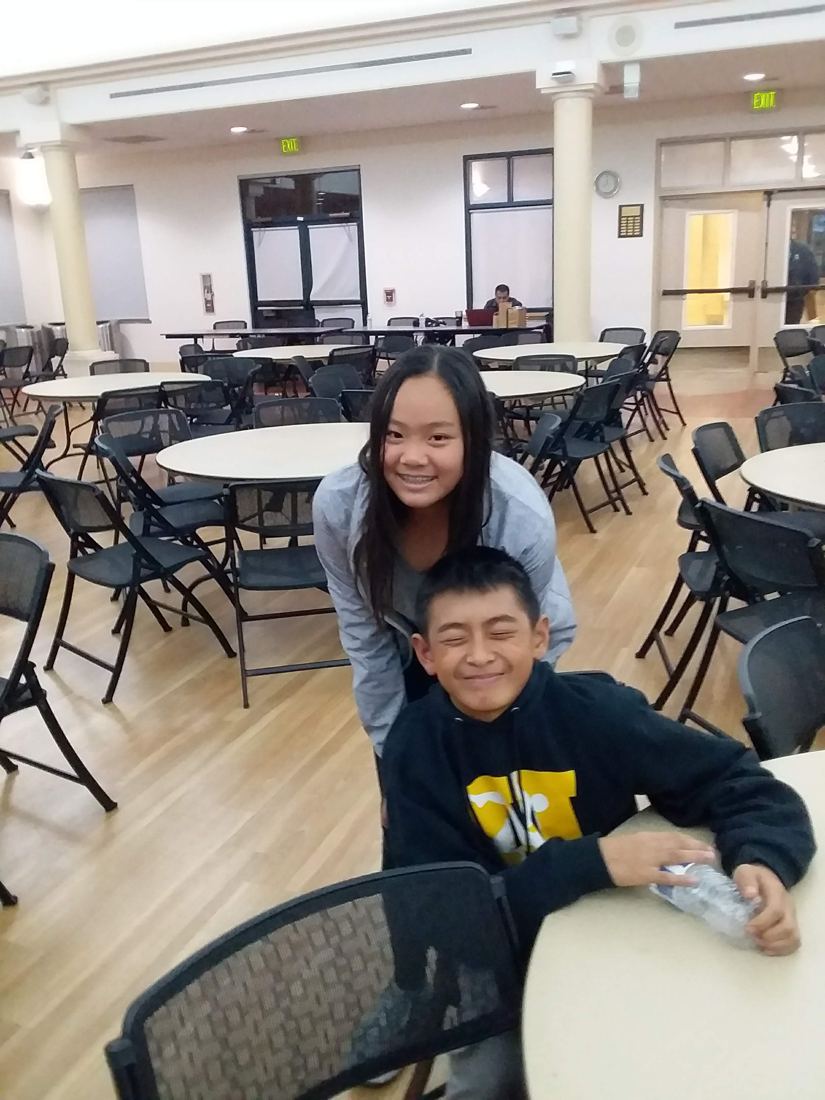
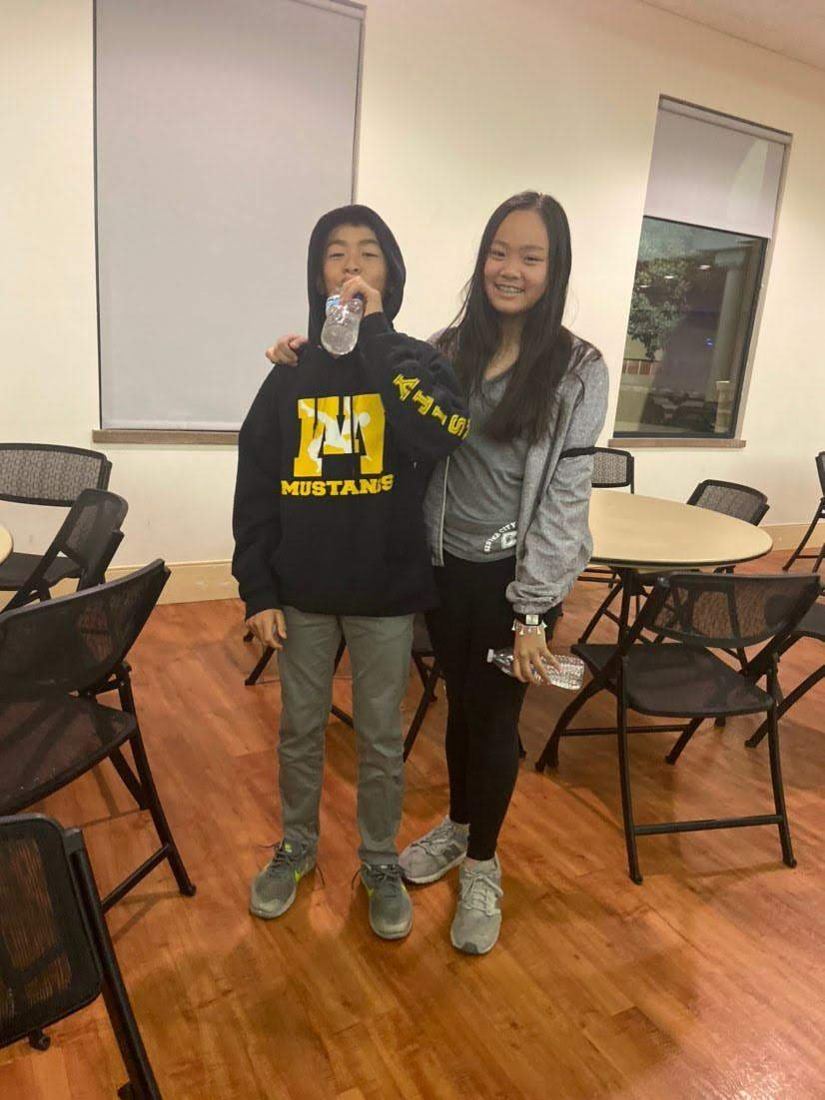
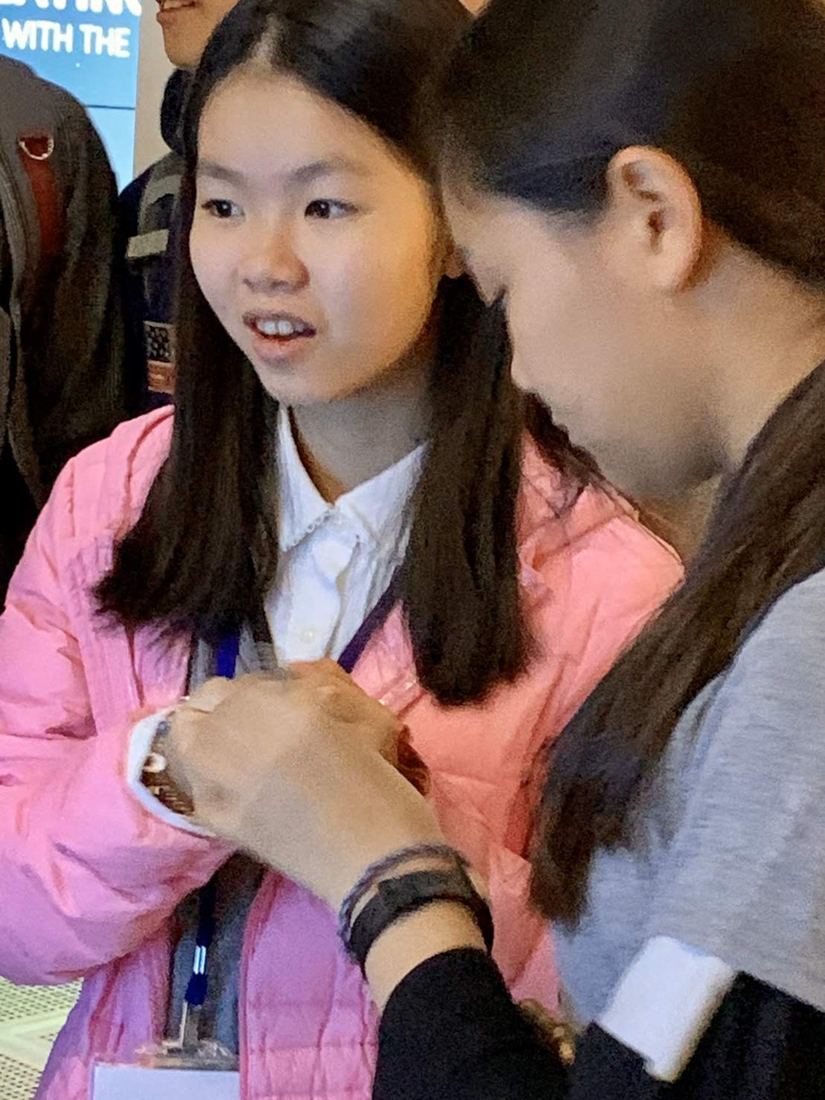
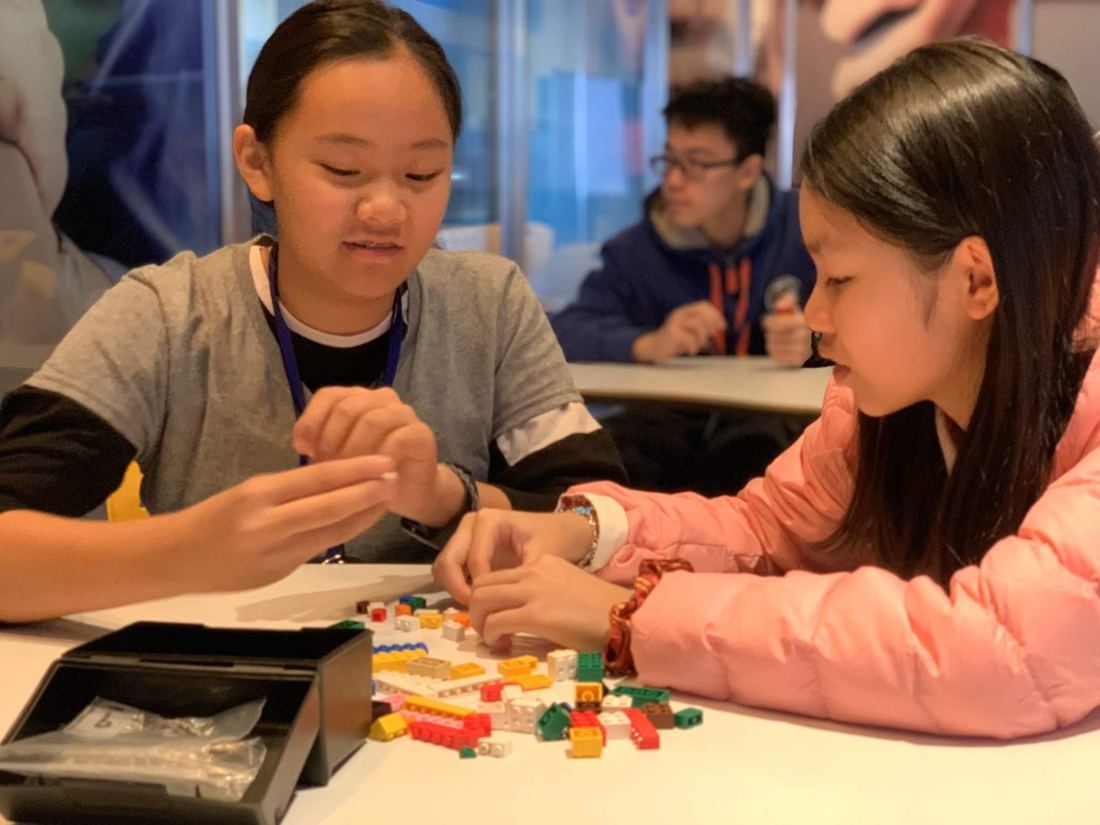
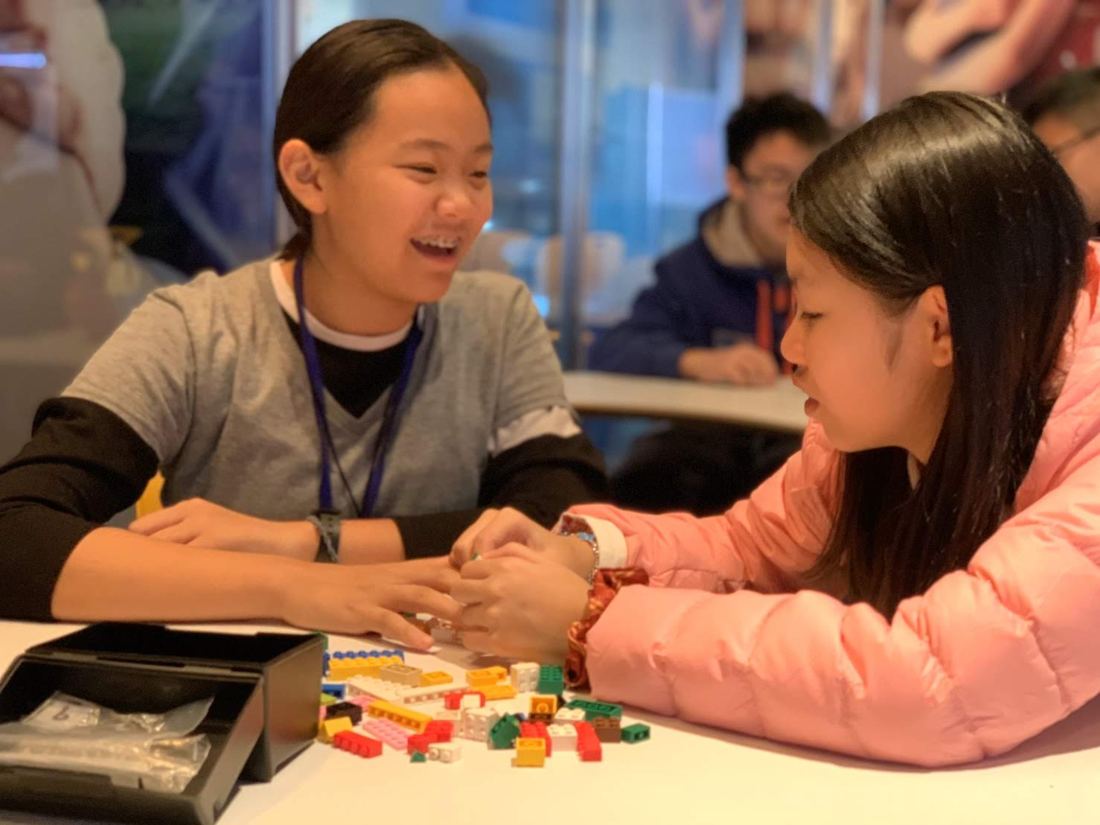
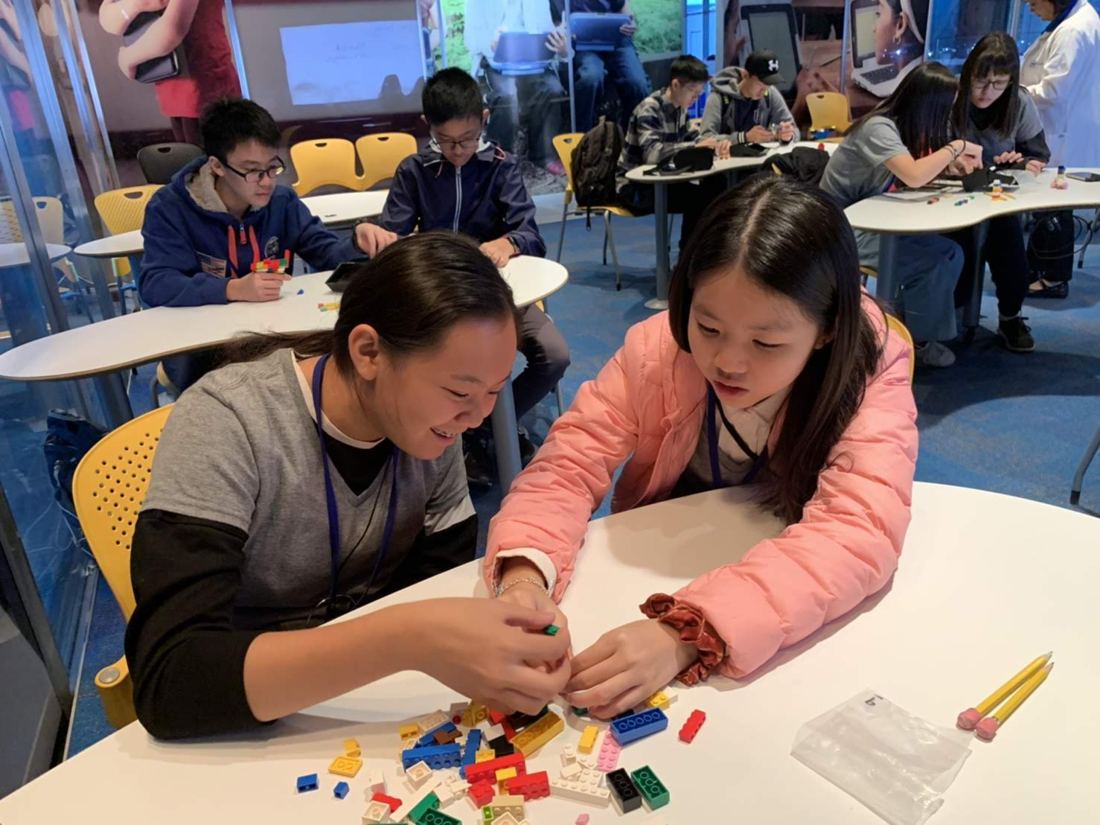
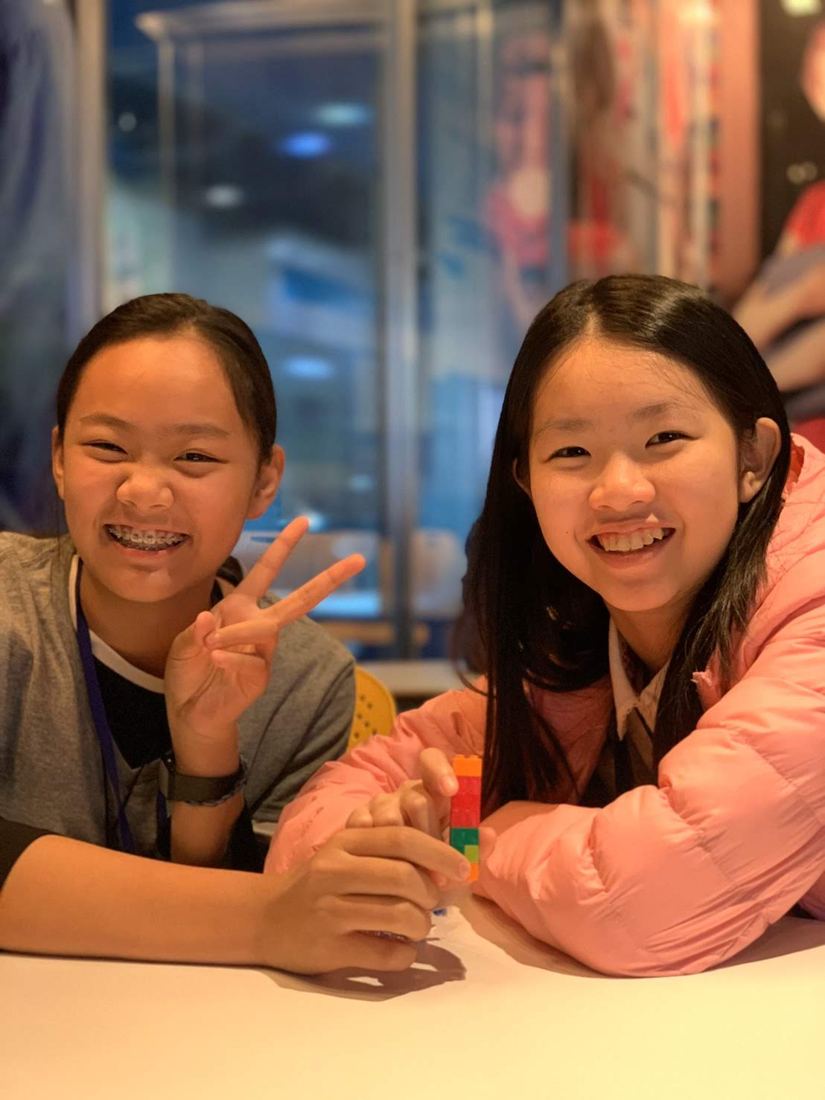
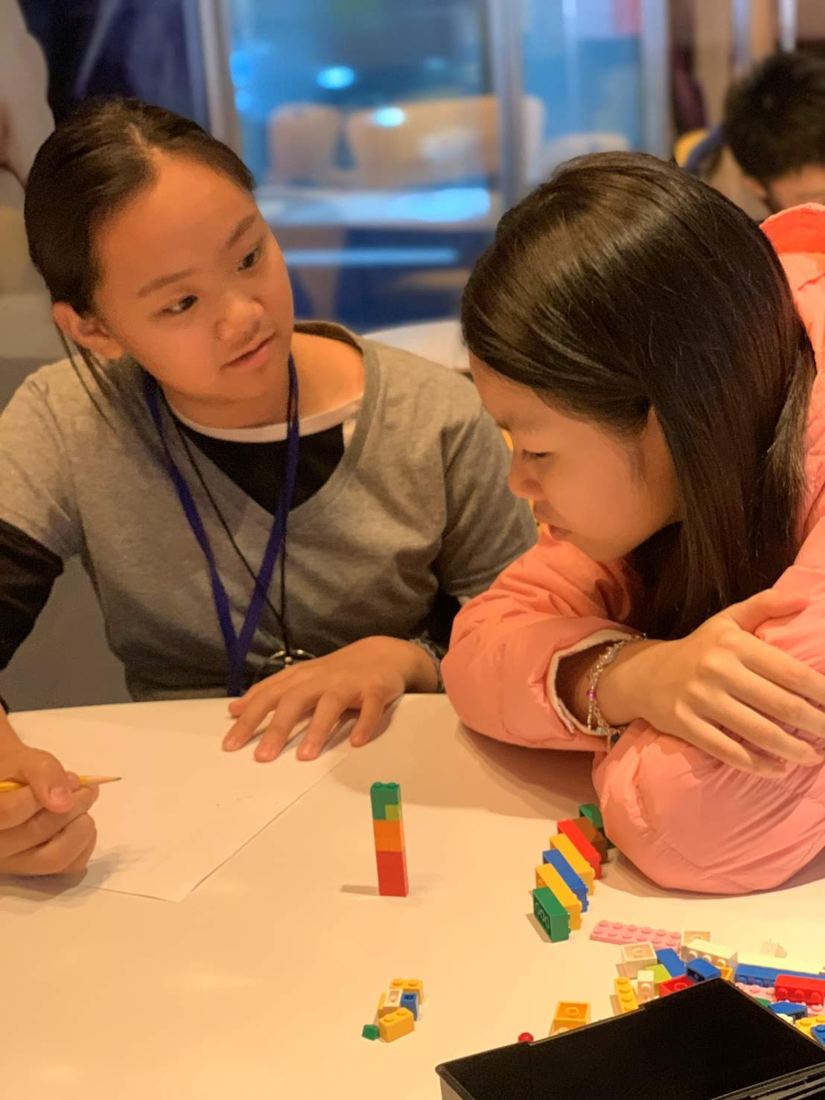
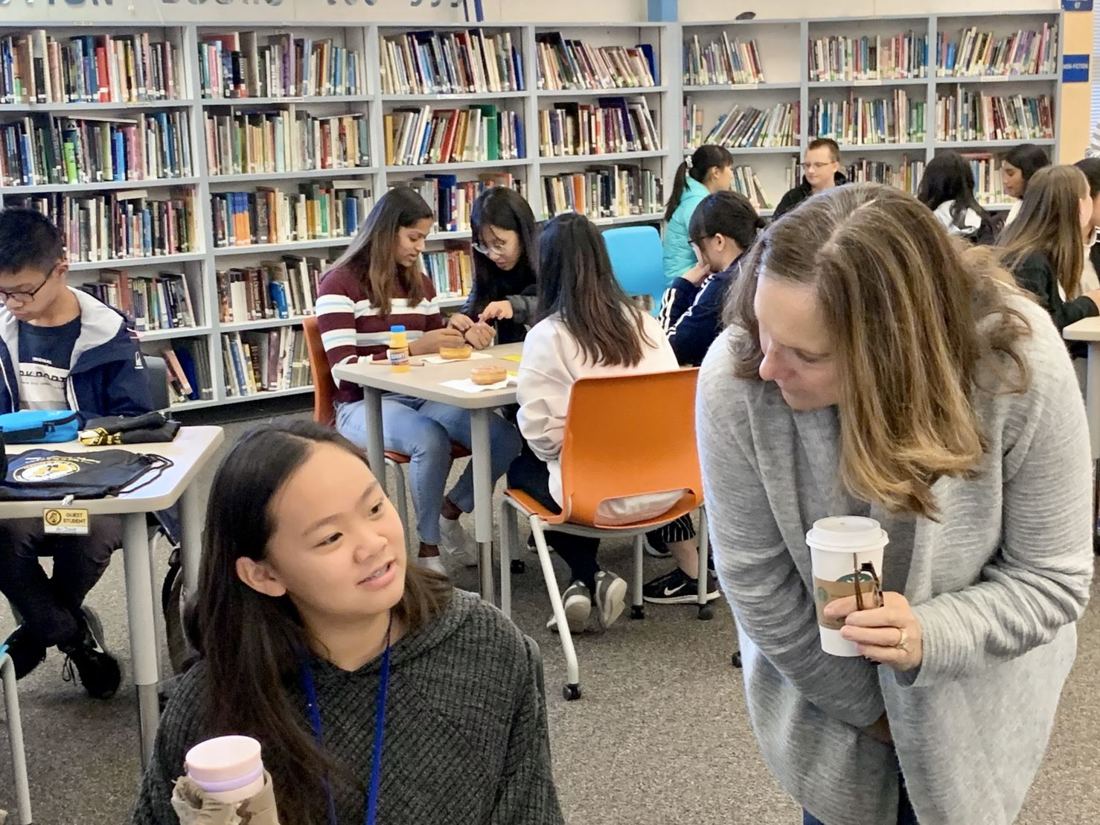
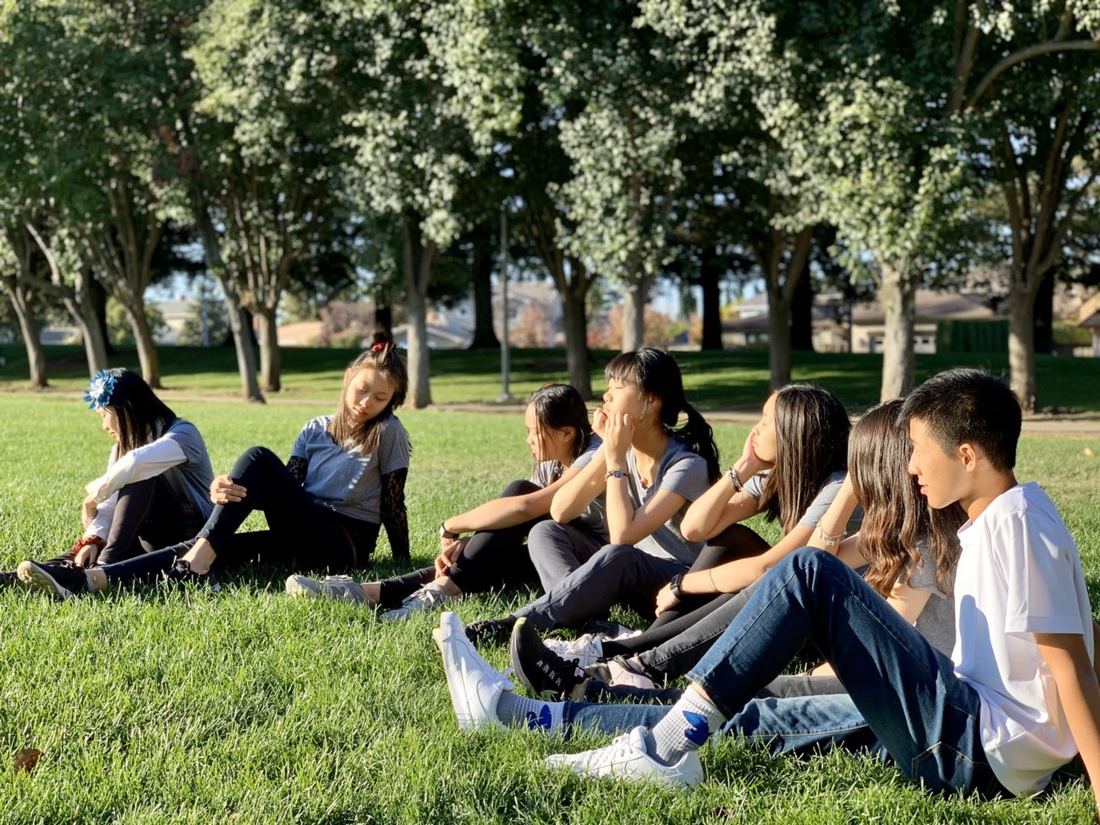
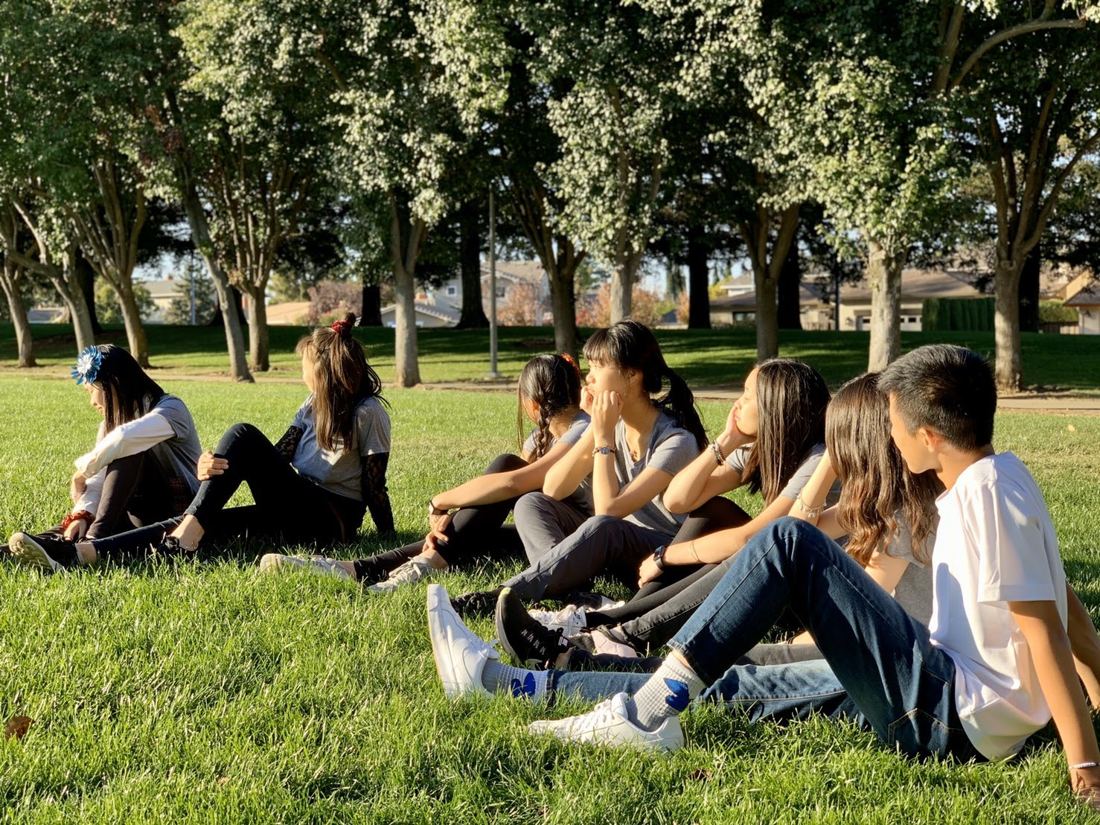
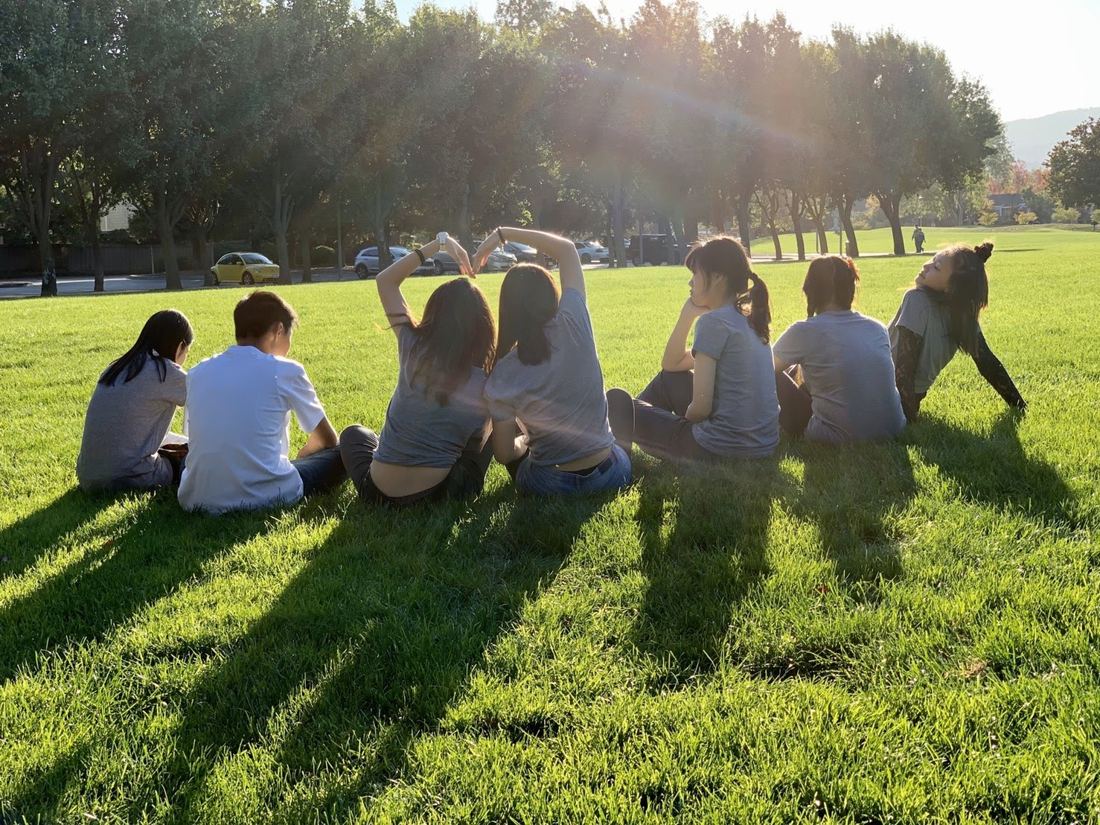
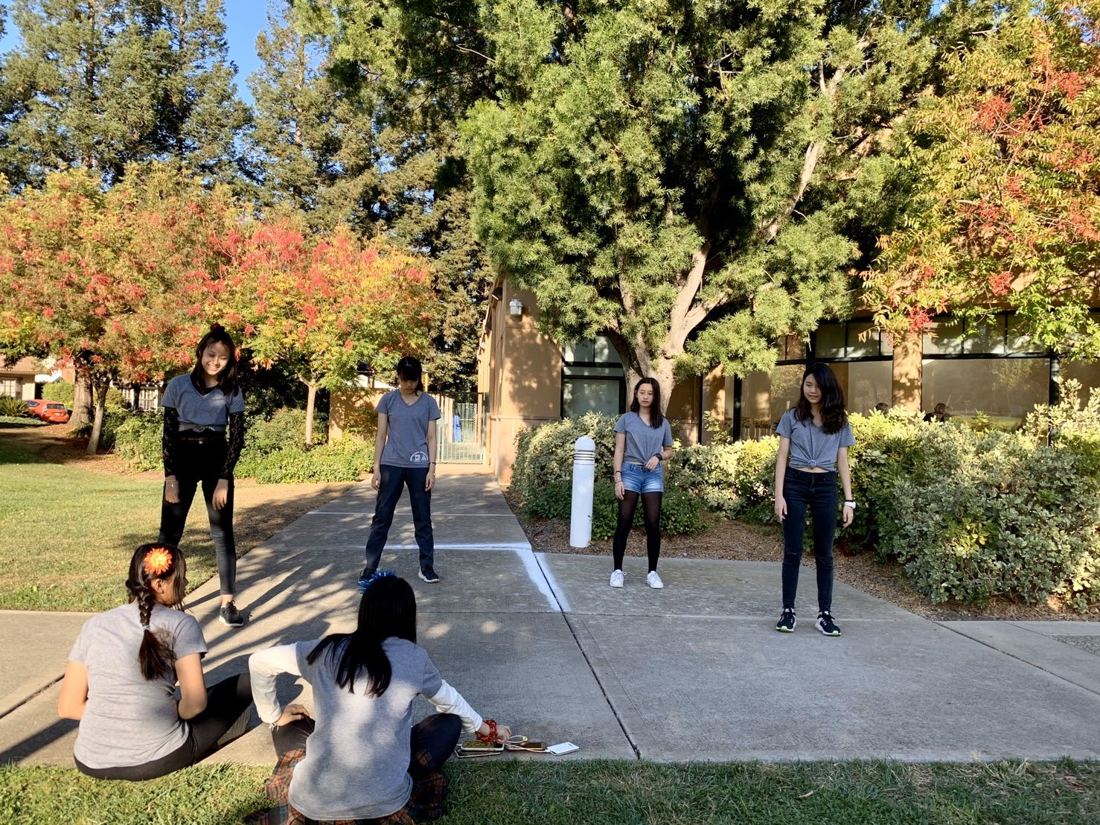
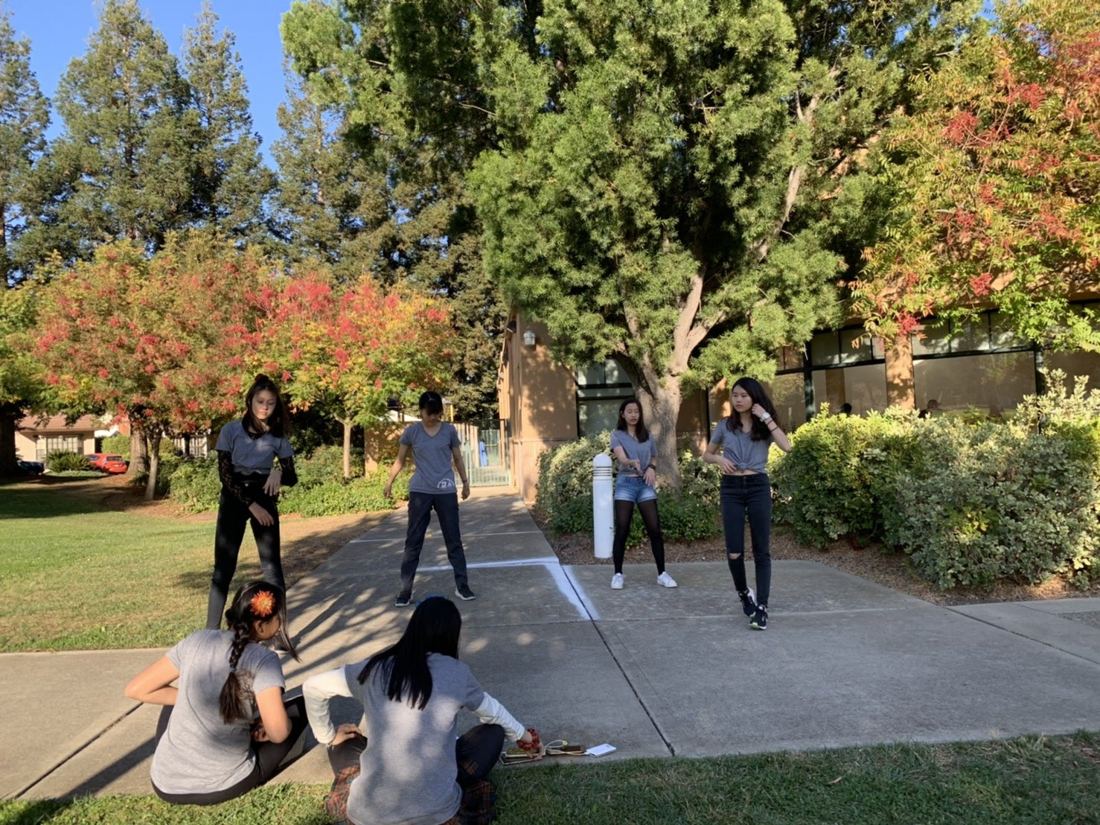
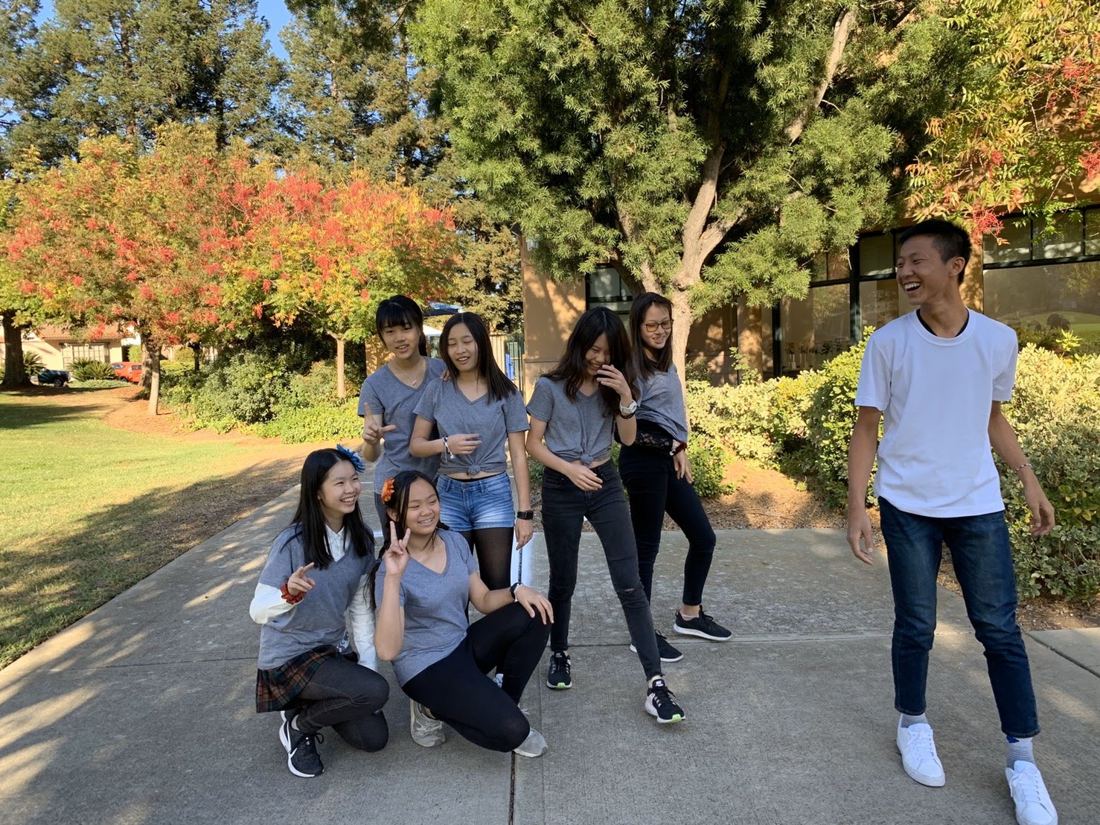
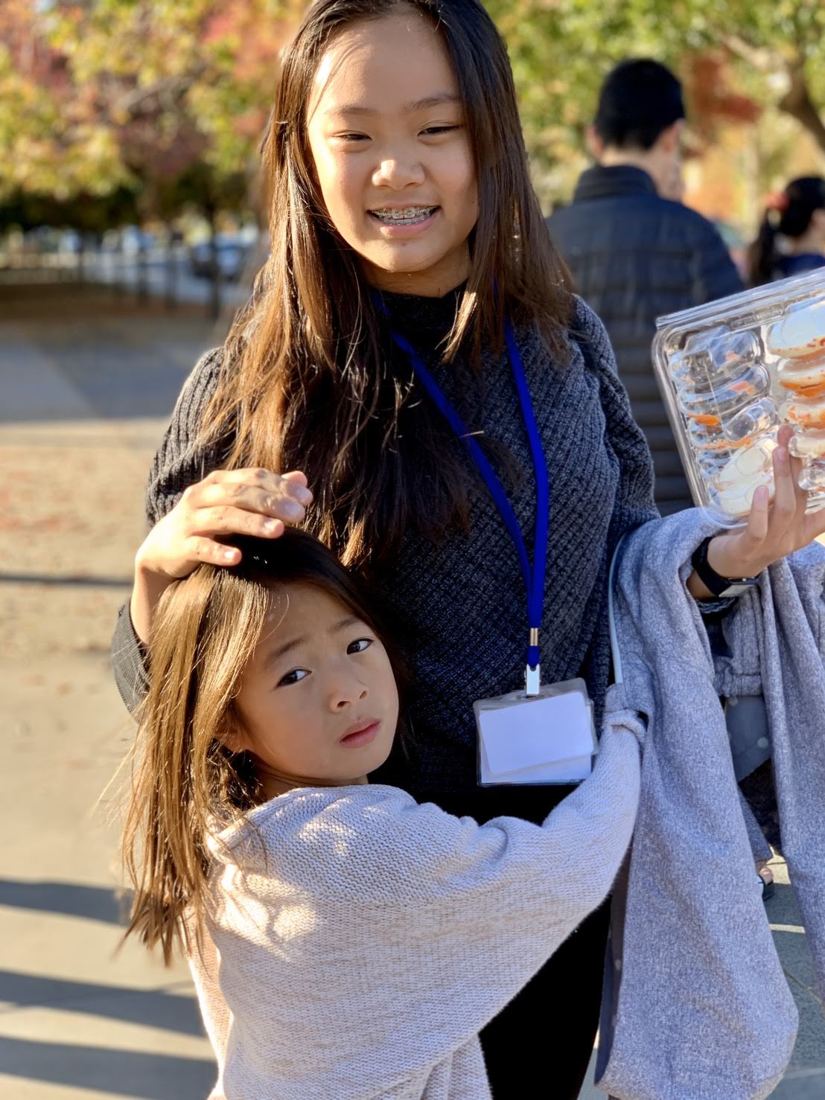
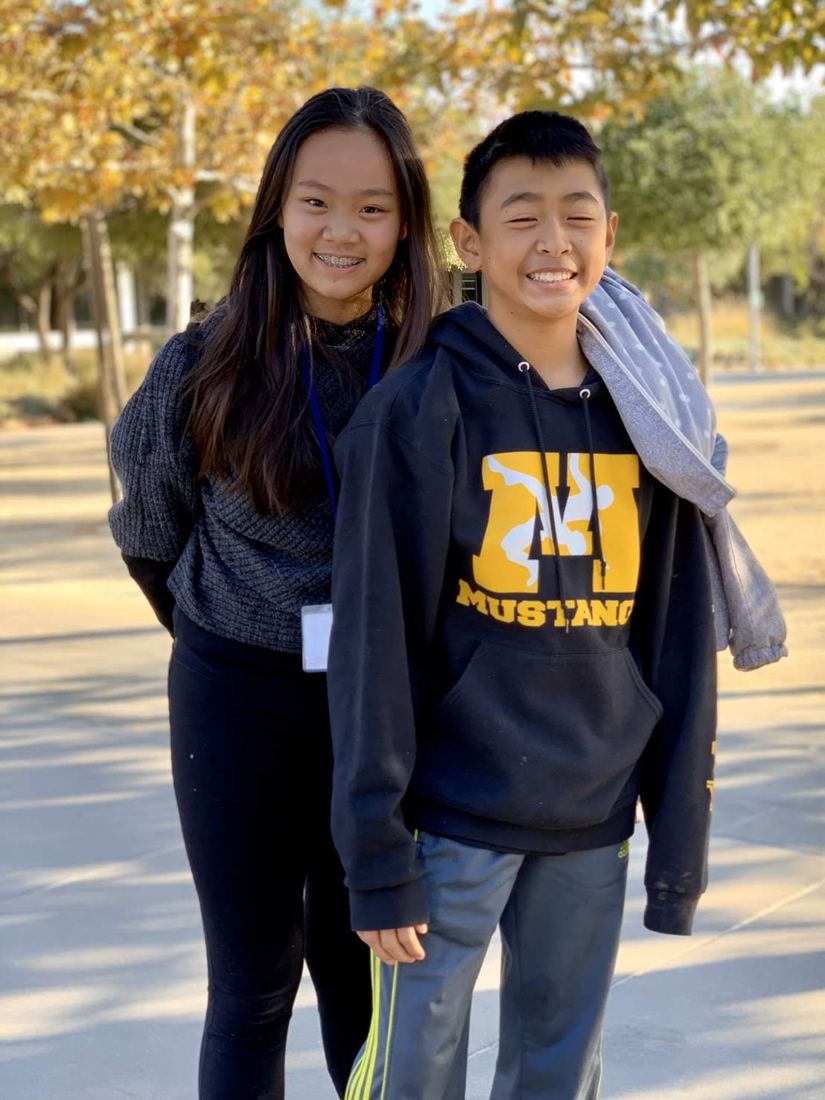
Programming robots in Python: writing code to drive motors and read sensors, then testing and debugging the robot on real tasks.
An introduction to architecture: sketching, drawing plans and building models of original designs.
Member of the school team. Training and competing with the school badminton team.
How countries interact: diplomacy, international organizations such as the United Nations, global conflicts and current events, discussed through debates and research.
Singing, acting and dancing together on stage, rehearsing and performing full productions. The performances are on the Projects page.
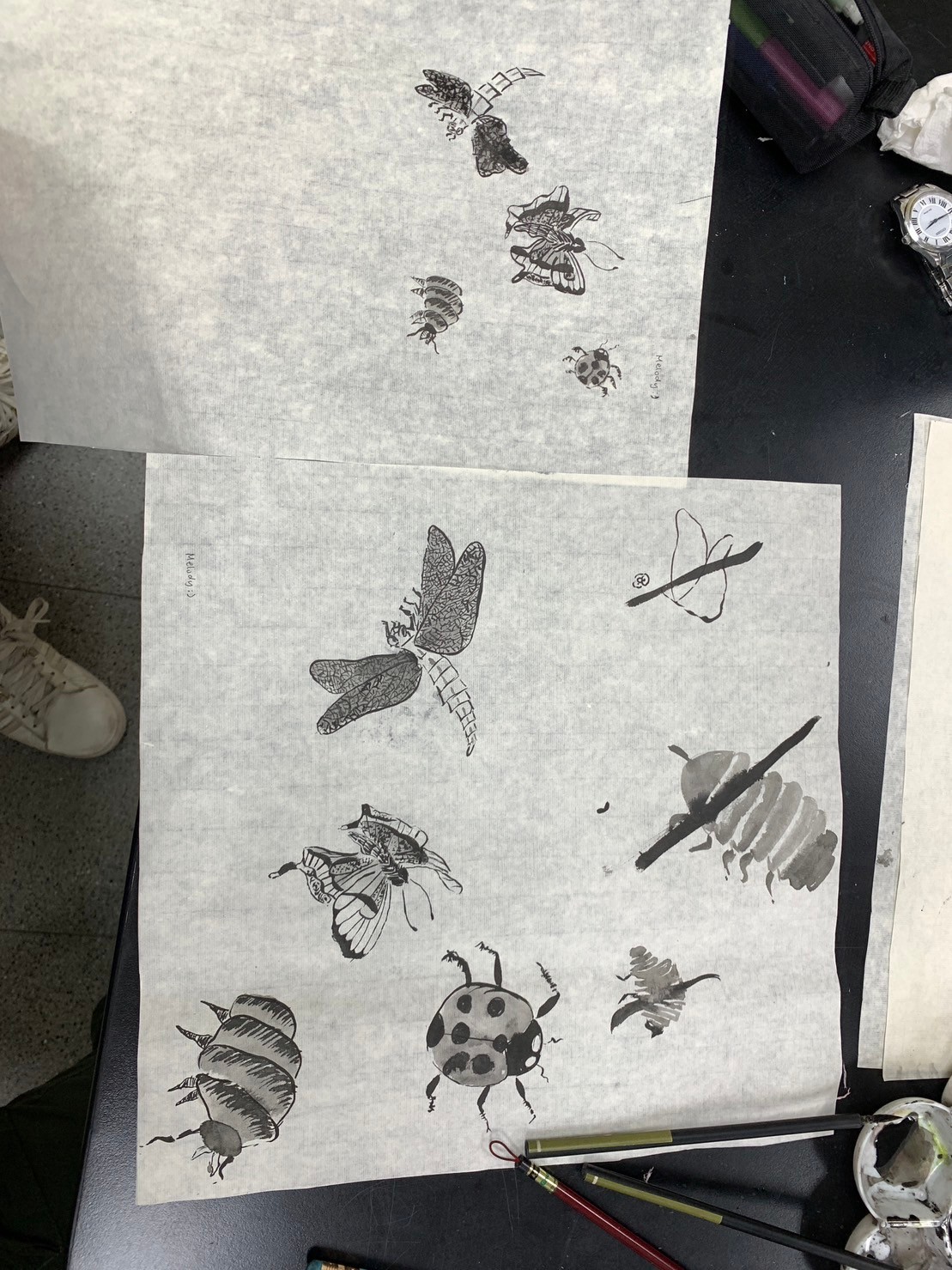
Traditional Chinese ink and brush techniques used in a contemporary way: brush control, ink tones and composition, applied to original paintings.
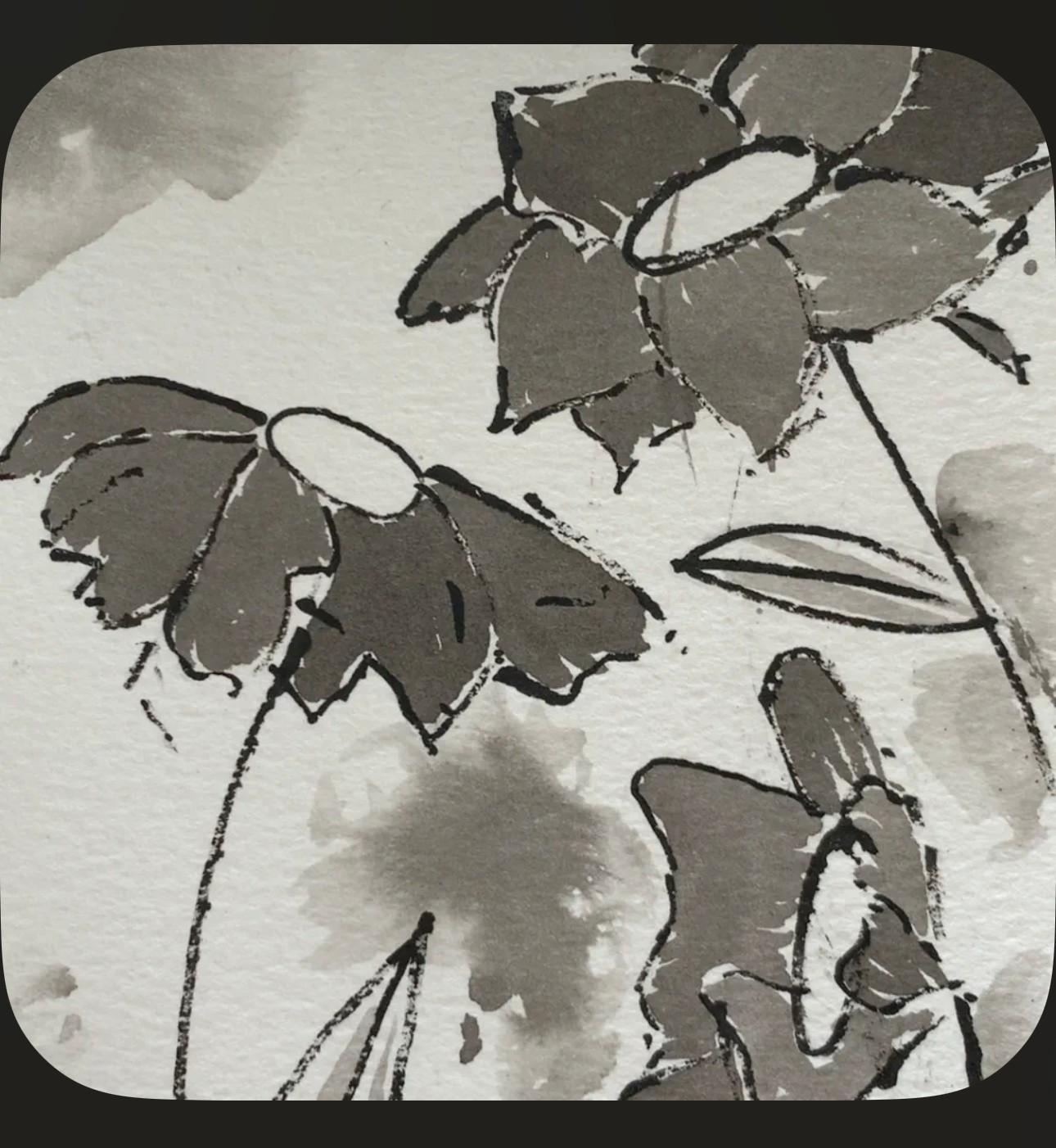
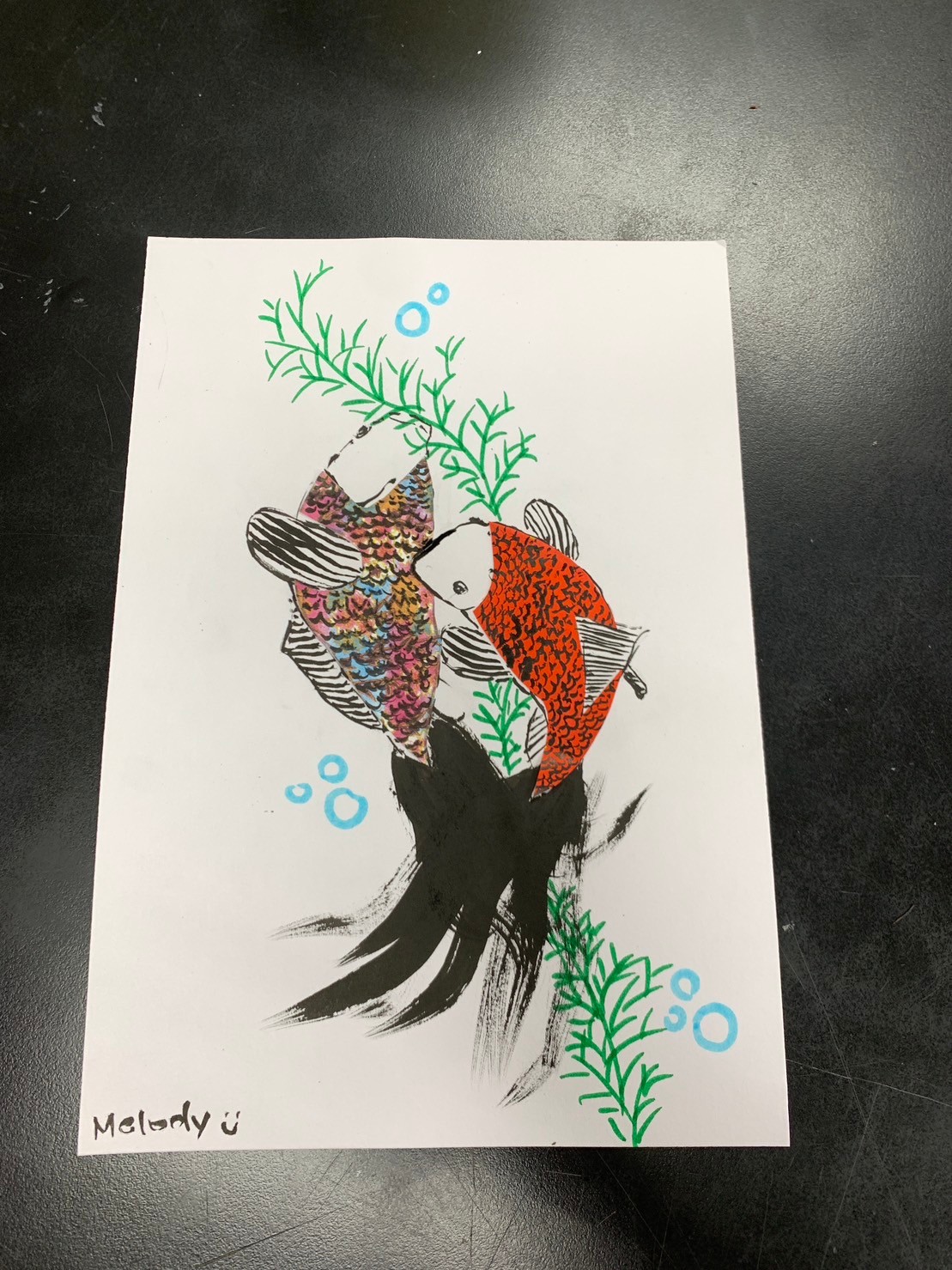
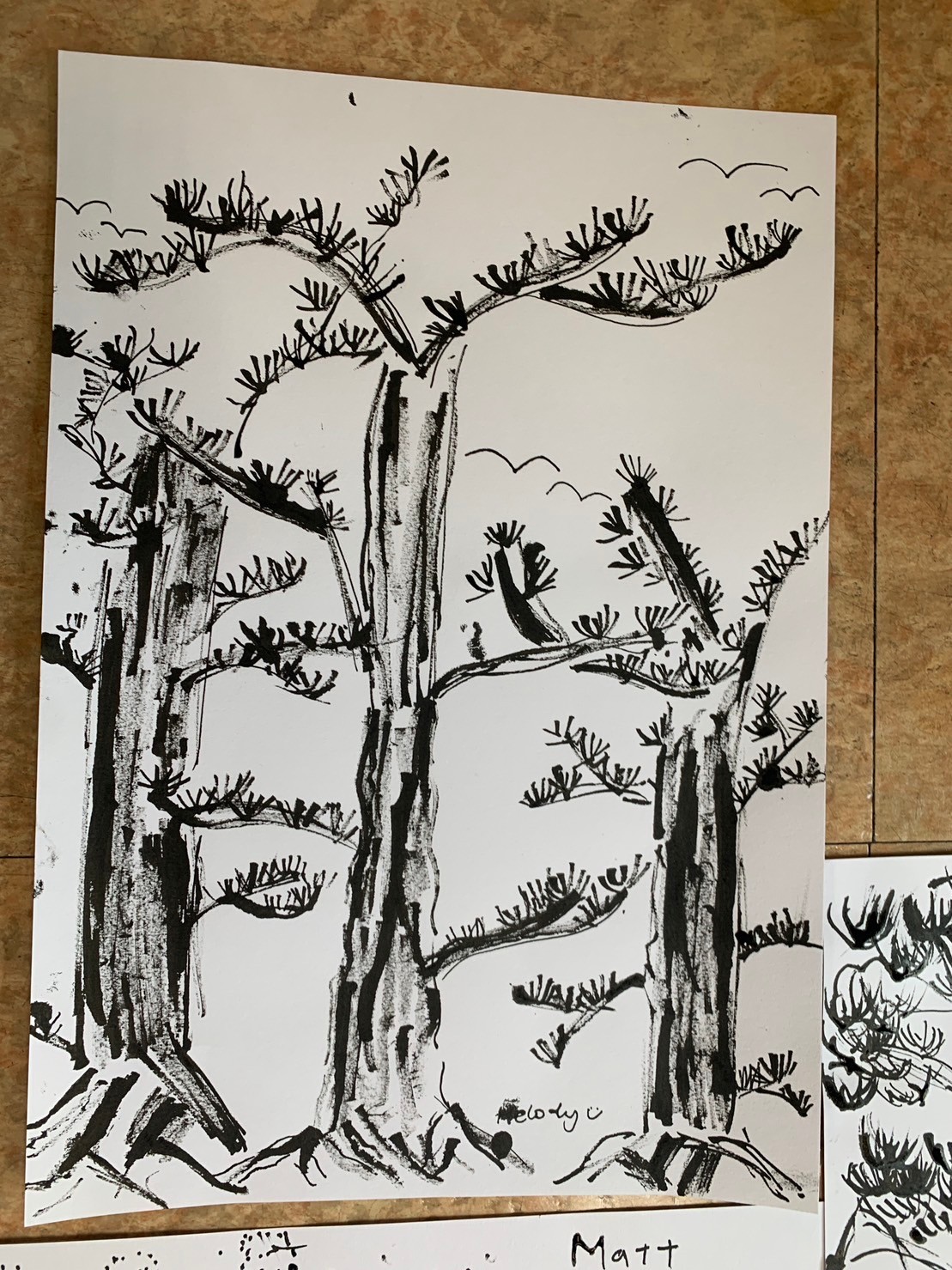
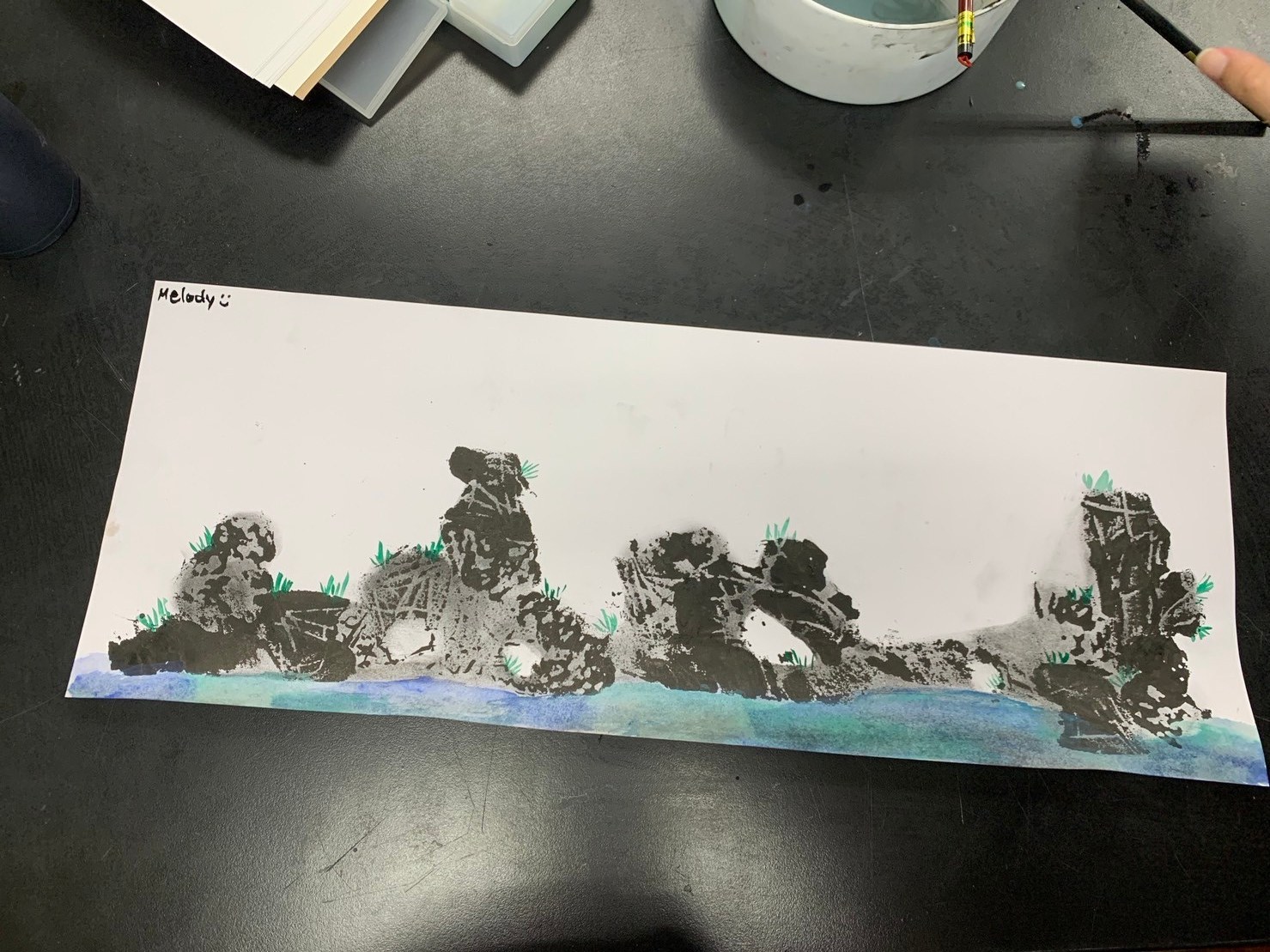
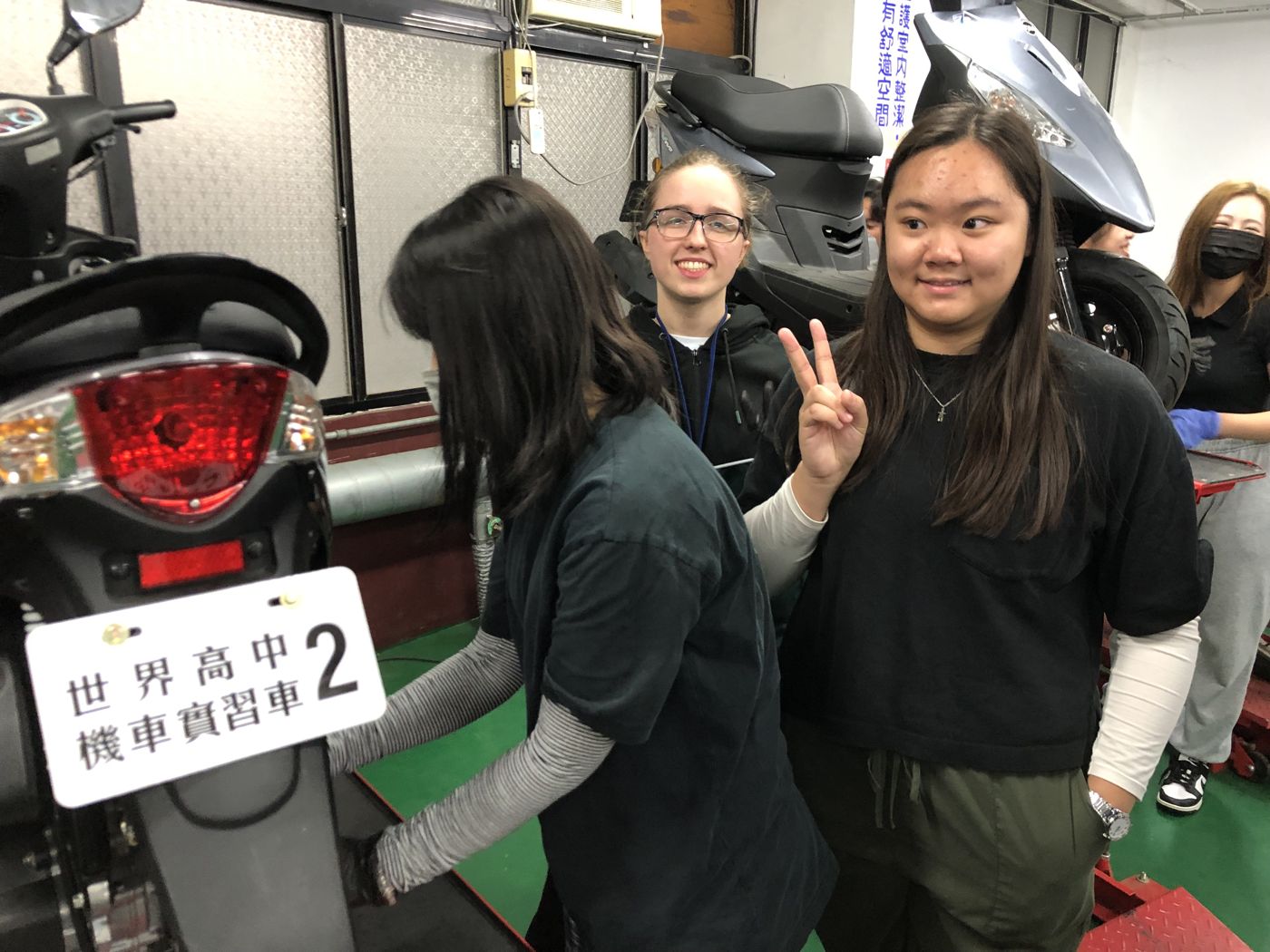
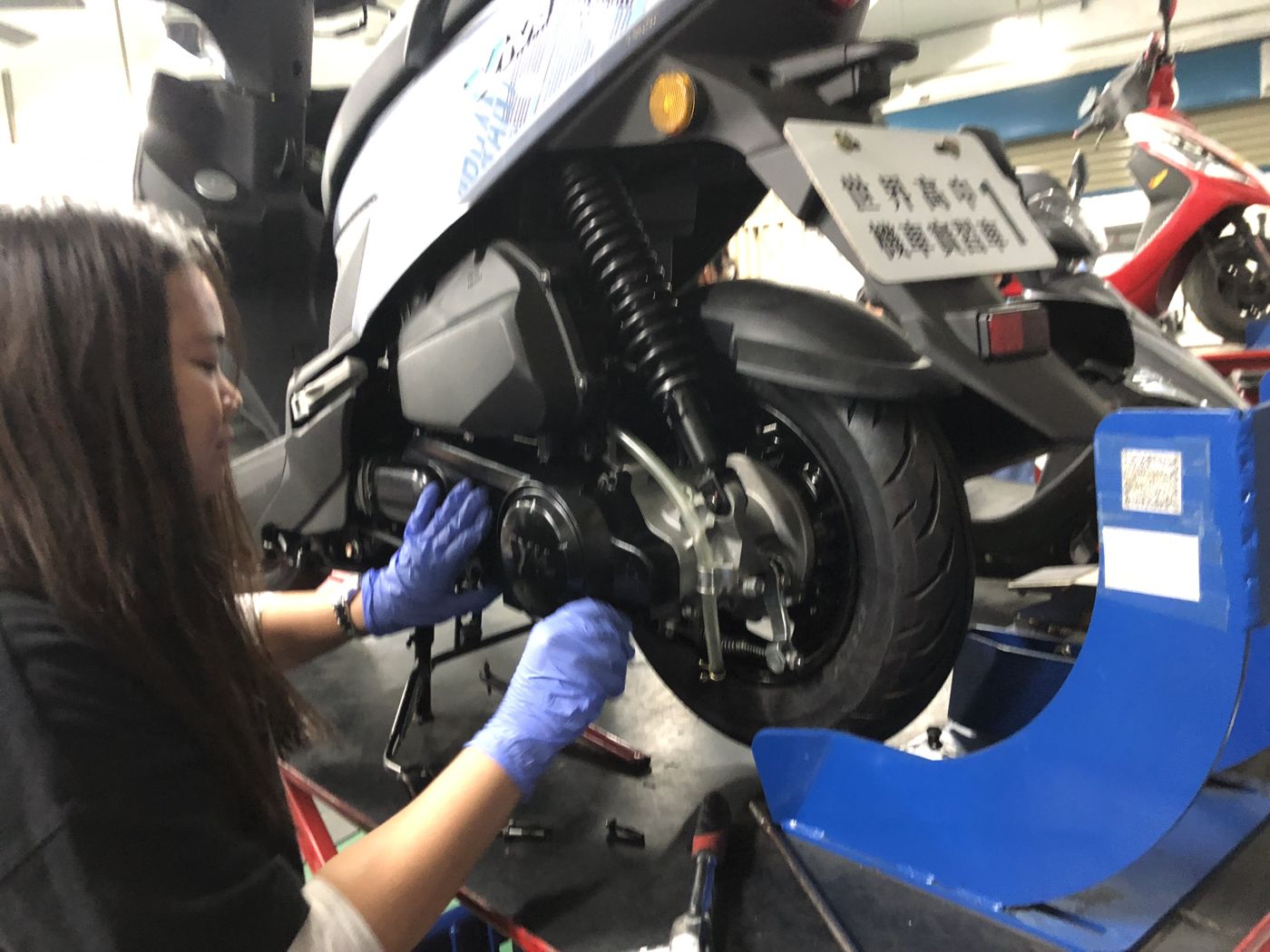
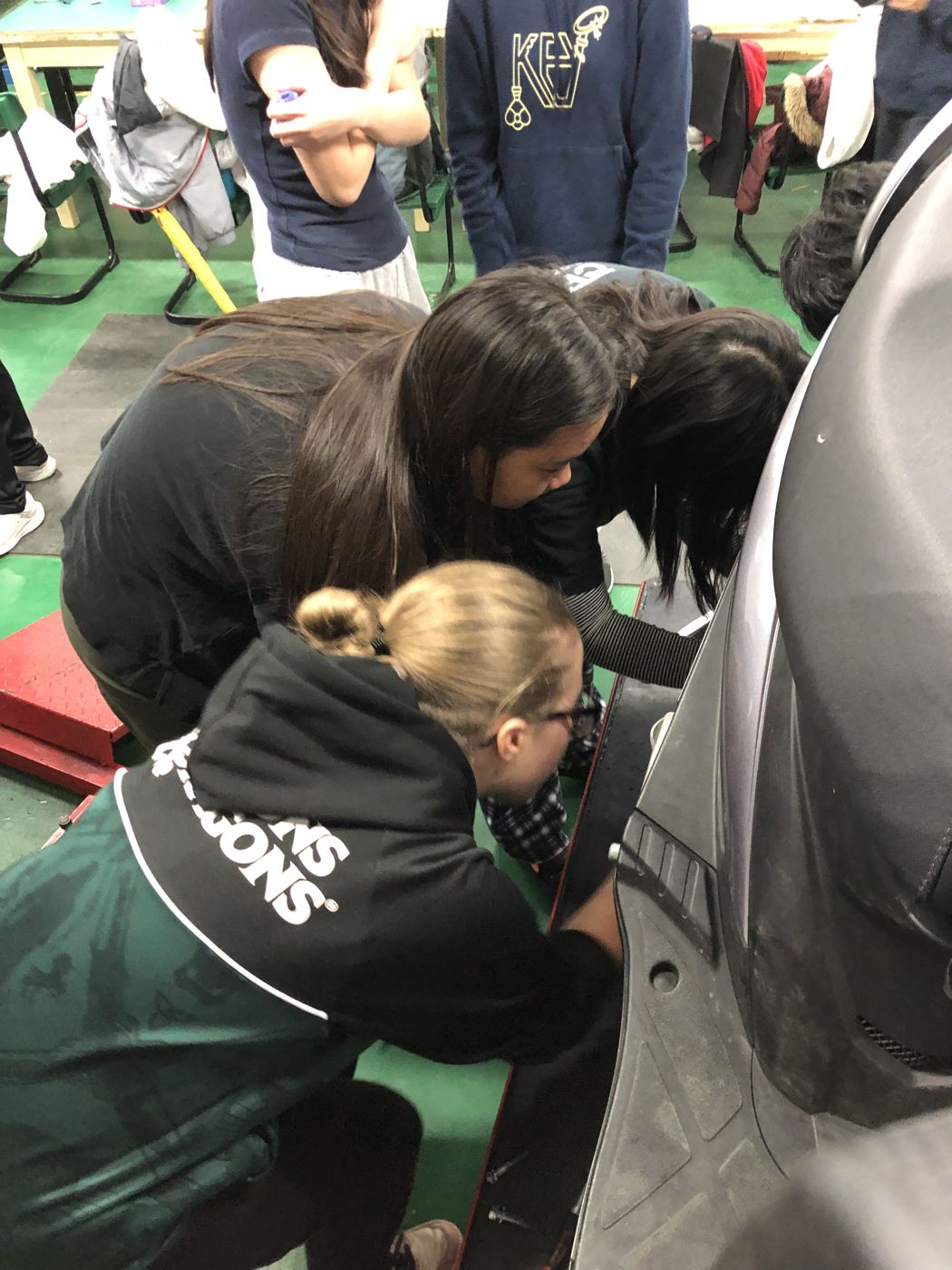
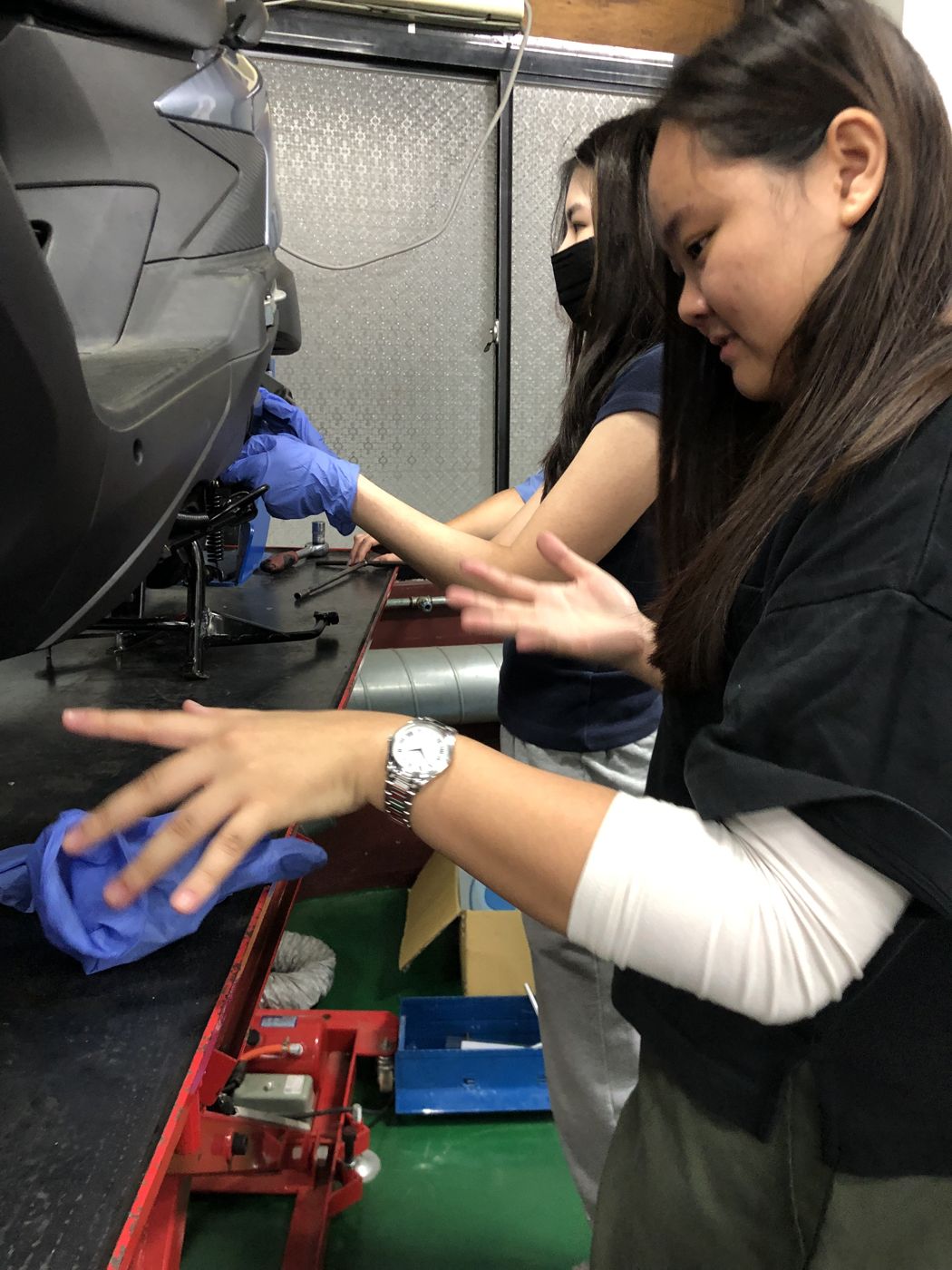
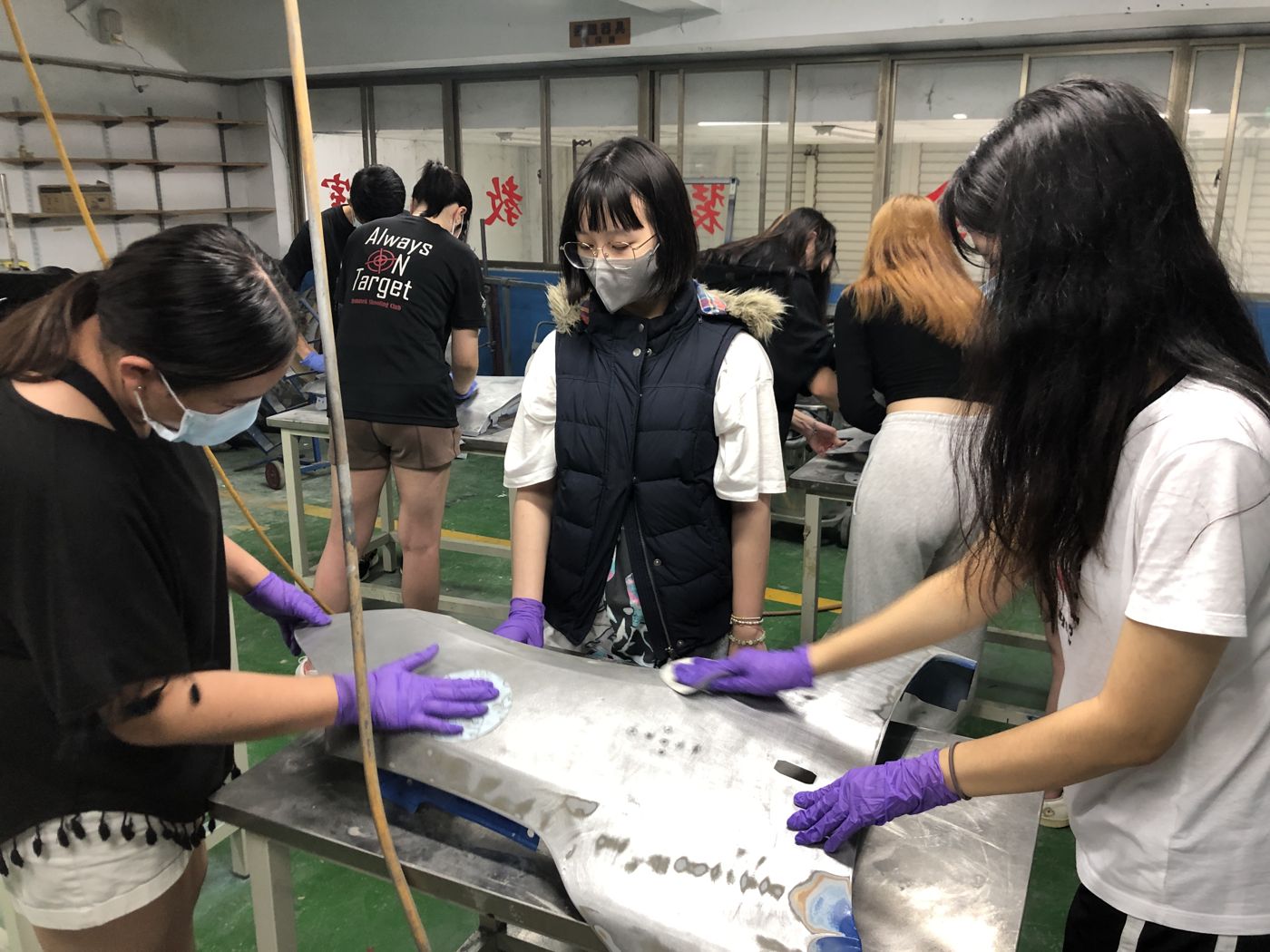
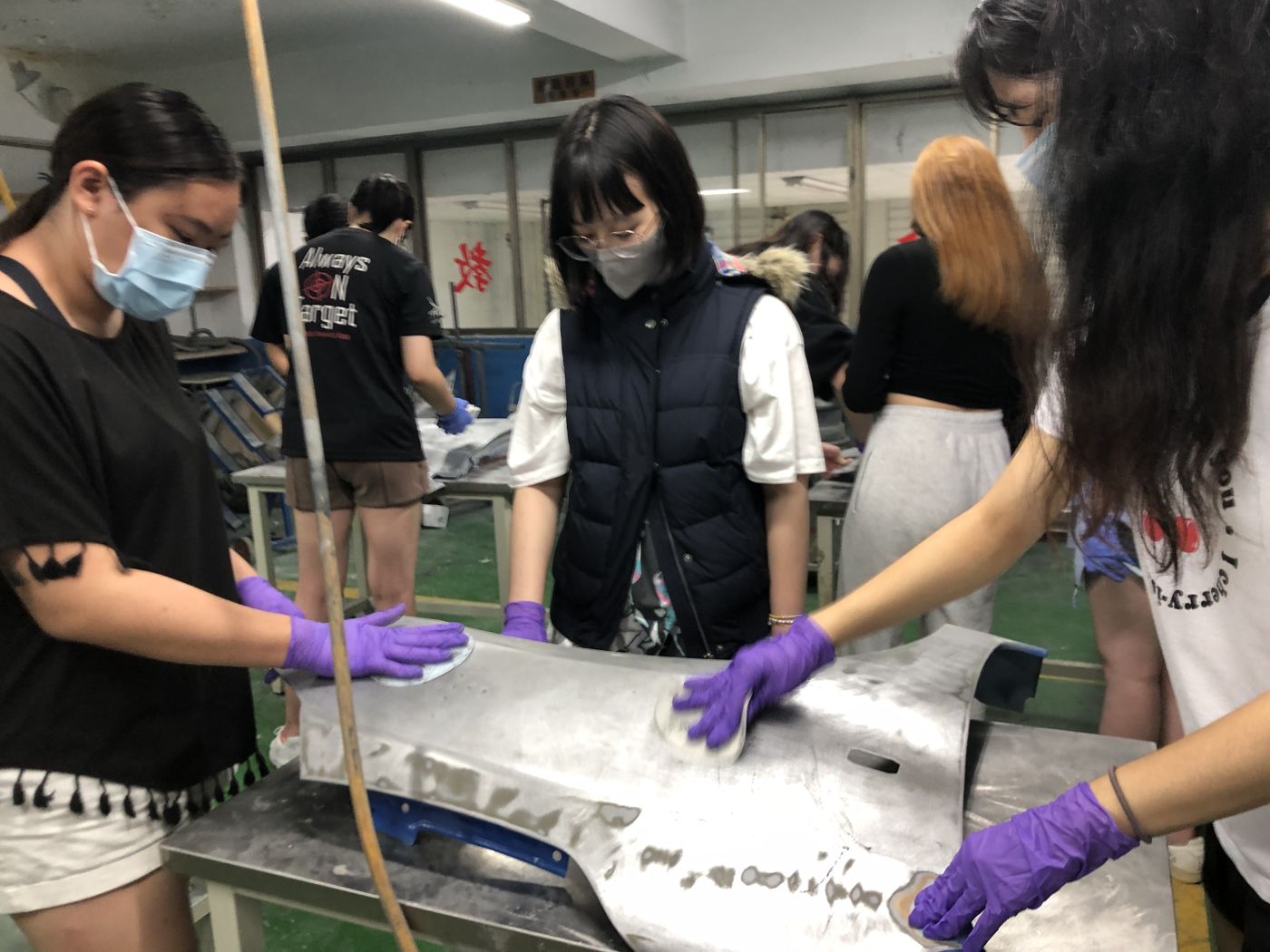
Hands-on vehicle maintenance in the school workshop: taking apart and repairing scooters in teams, cleaning parts and sanding body panels.
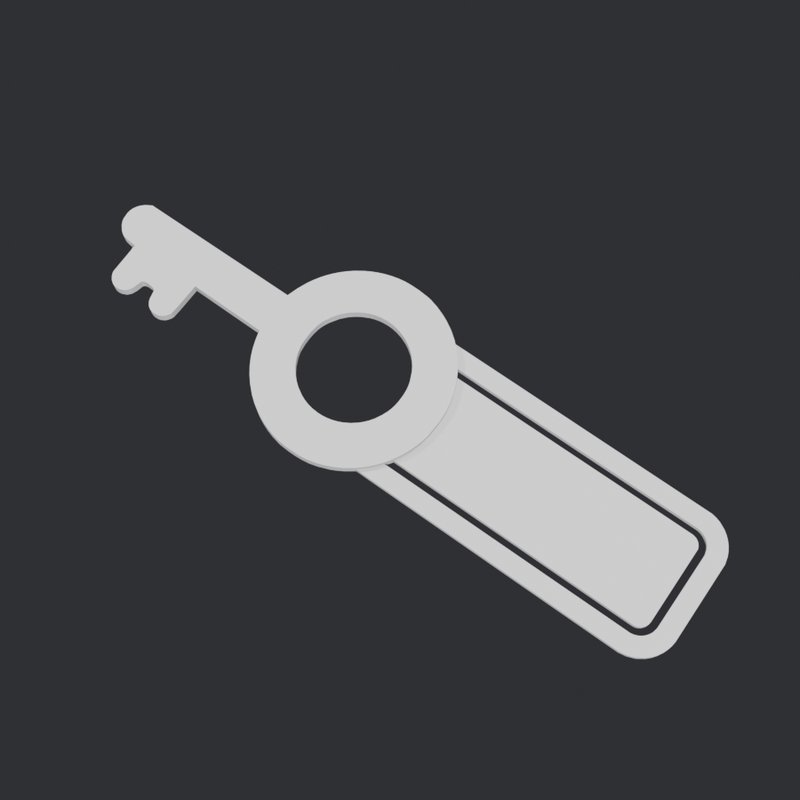
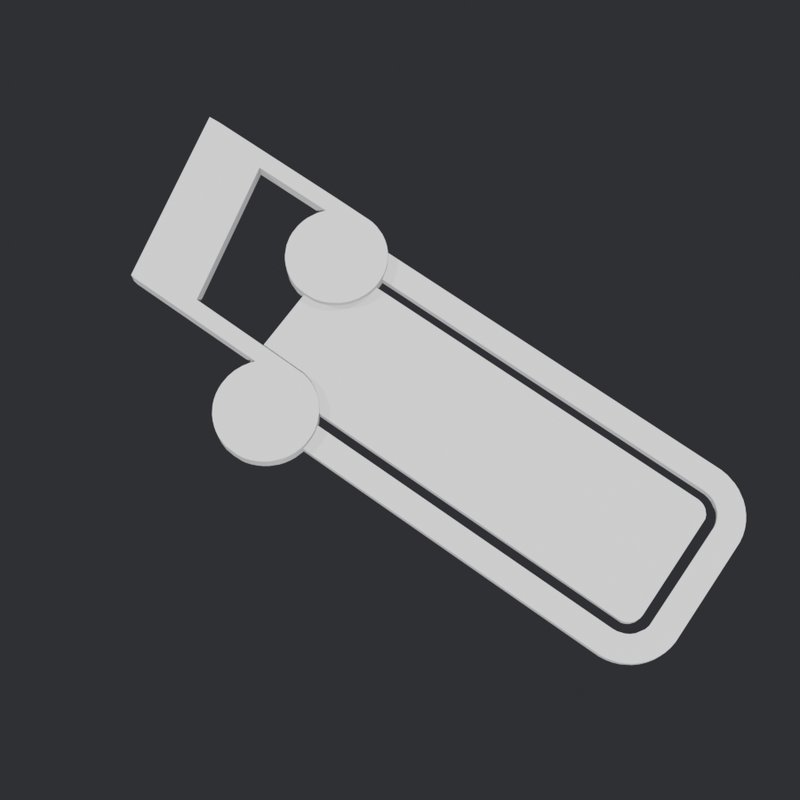
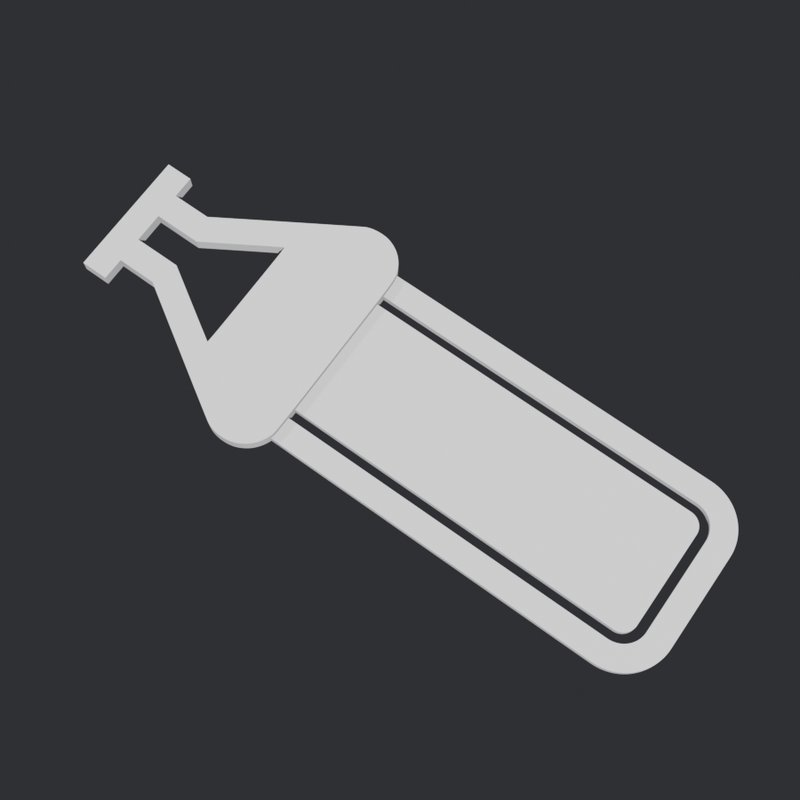
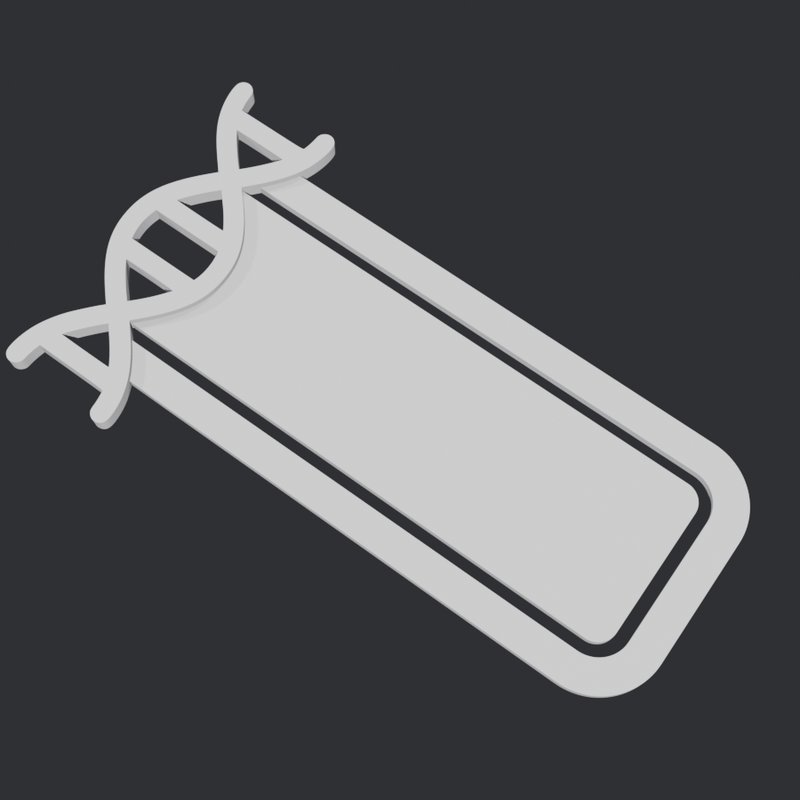
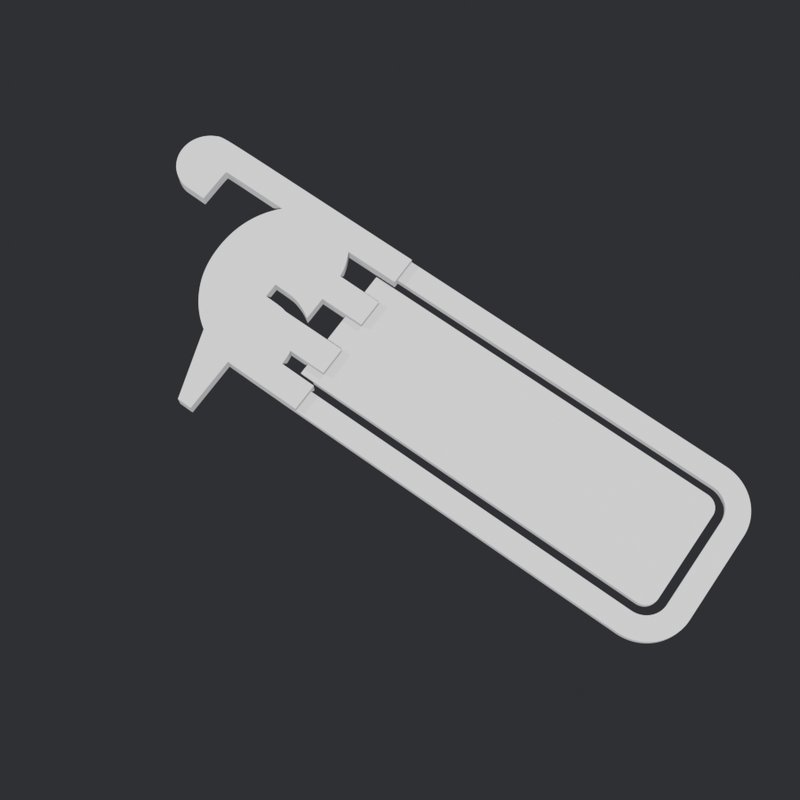
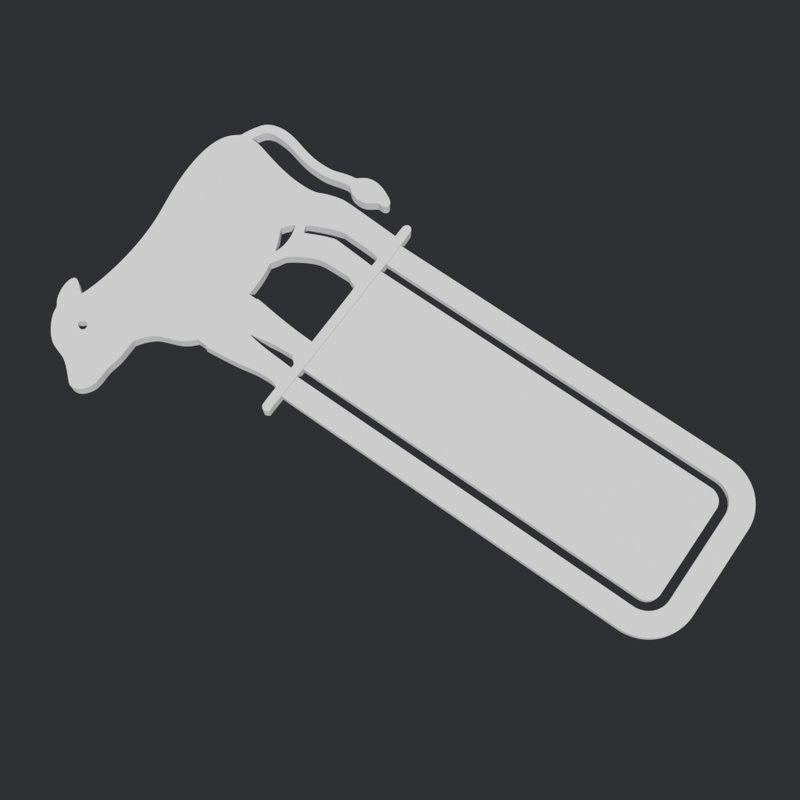
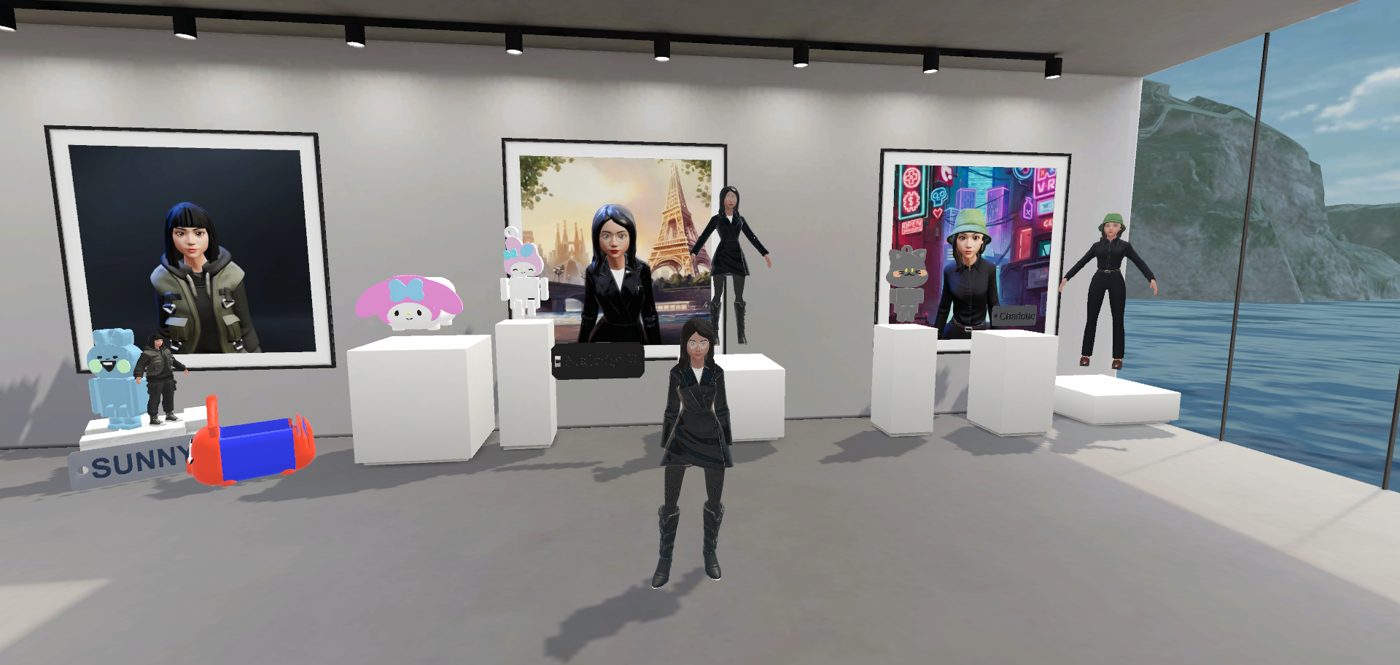
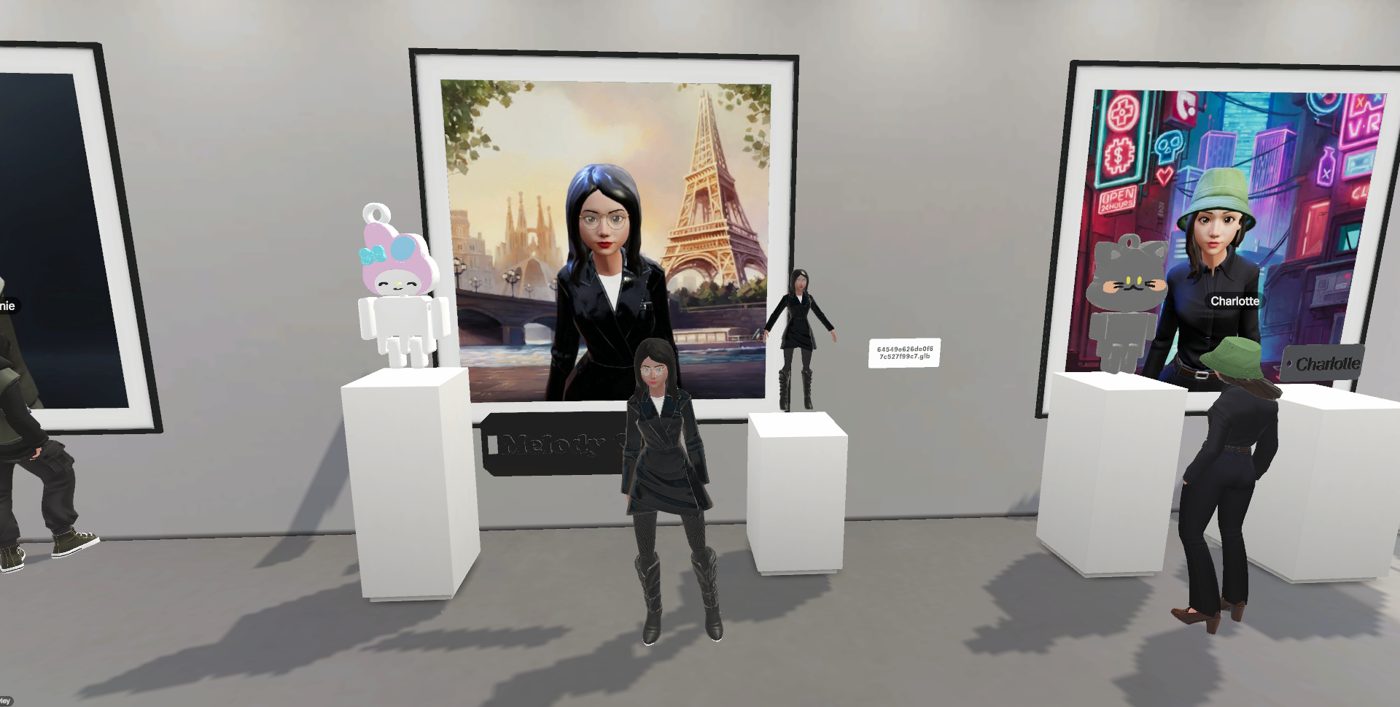
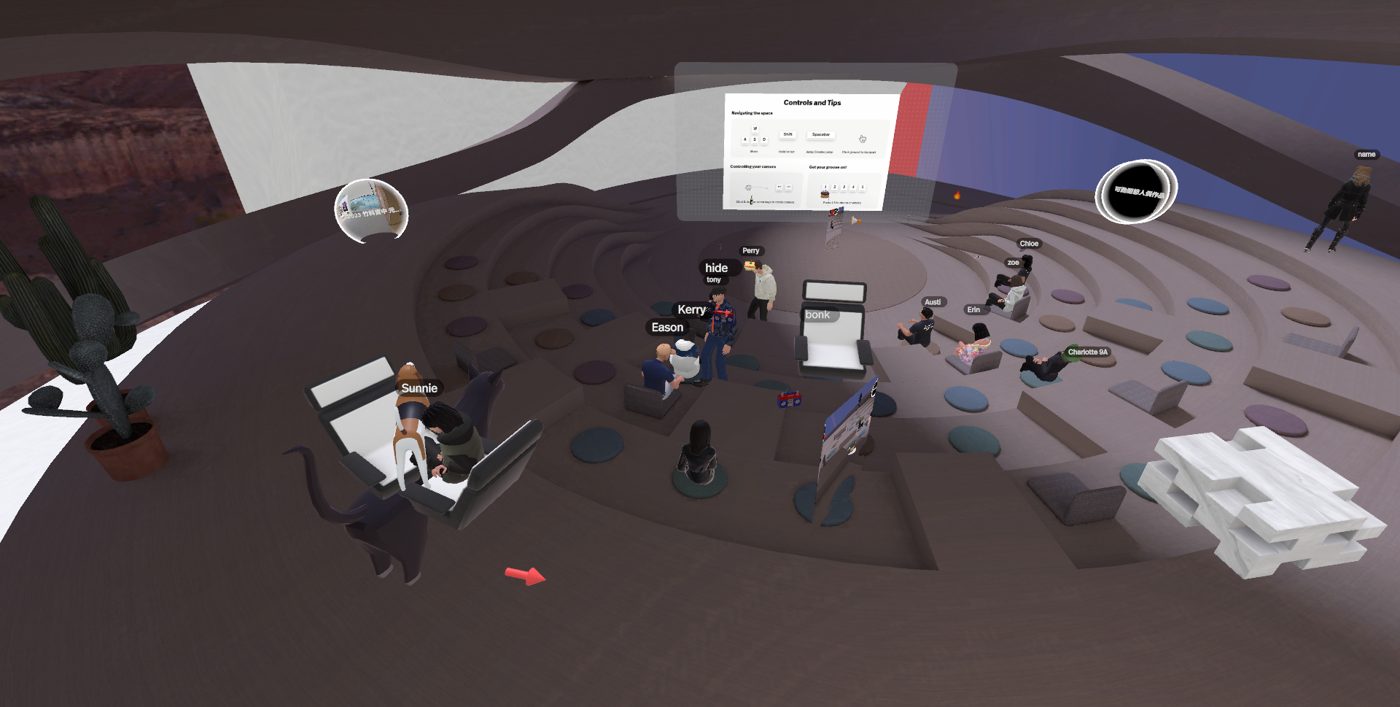
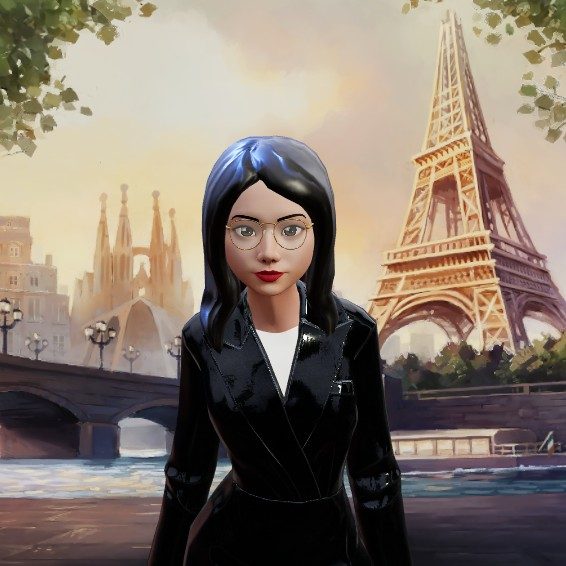
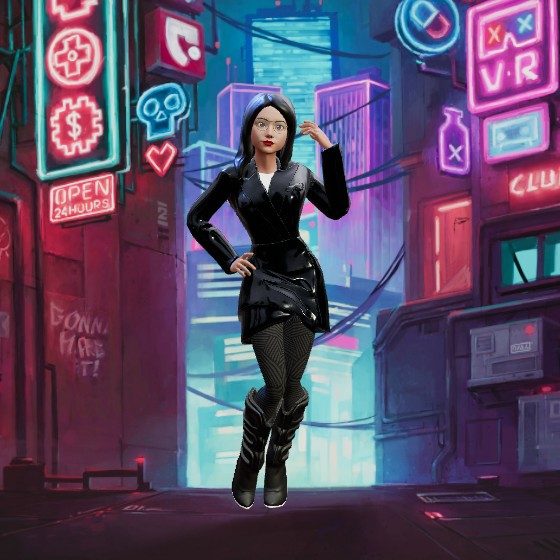
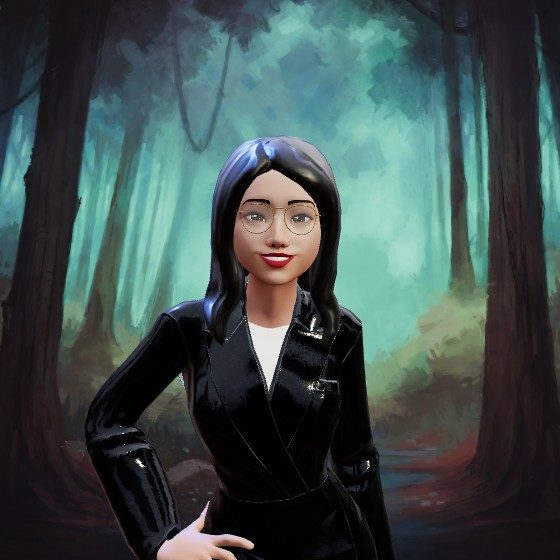
Designing in Autodesk 123D Design and printing the results. Projects went from bookmarks and lattice-window pattern tiles to a jointed My Melody keychain, a My Melody desk organizer and a name tag, then an avatar and a booth for the school’s metaverse student exhibition, where the models were shown in a virtual gallery.
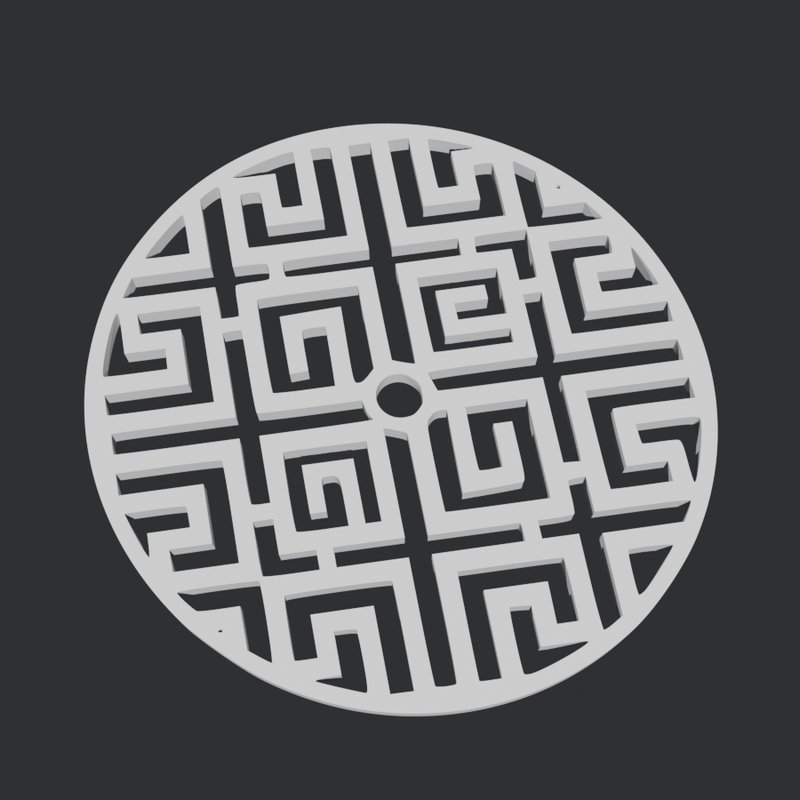
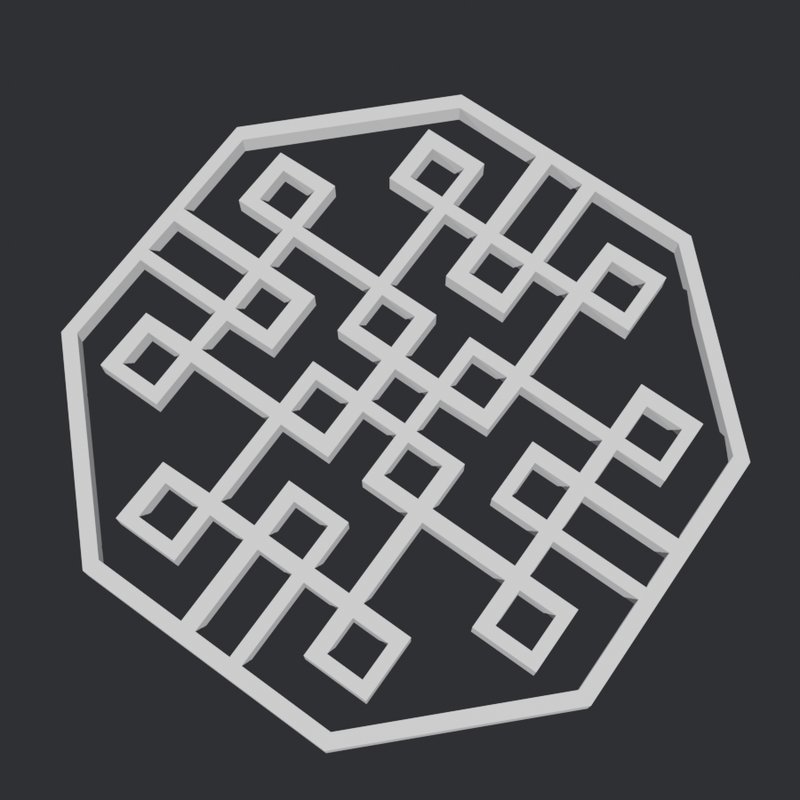
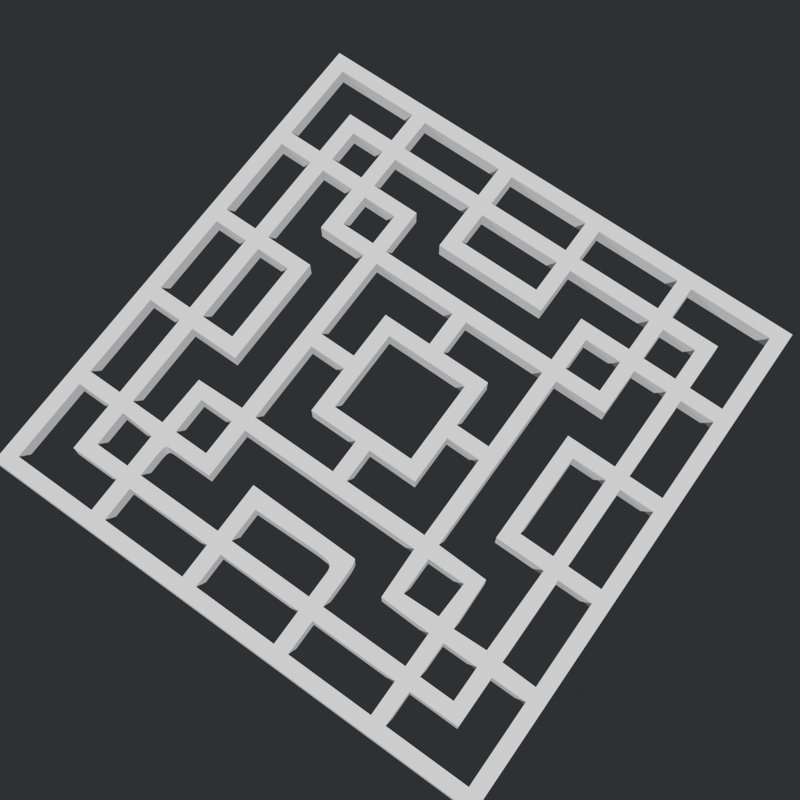
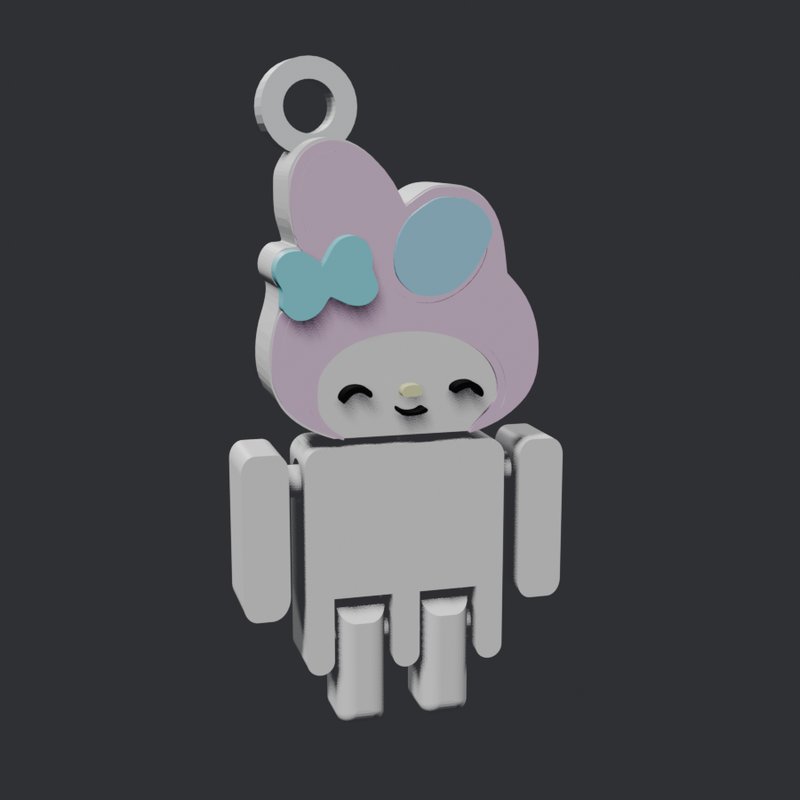
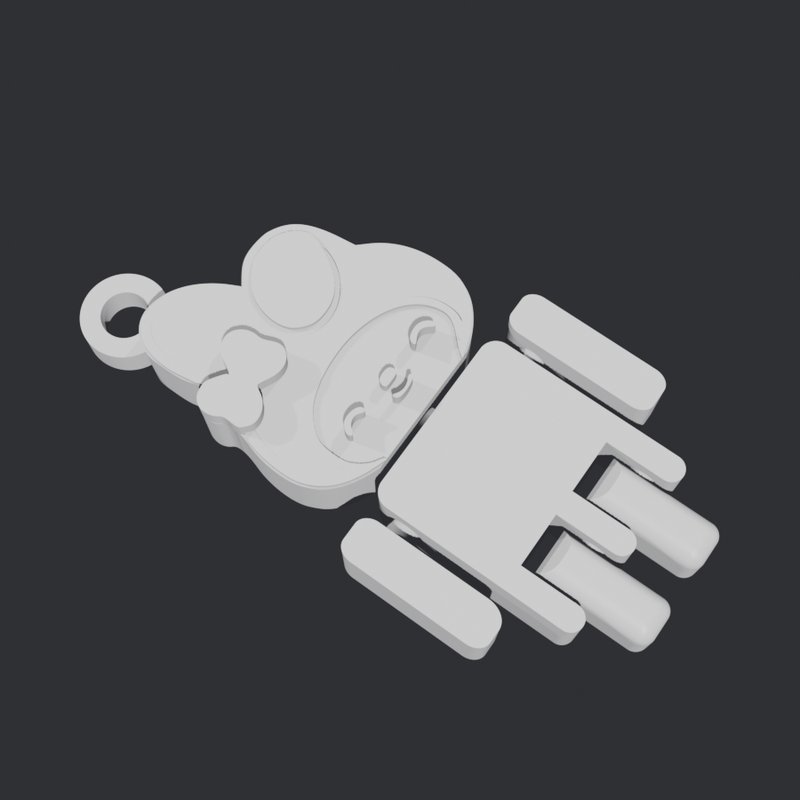
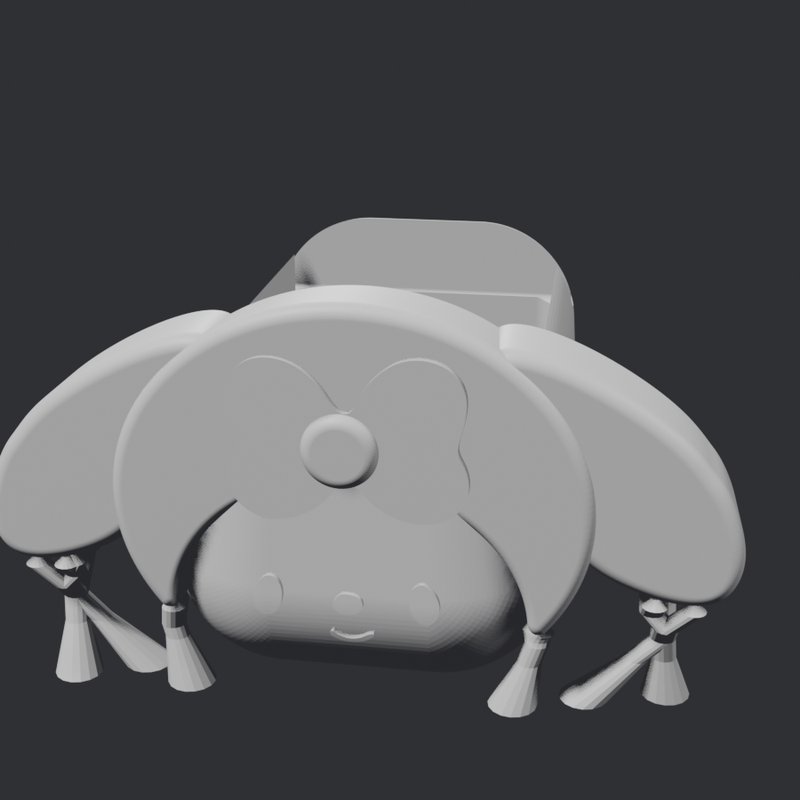
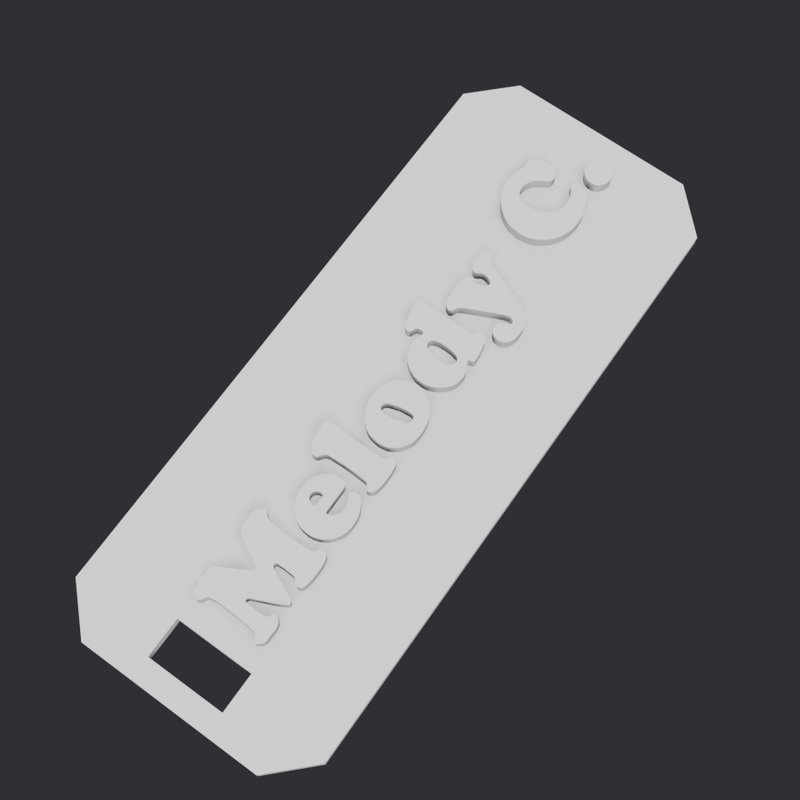
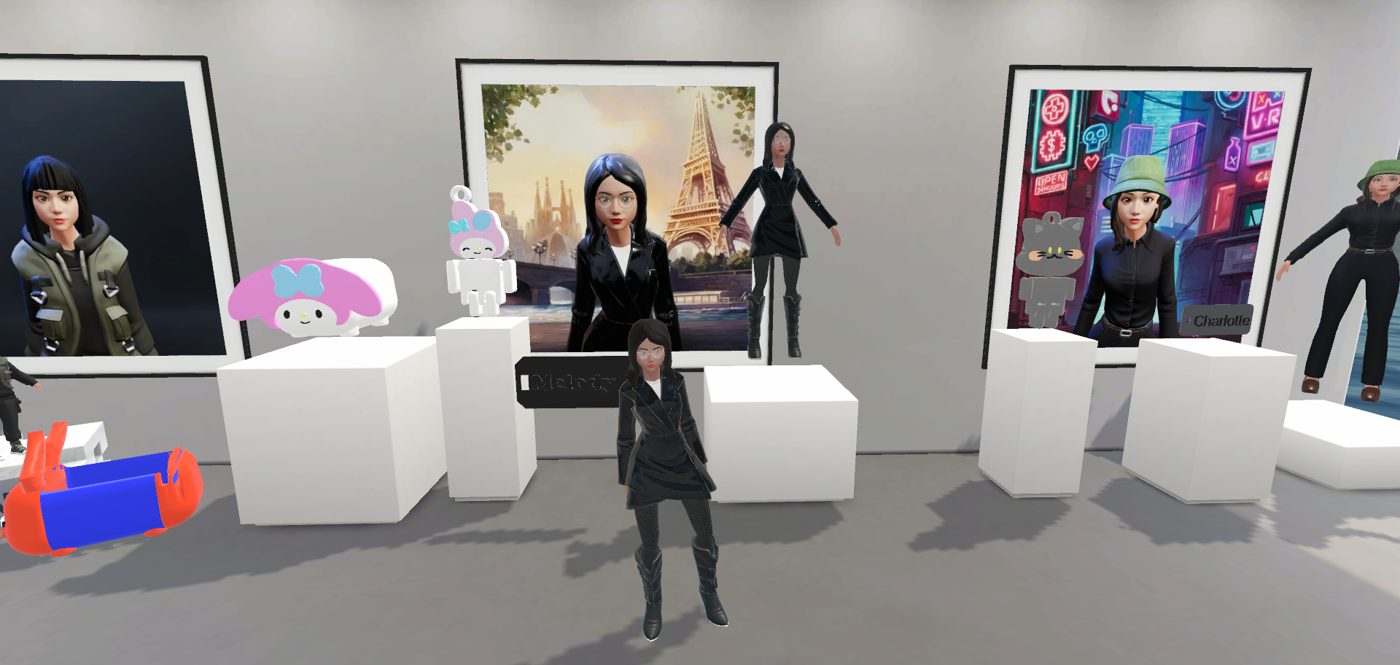
Singing in a vocal group with no instruments: arranging parts, blending harmonies and performing together.
Designing, building and programming robots to complete tasks on their own, then competing with them.
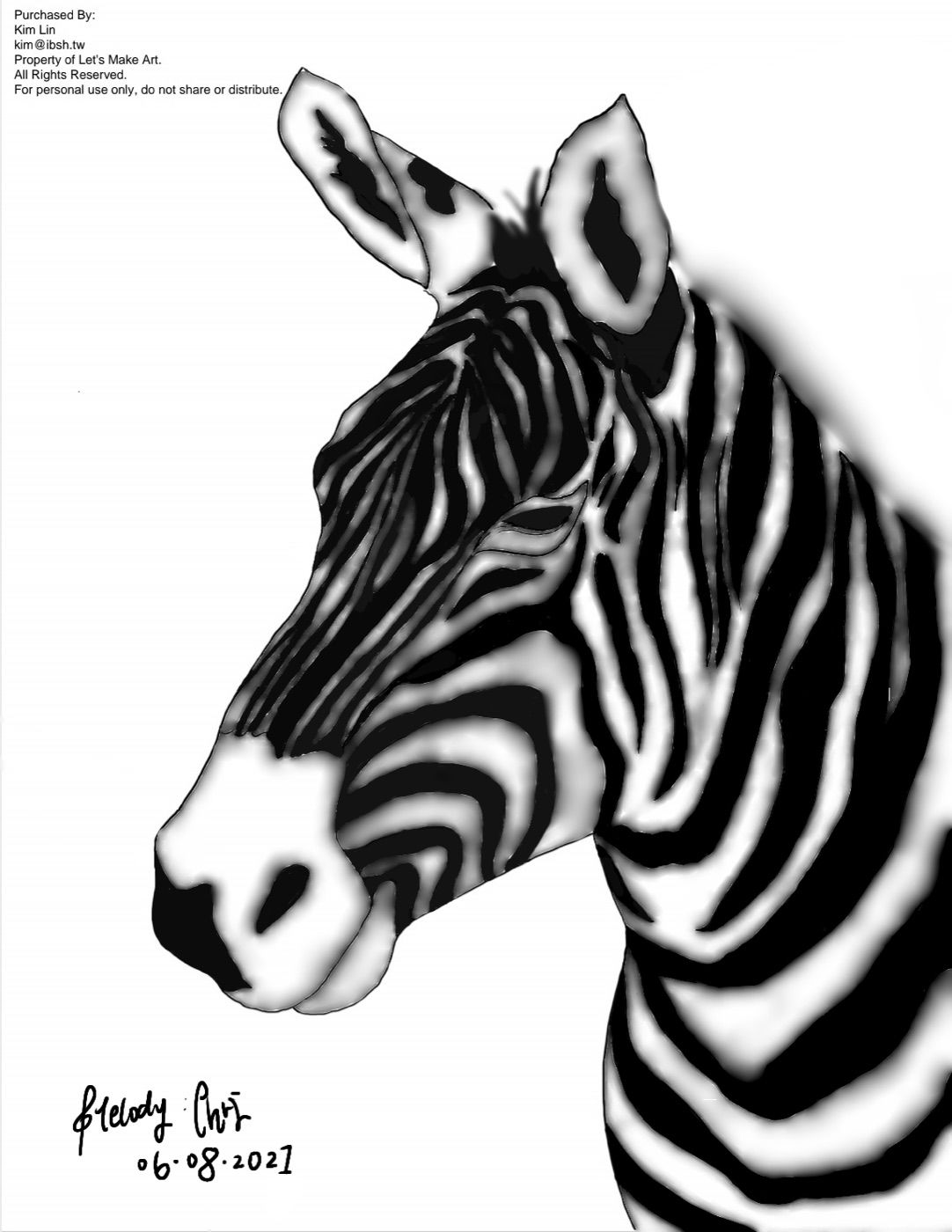
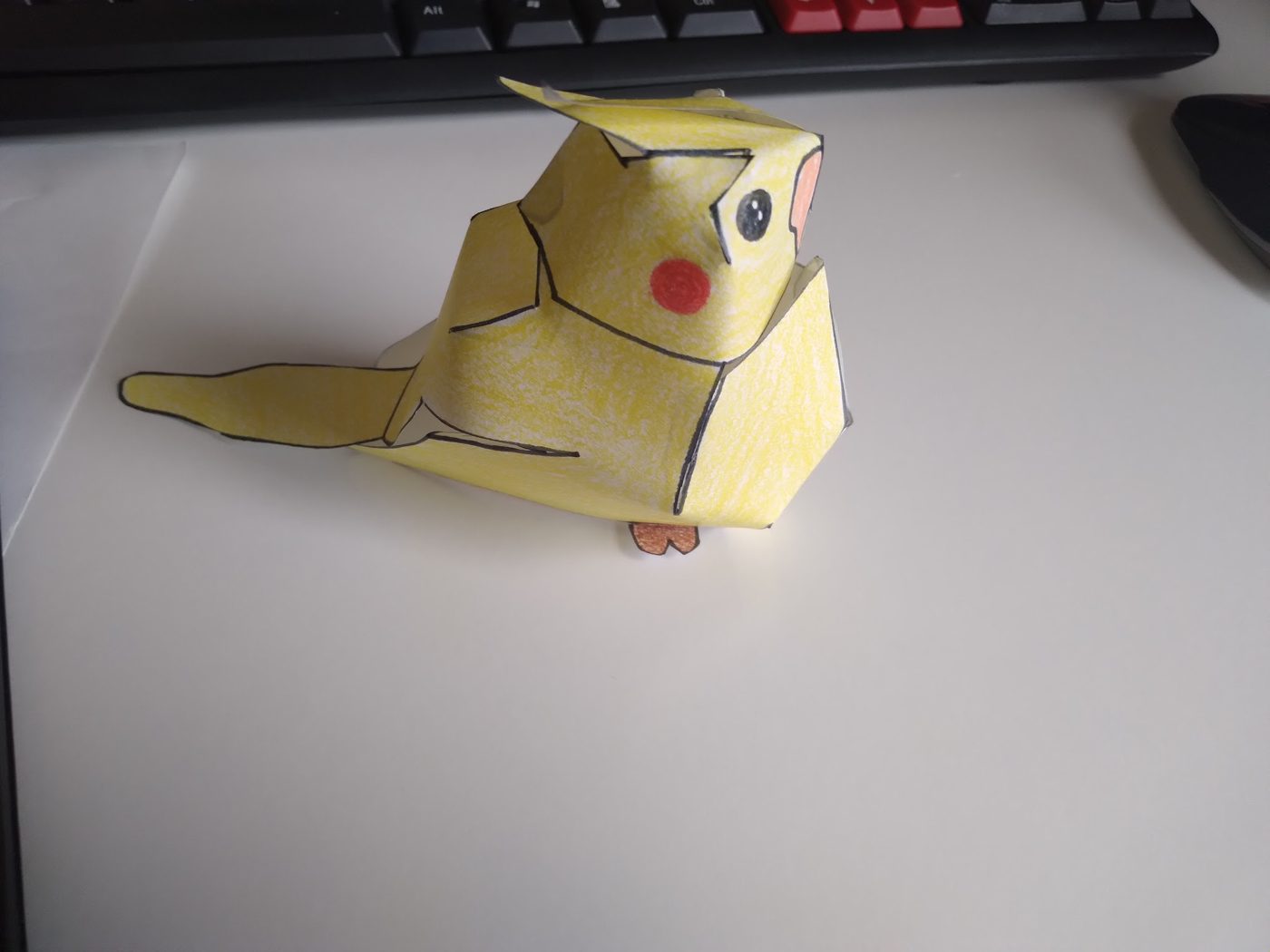
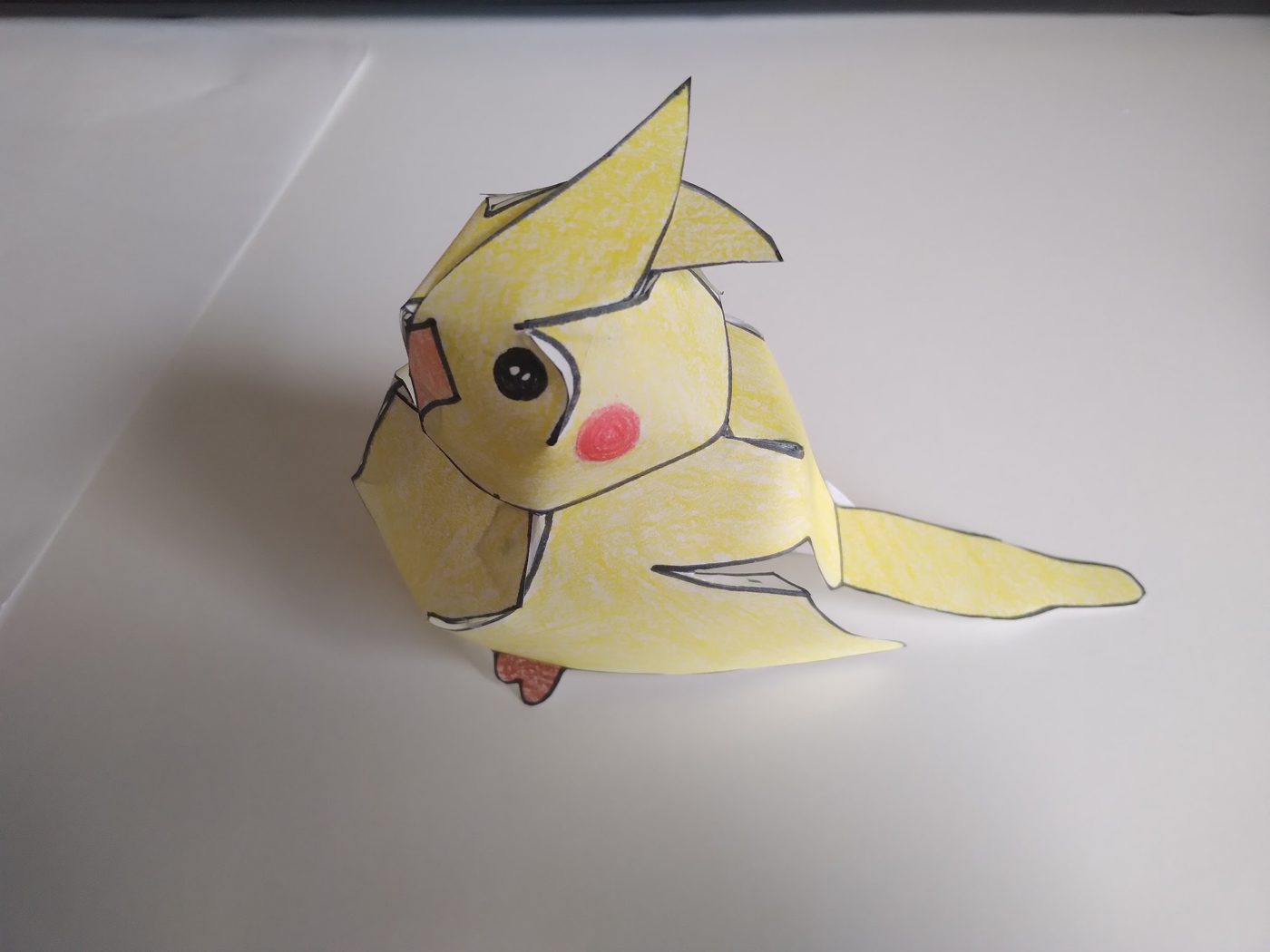
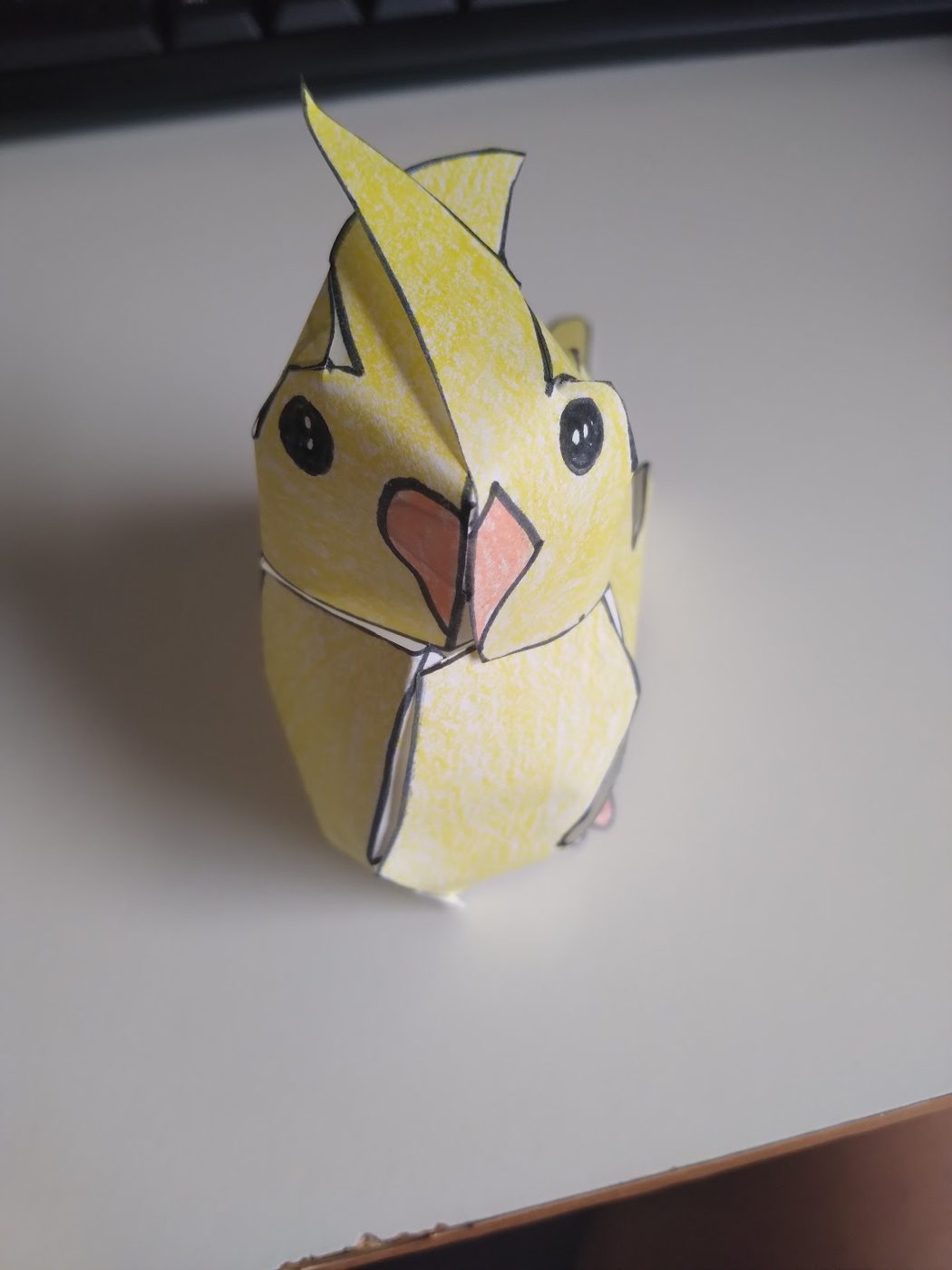
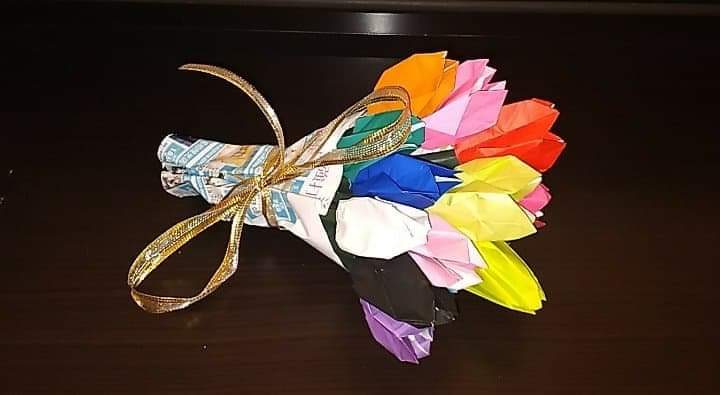
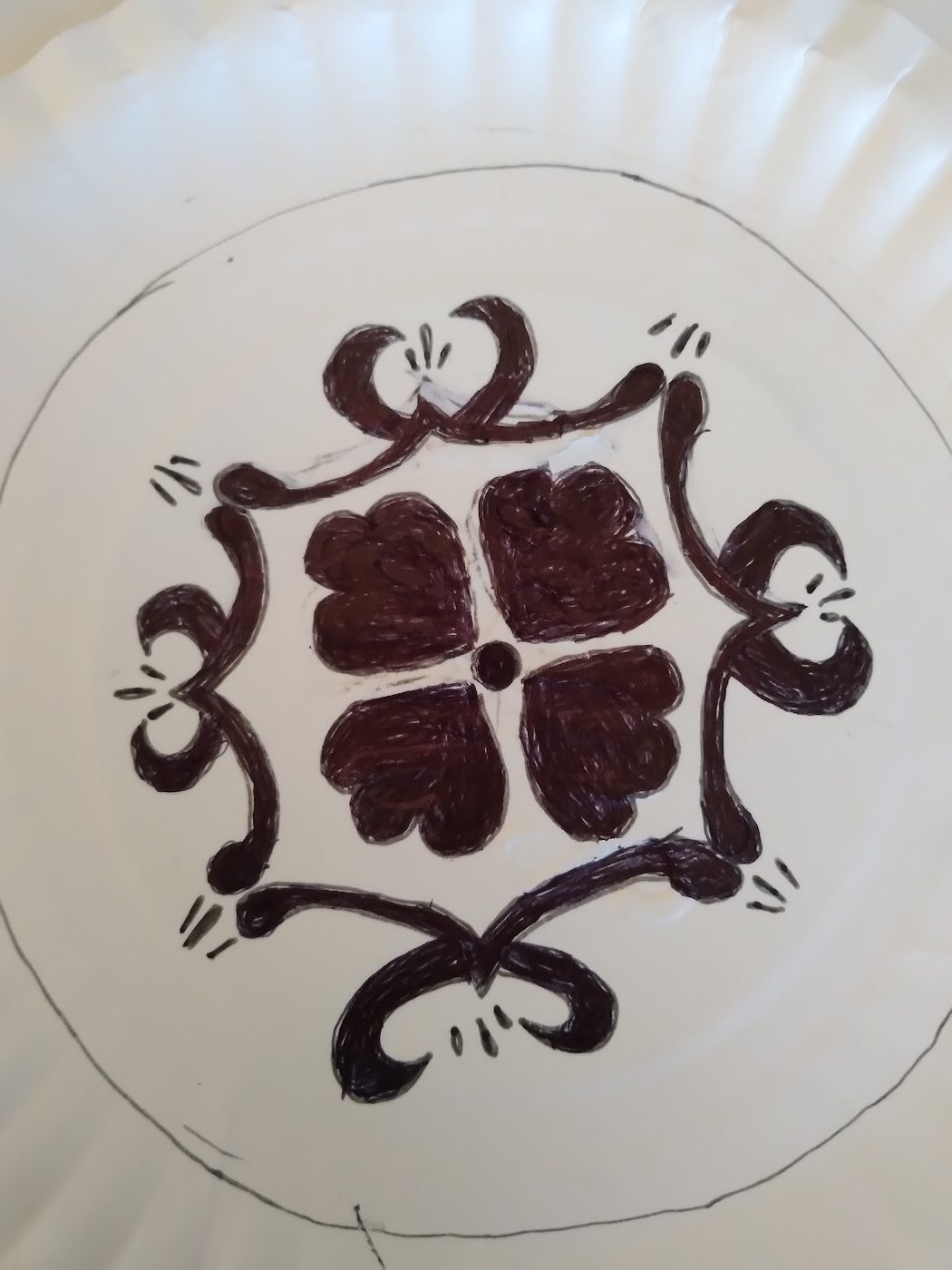
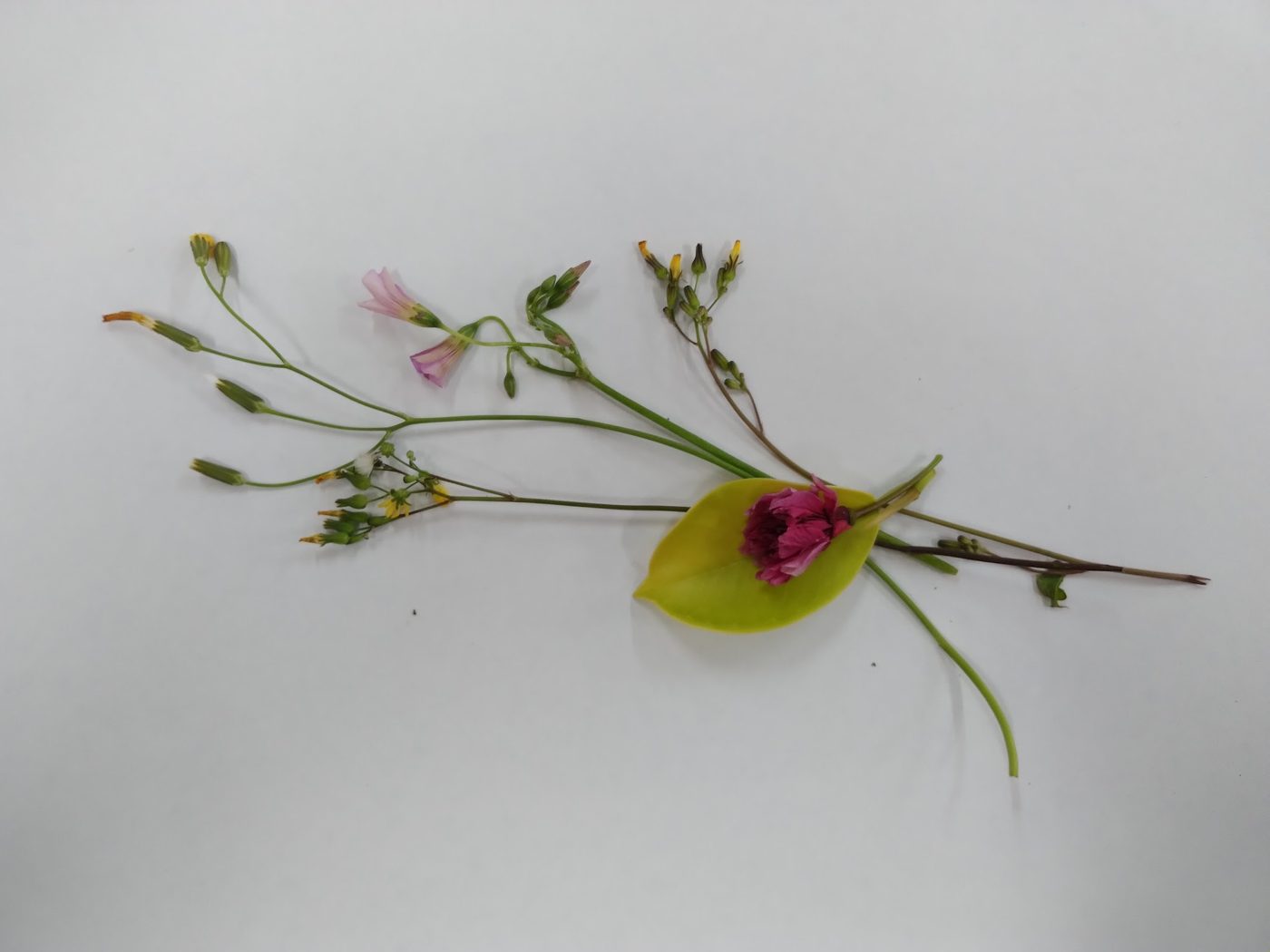
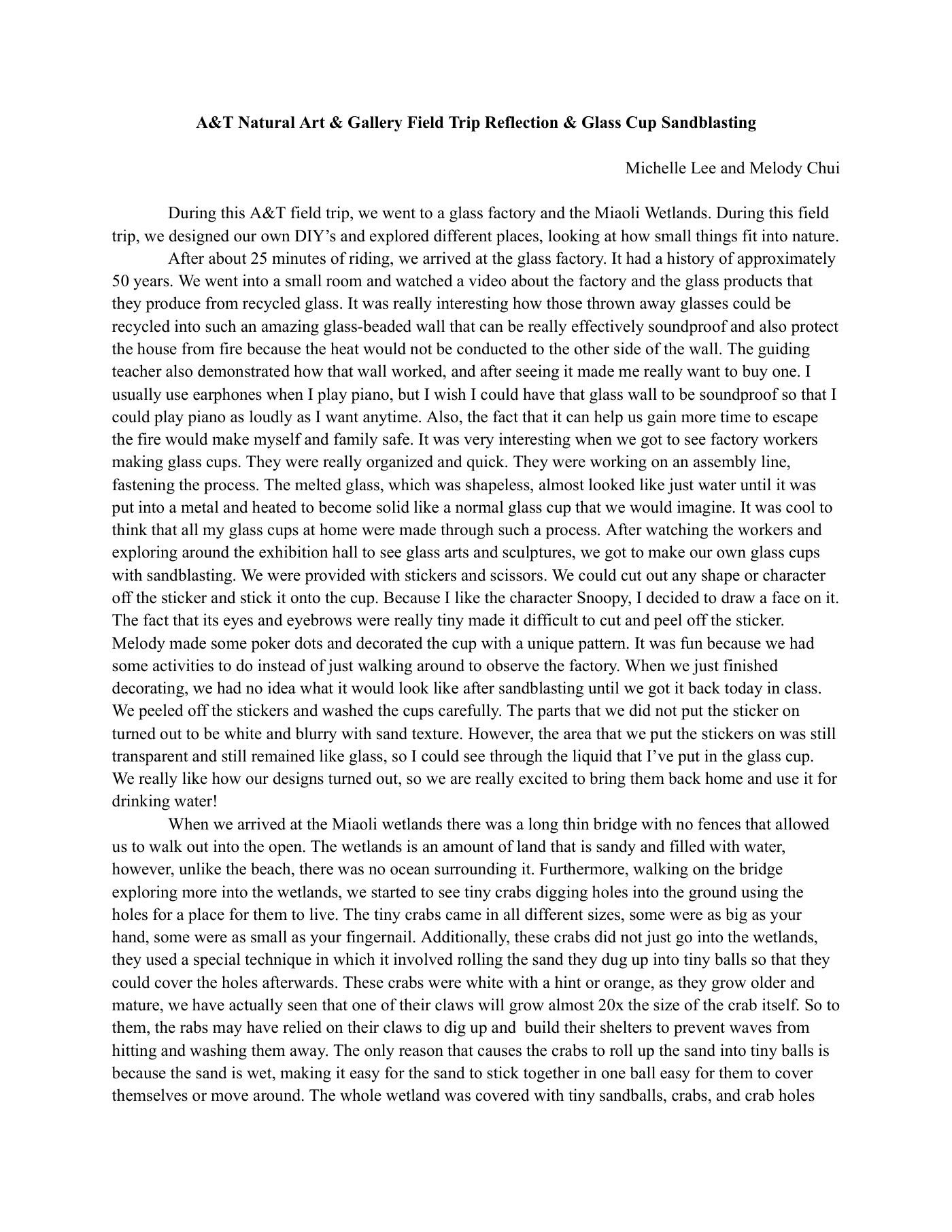
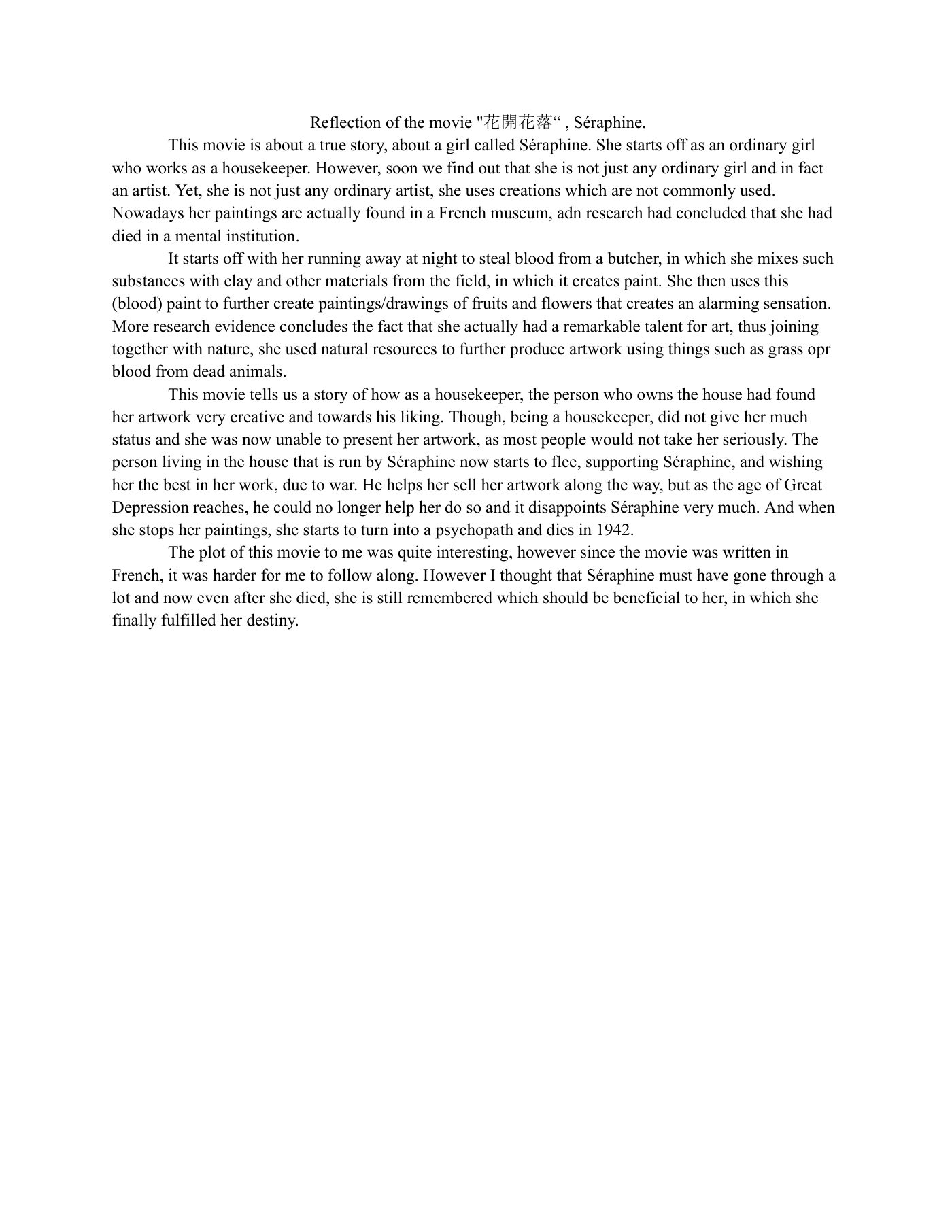
Art made from and inspired by nature: paper crafts, folded flowers, a zebra drawing and an arrangement of wildflowers. The class also visited a glass factory, where each student sandblasted a glass cup, and the Miaoli wetlands, and watched Séraphine, a film about a self-taught painter who made her own paints from natural materials.
Reading and writing music: notes, rhythm, scales, intervals, chords and ear training.
Building simple circuits and writing programs to control them with sensors, lights and motors.